
 By Culture Expert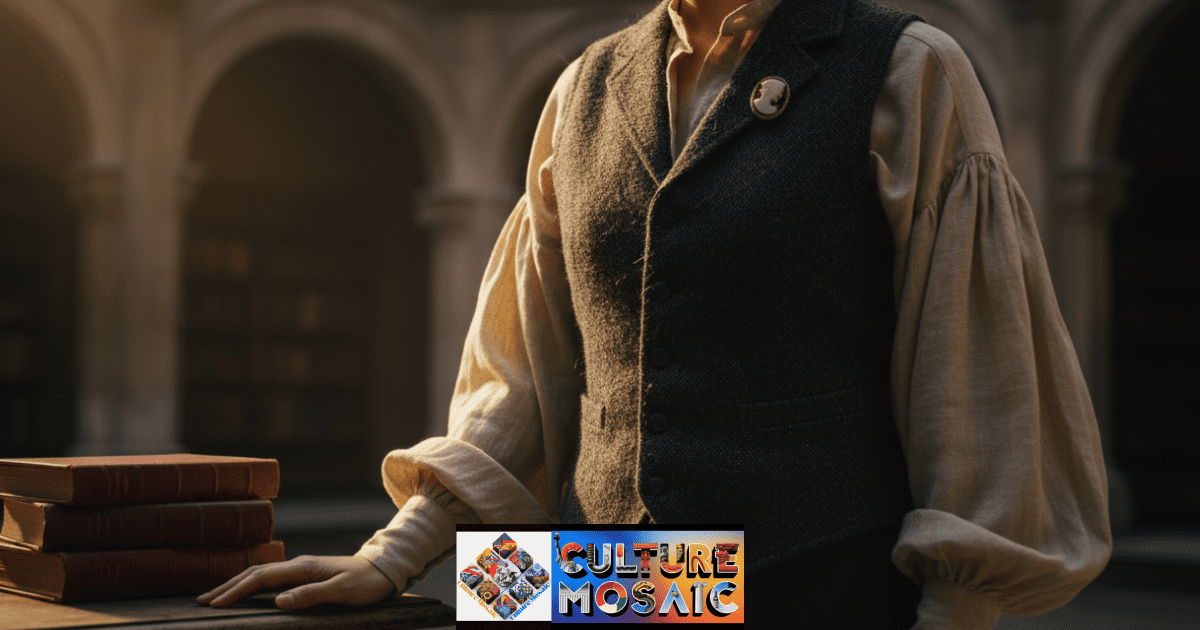
Poetcore Heritage Fashion: Why the Romantic Literary Aesthetic Has Staying Power
I keep having the same conversation. Someone stops me at a market stall, or messages me a screenshot from Pinterest, and asks the same question in a dozen different ways: “What is this look? The billowy sleeves, the ink-stained colors, the coat that looks like it belongs to a Romantic poet who just walked in from the rain?” That look has a name now. It’s Poetcore Heritage Fashion, and once you see it, you can’t unsee it.
Here’s the problem I want to name outright, because I think most style guides dance around it. Fashion right now feels disposable. Fast, cheap, forgettable. You buy something because an algorithm told you to, wear it four times, and then it sits in a donation bag by spring. A lot of people I talk to are tired of that cycle. They want clothing that feels like it means something, that connects to a story bigger than a 24-hour trend cycle. That’s the ache underneath every one of those Pinterest messages.
Poetcore Heritage Fashion is my answer to that ache, and I don’t say that lightly.

What Is Poetcore, Really?
Poetcore borrows its DNA from the Romantic and Victorian eras, then filters that inheritance through a modern, wearable lens. Think of the silhouette of a 19th-century poet: a flowing white shirt with a soft collar, an oversized wool coat, trousers with a bit of drape, boots scuffed from actual walking. Add in ink, parchment, and moss tones, and you have the color story. It isn’t costume. It’s a mood built from real garments people can wear to work, to dinner, to a rainy Tuesday that needed a little poetry in it.
What separates this from a passing “cottagecore” or “dark academia” moment is intention. Poetcore Heritage Fashion, as I define it through years of covering cultural style movements for Culture Mosaic, pulls its references from documented literary and textile history rather than a vague aesthetic mood board. That’s the difference between a trend that fades in a season and a wardrobe philosophy that sticks around.
Poetcore Heritage Fashion Trends Worth Actually Following
A few threads keep showing up across the runways, the vintage shops, and the small ateliers doing this well right now.
The oversized, structured coat is everywhere. Wool, herringbone, sometimes a worn leather in cognac or oxblood. I wrote a separate piece on this because so many readers asked: How to Style Men’s Trench Coats covers exactly how to bring that silhouette into a modern rotation without looking like you raided a costume department.
Ink-blot and botanical prints are having a real moment too, especially on lightweight cotton and linen shirting. Think faded floral, pressed-leaf motifs, the kind of pattern you’d find tucked inside an old book. Jewelry has followed the same instinct: wax-seal rings, quill-shaped pins, lockets that look like they hold a letter nobody’s read in a hundred years.
Fabric choice matters more here than in almost any other current trend. Natural fibers dominate. Linen. Raw silk. Brushed wool. Cotton with a bit of slub texture so it catches light unevenly, the way handwoven cloth always has. Synthetic sheen reads wrong immediately; it breaks the spell.
Poet Core Men: A Silhouette That Finally Fits
I want to spend a minute here because menswear coverage of this trend has been thin, and readers keep asking. Poet core men’s style leans on structure without stiffness. A high-necked shirt under a longline coat. Trousers with just enough break at the ankle to show a worn leather boot. Waistcoats reappearing, not as costume pieces but as genuinely useful layering.
The men I’ve interviewed who’ve adopted this look describe the same thing: clothing that feels considered rather than thrown on. One reader told me his grandfather’s old wool coat, sitting untouched in a closet for a decade, suddenly had a reason to be worn again. That’s the emotional core of this whole trend, honestly. It gives old things new permission to matter.
Poetcore Interior Design: The Trend Doesn’t Stop at Your Closet
Here’s something most fashion coverage misses entirely. Poetcore interior design has quietly become its own category, and it follows the exact same instincts as the clothing. Worn leather armchairs. Brass reading lamps with a slight patina. Bookshelves that look loved rather than staged, spines cracked, dust jackets a little soft at the corners. Deep ink and moss color palettes on walls and upholstery. Handwritten letters framed instead of printed art.
The overlap makes sense once you think about it. Both trends are reacting against the same fatigue: a world that feels mass-produced and temporary. A room dressed in Poetcore language feels like it belongs to someone who reads, writes, and keeps things. So does a wardrobe built the same way.
Building a Poetcore Heritage Fashion Wardrobe: My Approach
When I evaluate a Poetcore wardrobe, whether it’s my own closet or a reader’s, I look for three things, and I think anyone curating a heritage-inspired closet should look for the same, whether they’re working from a poet’s letters or a grandfather’s old trunk of clothes.
Cultural inspiration comes first, and it has to come from real sources. I look at portraits of Byron, Keats, and the Brontë sisters, at surviving Victorian tailoring patterns, at the handwritten manuscripts held in university archives. I wrote more on the cultural roots of this look here: Poetcore Heritage Fashion traces the look back to seven specific poets whose actual wardrobes shaped what we’re calling a trend today.
Material choice comes second, and it’s the fastest way to spot the real thing. Undyed and naturally dyed wool. Linen with visible slub. Bone or horn buttons instead of plastic. Waxed cotton for outerwear, the kind that develops a patina instead of just wearing out. Every piece worth adding to a Poetcore wardrobe should age well, because a poet’s coat was never meant to look brand new.
Who this wardrobe suits comes third, and it’s broader than people assume. It’s the reader who wants their clothing to say something true. It’s the man rediscovering his grandfather’s coat. It’s anyone furnishing a home in that same lived-in spirit, chasing the “library” feeling I described earlier. It’s the twenty-something who’s exhausted by fast fashion and wants one really good coat instead of ten mediocre ones.
Why This Trend Has Staying Power
I’ve watched plenty of aesthetics come and go in this job. Most fade because they’re built on a feeling with no substance behind it. Poetcore holds up because it’s tethered to something real: documented history, honest materials, and an emotional need people are actually voicing out loud. I don’t think that fades by next season. If anything, I think it deepens.
If you want the fuller cultural context behind this look, I’d point you toward our full breakdown of poetcore, where I trace its literary roots in more depth. And if heritage-driven style coverage like this is your thing, Culture Mosaic covers this territory every week.
Try one piece first. A coat, a shirt, a single ring. See if it changes how you move through your day. I think it will.