
 By Culture Expert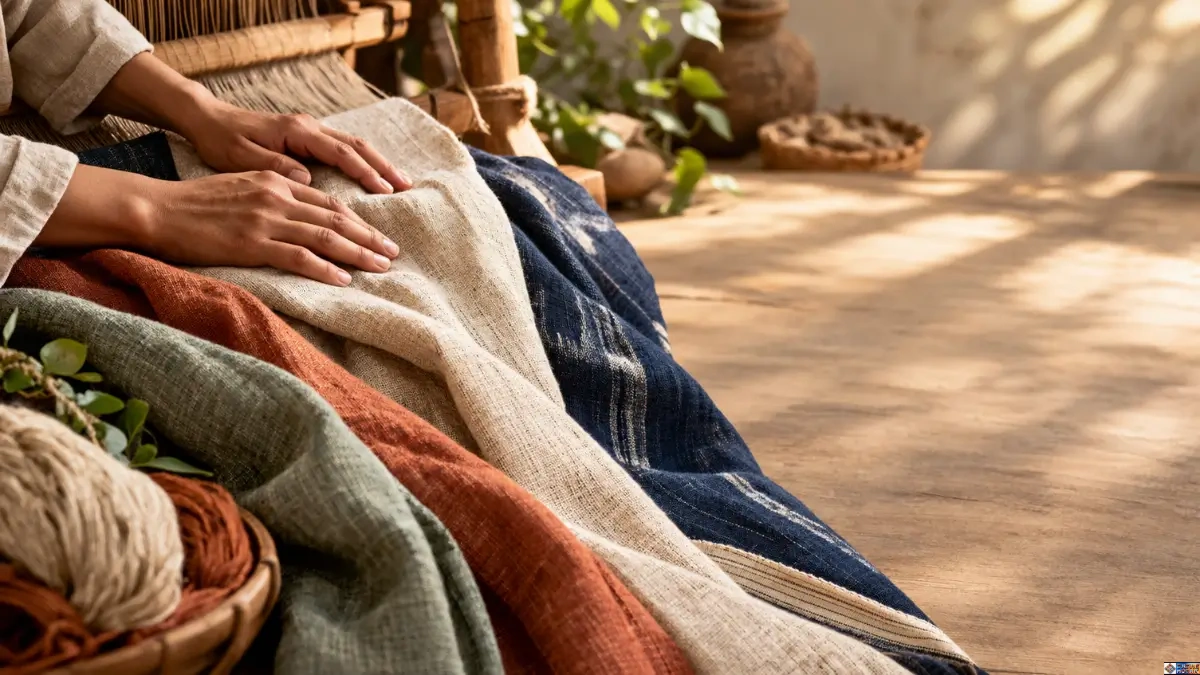
Why Modern Fashion Causes Sensory Overload (And How Your Skin Reacts)
Every day, urban environments submerge our bodies in an invisible flood of sensory friction: electromagnetic fields from mobile devices, high-frequency fluorescent lighting, and constant transit vibrations. Yet, the most continuous source of sensory stress rests directly against our skin—the body’s largest organ.
Modern fast fashion relies heavily on synthetic microfibers like polyester, acrylic, and nylon. While cheap to produce, these materials trap static electricity, restrict thermal regulation, and lack tactile variation. When wrapped in synthetic blends, your skin experiences what neuroscientists term “sensory silence”—a state where peripheral mechanoreceptors receive flat, artificial inputs, keeping the central nervous system in a subtle, low-grade state of alert.
If you have ever ended a long workday feeling mysteriously drained, irritable, or disconnected from your physical self, your wardrobe choices may be contributing to tactile dysregulation. Somatic textiles offer a direct solution by transforming everyday garments into personal, protective architecture.
How Textiles Interact With the Nervous System: The Haptic Science
Your skin contains roughly 17,000 individual mechanoreceptors trained to process physical touch:
- Meissner’s Corpuscles: Detect light touch, gentle breezes, and subtle surface shifts.
- Pacinian Corpuscles: Register deep pressure, weight, and structural vibrations.
- Merkel Discs: Respond to sustained tactile pressure and textured friction.
Activates Proprioception & Down-Regulates Cortisol
Parasympathetic Rest, Presence & Grounded Focus
When you wear high-friction, natural biogenic fibers, these receptors send a constant stream of grounding information to the brain. This activation supports proprioception—the body’s internal sense of its position in space. By leveraging tactile sensory fabrics and proprioceptive garments, you can down-regulate sympathetic fight-or-flight responses and encourage parasympathetic rest states without conscious effort.
What Is the Difference Between Standard Apparel and Somatic Textiles?
To understand how embodied textiles alter your physical state, compare standard synthetic fashion with somatic material design:
| Feature / Dimension | Standard Synthetic Apparel | Somatic & Embodied Textiles |
|---|---|---|
| Material Base | Petroleum synthetics (Polyester, Nylon) | Biogenic fibers (Raw Linen, Kibiso Silk, Alpaca) |
| Nervous System Effect | “Sensory Silence” & static build-up | Mechanoreceptor activation & proprioceptive grounding |
| Dye & Finish | Chemical fixatives & azo dyes | Therapeutic natural dyes & herbal decoctions |
| Thermal Dynamics | Traps sweat & heat unevenly | High-breathability microclimates |
| Design Philosophy | Ephemeral, fast-turnaround trends | Bio-Fabrics & Slow Luxury & mindful textile craft |
What Are the Three Master Traditions of Somatic Textiles?
Ancestral weavers across the globe developed somatic material culture long before modern neuroscience validated its mechanisms. Three distinct regional traditions demonstrate this material intelligence:
1. Japan: Kibiso Silk (The Cooling Breath)
Crafted from the rich outer casing of silkworm cocoons, Kibiso silk retains high concentrations of natural sericin protein. This texture creates exceptional moisture-wicking and thermal regulation. By maintaining a stable microclimate next to the skin, it reduces thermal stress on the nervous system during humid conditions.
2. The Andes: Alpaca Ponchos (The Earth Anchor)
Woven high in the Andes, traditional alpaca garments place deliberate, distributed weight across the shoulders and upper torso. This continuous, gentle pressure acts as a natural weighted blanket, anchoring the body during environmental turbulence or high stress.
3. India: Ayurvastra (The Medicinal Shield)
Derived from ancient Ayurvedic wellness practices, Ayurvastra involves steeping organic cotton fabrics in herbal decoctions like neem, turmeric, and indigo. The result is a slow-release natural textile that cools the skin, reduces inflammation, and offers a gentle sensory experience.
How Can You Apply Somatic Principles to Your Daily Wardrobe?
Integrating sensory clothing design and wearable sensory architecture into daily life does not require discarding your entire wardrobe. You can begin with targeted adjustments:
- Prioritize Primary Contact Layers: Wear raw linen, organic cotton, or peace silk closest to your skin to ensure pure tactile input.
- Use Heavy Outer Layers for Grounding: Choose boiled wool jackets or heavyweight hemp coats during high-stress activities or urban commutes to benefit from proprioceptive weight.
- Explore Mindful Textile Care: Steam natural garments with essential oils (such as vetiver or cedarwood) to create an olfactory anchor that reinforces physical presence throughout the day.
Material Spotlight: Biophilic & Regenerative Fibers
Exploring neuro-inclusive apparel design and Regenerative Textile Traditions bridges sensory wellness with environmental stewardship. Sourcing untreated fibers helps restore both ecological balance and individual nervous system regulation.
As broader lifestyle and cultural movements evolve—from historical revivals like Y2K Fashion or 2016 Fashion Trends High School to forward-looking forecasts in Fashion 2026—the emphasis is shifting from external visual statement toward internal sensory experience.
Understanding how historical crafts intersect with modern design helps illuminate broader cultural movements. To explore how traditional craftsmanship shapes contemporary style, read our guide on What is Heritage Fashion.
What exactly is a “somatic” textile?
A somatic textile is a natural or biogenic fabric chosen specifically for its measurable effect on the human nervous system. Unlike standard clothing designed solely for aesthetics, somatic textiles focus on how weight, surface texture, breathability, and natural fibers activate skin mechanoreceptors to promote psychological grounding and physical regulation.
How do textiles interact with the nervous system?
Textiles interact with the nervous system through skin mechanoreceptors (such as Merkel discs and Pacinian corpuscles). These receptors detect texture, friction, and pressure, sending signals directly to the central nervous system. Textured natural fibers stimulate these channels to encourage parasympathetic rest, whereas smooth synthetic fibers can leave the nervous system under-stimulated.
What are the best materials for somatic clothing?
The most effective materials include raw linen, organic hemp, wild peace silk, dense felted wool, and organic cotton dyed with therapeutic natural plants. These fibers offer rich tactile variety and support natural body temperature regulation.
How are textiles used in somatic therapy and art?
In therapeutic contexts, somatic textiles are applied as weighted wraps, textured sensory prompts, or compression garments to help individuals reconnect with physical sensations. In artistic disciplines, kinesthetic textile art uses tactile fabrics to create immersive environments that encourage mindful movement and body awareness.
Where can I learn more about material culture and traditional garments?
You can explore deep dives into global textile history, ceremonial garments, and traditional attire across our dedicated guides at Culture Mosaic, including articles on Culture and Fashion, Traditional Clothing Styles, and Ancient Ethnic Heritage Symbols.
Verifiable Academic References & Credible Sources
- Field, T. (2014). Touch Therapy in Human Health and Development. Touch Research Institute, University of Miami Miller School of Medicine.
- McGlone, F., Wessberg, J., & Olausson, H. (2014). Discriminative and Affective Touch: Sensing and Feeling. Neuron, 82(4), 737-755.
- Vanderbilt University Medical Center (2021). Sensory Integration and Proprioception in Occupational Therapy Interventions. Department of Hearing and Speech Sciences.
- The Textile Museum at George Washington University. Archival Records on Ayurvastra and Natural Medicinal Dyeing Traditions.
- International Journal of Fashion Studies (2023). Biogenic Fibers, Haptic Feedback, and Human Well-Being in Modern Urban Environments.