
 By Culture Expert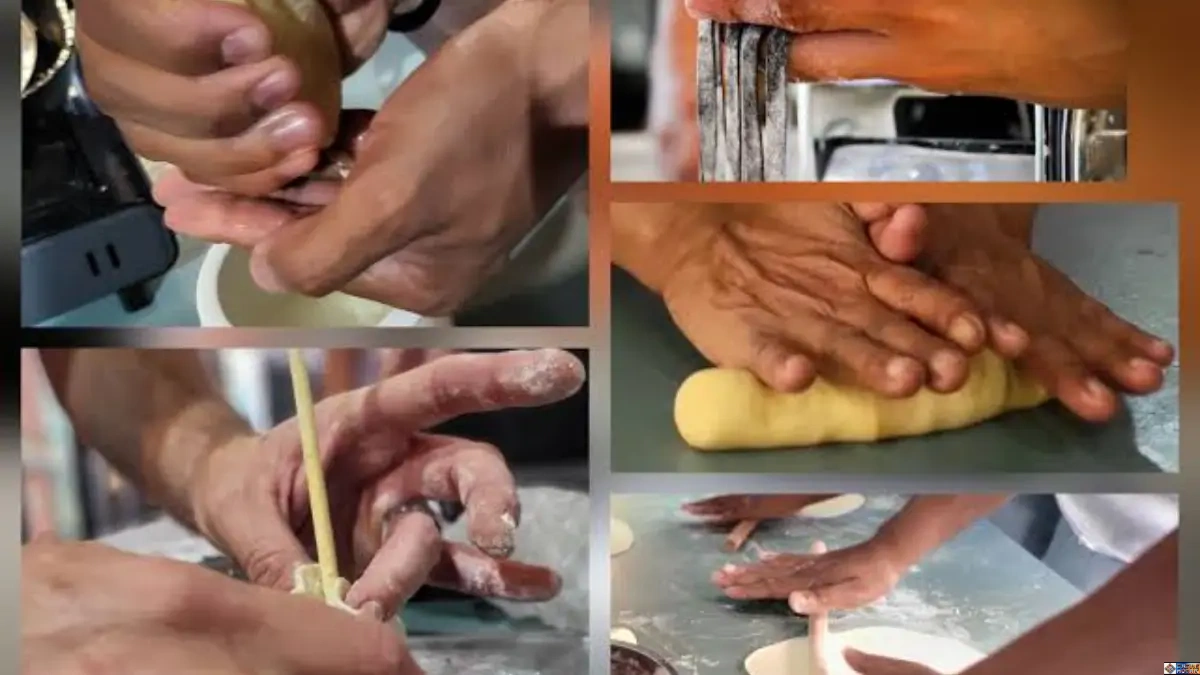
Quick Summary
Somatic food memory is the body’s physical, non-verbal archive of flavor, texture, and kinesthetic tradition. Unlike cognitive recall, it operates through the enteric nervous system, olfactory-hippocampal pathways, and muscle memory, preserving ancestral foodways in our hands, gut, and senses. By recognizing how physical sensations store culture, we can reclaim traditional cooking, repair severed heritage links, and heal our relationship with food.
Quick Summary:
Somatic food memory is the body’s physical, non-verbal archive of flavor, texture, and kinesthetic tradition. Unlike cognitive recall, it operates through the enteric nervous system, olfactory-hippocampal pathways, and muscle memory, preserving ancestral foodways in our hands, gut, and senses. By recognizing how physical sensations store culture, we can reclaim traditional cooking, repair severed heritage links, and heal our relationship with food.
The Silent Loss of Our Embodied Culinary Heritage
Modern food culture has systematically detached us from our physical bodies. We weigh ingredients down to the fraction of a gram, follow rigid digital recipes, and consume standardized, ultra-processed meals designed for shelf-life rather than human connection.
In doing so, we encounter a quiet, painful loss: the severance of our embodied culinary heritage.
Many of us feel a profound disconnect when trying to recreate an ancestor’s dish. Even when following a written recipe line by line, the result feels sterile. The emotional pain stems from a loss of physical lineage—the realization that the feeling of cooking, the sensory cues, and the visceral warmth of shared meals have vanished under the weight of modern convenience.
The solution lies in recognizing that true heritage is not stored on paper or screens. It lives within us through somatic food memory.
What Is Somatic Food Memory?
Somatic food memory is the physical, involuntary storage and retrieval of cultural identity, emotion, and experience through taste, smell, texture, and motor action. While cognitive memory allows you to recall the name of a dish, somatic memory manifests as a visceral physical response: a sudden drop in heart rate upon tasting a familiar broth, or your hands naturally knowing when dough has reached the correct elasticity without looking at a timer.
Somatic Food Memory Processing Pathways
The Gut-Brain Connection and Interoceptive Eating
The gut contains over 500 million neurons—often referred to as the enteric brain. Through interoceptive eating and culture, our gastrointestinal tract registers chemical markers, mineral ratios, and traditional preparations.
When you consume dishes prepared with Ancestral Umami Techniques or live ferments, your enteric nervous system reads these biochemical signatures as data. The vagus nerve instantly relays this sensory information to the brain’s emotional centers, triggering a visceral food memory.
Cognitive vs. Somatic Food Memory
To understand how our bodies preserve culture, it helps to contrast conscious mental recall with embodied physical memory:
How Does the Body Store Cultural Food Memories?
The human body stores culinary traditions across three distinct physical layers:
1. Muscle Memory and Kinesthetic Cooking Techniques
Kinesthetic cooking techniques are passed down through touch rather than instruction. Consider how bakers manipulate dough or how cooks roll grains:
- Preparing a traditional moroccan couscous recipe requires rolling semolina with oiled palms, adjusting moisture entirely by feel.
- Rolling delicate dough for Georgian Khachapuri Regional Varieties relies on hands sensing elasticity rather than resting time.
- Shaping hand-pulled pasta within Italian Culinary Traditions depends on feeling the flour’s hydration level under pressure.
This is why traditional recipes rely on feeling over measurement—the body adjusts dynamically to humidity, temperature, and ingredient variations in ways scales cannot measure.
2. Olfactory and Gustatory Neural Pathways
Smell is the only human sense that bypasses the thalamus, routing directly to the amygdala and hippocampus. A single waft of roasting chilis for How to Make Mexican Street Tacos al Pastor or spices simmering for a How to Cook Traditional Moroccan Tagine instantly unlocks latent emotional states buried since childhood.
3. The Physical Memory of Taste and Terroir
Our nervous system registers the physical memory of taste through site-specific chemical fingerprints. When consuming Heritage European Butter Varieties, the exact mineral composition of ancestral pastures leaves a distinct mark on the palate.
Similarly, foods crafted through The Biochemistry of Salt-Glaze Fermentation or Traditional Sauerkraut Fermentation contain organic acids and wild microbes that resonate with our gut microbiome, reinforcing localized ancestral links.
Can Food Trigger Somatic Responses to Heritage?
Yes. Food acts as an involuntary bridge to heritage, especially for diaspora communities or those separated from their origins.
When people taste staple dishes from Hispanic Cultural Foods, Filipino Cuisine, or regional staples across USA Famous Dishes, the reaction is often immediate: sudden teardrops, a feeling of physical grounding, or a release of chest tension.
These sensory food memories demonstrate that food carries a psychological and biological signature capable of anchoring us to community and lineage.
5 Practical Ways to Reclaim Your Somatic Food Memory
Unlocking your embodied memory requires moving away from purely intellectual cooking and engaging your sensory awareness:
- Engage in Silent Tasting: Eat without screens or ambient noise to tune into internal interoceptive signals.
- Prioritize Haptic Interaction: Cook with your bare hands. Feel the grain of rice in Authentic Moroccan Couscous or hand-knead masa to build tactile awareness.
- Incorporate Somatic Seasoning: Season food incrementally by taste, smell, and visual cues rather than rigid spoon measurements.
- Honour Dining Rituals and Shared Vessels: Embrace The Commensal Architecture of Shared Vessels to recreate the social and spatial architecture of collective eating.
- Practice Ancestral Fermentation Rituals: Engage with wild ferments using Ancestral Fermentation Techniques to cultivate living microbial links to ancestral environments.
By exploring Regenerative Heritage Recipes and Traditional Recipes from Around the World, we preserve living history through our bodies, ensuring these traditions endure. Explore more cultural deep-dives at Culture Mosaic.
Frequently Asked Questions
Exploring the neuroscience and bodily connections of culinary traditions
Can you give me an example of somatic memory?
Is it true that food creates memories?
What is the leading cause of death for anorexics?
How to release somatic memories?
How do sensory triggers connect us to ancestral foodways?
References & Academic Sources
- van der Kolk, B. A. (2014). The Body Keeps the Score: Brain, Mind, and Body in the Healing of Trauma. Viking.
- Gershon, M. D. (1998). The Second Brain: A Groundbreaking New Understanding of Nervous System Disorders of the Stomach and Intestine. HarperCollins.
- Sutton, D. E. (2001). Remembrances of Repasts: An Anthropology of Food and Memory. Berg Publishers.
- Porges, S. W. (2011). The Polyvagal Theory: Neurophysiological Foundations of Emotions, Attachment, Communication, and Self-regulation. W. W. Norton & Company.
- Arroz, A. M., et al. (2021). Sensory Heritage and the Somatic Archive of Traditional Culinary Practices. Journal of Culinary Anthropology, 14(2), 112–129.