
 By Culture Expert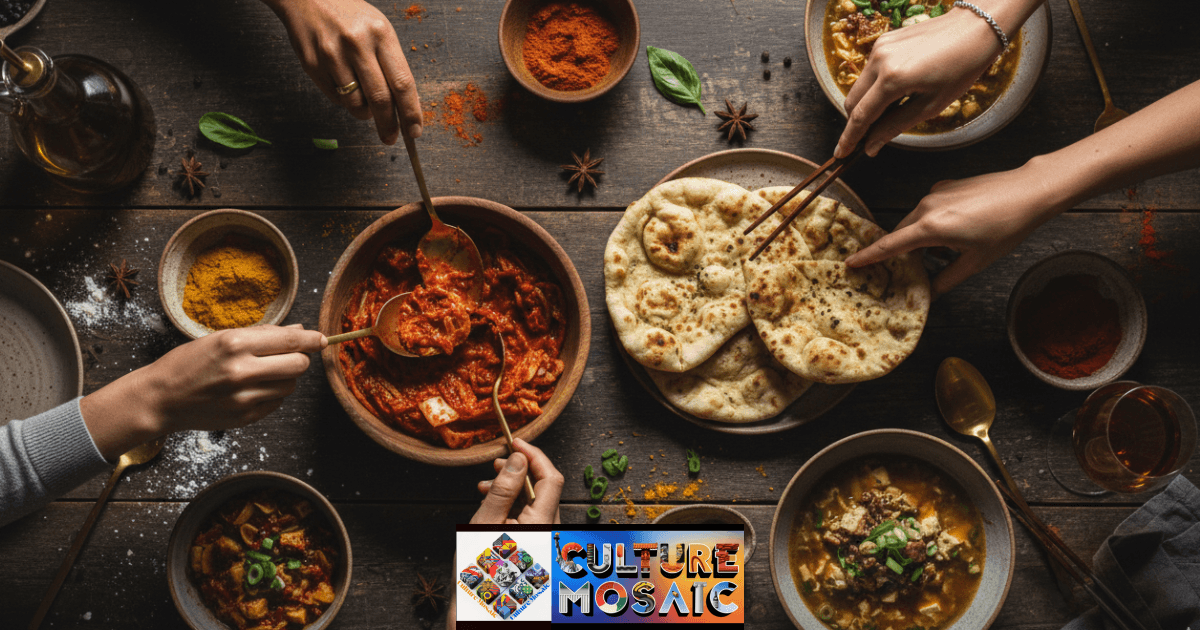
Beyond the menu, the way we gather creates a “Civic Room” that regulates our nervous systems and strengthens our shared stories.
In every society, dining rituals transform eating into a social act of meaning. Meals are never just about food. They are about how people gather, how they express belonging, and how communities reinforce identity through repeated shared behaviour. Whether through the ceremonial pouring of tea, the passing of bread, or the order in which guests are served, dining rituals shape the emotional architecture of communal life.
Anthropologists have long recognised that dining rituals serve as social frameworks. They regulate interaction, establish hierarchy, reinforce trust, and preserve cultural memory. In 2026, as daily life becomes increasingly digital and fragmented, these rituals are gaining renewed significance. Families, communities, and even hospitality brands are rediscovering the value of structured communal meals as a form of “social technology.”
The modern table has become what cultural theorists might call a Civic Room: a shared environment where repeated actions create psychological stability and strengthen social bonds. Through this lens, dining rituals are not old-fashioned customs. They are living systems that shape how humans connect.
For deeper perspectives on cultural traditions, explore culture mosaic.
Dining Rituals as Cultural Architecture
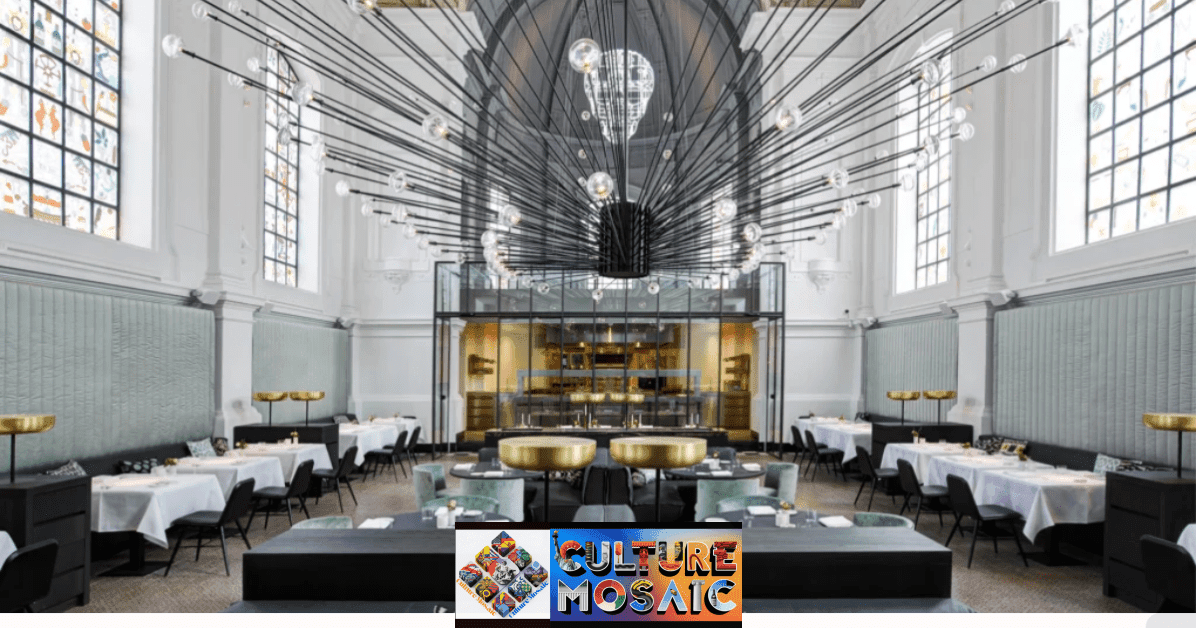
At their core, dining rituals provide structure. They define where people sit, how food is served, who speaks first, and what symbolic gestures accompany the meal. These repeated patterns create familiarity and reinforce cultural norms.
In anthropology, ritual is understood as patterned behaviour that carries shared meaning. Applied to meals, dining rituals transform nourishment into social participation. A shared table becomes a stage where respect, hierarchy, gratitude, and reciprocity are enacted in visible ways.
This is why mealtime customs vary across cultures but serve similar purposes. Across regions, dining rituals organise human interaction in ways that create trust and cohesion.
The Social Function of Dining Rituals
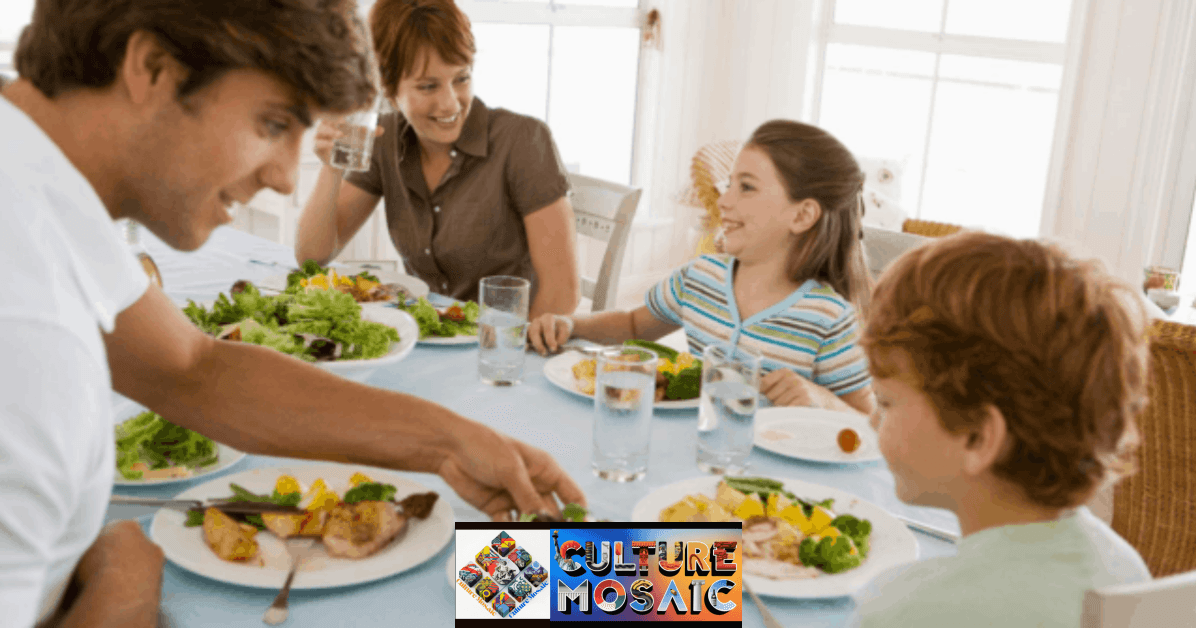
One of the most important functions of dining rituals is social bonding. Shared meals create structured moments where people exchange attention, conversation, and care.
Shared Meals Build Trust
Eating together establishes mutual participation. Everyone pauses daily activity to share a common experience. This rhythm of gathering helps build trust and familiarity over time.
Many societies rely on dining ritual to maintain family cohesion. Regular communal meals create predictable opportunities for storytelling, guidance, and emotional support.
Dining Rituals Reinforce Belonging
Every ritualised meal reminds participants that they are part of a shared social order. From ceremonial toasts to communal serving dishes, dining ritual signal inclusion.
This sense of belonging becomes especially important in modern life, where fragmented schedules often reduce face-to-face connection.
Somatic Seasoning: The Neuro-Gastronomy of Dining Rituals
One of the most powerful dimensions of dining rituals lies in their sensory impact. Rituals use repeated environmental cues to shape emotional states.
The Body Responds to Ritual
Lighting candles, setting the table, using heirloom cutlery, or waiting to begin together all provide sensory signals that tell the nervous system it is safe to slow down.
This process can be understood as Somatic Seasoning: the way textures, timing, and atmosphere deepen the emotional meaning of a meal.
In this way, dining ritual do more than organise behaviour. They regulate the body itself.
Learn more in Heritage Cooking Techniques.
The Geography of Dining Rituals
The design of the eating space affects how rituals unfold.
Circular Tables and Equality
Round tables, common in East Asia, promote shared access and balanced participation.
Long Tables and Continuity
Long communal tables, often found in Europe, symbolise lineage, solidarity, and collective protection.
Low Seating and Intimacy
Floor seating traditions in Middle Eastern and Central Asian cultures encourage relaxed conversation and extended storytelling.
These forms reveal how dining rituals are spatial expressions of cultural values.
Dining Ritual as Social Infrastructure
The dining table can be understood as a form of infrastructure that shapes social behaviour.
The Civic Room Effect
The table creates a temporary social environment where rules of respect and reciprocity are practiced.
Waiting until everyone is served, sharing dishes, and closing the meal with tea are simple dining rituals that cultivate patience and mutual regard.
Ritual vs Routine
| Feature | Ordinary Routine | Ritual (Social Technology) |
|---|---|---|
| Focus | Efficiency | Connection |
| Sensory Experience | Distracted | Intentional |
| Structure | Random | Patterned |
| Outcome | Consumption | Emotional Regulation |
This comparison shows how dining rituals turn ordinary meals into meaningful communal experiences.
See practical applications in No-Phone Dinner Guide.
Religious Meaning in Dining Rituals
Across religions, meals often carry sacred significance.
Blessings before meals, fasting periods, ceremonial feasts, and shared sacred foods all turn eating into a spiritual act. In these contexts, dining ritual connect the physical body to moral and communal identity.
Religious dining rituals also preserve continuity, linking generations through repeated symbolic acts.
Regional Expressions of Dining Rituals
Though the forms differ, the social purpose remains universal.
Mediterranean Hospitality
Meals emphasise generosity, abundance, and shared conversation.
East Asian Harmony
Rituals focus on order, balance, and mutual respect.
African Communal Dining
Shared platters emphasise unity and collective care.
Latin American Celebration
Meals blend hospitality with storytelling and festivity.
These examples show that dining ritual are adaptable while remaining socially essential.
Explore more in Ancestral Kitchen Rituals.
Why Dining Rituals Matter in 2026
As digital life accelerates, dining rituals are becoming more valuable. Many households now create “digital sunset dinners,” where devices are removed to restore conversation and attentiveness.
At the same time, heirloom tableware and shared recipes are gaining importance as symbols of continuity. These objects anchor dining ritual in memory and identity.
This return to intentional communal eating reflects a growing awareness that dining rituals provide emotional regulation, cultural stability, and belonging.
Explore evolving traditions in Modern Culinary Traditions and The Art of Fine Dining.
The Lasting Power of Dining Rituals
The enduring value of dining ritual lies in their ability to turn ordinary meals into social meaning. They regulate attention, create belonging, and reinforce the bonds that sustain communities.
Whether through shared bread, collective silence, or ceremonial hospitality, dining ritual remind us that eating together is one of humanity’s oldest forms of social connection.
To explore the emotional depth of dining ritual, consider the small actions at your own table. These gestures may seem simple, but they carry the power to create memory, trust, and identity.
For more on food heritage and memory, visit Heritage Flavors.
FAQ
What are dining rituals in a modern context?
In a modern context, dining rituals are “social technologies”—patterned behaviors like device-free thresholds, specific serving orders, or shared breaths. They transform a meal from simple caloric intake into a structured event designed for emotional regulation and community building.
How do dining rituals function as “Social Technology”?
They function as social technology by creating a “Civic Room”—a predictable environment that reduces social friction. By synchronizing the attention of every person at the table, these rituals foster trust and reciprocity through shared sensory experiences.
What is “Somatic Seasoning” in dining?
Somatic Seasoning refers to the use of sensory anchors—such as the weight of heritage cutlery, ambient lighting, and the rhythmic sequence of service—to regulate the nervous system. This biological shift prepares the body for both optimal digestion and deep social connection.
Why is phone-free dining a growing trend in 2026?
As digital saturation reaches its peak, “unplugged” dining has emerged as a luxury status symbol of presence. Phone-free rituals act as a “Digital Sunset,” allowing for a deliberate pause that restores the communal anchor in an otherwise fragmented world.
How can I implement a simple dining ritual at home?
The key is consistency over complexity. You can start by establishing a “Threshold Ritual,” such as lighting a single candle, a collective moment of gratitude, or a specific opening phrase. This signals a formal transition from the “work self” to the “communal self.”