
 By Culture Expert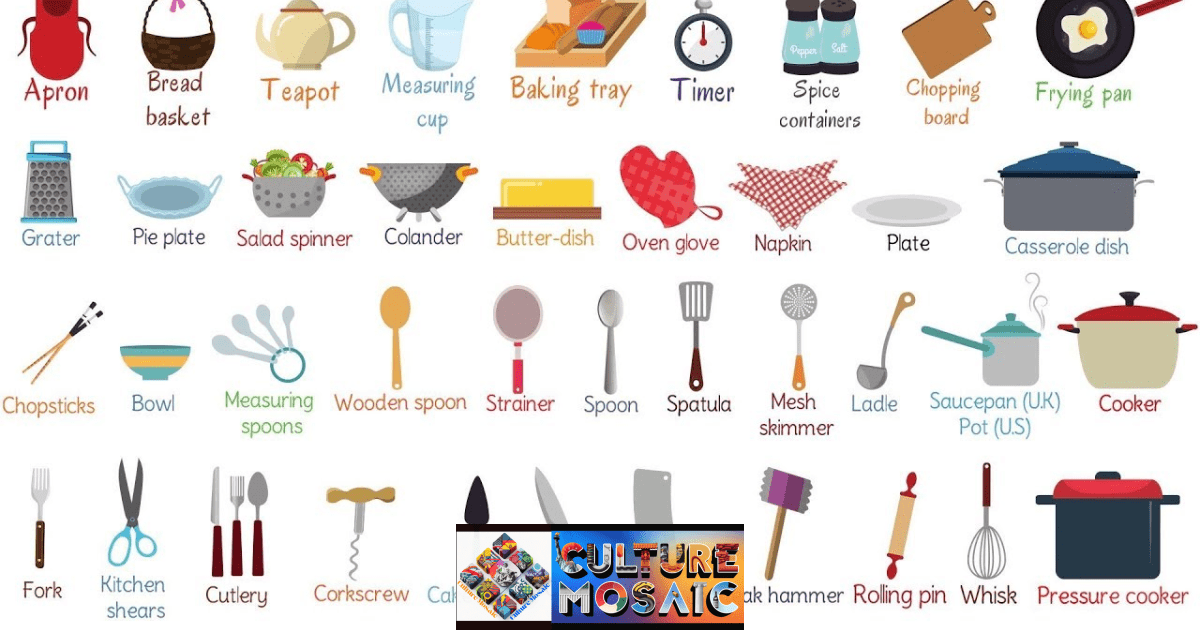
What is Considered Kitchenware?
Redefining the Tools of the Modern Table
From archival cast iron to the “new essentials,” we explore the boundary between functional utility and domestic art.
The Definition: Beyond the Pot and Pan
I’ve spent a career watching home cooks freeze in front of a sprawling retail display, unsure whether the bamboo steamer counts as a gadget or if that heavy stoneware pitcher belongs solely on a sideboard. The confusion is understandable. So let’s settle the baseline: What is considered kitchenware? It is the total collection of tools, vessels, and specialized equipment that facilitates food preparation, thermal cooking, presentation, and preservation. It is a much wider territory than most realize.
In my studio, we view this through four distinct provinces. Cookware is the heat-applied engine room: cast-iron skillets, enamelled Dutch ovens, and carbon-steel woks. Bakeware serves the oven-specific requirements: loaf tins, ramekins, and sheet trays. Prepware comprises everything used before the flame touches the ingredient: chef’s knives, heavy hardwood boards, and mixing bowls. Finally, serveware and storage are the unsung heroes. A well-chosen pitcher or a set of airtight glass jars isn’t just aesthetic; it is the essential infrastructure of a functioning kitchen.
The Modern Living Checklist: A Quick Category Guide
- Cookware: Pots, pans, skillets, woks, casserole dishes
- Bakeware: Sheet trays, loaf tins, ramekins, tart cases
- Prepware: Knives, boards, graters, zesters, mixing bowls
- Serveware: Platters, pitchers, sauce boats, serving spoons
- Storage: Glass jars, linen wraps, fermentation vessels, airtight containers
The 2026 Aesthetic: “Considered Warmth” in Tools
We’ve observed a massive shift in the last two years. The clinical, all-white kitchen—that decade-long obsession with sterile marble—now feels emotionally cold. The editorial team at culture mosaic has tracked a return to what I call “archival warmth.” We are looking for materials and pigments that feel pre-industrial and weighty. The tools on your counter should look as though they have already lived a hundred years and are ready for a hundred more.
Aged Brass: The Metal That Earns Its Patina
Brass measuring spoons and hooks shouldn’t stay shiny. Within months of use, aged brass develops a unique, living patina. It’s warm and serious, contrasting beautifully against rough-hewn wood. In my professional opinion, it is the premier material choice for small hardware in 2026.
Deep Terracotta: Earth on the Counter
Terracotta bread domes are having a massive resurgence. The material breathes, managing moisture in a way synthetic materials cannot. Its deep ochre-red hue is the perfect antidote to the flat greys that dominated the last decade of domestic design.
Muted Celadon: The Quiet Statement
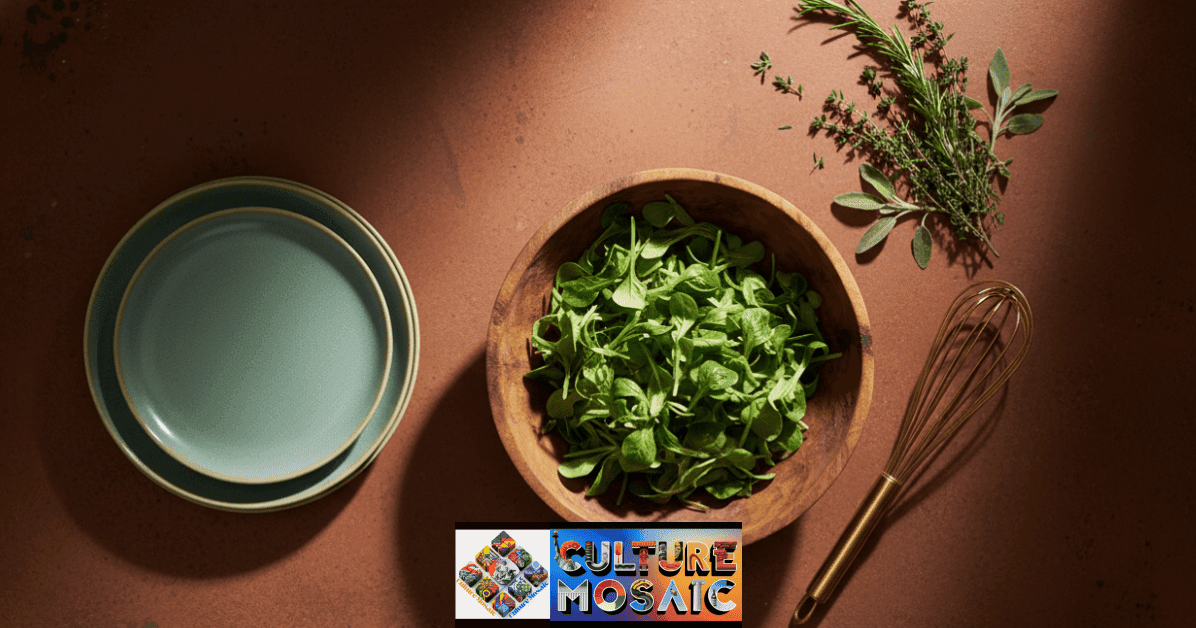
Celadon stoneware glazes, rooted in East Asian history, are being adopted for Western everyday tableware. It is a quiet sea-green that seems to recede into the background while making the vibrant colors of fresh produce pop. It is functional art at its best.
Visual note: Emphasise surface texture and subtle glaze variation under natural side lighting.
The “Civic” Kitchen: Kitchenware as Heritage
In my own kitchen, there is a cast-iron skillet that has seen over fifty years of service. It has been seasoned by thousands of meals, and that seasoned surface is superior to any modern chemical coating. It hasn’t just been bought; it’s been earned.
The Heirloom Factor: Why Old Cast Iron Beats New Anything
A 50-year-old skillet is a masterclass in physics. It holds thermal mass more evenly and improves with every single use. The most sustainable kitchenware is the piece you only have to buy once. This isn’t just sentiment; it’s a rejection of the “disposable” culture in favor of tools that outlast their owners.
Visual note: Focus on the contrast between the matte, seasoned iron and the smooth induction glass.
The most sustainable kitchenware is the piece you only have to buy once.
Kitchenware as Family Infrastructure
What you keep in your cupboards speaks volumes about your values. This resonance is found in the Modern American Lifestyle just as much as in European domestic traditions. A copper pot from a French market or a cast-iron comal passed down through generations are more than clutter; they are the physical ledger of a household’s history with food.
The “New Essentials” for 2026
As we move into smaller urban spaces and prioritize home-craft like fermentation, our definitions of “essential” tools are evolving.
The ‘Everything’ Pot: One Vessel, Five Jobs
Buying one exceptional heavy-based pot that can braise, fry, steam, and bake isn’t a compromise—it’s an edit. In an era of clutter, the multi-functional vessel is king.
Digital Precision: Scales That Look Like Objects
Modern scales made from brushed aluminium or stone resin are now countertop decor. For anyone serious about sourdough or coffee, these aren’t gadgets; they are precision instruments that earn their footprint.
The Compost Crock: Sustainability as Aesthetic
A beautiful countertop bin makes sustainability feel like a lifestyle choice. When paired with disciplined Kitchen Scraps Management, a stoneware crock turns a chore into a seamless ritual.
Planning Your Collection: The 80/20 Rule
I always tell my clients: 80% of your cooking is performed with 20% of your tools. Invest heavily in that core 20%, and be ruthless about the rest.
| The Core 20% — Invest Here | The Occasional 80% — Buy Sensibly |
|---|---|
| Chef’s knife and hardwood board | Pasta machine or pizzelle iron |
| Cast iron or stainless skillet | Formal silver serving platters |
| Set of nested mixing bowls | Specialist pastry tools |
| High-quality glass storage | Single-use plastic gadgetry |
Heritage Fermentation Vessels: The Wildcard Essential
A stoneware crock is a functional powerhouse for home pickling. If you are curious about the benefits of traditional methods, the Heritage Pickle Crocks guide provides a persuasive case. It is a purchase made for a lifetime.
Materials Matter
The choice of material dictates performance. Cast iron provides unmatched heat retention, copper offers instant precision, and stainless steel brings durability. Ceramic remains the most honest: earth, fire, and a glaze that tells a story. A kitchen built on these materials isn’t just more efficient; it is a more meaningful place to create.
Frequently Asked Questions
It is the collective term for all tools, vessels, and equipment used in the preparation, cooking, serving, and storage of food.
Traditional materials include cast iron, stainless steel, ceramic, and copper. 2026 trends emphasize aged brass and unglazed terracotta.
Absolutely. Any item used to present or serve food—from platters to pitchers—is a recognized subcategory of kitchenware.
Your Kitchen, Your Story
Which piece of kitchenware in your home carries the most meaning? Is it a modern tool or a family heirloom? Share your voice below.