
 By Culture Expert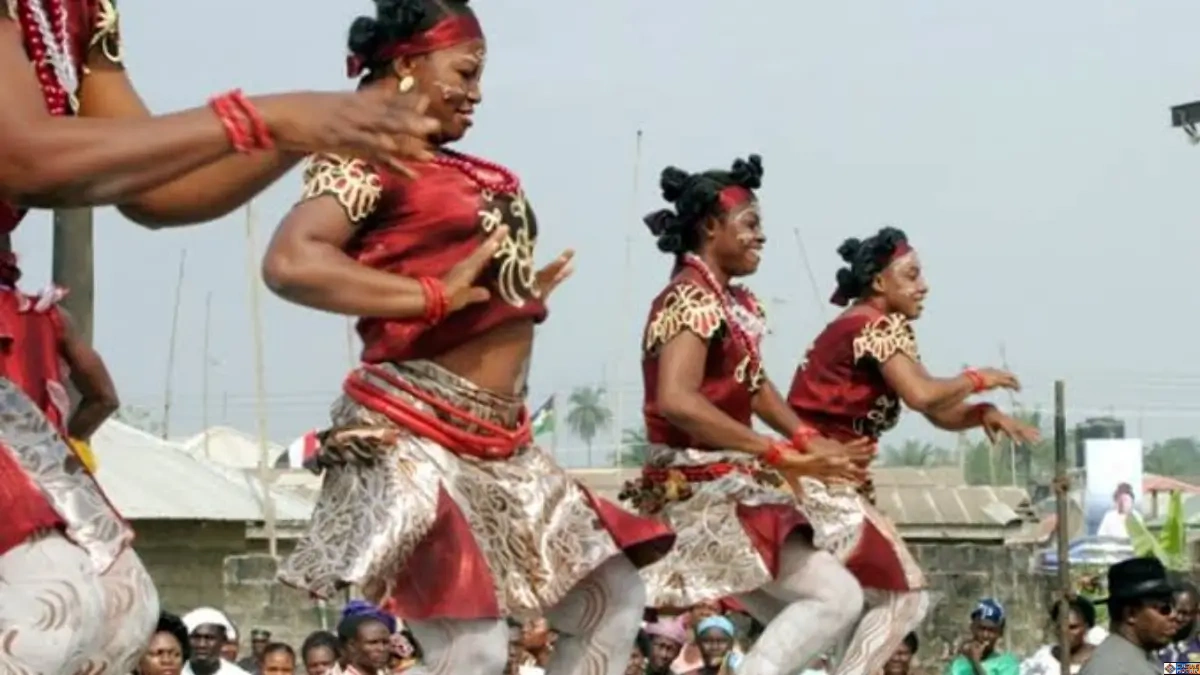
Quick Summary (Answer Block)
Somatic Heritage Practices are culturally rooted, body-centered traditions—ranging from ancestral movement and vocal rituals to tactile craft—that utilize natural, sensory-driven inputs to regulate the nervous system, release intergenerational trauma, and preserve living history through the physical body. By shifting focus from abstract memory to physical experience, these traditions offer a time-tested framework for discharging modern stress and reclaiming embodied cultural memory.
There is a quiet, pervasive crisis underlying modern life. It is not merely stress in the clinical sense, but a profound disconnect between a human nervous system evolved for texture, rhythm, movement, and physical community, and a daily existence dominated by frictionless glass screens in isolated, climate-controlled environments.
Many of us feel this separation as an inexplicable weight—a loss of cultural grounding, a constant low-grade physical tension, or an aching desire to feel connected to our roots. We intellectualize our lineage through history books and museum exhibits, yet our bodies remain caught in a state of chronic vigilance.
The solution lives inside your physical anatomy. Somatic Heritage Practices offer a biological and cultural bridge back to ancestral wisdom. By engaging with ancestral movement practices, traditional bodywork, and sensory rituals, we give our nervous system the exact inputs it has been seeking for generations.
As explored across Culture mosaic, culture is not just a collection of artifacts; it is a living, embodied experience.
What Does “Somatic” Mean in Simple Terms? (The “What”)
To understand cultural somatics, we must first demystify the core terminology. If you have ever wondered, what does “somatic” mean in simple terms?—it comes from the Greek word soma, which means “the living body.” Unlike abstract thoughts or intellectual concepts, anything “somatic” refers directly to internal physical perception and bodily experience.
In modern health, people often ask: what are the three main types of somatic therapy? Typically, clinicians categorize them into:
- Somatic Experiencing (SE): A body-oriented approach focused on discharging stored trauma energy from the autonomic nervous system.
- Sensorimotor Psychotherapy: A method combining somatic techniques with cognitive processing to resolve developmental and complex trauma.
- Applied Somatic Bodywork / Movement Therapies: Hands-on structural integration, breathwork, and movement disciplines (such as Feldenkrais, Laban, or dance movement therapy) designed to restore alignment and body awareness.
Figure 1: The Processing Pathway of Embodied Cultural Memory.
When we look at the history of somatics and the history of somatic therapy, modern clinical frameworks are largely formalizations of traditional somatic practices that communities executed intuitively for millennia. Long before clinical terms existed, societies relied on somatic bodywork and culture to maintain balance, process collective grief, and pass down non-verbal history.
The Science of Embodied Cultural Memory (The “Why”)
Why does your body respond so profoundly to traditional rituals? The answer lies in embodied cultural memory and collective somatic memory. Your autonomic nervous system and motor cortex retain non-verbal movement patterns, sensory triggers, and stress responses inherited across generations.
Intergenerational Trauma and Somatic Ancestral Healing
Trauma alters human physiology. When past generations experience severe displacement, war, or cultural erasure, the unresolved nervous system strain can manifest down the line as chronic physical bracing, hyper-vigilance, or a sense of detachment. Somatic Therapy for Intergenerational Trauma addresses these inherited stress loops directly through the body.
By engaging in ancestral healing rituals and ancestral healing through somatic practices, individuals access the implicit memory stored within muscle tissue and the nervous system. To explore clinical and somatic approaches to resolving generational wounds, read this guide on Somatic Heritage Practices.
When we utilize somatic tools inspired by ancient lineages, we engage in intergenerational trauma and somatic ancestral healing without needing to relive cognitive narrative trauma. The body completes the physiological stress responses that our ancestors were forced to suppress.
Global Expressions: How Ancestral Movement Preserves Cultural Identity (The “Where”)
Every culture across the globe developed specific bodily practices to maintain health, store lineage, and celebrate major life transitions. Understanding how ancestral movement preserves cultural identity reveals that these practices were never decorative—they were essential survival mechanisms.
- ├─ Traditional Dance
- ├─ Ceremonial Chanting
- └─ Rhythmic Breathwork
- ├─ Weaving & Embroidery
- ├─ Pottery & Clay
- └─ Physical Tool Work
- ├─ Thermal Baths
- ├─ Natural Lighting
- └─ Wood & Stone Design
Figure 2: The Core Pillars of Somatic Heritage Work.
1. Ritual Movement Traditions and Folk Dance
From the high-stepping footwork of European folk dances to West African polyrhythmic movement, traditional dance and movement as cultural memory served as physical archives. Folk dance and somatic awareness train the body in rhythm, spatial grounding, and group synchronization.
- Celtic & Gaelic Lineages: The energetic, grounded step work in celtic wedding traditions and customs and broader Irish Wedding Traditions served to connect dancers directly to the rhythms of the land.
- Mediterranean & Southern European Traditions: Community circle dances featured in Italian Wedding Traditions for Bride and traditional Mexican Wedding Traditions function as rhythmic co-regulation practices that unite entire extended families.
2. Indigenous Somatic Healing & Sacred Rhythms
Indigenous somatic healing centers around the deep relationship between human physiology, community, and the earth.
- In the Southeastern United States, ceremonial dance forms seen in Native American Cherokee Wedding Traditions and historical gatherings of the Red Clay Tribe Wedding Traditions utilized barefoot grounding, call-and-response chanting, and sacred fires to align participants’ nervous systems with community life.
3. Sacred Transitions and Ceremonial Bodywork
Major milestones, such as marriage, have always relied on somatic preparation. Looking closely at Marriage Rituals in Different Cultures Anthropology or studying What Traditions Are Common in Weddings reveals an array of somatic elements—anointing with oils, ritual bathing, hands-on adornment, and prolonged rhythmic procession.
- Historical Ceremonial Washing: In Ancient Roman Wedding Traditions and the specific Roman Wedding Night Ritual, thermal baths, herbal oils, and specific garment draping were used to transition the bride’s physical state from everyday life into a sacred threshold.
- Sacred Adornment & Attire: The physical weight, texture, and tactile touch of wearing ceremonial garments—whether exploring historical roots in What Are Christian Wedding Traditions, dynastic European customs in Crown Family Wedding Traditions, or contemporary designs in Modern Cultural Wedding Dresses—act as a physical anchor. The physical presence of heritage garments grounds the wearer in their lineage, making Best Wedding Traditions Worldwide and general Cultural Marriage Traditions inherently somatic events.
4. Embroidery and Craft as Embodied Heritage
Tactile crafts represent a form of slow, repetitive somatic meditation. Embroidery and craft as embodied heritage demonstrate how fine motor resistance, repetitive rhythm, and natural fibers engage proprioceptive pathways, reducing stress hormones while embedding cultural motifs into physical artifacts.
Practical Application: How to Integrate Somatic Heritage Today (The “How”)
You do not need to alter your modern lifestyle completely to benefit from these traditions. You can integrate these principles into your daily routines using accessible techniques.
1. Daily Somatic Grounding Practice
A somatic grounding practice helps bring an overstimulated mind back into physical reality.
- Barefoot Earth Contact: Spend 5–10 minutes walking barefoot on natural soil, stone, or grass. Pay attention to the texture and temperature underneath your feet.
- Tactile Material Contact: Handle raw clay, stone, or untreated wood. The resistance of real materials engages sensory receptors that smooth glass screens ignore.
2. Connecting to Roots Through Somatic Breathwork
Connecting to roots through somatic breathwork and vocalization relies on the role of somatic practices in traditional healing.
- Vocal Humming & Resonance: Traditional chanting and vocal humming stimulate the vagus nerve via the vocal cords, lowering heart rate and improving heart rate variability (HRV).
- Rhythmic Diaphragmatic Breathing: Breathe in for a count of 4, hold for 2, and exhale with an audible hum for 6 counts. Repeat for 5 minutes to shift out of a fight-or-flight response.
3. Environment and Spatial Alignment
Your physical home environment plays a central role in sensory regulation. By utilizing Somatic Home Design, you can curate living spaces with natural lighting cycles, raw stone, warm woods, and open spaces. Furthermore, pairing this with Mnemonic Landscape Analysis allows us to understand how geographical features, outdoor spaces, and cultural landscapes imprint upon human memory and physical movement.
Exploring Somatic Mythwork
If you are wondering what is somatic mythwork?—it is a specialized practice that combines storytelling, ancestral mythology, and physical somatic movement. Rather than simply reading an ancient myth as a literary exercise, somatic mythwork encourages practitioners to act out, embody, and feel the underlying archetypes within their muscles, breath, and posture. This process allows deep-seated emotional states to be processed safely through narrative expression.
Frequently Asked Questions
1. What are somatic techniques, and how do they differ from basic exercise? +
2. What are some examples of Somatic Experiencing practices found in traditional rituals? +
- Tremoring / Shaking Rituals: Traditional trance dances where participants allow spontaneous bodily shaking to discharge excess adrenaline and nervous system tension.
- Bilateral Auditory Stimulation: Rhythmic, alternating drumbeats used in shamanic and communal rituals to process emotional distress and synchronize brainwaves.
- Thermal Exposure: Alternating between hot saunas/sweat lodges and cold plunges to reset autonomic nervous system tone.
3. How do somatic heritage practices help with intergenerational trauma? +
4. Do I need to belong to a specific culture to practice these methods? +
5. How quickly can I expect to feel results from somatic grounding? +
References & Verifiable Citations
- Van der Kolk, B. A. (2014). The Body Keeps the Score: Brain, Mind, and Body in the Healing of Trauma. Viking Press.
- Menakem, R. (2017). My Grandmother’s Hands: Racialized Trauma and the Mending of Our Hearts and Bodies. Central Recovery Press.
- Hanna, T. (1988). Somatics: Reawakening the Mind’s Control of Movement, Flexibility, and Health. Da Capo Press.
- Levine, P. A. (2010). In an Unspoken Voice: How the Body Releases Trauma and Restores Goodness. North Atlantic Books.
- Journal of Anthropological Archaeology. Embodied Cultural Memory and Material Culture in Traditional Societies. Vol. 42, pp. 112–128.
- International Journal of Psychophysiology. Autonomic Nervous System Responses to Natural Materials and Tactile Resistance. Vol. 115, pp. 45–53.