
 By Culture Expert
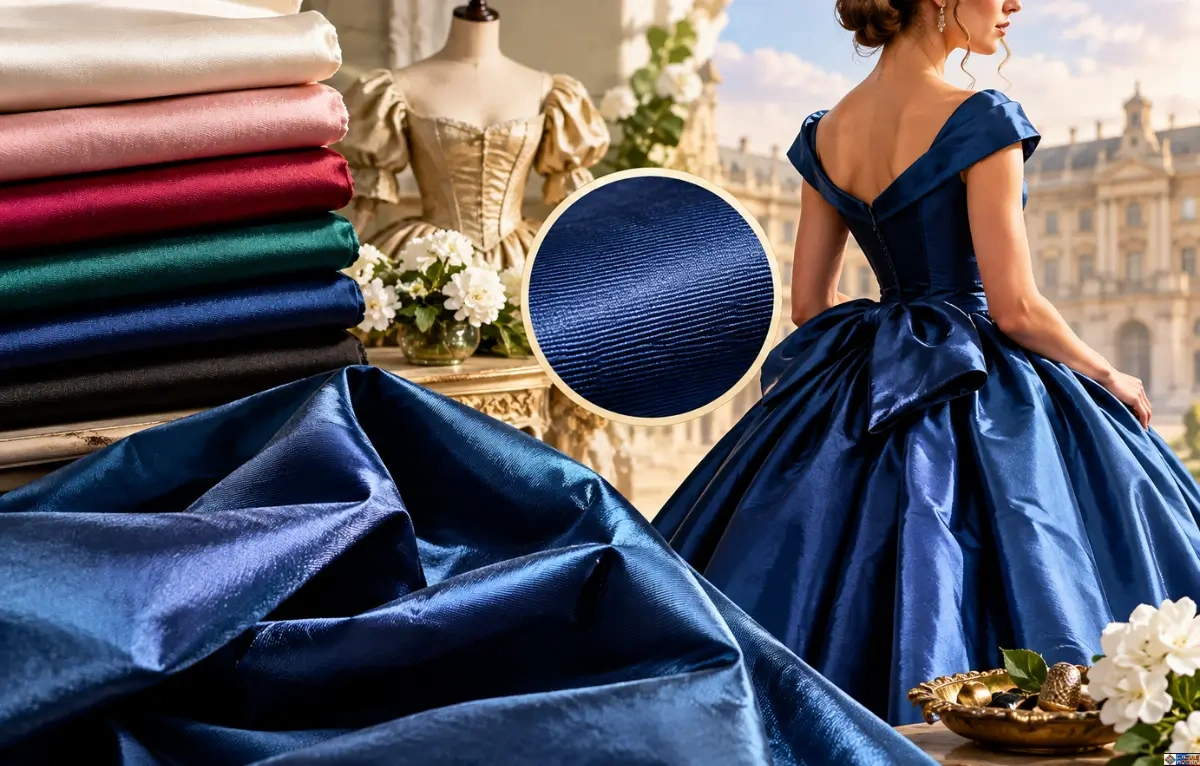
Quick Summary: Taffeta Fabric at a Glance
- What it is: A smooth, crisp, plain-weave fabric with a fine crosswise rib and a signature rustle. It is woven tightly from silk or from synthetic filaments such as polyester or nylon.
- What it feels like: Cool, smooth and slightly stiff. It holds shape rather than draping, so it stands away from the body in bows, skirts and sleeves.
- Why it matters: For centuries it has been the fabric of volume and ceremony, from court gowns to ballgowns and bridal skirts.
- Is it expensive? Silk taffeta sits at the premium end. Polyester taffeta is far more affordable and is the common choice for dresses, linings and curtains. Prices vary by weight, finish and supplier, so compare current listings.
- Biggest weakness: It creases visibly and can show permanent water marks (silk especially), so care matters.
The Problem: You Love the Look, but the Word “Taffeta” Is Confusing
You are standing in a fabric shop, or scrolling a bridal website, and the word keeps appearing: taffeta. One listing says silk. Another says polyester. One swatch is shiny and smooth, another looks faintly slubbed, a third seems to ripple like water.
If that sounds familiar, you are not alone. Taffeta is one of the most misunderstood fabrics in the textile world. People often confuse it with satin (which is glossy and fluid), organza (sheer and wiry) or dupioni (textured and irregular). Pay the wrong price, choose the wrong type, or wash it the wrong way, and the result can be a limp skirt or a ruined hem.
The good news: once you understand three things (how it is woven, what it is made from and how it was finished), you can read almost any taffeta listing with confidence. Let’s start with the story.
What Type of Fabric Is Taffeta?
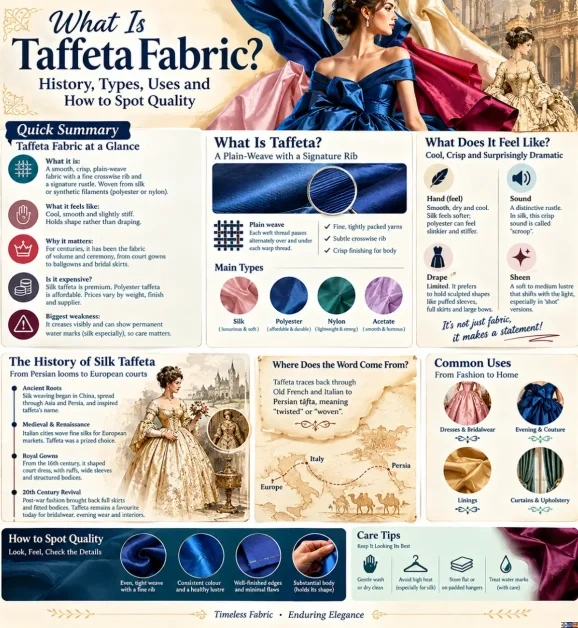
Taffeta is a plain-weave fabric. In a plain weave, each weft (crosswise) thread passes alternately over and under each warp (lengthwise) thread. That is the simplest weave there is. What makes taffeta special is how it is made:
- Fine, tightly packed yarns create a dense, smooth surface.
- A subtle crosswise rib appears because the warp and weft are of different thicknesses or densities.
- Crisp finishing gives the cloth body, so it holds a shape.
Traditionally taffeta was made from silk. Today, polyester and other synthetics dominate the market, and acetate and nylon versions also exist.
Where does the word come from?
Dictionaries trace taffeta back through Old French and Italian to Persian tāfta, meaning something like “twisted” or “woven” (see Merriam-Webster and the Oxford English Dictionary in the sources below). It is a reminder that the fabric’s story runs along the old trade routes between Asia and Europe, not just through European courts.
What Does Taffeta Fabric Feel Like?
Picture holding a sheet of very fine, cool paper that happens to be made of cloth.
- Hand (feel): Smooth, dry and cool to the touch. Silk taffeta feels slightly softer and more alive. Polyester taffeta can feel a little slicker and stiffer.
- Sound: A distinctive rustle. In silk, this crisp sound is traditionally called scroop, a prized quality in fine silks.
- Drape: Limited. It prefers to hold sculpted shapes like puffed sleeves, full skirts and large bows.
- Sheen: A soft to medium lustre that changes with the light, especially in “shot” versions where warp and weft are different colours.
That last point is why taffeta looks so dramatic on a staircase or a stage. It catches light in folds and seems to shift colour as the wearer moves.
The History of Silk Taffeta Fabric
From Persian looms to European courts
Silk weaving began in China and spread along trade routes through Central Asia and Persia to the Mediterranean. Taffeta’s name and early identity link it to this exchange. By the medieval and Renaissance periods, Italian cities were weaving fine silks for European markets, and taffeta was among the lighter, crisper options.
Taffeta in historical fashion and royal gowns
From the sixteenth century onward, European court dress became increasingly architectural, with ruffs, farthingales, wide sleeves and structured bodices. A fabric that held its shape without heavy weight was ideal. Taffeta is frequently recorded in surviving garments and in costume histories of the period, and major museum collections such as the Victoria and Albert Museum and the Metropolitan Museum of Art hold examples of silk dress from the eighteenth and nineteenth centuries that show how crisp silks were cut and trimmed.
In the eighteenth century, wide-skirted gowns (the robe à la française and its relatives) used crisp silks to carry great expanses of cloth over hoops. In the Victorian era, taffeta served the crinoline age and the bustle age, where volume was the whole point.
Twentieth-century revival
Post-war fashion brought back full skirts and fitted bodices. Taffeta became a staple of cocktail dresses, ballgowns and bridesmaid dresses, and the arrival of polyester brought the fabric to a much wider audience. If you have ever worn a prom dress or a bridesmaid gown that rustled when you walked, there is a good chance it was taffeta. For more on how past decades echo in what we wear now, see our features on Y2K Fashion and 2016 Fashion Trends High School, or explore Culture and Fashion more broadly.
Characteristics of Traditional Taffeta Weave
| Feature | What it means |
|---|---|
| Weave | Plain weave (over-one, under-one) |
| Yarns | Fine filament yarns; warp usually finer and denser than weft |
| Surface | Smooth, with a faint crosswise rib |
| Hand | Crisp, dry, cool |
| Sound | Characteristic rustle (scroop in silk) |
| Drape | Stiff to medium; holds volume |
| Weakness | Creases, snags and, in silk, water spotting |
The contrast between warp and weft is what gives taffeta both its crispness and its changeable colour effects.
Types and Variations of Taffeta
Not all taffeta is the same. Here are the main variations you will meet when shopping or researching.
1. Plain (crisp) taffeta. The standard version: smooth, tightly woven and crisp. Used for dresses, linings and decor.
2. Shot (changeable) taffeta. Warp and weft yarns are different colours, so the cloth appears to shimmer between two shades depending on the light. A favourite for dramatic eveningwear.
3. Paper taffeta. A lightweight, very crisp version that feels like paper. Used for linings, petticoats, ruffles and trimmings.
4. Moiré taffeta. The fabric is pressed between rollers (calendering) to create a watermark-like, wavy pattern. It looks elegant but the pattern can flatten with moisture or heavy pressing.
5. Antique taffeta. Woven with slightly irregular, slubby yarns for a textured, vintage character. Similar in spirit to dupioni.
6. Stretch taffeta. Modern blends with elastane add comfort and ease of fit, though they sacrifice some of the traditional crispness.
Silk Taffeta vs Polyester Taffeta: Key Differences
This is the question that matters most for quality and budget. Here is a practical comparison.
| Feature | Silk taffeta | Polyester taffeta (taffeta fabric polyester) |
|---|---|---|
| Fibre origin | Natural protein fibre | Synthetic petroleum-based fibre |
| Feel | Softer, more nuanced, breathable | Smoother, slicker, can feel warmer |
| Lustre | Rich, subtle, depth of colour | Often brighter and more uniform |
| Durability | Strong fibre, but sensitive to water, perspiration and light | Resistant to wrinkling better than silk, stronger against moisture and sunlight |
| Care | Usually dry clean; water can leave marks | Often gentle wash or spot clean (check the label) |
| Cost | Premium | Budget-friendly |
| Best for | Heirloom gowns, couture, heritage reproduction | Everyday occasion wear, costumes, curtains, decor |
| Sustainability | Natural and biodegradable, though production is resource-intensive | Durable but derived from fossil fuels and sheds microfibres |
A quick way to tell them apart: the burn test
Textile educators commonly teach the burn test for fibre identification. If you have a small loose thread or an offcut, and you take proper safety precautions (a small piece, held with tweezers, over a fireproof dish and away from anything flammable):
- Silk burns slowly, smells like burning hair, and leaves a soft ash that crumbles when pinched.
- Polyester melts, shrinks away from the flame and leaves a hard, glassy bead with a chemical smell.
If you are not comfortable doing this, ask the seller for the fibre content in writing instead.
Is Taffeta an Expensive Fabric?
It depends on what it is made of.
- Silk taffeta is generally considered a luxury fabric because of the cost of silk fibre and the skill involved in weaving and finishing it.
- Polyester taffeta is among the more affordable occasion fabrics, which is why it is so common in bridesmaid dresses and costumes.
Rather than quote prices that change constantly, here is how to judge taffeta fabric price sensibly:
- Check the fibre content (silk, polyester, acetate or a blend).
- Check the width. Wider cloth means less waste for full skirts.
- Check the weight and finish (paper, moiré, shot and so on).
- Compare per-metre prices across several suppliers.
If you are comparing options, you can browse a current range of Taffeta Fabric and check each listing’s fibre content, width and care instructions before buying.
Taffeta Fabric Dress: Why Designers Still Reach for It
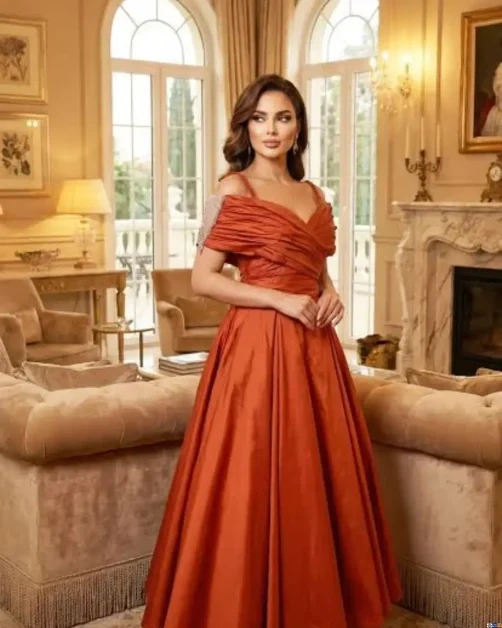
A taffeta fabric dress does something few other fabrics can: it creates drama with very little weight. Designers use it for:
- Ballgowns and full skirts
- Cocktail dresses with structured shapes
- Bridesmaid dresses
- Bows, sashes, puffed sleeves and peplums
- Theatrical and historical costume
Tip for wearers: line the dress. Because taffeta is crisp and can feel scratchy against bare skin, a soft lining makes a big difference to comfort.
What Is a Taffeta Wedding Dress?
A taffeta wedding dress uses taffeta (silk or synthetic) for the skirt, bodice or both. It is chosen for its structure, rustle and ability to hold a full, sculpted silhouette without heavy layers.
Strengths for brides:
- Holds a full ballgown shape
- Crisp and formal in photographs
- Wide colour range, from ivory to jewel tones
Things to think about:
- It creases easily, so plan how you will travel and sit
- Silk taffeta may show water marks
- It rustles with every step, which some brides love and some find noisy
Bridal clothing is full of meaning beyond fabric. To explore the symbolism behind what brides wear around the world, read about traditional wedding dress symbolism, Traditional Wedding Dress Cultural Meaning, cultural wedding dress motifs and Why Wedding Dresses Are White. For today’s looks, see What Wedding Dresses Are in Style, Latest Trends in Bridal Wear and Modern Cultural Wedding Dresses.
Global bridal traditions using structured silks
Around the world, brides have long chosen crisp, lustrous silks to mark the occasion, although the colours, cuts and meanings differ widely from culture to culture. If you want the bigger picture, our guides to Global bridal wear traditions and multicultural wedding attire are good places to continue.
Budget and practical questions
If you are planning a wedding on a budget, our guides to How Much Are Wedding Dresses UK?, Affordable Wedding Dresses Europe, Where Can I Rent Wedding Dresses and Plus Size Wedding Dresses can help. For bolder styles, see Best Sexy Wedding Dresses.
Taffeta Fabric for Curtains and Home Decor
Taffeta is not only for fashion. Taffeta fabric for curtains is a popular choice because it:
- Holds crisp pleats and swags
- Looks formal and elegant
- Comes in many colours
- Is available in polyester versions that resist fading better than silk
For window treatments, polyester taffeta is usually the practical option. Silk taffeta can be damaged by prolonged sunlight, so it is better kept for interiors away from strong light.
If you enjoy decorating with textiles, you might also like our look at Wall Hanging Fabric.
How to Assess Taffeta Quality Before You Buy
Here is a simple checklist, whether you are shopping online or in person.
- Check fibre content. Silk, polyester, acetate and blends behave very differently.
- Request a swatch. Colours and sheen look different on screen. A swatch lets you see the rustle, feel the crispness and test creasing.
- Do the scrunch test. Squeeze a corner in your fist for a few seconds. Heavy, deep creasing means more pressing and care.
- Look at the weave. Gaps, uneven threads or a see-through look suggest a lower-grade cloth (unless it is deliberately antique-style).
- Check the selvedge and width. Clean selvedges and consistent width suggest careful production.
- Read the care label. If it says dry clean only, believe it.
- Ask about flame-retardant status if you are buying for public or commercial curtains.
How to Care for Taffeta
- Silk taffeta: Dry clean, and avoid water and perspiration marks. Test any spot-cleaning on a hidden area first.
- Polyester taffeta: Follow the care label. Many pieces tolerate gentle cool washing, but heat can cause permanent creases or glazing.
- Ironing: Use low heat, a pressing cloth and no steam on silk. Press on the reverse side.
- Storage: Hang gowns on padded hangers inside breathable garment bags. Avoid plastic for long-term storage of silk.
- Travel: Roll tissue paper into the folds of full skirts to reduce hard creases.
Taffeta and the Wider World of Heritage Textiles
Taffeta’s story fits into a bigger conversation about how we value fabric, craft and origin. If this topic fascinates you, explore What is Heritage Fashion, Regenerative Textile Traditions, Geographic Fingerprinting of Heritage Fibers, Somatic Textiles, Traditional Clothing Styles, Ancient Ethnic Heritage Symbols and Poetcore Heritage Fashion. For what is coming next, see Fashion 2026 and Colour of the Season 2026.
Your Next Step
Taffeta rewards the people who choose it with care. Before you commit to a dress, a bridal skirt or a set of curtains, do three things today:
- Decide whether you need the heritage feel of silk or the practicality of polyester.
- Order swatches and test them for rustle, crispness and creasing.
- Check the care label before you fall in love with the colour.
Good fabric choices are easy to make once you know what to look for, and rushing them is the most common reason people end up disappointed. Take a little time, and you will end up with something you love for years.
When selecting materials for structured couture and formalwear, taffeta dress fabric remains an unmatched choice for couturiers, custom sewers, and fashion houses alike. Among the wide array of taffeta dressmaking fabrics, luxurious taffeta silk fabrics stand out for their subtle luster, light-catching depth, and iconic “scroop” rustle, making them ideal for sculpted ballgowns, pleated skirts, and dramatic architectural bows. Whether you choose rich natural silk for heirloom gowns or durable synthetic blends for contemporary eveningwear, high-quality taffeta delivers clean structure, crisp folds, and an instantly elevated silhouette.
Frequently Asked Questions About Taffeta Fabric
1. What type of fabric is taffeta?
Taffeta is a crisp, smooth plain-weave fabric made from fine silk or synthetic filament yarns such as polyester, nylon or acetate. The tight weave and the difference between warp and weft yarns create a faint crosswise rib and the fabric’s signature rustle. It is used mainly for formalwear, linings, costumes and home decor.
2. What does taffeta fabric feel like?
Taffeta feels smooth, dry and cool, a little like fine paper in cloth form. It is crisp rather than flowing, so it stands away from the body. Silk taffeta tends to feel softer and more nuanced, while polyester taffeta is often slicker and a little stiffer. Many people find it slightly scratchy against bare skin, which is why dresses are usually lined.
3. Is taffeta an expensive fabric?
It can be, but it does not have to be. Silk taffeta is a premium fabric because of the fibre and the weaving skill involved. Polyester taffeta is much more affordable and widely used. The price you pay depends on fibre content, width, weight and finish, so compare several suppliers and always check the specification before buying.
4. What is a taffeta wedding dress?
A taffeta wedding dress is a bridal gown made partly or wholly from taffeta. It is chosen when the bride wants a structured, full silhouette, such as a ballgown skirt or sculpted sleeves, with a formal, luminous finish. Because taffeta creases and rustles, brides should plan for careful transport, lining and storage.
5. Can taffeta be used for curtains, and how do I care for it?
Yes. Polyester taffeta is a popular choice for formal curtains because it holds pleats and resists fading better than silk. Silk taffeta is better suited to rooms with limited direct sunlight. For care, follow the label: silk generally needs dry cleaning, while polyester may tolerate a gentle wash. Always use low heat and a pressing cloth when ironing.
Sources and Further Reading
Please verify each link and add specific page URLs from your preferred sources before publishing, as museum and dictionary pages are updated regularly.
- Merriam-Webster Dictionary, entry for “taffeta” (etymology and definition): https://www.merriam-webster.com/dictionary/taffeta
- Encyclopaedia Britannica, entry for “taffeta”: https://www.britannica.com/topic/taffeta
- Oxford English Dictionary, entry for “taffeta” (etymology and earliest recorded uses): https://www.oed.com/
- Victoria and Albert Museum, Fashion and Textiles collections (historical silk dress examples): https://www.vam.ac.uk/
- The Metropolitan Museum of Art, Costume Institute collection (eighteenth and nineteenth century silk garments): https://www.metmuseum.org/
- Textile fibre identification guidance (burn test) from university textile departments, for example Cornell University’s fashion and textile resources: https://www.cornell.edu/
- Collins, Joyce, and Charles Kowalski and others, standard textile references such as Fairchild’s Dictionary of Textiles (for taffeta definitions and variations).