
 By Culture Expert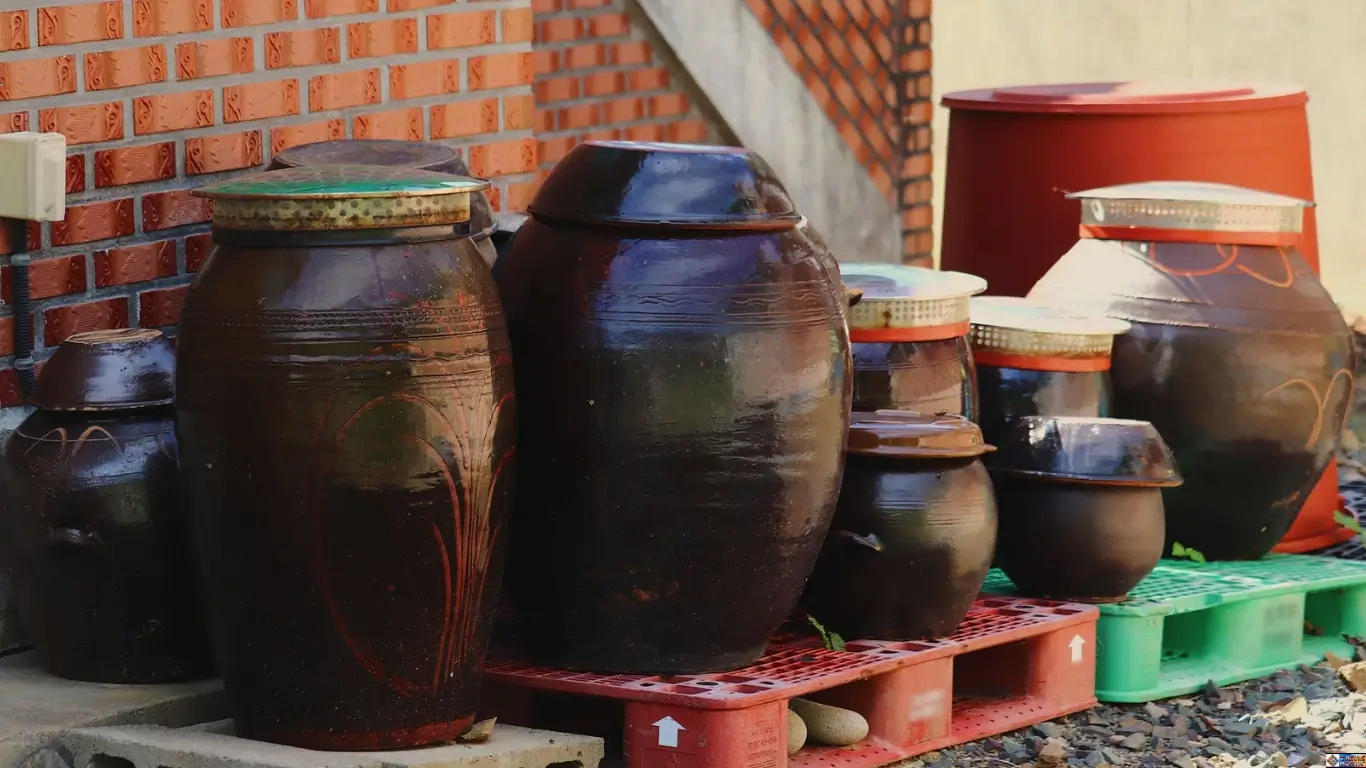
The Problem: The Loss of Living Food
We live in an age of hyper-sterilization. Ultra-processed foods, chemical preservatives, and monoculture commercial yeasts have severed our connection to living microbial environments. Modern industrial processing prioritizes shelf stability over biological vitality, reducing complex microbial communities to single, laboratory-cloned strains.
As a result, we have grown fearful of wild microbes, mistaking the natural process of living transformation for decay. This loss impacts more than flavor; it strips our diets of diverse microflora, degrades gut health, and dissolves the deep cultural heritage embedded in traditional food preparation.
Reconnecting with Ancestral Fermentation Rituals provides a direct solution. By stepping back into these seasonal, hand-crafted practices, we revive lost Ancestral Fermentation Techniques, restore beneficial diversity to our diets, and preserve the living history housed within our traditional vessels.
Microbes and Memory: How Vessels Hold Living Ecology
There is a terracotta crock in my study that bears the microscopic history of three generations. The glazed rim is worn, and along the interior lie the imperceptible grooves where years of salt and cabbage have worn their geography into the clay. When packing a new batch of vegetables into an ancient pot, the ferment often takes hold rapidly—bubbling within forty-eight hours and developing a clean, sharp tang.
Lodged within those porous walls are the biological descendants of past cultures. These are not sterile, laboratory-isolated strains; they are heirloom microbes shaped by seasonal rhythms, regional water chemistry, and local hand techniques. Utilizing traditional containers is an active continuation of a lineage—an ongoing biological dialogue preserved by Culture mosaic.
Every family miso pot, oak cask, and clay jar acts as a vessel of living memory. They safeguard the invisible biodiversity of beneficial bacteria, wild yeasts, and regional organisms that define authentic food cultures.
What Makes Fermentation Ancestral?
Purchasing a glass jar and a packet of commercial starter from a store creates a standard preserved dish, but it does not constitute an ancestral ritual. Ancestral Fermentation Rituals are defined by an enduring, place-based partnership between human communities, seasonal cycles, and wild microbes.
Solar Rhythms
Bio-Inoculation
Knowledge
Consider the Korean kimjang tradition. Families gather each November to prepare winter kimchi, selecting local brassicas, solar-evaporated sea salt, and specialized chili powders. The onggi jars are buried at precise depths to manage thermal gradients. This process relies on direct transmission: learning how the salted vegetable feels to the touch, observing the aroma of the brine on day three, and knowing when to trust the environmental cues.
These practices rely on natural, wild leavening rather than isolated laboratory strains.
Wild Leavening vs. Commercial Cultures
Commercial yeast packets contain isolated, cloned strains of Saccharomyces cerevisiae, engineered for rapid, uniform performance. While highly predictable, monocultures offer a singular profile.
Wild leavening operates as a balanced ecosystem. Multiple wild yeast strains interact alongside diverse Lactobacillus and Acetobacter species. This microbial balance adapts continuously to ambient temperature, humidity, and substrate composition, capturing the distinct character of its surroundings.
When maintaining a wild culture, you capture the micro-ecology of your immediate environment—the yeasts on local fruit skins, ambient bacteria, and regional atmospheric conditions. This forms the foundation of Somatic Seasoning and authentic culinary identity.
Why Vessels Matter: The Architecture of Porous Clay
Traditional vessels act as active participants in the preservation process. Terracotta and earthenware breathe, facilitating minimal gas exchange while maintaining anaerobic conditions for submerged ingredients. The porous walls harbor microbial colonies that bio-inoculate fresh ingredients with each use.
In traditional Japanese miso workshops, wooden structures, cedar vats, and koji trays become saturated with Aspergillus oryzae spores over decades. The physical environment directly guides the fermentation process. Modern stainless-steel equipment, while sterile, lacks this resident microflora, often producing a flatter flavor profile until traditional conditions are restored.
The physical properties of distinct materials support different preservation goals:
Understanding these physical attributes is central to mastering The Biochemistry of Salt-Glaze Fermentation and selecting the appropriate vessel for your climate.
Global Solutions to Preservation
Every pre-industrial culture developed specialized wild preservation techniques adapted to local climates, available materials, and agricultural cycles.
East Asia: Mold-Based Ecosystems
East Asian culinary traditions frequently utilize specialized fungi, particularly Aspergillus oryzae (koji). Cultivating beneficial molds on steamed grains breaks down complex starches and proteins into simple sugars and amino acids, creating the foundation for soy sauces, misos, and rice beverages. This approach represents an advanced form of Ancestral Umami Techniques.
In Korea, the annual kimjang ceremony brings communities together to prepare large quantities of kimchi in buried onggi jars, reinforcing Food Rituals in Different Cultures and maintaining The Commensal Architecture of Shared Vessels.
Northern Europe: Lactic Acid and Salt Brines
In cooler northern climates short growing seasons necessitated reliable long-term preservation methods. Communities relied on lactic acid bacteria and precise salt concentrations to preserve cabbages, root vegetables, fish, and dairy.
These techniques relied on high thermal mass storage, such as root cellars and heavy stoneware crocks, to maintain stability across harsh winters.
The Americas: Alkaline Processing and Grain Fermentation
Mesoamerican societies developed nixtamalization, soaking maize in an alkaline solution (water mixed with wood ash or quicklime). This chemical process softens the grain hull, frees bound niacin (Vitamin B3), balances amino acids, and prevents nutritional deficiencies.
Concurrently, fermented grain beverages like chicha relied on salivary amylase enzymes to convert starches into fermentable sugars, establishing early communal brewing traditions across the Andes.
Safety and Microbial Chemistry: “How Did They Know?”
A common question regarding ancestral food ways is: How did pre-industrial societies ensure food safety without modern laboratory equipment?
The answer lies in empirical observation and biochemical thresholds established over generations.
Lacto-fermentation relies on a simple succession of biochemical changes:
- Osmotic Draw: Salt draws water and sugars out of plant tissue, forming a protective brine.
- Selective Inhibition: A salt concentration between 2.0% and 3.0% suppresses harmful spoilage organisms while allowing salt-tolerant Lactic Acid Bacteria (LAB) to thrive.
- Acid Accumulation: LAB consume simple sugars and produce lactic acid, dropping the pH below 4.6.
- Pathogen Elimination: This acidic environment prevents the growth of harmful pathogens, including Clostridium botulinum, effectively preserving the food.
Early practitioners monitored these invisible changes using sensory cues: smell, texture, visual activity, and taste.
Integrating Ancestral Techniques Today
Beginning a wild fermentation practice does not require complex equipment or industrial controls. Modern kitchens can easily accommodate traditional methods using basic, high-quality inputs.
or kosher salt
spring water
stoneware crock
- Select Pure Salt: Use uniodized sea salt or pure mineral salt. Additives like iodine and anti-caking agents can disrupt microbial growth and discolor brines.
- Use Untreated Water: Chlorine and chloramines in municipal tap water inhibit wild bacteria. Use filtered, spring, or unchlorinated water.
- Choose an Appropriate Vessel: Start with a simple wide-mouth glass jar or a traditional stoneware crock.
- Maintain Submersion: Keep all organic matter beneath the liquid line to ensure an anaerobic environment and prevent surface mold.
- Observe and Wait: Allow ambient temperatures to guide the transformation. Monitor activity visually and through scent before tasting.
Developing these fundamental skills connects directly to broader culinary systems, from Heritage Cooking Techniques to Regenerative Heritage Recipes.
Global Fermentation Expressions
Traditional techniques manifest in varied forms across distinct regional food ways:
- Mediterranean & North Africa: The slow curing of olives, wild sourdoughs, and preserved lemons aligns with regional preparations like a How to Cook Traditional Moroccan Tagine, served alongside traditional moroccan couscous recipe or Authentic Moroccan Couscous.
- Latin America: Wild-fermented masa, traditional hot sauces, and aged chichas enrich regional traditions, from classic Hispanic Cultural Foods to street preparations like How to Make Mexican Street Tacos al Pastor.
- Europe & Eurasia: Aged regional cheeses, wild-fermented brassicas, and slow-leavened breads form the backbone of European food ways, including Italian Culinary Traditions, What Is the History of Italian Cuisine?, Italian Pasta Shapes and Sauces, and regional bakery crafts like Georgian Khachapuri Regional Varieties.
- Southeast Asia & Pacific: Salt-cured fish pastes, complex soy ferments, and wild coconut vinegars define regional dishes found in Filipino Cuisine and Authentic Filipino Food.
- Modern Adaptations: Traditional preservation methods continue to inform modern food culture, influencing everything from a Centenarian Breakfast Routine to contemporary interpretations of USA Famous Dishes and street-food variations like the Korean Hot Dog.
Exploring these global expressions reveals how shared microbial principles unite Traditional Recipes from Around the World, reinforcing Dining Rituals and honoring deep Somatic Food Memory.
Frequently Asked Questions
Why did ancestors ferment almost everything they ate?
If they didn’t know about microbes, what did they think was happening?
How did they know wild ferments wouldn’t make them sick?
Can I practice ancestral fermentation using glass jars instead of clay crocks?
What is the difference between wild fermentation and using store-bought starters?
Citations & Academic References
- Campbell-Platt, G. (1987). Fermented Foods of the World: A Dictionary and Guide. Butterworths.
- Katz, S. E. (2012). The Art of Fermentation: An In-Depth Exploration of Essential Concepts and Processes from Around the World. Chelsea Green Publishing.
- McGovern, P. E. (2009). Uncorking the Past: The Quest for Wine, Beer, and Other Alcoholic Beverages. University of California Press.
- Steinkraus, K. H. (1995). Handbook of Indigenous Fermented Foods. Marcel Dekker, Inc.
- Food and Agriculture Organization (FAO). (1998). Fermented Fruits and Vegetables: A Global Perspective. FAO Agricultural Services Bulletin No. 134.