
 By Culture Expert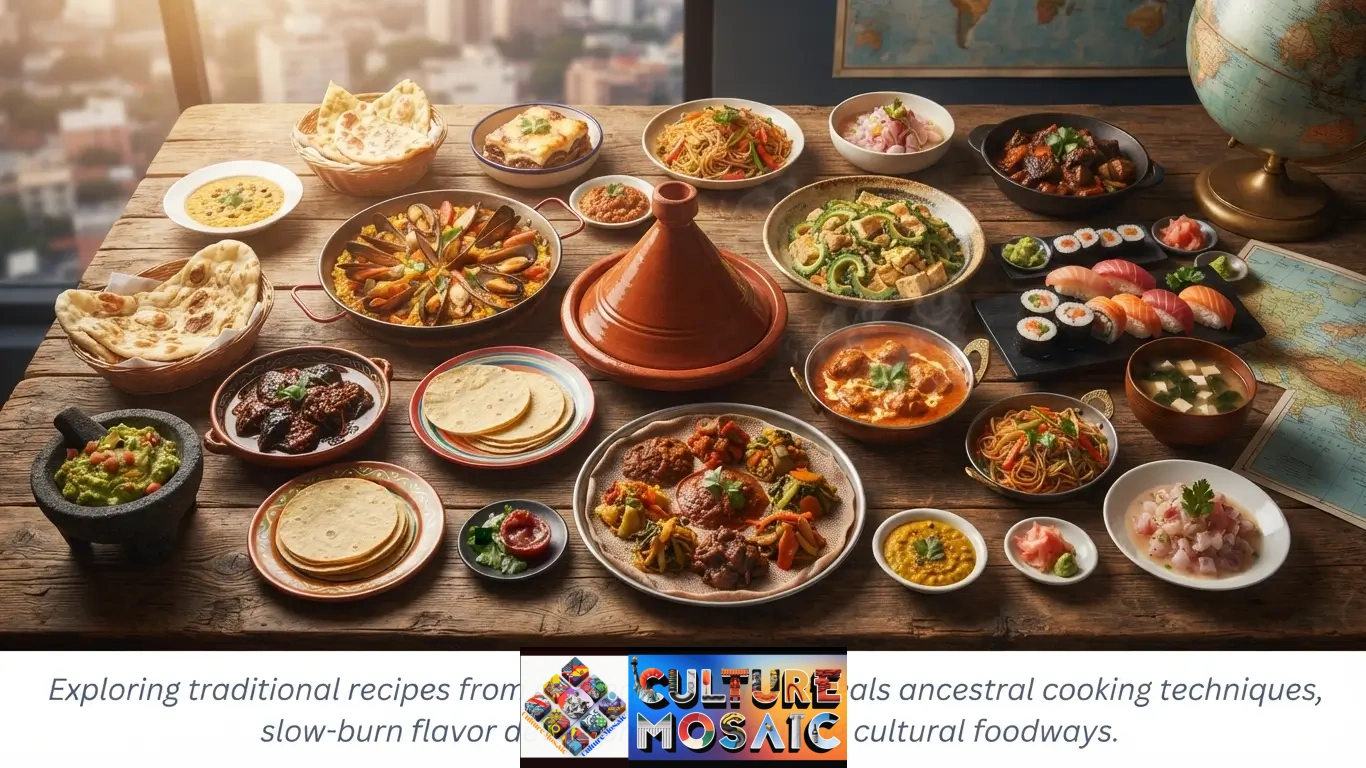
Key Takeaways
Traditional recipes from around the world are the living artifacts of human history, combining centuries of ancestral preservation, climate adaptation, and cultural identity into single dishes. Mastering global heritage cooking does not require a commercial kitchen—it relies on understanding foundational base techniques, respecting slow-cooking chemistry, and sourcing quality staples.
The Modern Dilemma: Reclaiming Ancestral Flavor in a Fast-Food World
In our hyper-connected, fast-paced world, cooking has increasingly shifted from a communal, sensory ritual into a chore driven by speed and convenience. Ultra-processed meals and simplified online recipes often strip traditional dishes of their soul, replacing hours of gentle simmer time with artificial flavor enhancers and shortcut ingredients.
This loss of connection creates a real culinary frustration: home cooks attempt international dishes at home, only to find the results flat, overly salty, or lacking the profound depth tasted in authentic regional kitchens.
The solution lies in returning to the foundational principles of Culture Mosaic. By embracing time-honored methods like Ancestral Umami Techniques and slow-burn flavor development, any home cook can unlock the true alchemy behind global culinary traditions.
Understanding the Foundational Bases of Global Cuisine
Before exploring specific national dishes, it is essential to understand that world cuisines are built on aromatics and slow-rendered fat bases. Master these bases, and the door to authentic global cooking opens naturally.
European Heritage: Patience, Precision, and Comfort
European traditional recipes represent centuries of agrarian efficiency, transforming humble crops and tough cuts of meat into refined comfort food.
Italian Risotto: The Science of Starch
Originating in the rice-growing regions of Northern Italy, authentic risotto is a masterclass in slow starch extraction. The dish relies on high-starch, short-grain varieties like Arborio, Carnaroli, or Vialone Nano. Toasting the rice grains in fat before gradually adding warm broth encourages the outer starch layers to dissolve into a rich, velvety sauce without needing heavy cream.
French Coq au Vin: Elevating Rustic Cuts
French country cooking excels at turning tough proteins into tender masterpieces. Coq au Vin traditionally utilized mature roosters, tenderizing the dense muscle fibers through an overnight marinade in acidic Red Burgundy wine before a slow, gentle braise alongside pearl onions and lardons.
Spanish Paella: The Hunt for the Socarrat
Authentic Paella Valenciana originated as an open-fire lunch for field workers, featuring rabbit, chicken, green beans, and snails rather than mixed seafood. The hallmark of a true paella is the socarrat—the crispy, caramelized layer of toasted rice formed at the very bottom of the shallow pan.
Asian Foodways: Balance, Fermentation, and Umami
Asian culinary traditions prioritize harmony across taste profiles—sweet, sour, salty, bitter, and umami—often utilizing ancient preservation methods to elevate simple staples.
Chinese Mapo Tofu: Numbing Heat and Depth
This iconic Sichuan creation balances silky bean curd with minced pork or beef in a sauce powered by Doubanjiang (fermented broad bean paste) and ground Sichuan peppercorns. The secret lies in gently poaching the tofu in salted water prior to simmering, allowing it to hold its structure while absorbing the fiery, complex sauce.
Japanese Miso Soup: Preservation of Life Enzymes
A cornerstone of daily vitality, traditional miso soup combines fresh dashi (broth made from kombu kelp and bonito flakes) with fermented soybean paste. In accordance with Japanese wellness principles, miso is added at the very end of cooking and never boiled, preserving its delicate gut-friendly enzymes.
Indian Dal: The Heart of Home Cooking
Dal represents the ultimate balance of plant-based protein and anti-inflammatory spices. Whether preparing a hearty Punjabi Dal Makhani or a bright South Indian Sambar, the soul of the dish is the final Tadka—blooming cumin, mustard seeds, and dried chillies in hot ghee to infuse the cooked lentils with instant aroma.
Middle Eastern and African Traditions: Steam, Spice, and Fermentation
North African and Middle Eastern culinary heritage relies heavily on communal seating, slow earthenware cooking, and wild-yeast breads that double as dining utensils.
Moroccan Tagine: Earthenware Engineering
The iconic conical shape of the Moroccan tagine acts as a natural condensation trap. As lamb, chicken, or root vegetables cook slowly over low heat, moisture rises, condenses on the cool inner walls of the cone, and drips back down, gently basting the ingredients in their own juices alongside preserved lemons and warm spices.
Ethiopian Injera: Living Ancient Bread
Injera is a spongy, naturally fermented sourdough flatbread made from teff flour, an ancient grain native to the Horn of Africa. The batter undergoes a multi-day wild fermentation, creating its signature tart flavor and porous texture, perfect for scooping up rich meat and vegetable stews (wots).
Latin American Heritage: Ancestral Chemistry and Fire
From pre-Columbian corn cultivation to citrus curing, Latin American traditional cooking showcases complex flavor layering and ancestral food preparation.
Mexican Mole Negro: Artistry in Layers
Representing the pinnacle of Mesoamerican culinary art, authentic Oaxacan Mole Negro can contain over 30 ingredients, including toasted chilis, seeds, nuts, spices, plantains, and dark chocolate. Ingredients are individually charred, ground, and simmered for days to achieve a harmonious, velvety dark sauce.
Peruvian Ceviche: Cold Chemical Cooking
Long before modern refrigeration, coastal Peruvian fishermen preserved fresh catches using indigenous acid sources. Traditional ceviche relies on fresh sea bass or flounder “cooked” briefly in fresh lime juice—the acid denatures the fish proteins, firming the flesh while keeping its delicate, fresh flavor intact.
Expert Troubleshooting: Solving Common Culinary Challenges
How do I substitute hard-to-find authentic ingredients?
When genuine ingredients are unavailable, substitute based on function rather than appearance. If you lack Mexican Poblano chilis for mole, combine mild green bell peppers with a pinch of cayenne for sweetness and heat. If authentic Kombu is missing for Japanese dashi, dried shiitake mushroom broth offers a similar glutamic-acid umami base.
What is the secret to a perfectly clear soup broth?
Achieving crystal-clear broths—from French consommé to Vietnamese Pho—requires low heat management and steady skimming. Never allow bones or aromatic vegetables to come to a rolling boil, as vigorous turbulence emulsifies fat and impurities into the liquid, making it cloudy. Keep the pot at a barely visible simmer.
Why does my risotto turn out mushy instead of creamy?
Mushy risotto stems from two mistakes: using the wrong rice grain or over-stirring. High-starch short-grain rice (like Arborio or Carnaroli) is essential. Stir continuously but gently to release surface starches without breaking the physical structure of the rice grains, keeping the center slightly al dente.
How do traditional clay tagines work without cracking?
Traditional unglazed clay tagines must be seasoned before their first use by soaking them in water for several hours, rubbing them with olive oil, and baking them on low heat. Always use a heat diffuser when cooking on modern gas or electric stovetops to prevent sudden thermal shock.
Deepening Your Culinary Knowledge
To explore deeper global food rituals, recipes, and heritage techniques, explore these curated resources across our platform:
- Dive into the cultural art of slow earthenware cooking with our guide on How to Cook Traditional Moroccan Tagine.
- Master Mesoamerican street food history by learning How to Make Mexican Street Tacos al Pastor.
- Discover the connection between communal eating and stress reduction in our exploration of Dining Rituals.
- Enhance your intuitive spice work through the lens of Somatic Seasoning.
- Master time-tested global kitchen skills with our foundational guide to Heritage Cooking Techniques.
- Uncover how tastes evoke nostalgia and identity through Somatic Food Memory.
- Understand the precise biochemical transformations occurring in pickles through The Biochemistry of Salt-Glaze Fermentation.
- Explore spiritual and community preservation practices with Ancestral Fermentation Rituals.
- Expand your home preservation skills using Ancestral Fermentation Techniques.
- Learn step-by-step crock preparation with Traditional Sauerkraut Fermentation.
- Master rolling hand-steamed semolina grains using our authentic traditional moroccan couscous recipe.
- Support sustainable food systems by preparing Regenerative Heritage Recipes.
- Explore popular modern Asian street food trends like the Korean Hot Dog.
- Experience rich culinary traditions across Latin culture with Hispanic Cultural Foods.
- Trace regional American food history through iconic USA Famous Dishes.
- Learn North African grain steaming rituals in our guide to Authentic Moroccan Couscous.
- Understand how meals build social bonds across global communities in Food Rituals in Different Cultures.
- Explore island flavor profiles, souring agents, and braises in Filipino Cuisine.
- Discover classic Southeast Asian comfort foods in Authentic Filipino Food.
- Start your mornings with longevity-focused global foodways via the Centenarian Breakfast Routine.
- Expand your global cooking endeavors by joining culinary challenges like Traditional Recipes from Around the World.
Frequently Asked Questions
What is the difference between authentic and traditional recipes? ▼
Traditional recipes are living practices handed down through families and communities over time, often adapting slightly based on seasonal or regional availability. Authentic recipes adhere strictly to a specific original historical template, equipment, and geographic ingredient set. A recipe can be traditional to a specific household without meeting rigid historical authenticity standards.
Can I substitute ingredients in traditional recipes without ruining them? ▼
Yes, provided you understand the structural role of the ingredient. Acidic components (like citrus or vinegar), fat bases, and core starch types define the primary texture and chemical balance of a dish. Minor herbs, regional vegetables, or meat proteins can usually be swapped without destroying the essence of the recipe.
Why do traditional recipes often use intuitive measurements instead of exact grams or cups? ▼
Ancestral recipes evolved before standardized kitchen scales and measuring cups existed. Cooks learned to judge doneness using sensory cues—aroma, color change, sizzle pitch, and texture feeling (somatic feedback). Cooking intuitively builds adaptability and deep kitchen confidence.
Are traditional diets healthier than modern diets? ▼
In general, yes. Traditional diets were developed around whole foods, seasonal produce, complex carbohydrates, healthy fats, and fermented gut-supporting staples. They naturally avoid the ultra-processed emulsifiers, refined sugars, and synthetic additives dominant in modern packaged foods.
How do I keep whole spices fresh for traditional cooking? ▼
Store whole spices in airtight glass containers away from direct light, heat, and moisture. Whole spices retain their essential volatile oils for up to two years. Toast them briefly in a dry skillet before crushing them with a mortar and pestle to release maximum aroma and flavor.
Historical References & Academic Sources
- Davidson, Alan. The Oxford Companion to Food. Oxford University Press. (Comprehensive historical analysis of international foodways and national dishes).
- Kurlansky, Mark. Salt: A World History. Penguin Books. (Explores global food preservation, trade routes, and fermentation history).
- UNESCO Intangible Cultural Heritage Directory. The Mediterranean Diet & Traditional Mexican Cuisine. United Nations Educational, Scientific and Cultural Organization. (Official cultural preservation documentation).