
 By Culture Expert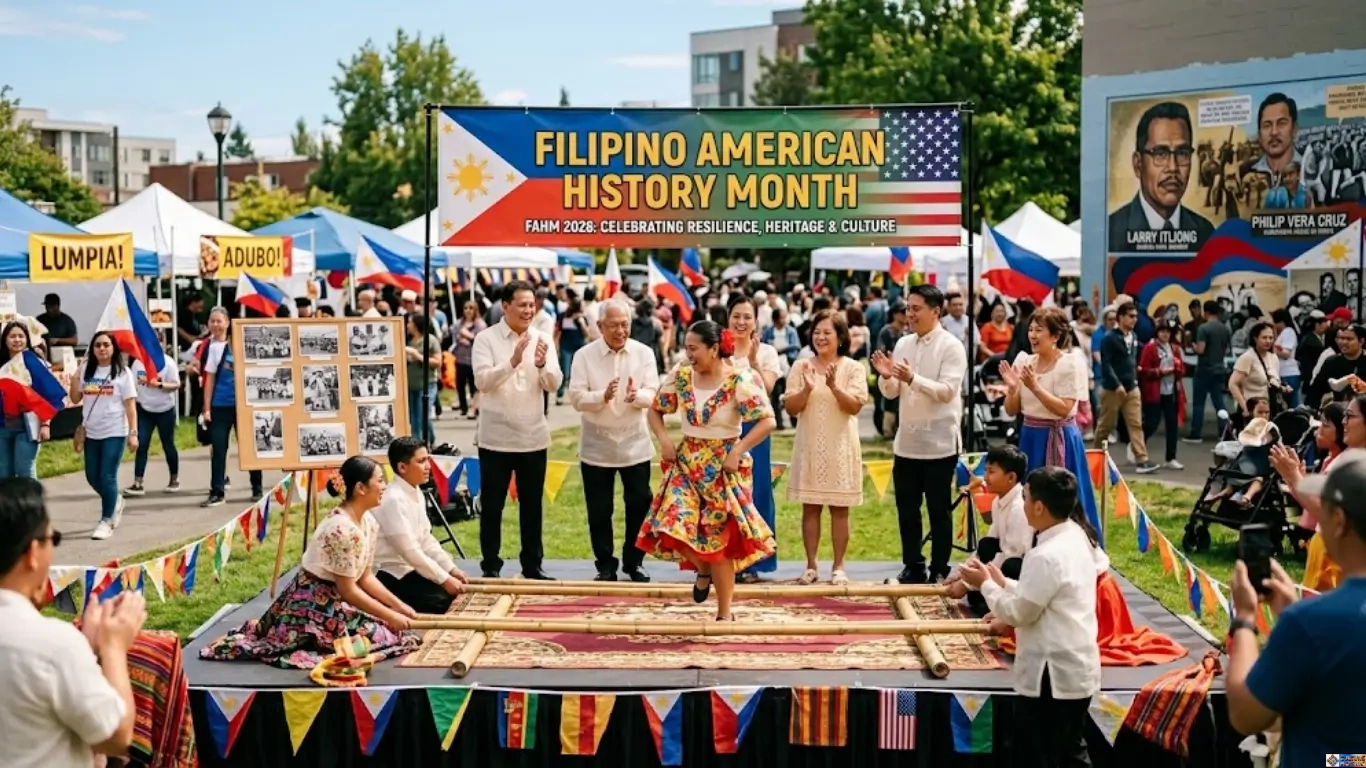
Quick Summary: Filipino American History Month, celebrated every October, commemorates the first recorded arrival of Filipinos in Continental United States on October 18, 1587, in Morro Bay, California. Officially recognized by the U.S. Congress in 2009 thanks to decades of advocacy by the Filipino American National Historical Society (FANHS), this annual observation honors the rich heritage, labor history, and enduring civic contributions of the diaspora. Discover how exploring history, supporting community art, and understanding key cultural milestones can deepen your appreciation of Culture mosaic and modern global heritage.
Why Is Filipino American History Month Celebrated?
Understanding Filipino American History Month requires looking beyond basic calendar observances to examine a multi-century story of migration, labor organization, and cultural resilience. While many ethnic heritage months focus primarily on high-level achievements, October was deliberately chosen by FANHS co-founders Dr. Fred Cordova and Dorothy Laigo Cordova in 1992 to honor the earliest documented presence of Filipinos in the Americas.
On October 18, 1587, Luzones Indios arrived in Morro Bay aboard the Spanish galleon Nuestra Señora de Esperanza. This pivotal event marked the beginning of a complex, centuries-long relationship between the Philippines and the U.S.—spanning Spanish maritime routes, the American colonial period following the 1898 Treaty of Paris, the immigration of the farm-working “Manong Generation” in the 1920s, and WWII military service. Celebrating this month ensures these key foundational narratives are preserved within mainstream history.
Essential Filipino American History Month Facts
To understand the scope of the diaspora’s impact, consider these historical milestones that shaped both the community and national labor standards:
| Historical Era / Milestone | Significant Figures & Events | Key Impact & Legacy |
|---|---|---|
| 1587: Early Contact | Luzones Indios at Morro Bay | Earliest recorded presence of Filipinos in North America. |
| 1763: Saint Malo Settlement | Manilamen in Louisiana | Founded the first permanent Asian American settlement in the U.S. bayous. |
| 1930s: The Manong Generation | Carlos Bulosan, Larry Itliong | Agricultural labor leaders who established vital labor unions across the West Coast. |
| 1965: Delano Grape Strike | Larry Itliong, Philip Vera Cruz, Agricultural Workers Organizing Committee (AWOC) | Joined forces with Cesar Chavez to form the United Farm Workers (UFW), revolutionizing U.S. labor rights. |
| 1941–1945: WWII Military Service | First & Second Filipino Infantry Regiments | Over 260,000 Filipino soldiers fought alongside U.S. forces in the Pacific Theater. |
10 Inspiring Ways to Celebrate Filipino American History Month
Whether you are seeking low-competition ideas for local events or looking to deepen your personal understanding of Modern Culture, here are ten impactful ways to observe the month meaningfully:
1. Explore Filipino Cuisine and Culinary Heritage
Filipino cuisine is an intricate, flavorful reflection of trade history—blending indigenous ingredients with Spanish, Chinese, Pacific, and American influences. Honor this heritage by exploring regional staples like adobo, sinigang, pancit, and lechon. Food is not merely sustenance; it serves as an intergenerational bridge connecting historical migration stories to the family dinner table.
2. Learn About Key Historical Events and Labor Activism
True celebration involves active learning. Research the 1965 Delano Grape Strike led by Larry Itliong and the Agricultural Workers Organizing Committee. Understanding how Filipino farmworkers initiated one of the most successful labor strikes in American history provides essential context for modern worker protections and civil rights movements.
3. Support Filipino American Artists and Creators
Filipino American visual artists, filmmakers, musicians, and performers shape modern aesthetics across the globe. Stream independent films, visit gallery exhibitions, or support digital creators who center diaspora themes in their work. Supporting grassroots arts ensures cultural narratives remain vibrant and self-determined.
4. Host or Attend Local Cultural Events
Community gatherings are central to cultural continuity. Seek out local lectures, parades, workshops, and traditional performances featuring tinikling (bamboo dance) or kundiman (classical love songs). Engaging directly with local non-profit organizations helps sustain community spaces year-round.
5. Read Books by Filipino American Authors
Literary works capture the nuanced emotional landscape of migration, identity, and resilience. Expand your library with foundational works:
- America Is in the Heart by Carlos Bulosan (a seminal 1946 memoir of labor and immigration)
- Dogeaters by Jessica Hagedorn
- America Is Not the Heart by Elaine Castillo
6. Visit Historic Landmarks and Museums
If you are planning travel or local excursions, visit historical spaces dedicated to preserving this history:
- The Morro Bay Landing Site marker in California.
- The Filipino American National Historical Society (FANHS) National Pinoy Archives in Seattle, Washington.
- Historic Little Manila in Stockton, California—once the largest concentration of Filipinos outside the Philippines.
7. Highlight Historic and Contemporary Innovators
Spotlight figures who have broken barriers across public service, science, literature, and legal institutions. From historic labor organizers to contemporary public officials like California Attorney General Rob Bonta, sharing these narratives helps educate peers and young students alike.
8. Engage in Bayanihan (Community Service)
The traditional Filipino spirit of bayanihan refers to communal unity, co-operation, and mutual assistance—symbolized historically by neighbors helping a family carry their entire wooden house to a new location. Practice bayanihan during October by volunteering for local mutual aid funds, community food banks, or youth mentorship programs.
9. Celebrate Through Traditional Music and Dance
Music and movement carry oral histories across generations. Explore traditional dance forms like pandanggo sa ilaw or learn about traditional indigenous instruments like the kulintang (gong chime ensemble). Understanding indigenous roots offers a powerful bridge when exploring cross-cultural traditions, much like analyzing Red Symbolism in Native American Culture.
10. Educate the Next Generation
Ensure school boards, libraries, and youth groups include Asian American and Pacific Islander (AAPI) histories in their year-round curricula. Sharing age-appropriate reading materials and inviting guest speakers ensures the sacrifices and triumphs of pioneer generations are never forgotten.
FAQs About Filipino American History Month
Why is Filipino American History Month celebrated in October instead of May?
While Asian American and Pacific Islander (AAPI) Heritage Month takes place in May, October was specifically designated for Filipino American History Month to mark the October 18, 1587 arrival of the first recorded Filipinos in Morro Bay, California. FANHS deliberately chose October to ensure the distinct 400-plus-year historical narrative of Filipino Americans was recognized independently.
What is the history month celebrated in the Philippines?
In the Philippines, History Month (Buwan ng Kasaysayan) is celebrated nationally in August pursuant to Proclamation No. 339. It highlights key events in Philippine national history, such as the 1896 Cry of Pugad Lawin and the struggle against Spanish colonial rule, distinct from the American diaspora observation in October.
What is the most Filipino state in the USA?
By total population, California has the highest number of Filipino Americans, with major historical hubs in Los Angeles, San Diego, San Francisco, and Stockton. However, Hawaii has the highest percentage of Filipino residents relative to its total population, where Filipinos make up approximately 25% of the state’s populace.
Who is the most famous Filipino American?
Significance varies across fields, but notable figures include historic labor leader Larry Itliong, Pulitzer Prize-winning journalist Jose Antonio Vargas, pop music artists Bruno Mars and Olivia Rodrigo, Olympic gold medalist Lee Kiefer, and California Attorney General Rob Bonta.
How can educational institutions observe Filipino American History Month 2026?
Schools and universities can invite FANHS speakers, integrate primary historical texts like Carlos Bulosan’s writings into history courses, organize museum field trips, host film screenings, and update library collections with contemporary books by Filipino American authors.
Verifiable Sources & References
- Filipino American National Historical Society (FANHS): National Pinoy Archives & Official Declaration of Filipino American History Month (1992). fanhs-national.org
- U.S. House of Representatives: H.Res.780 – Recognizing the establishment of Filipino American History Month (Passed November 2009). U.S. Government Publishing Office.
- Bulosan, Carlos (1946): America Is in the Heart. University of Washington Press.
- Mabalon, Dawn Bohulano (2013): Little Manila Is in the Heart: The Making of the Filipino American Community in Stockton, California. Duke University Press.
- National Park Service (U.S. Department of the Interior): Asian American and Pacific Islander Historic Landmarks Study: Delano Grape Strike and Labor Activism.