
 By Culture Expert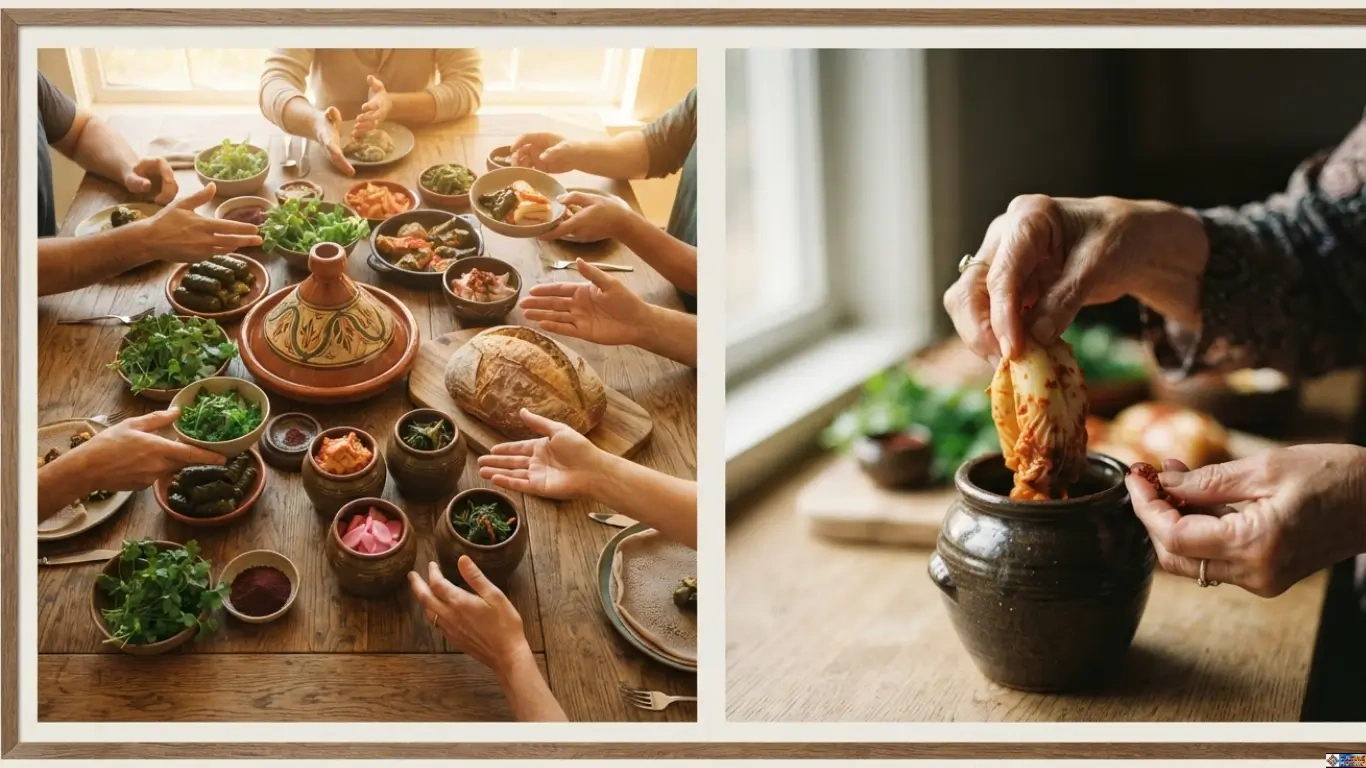
Quick Summary
What are Food Rituals in Different Cultures?
Food rituals in different cultures are structured, symbolic practices surrounding the preparation, serving, and consumption of meals. Serving social, spiritual, and identity-preserving functions, these practices translate shared values into daily life—ranging from sacred offerings and lifecycle milestones to everyday table customs. Across every continent, food rituals reinforce community cohesion, preserve ancestral memory, and honor environmental and cultural heritage.
The Silent Crisis at the Modern Table
In our fast-paced, hyper-connected world, we have inadvertently severed our connection to the dinner table. Meals are frequently consumed in isolation, squeezed between screen time, or reduced to mere calorie intake on the go. This shift isn’t just a loss of table manners; it’s an erosion of deep human connection, cultural memory, and social belonging.
When we strip the meaning from how we gather and eat, we lose the daily opportunities for grounding, storytelling, and spiritual renewal that sustained our ancestors for millennia.
Reclaiming the wisdom embedded in global culinary traditions offers a remedy. By understanding and adapting time-honored dining practices, we can restore intention to our plates and rebuild real community in our everyday lives.
Through the anthropological lens of Culture mosaic, let’s explore how communities worldwide use food to honor life, preserve identity, and connect across generations.
Understanding the Cultural Anthropology of Food
Food is never just nutrition; it is a complex language of symbolic meaning, social hierarchy, and historical memory. Anthropologists view Dining Rituals as essential cultural markers that maintain community bonds and transmit oral histories.
SACRED
Offerings & Communion
SOCIAL
Hospitality & Kinship Bonds
ANCESTRAL
Preservation & Heritage Craft
The relationship between food and culture reveals itself through three core anthropological functions:
- Sacred Expression: Transforming ordinary ingredients into offerings for the divine or ancestral spirits.
- Social Cohesion: Establishing clear rules for hospitality, communal labor, and kinship obligations.
- Identity Preservation: Maintaining traditional culinary techniques to keep ancestral memory alive during migration and global change.
Global Food Rituals at a Glance
1. Sacred Preparation and Ancestral Heritage
Across world traditions, the act of cooking begins long before heat meets the pan. It starts with seasonal labor and ancestral preservation methods that turn cooking into a shared, sacred act.
Korea: Kimjang and Ancestral Rites (Jesa)
In Korea, food sits at the intersection of Confucian philosophy and seasonal living. Kimjang—the collective preparation of large quantities of kimchi before winter—is recognized on the UNESCO intangible cultural heritage list food registry. Entire neighborhoods gather to wash, salt, and season cabbages, reinforcing social bonds through shared effort.
During Jesa (ancestral memorial rites), families carefully arrange rice cakes, fruits, and fish on altars to honor their lineage. The precise placement of each dish reflects cosmic balance and deep filial piety.
These long-term techniques require a deep mastery of Ancestral Fermentation Rituals and Ancestral Fermentation Techniques. By mastering The Biochemistry of Salt-Glaze Fermentation or simply preserving vegetables through Traditional Sauerkraut Fermentation, ancient communities turned raw produce into lasting, probiotic-rich nourishment.
Mexico: Día de los Muertos and the Sacred Ofrenda
During Mexico’s Day of the Dead, food bridges the physical and spiritual realms. Families build intricate altars decorated with marigolds, candles, and the favorite foods of departed loved ones. Central to this offering is Pan de Muerto (a sweet, orange-blossom egg bread decorated with bone-shaped dough) alongside dishes showcasing ancient Hispanic Cultural Foods.
Slow-cooked meals like mole and complex pork dishes demonstrate how food traditions preserve indigenous Mexican heritage across centuries. For example, learning How to Make Mexican Street Tacos al Pastor shows how cultural fusion evolved into a celebrated culinary staple.
2. The Art of Hospitality and Table Etiquette
In many societies, how food is served carries as much weight as how it is cooked. Table customs translate values like respect, generosity, and community into tangible habits.
The Middle East: Arabic Coffee (Qahwa) and the Seder
In Arab culture, serving Qahwa (spiced cardamom coffee) from a brass dallah pot is a foundational ritual of hospitality. The host uses only the right hand to pour, filling the small cup just one-third full so it cools quickly and can be refilled continuously. This precise protocol ensures guests feel honored and cared for.
Similarly, the Jewish Passover Seder uses a structured meal to retell historical narrative. Every element on the Seder plate serves an educational purpose:
- Matzah: Unleavened bread recalling rapid exodus.
- Maror: Bitter herbs symbolizing the sting of oppression.
- Charoset: Sweet fruit-and-nut paste representing the mortar used by enslaved ancestors.
Through these elements, historical memory is passed down at the dinner table.
East Asia: Mindful Service and Tea Architecture
The Japanese Tea Ceremony (Chanoyu) transforms tea preparation into a meditative art built on four principles: Wa (Harmony), Kei (Respect), Sei (Purity), and Jaku (Tranquility). Every movement, from wiping the matcha bowl to presenting it to guests, requires complete focus.
This mindful approach highlights the idea of Somatic Seasoning and Somatic Food Memory—where cooking and eating engage all physical senses to build lasting emotional memories.
3. Communal Feasts and Lifecycle Traditions
Feasting customs bring communities together during key moments, marking agricultural seasons, religious holidays, and personal milestones.
North Africa: The Friday Couscous Ritual
Across Morocco, Algeria, and Tunisia, Friday afternoon prayers are followed by the traditional family couscous gathering. Preparing a traditional moroccan couscous recipe is a slow, methodical process where semolina grain is hand-rolled and steamed multiple times over a simmering broth.
Servings of Authentic Moroccan Couscous are presented on a large communal dish, inviting everyone to eat from a shared center. This tradition mirrors slow-cooking methods like learning How to Cook Traditional Moroccan Tagine, where clay vessels concentrate subtle flavor and encourage shared dining.
West Africa: The Nigerian New Yam Festival
In Igbo culture, the Iwa Ji (New Yam Festival) marks the end of the rainy season and the harvest of the community’s primary staple crop. Before any fresh yams are eaten, the oldest elders offer the finest tubers to ancestors and deities as a gesture of gratitude. This celebration blends community feasting with music and masquerade dances, showing how agriculture shapes local identity.
North America & Global Adaptation
Communal feasting also evolves through cultural exchange. While traditional celebrations like American Thanksgiving center on native ingredients (corn, turkey, squash) and dishes from USA Famous Dishes, global adaptations continue to grow. Modern urban food markets easily pair historic traditions with global street food trends—such as the popular street-food classic, the Korean Hot Dog.
Today’s cooks increasingly draw from Regenerative Heritage Recipes, combining old-world culinary wisdom with sustainable modern farming to protect soil health for generations to come.
UNESCO Intangible Cultural Heritage: Preserving Foodways
Recognizing that food customs are vulnerable to rapid modernization, UNESCO protects key culinary heritage traditions. These designations safeguard not just recipes, but the underlying cultural ecosystems:
- The Mediterranean Diet: Celebrated for its holistic health benefits and social practices—where meals are unhurried, shared experiences that build community strength.
- Traditional Mexican Cuisine: A complete cultural model encompassing farming methods (like chinampas), ancient processing (like corn nixtamalization), and ceremonial cooking.
- Arabic Coffee Culture: Recognized as a core expression of generosity and social connection across Arab nations.
- French Gastronomic Meal: Honored for its structured storytelling format, precise wine pairings, and emphasis on table presentation.
Preserving Human Connection through Culinary Heritage
Understanding Food Rituals in Different Cultures reminds us that cooking and eating can be deeply meaningful acts. When we slow down to roast spices, ferment vegetables, or share a bowl of stew from a common platter, we participate in a human story that spans generations.
Whether you cook a historic stew, practice mindful table etiquette, or master Ancestral Umami Techniques and Heritage Cooking Techniques, bringing intentional rituals to your table turns simple meals into moments of real connection.
For further context on unique global customs, explore this external overview on Food Rituals in Different Cultures.
Frequently Asked Questions
What are some examples of food rituals?
Examples include the Japanese Tea Ceremony (Chanoyu), the Jewish Passover Seder, Korean ancestral rites (Jesa), the Moroccan Friday couscous gathering, and the Ethiopian coffee ceremony (Jebena Buna).
Why do cultures develop specific dining etiquette rules?
Dining rules develop to build mutual respect, maintain social order, and show gratitude. Whether using specific hands to handle food in India or waiting for the oldest family member to eat first in Korea, etiquette turns a basic meal into a shared expression of cultural values.
What food traditions are on the UNESCO Intangible Cultural Heritage List?
Notable entries include Korean Kimjang (kimchi making), the Mediterranean Diet, Traditional Mexican Cuisine, Arabic Coffee culture, and the Gastronomic Meal of the French.
How do seasonal harvest festivals protect local identity?
Harvest celebrations like the Nigerian New Yam Festival or Indigenous North American Green Corn Ceremonies reconnect communities with local ecosystems. They give thanks for the soil’s yield and preserve traditional farming, foraging, and cooking methods.
How can I incorporate meaningful food rituals into modern daily life?
Start simple: establish a technology-free family meal each week, practice mindful preparation using traditional cooking techniques, or adopt a shared family platter to bring conversation and connection back to your table.
Sources & Academic References
- UNESCO Intangible Cultural Heritage Section. Intangible Cultural Heritage Lists and Register. United Nations Educational, Scientific and Cultural Organization.
- Counihan, Carole, and Penny Van Esterik (Eds.). Food and Culture: A Reader. Routledge, 3rd Edition.
- Sutton, David E. Remembrance of Repasts: An Anthropology of Food and Memory. Berg Publishers.
- Mintz, Sidney W. Tasting Food, Tasting Freedom: Excursions into Eating, Culture, and the Past. Beacon Press.
- The Smithsonian Center for Folklife and Cultural Heritage. Cultural Heritage and Foodways Documentation Project. Smithsonian Institution