
 By Culture Expert
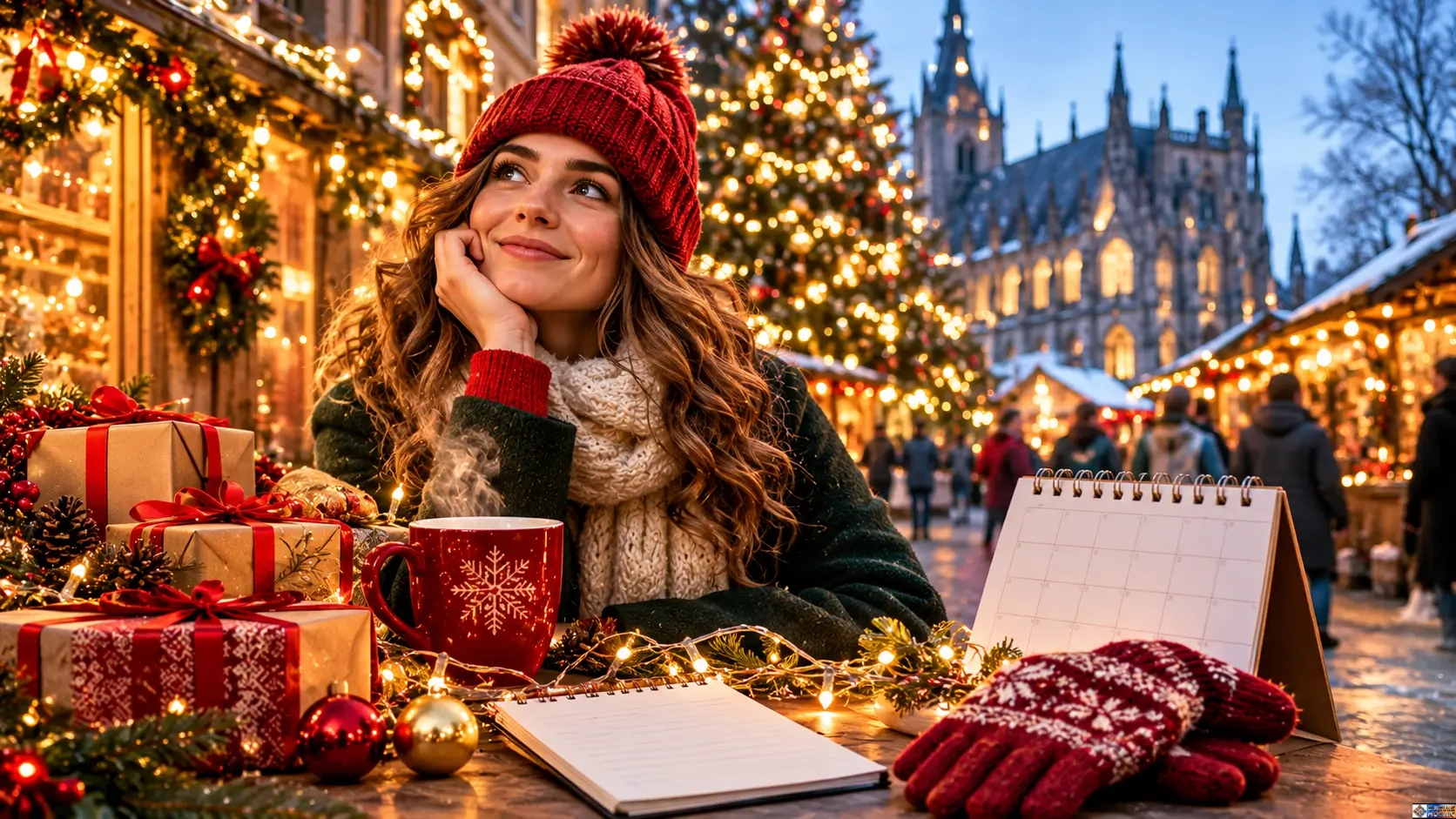
What Is Christmas Fever? Meaning, Traditions, and Why We Love the Festive Rush
So, what is Christmas fever?
What is Christmas fever? It’s the collective rush of holiday excitement: the lights going up, the playlists starting early, the sudden urge to buy a tin of shortbread for someone you barely know. People say they’ve “caught” it, the way you’d catch a cold, which is the joke. It spreads through shop windows, adverts, school nativity rehearsals and office rotas. Nobody is quite immune.
It’s also not a diagnosis. If you came here wondering whether it’s an illness, relax. It isn’t. Doctors and journalists use the phrase loosely for December stress and sensory overload, but there’s no clinical entry for it.
What does “Christmas fever” actually mean?
In medicine, a fever is a raised body temperature, usually a sign the body is fighting something. In everyday speech, “fever” stretches to mean a spell of intense, contagious excitement. We already say “gold fever”, “World Cup fever”, “Saturday night fever”. Christmas fever belongs to that family.
We think the word works because it’s honest about the downside. A fever is hot, restless, a bit out of control. So is the second week of December.
What is the Christmas feeling called?
There isn’t one official word. People reach for festive spirit, Christmas cheer, the Christmas feeling, or “getting into the spirit”. German has Vorfreude, roughly the joy of anticipating something good, which fits the build-up better than any English term we know. The feeling is often about the waiting more than the day itself.
Why we catch it: light, memory and a very old calendar
Start with the sky. In the northern hemisphere, the weeks around the winter solstice are the darkest of the year, and people have been lighting fires, feasting and gathering in them for thousands of years. The Romans held Saturnalia in mid-December, a feast of role-reversal, gifts and loud good humour. Plenty of what we now call Christmas borrowed from that calendar. If you like the long view, our piece on the Ancient roots of modern festivals traces how winter celebrations keep reappearing under new names.
Then add nostalgia. Smell mulled spice, hear one particular carol, and you’re eight years old again. That pull is real, and it’s why the season feels so emotionally loud. Shared ritual also does something physical to groups of people, which we explore in The Somatic Architecture of Collective Ritual and in Ancestral Somatic Rituals 2026.
Light is the other trigger. Cities spend heavily on illumination because it works on us. If you want the proof, look at cultural light festivals or the Amsterdam Light Festival, where thousands queue in the cold, happily, to look at glowing things.
The three faces of the fever
| Dimension | What it looks like | The upside | The cost |
|---|---|---|---|
| Emotional | Nostalgia, anticipation, a lump in the throat at the right song | Connection, warmth, a sense of continuity | Grief for people who are missing; pressure to feel jolly |
| Commercial | Early shop displays, gift lists, sales, delivery deadlines | Gifts that mean something; seasonal work and trade | Overspending, waste, post-December regret |
| Social | Parties, school plays, family logistics, secret Santa | Belonging, community, shared stories | Overcommitment, tiredness, awkward obligations |
The commercial side deserves honesty. Festivals and seasonal events move serious money, a theme we unpack in What Is the Economic Impact of Music Festivals. And the waste is real too. The morning-after mess described in The post concert hangover has a December twin: wrapping paper, plastic decorations, unwanted gifts. We’d argue the most radical thing you can do this season is buy less and mean it. Regenerative Festival Culture offers a few ideas that transfer neatly to the living room.
Symptoms, and when it peaks
The usual signs: humming carols without noticing, an unexplained need for satsumas, decorating earlier than you’d admit, a shopping spree you can’t quite justify, a sudden soft spot for people you’ve been avoiding all year. The flip side: a short fuse around the 20th, a bank balance that looks like a cliff edge, and a flat feeling on Boxing Day.
| Stage | Typical timing in the UK | Mood |
|---|---|---|
| Early onset | Late October to mid-November | Playlists, first adverts, “is it too soon?” debates |
| Rising | Late November to first week of December | Lights switched on, markets open, lists begin |
| Peak | Roughly 15–24 December | Maximum excitement and maximum stress, side by side |
| Crash | 26–28 December | Relief, fatigue, leftovers |
Those dates are general patterns, not measured data. Your own fever may run on a different clock.
Christmas traditions around the world: the fever abroad
The UK version is easy to picture: Christmas markets, panto season, carol services, queues for the turkey. It’s the heart of the festive season UK readers know. But the fever travels beautifully.
- The Philippines. The “Ber months” (September to December) mark the start of the season. Christmas music and lanterns appear early, and the country is widely described as having one of the world’s longest Christmas seasons. It’s the fever on an extended timetable.
- Germany. Adventszeit is the four-week run-up to Christmas, with Advent wreaths and Christmas markets. Dresden’s Striezelmarkt is recorded from the fifteenth century, which tells you how old the habit of gathering in the cold is.
- Beyond Christmas. December isn’t only Christmas. Other communities have their own season of light and gathering—from Diwali diya lighting meaning and history to autumn remembrances like Why is the Day of the Dead celebrated?. You can explore more Religious Festivals in the World, Traditional World Festivals Cultural Heritage, and Unique cultural festivals across our archives.
Winter festivals: where to chase the buzz
Some readers arrive here hoping “Christmas Fever” is an event they can book. It isn’t one single festival, but the buzz is easy to find. Light trails, Christmas markets and carol concerts run across the UK from late November. For wider inspiration, browse our Global Cultural Festivals Guide, see the Top 20 Biggest Festivals in the World, or explore Cultural Festivals Worldwide.
If you’d rather build a whole trip around an event, Event-Centered Escapes is a good starting point, and Ethno Cultural Festivals Heritage shows how communities keep seasonal traditions alive—whether that’s winter gatherings, Festivals in November in USA, or local staples like the Washington Whiskey Rebellion Festival and the Latino Cultural Festival.
Folk music fans should try the Best UK Folk Festivals and World Folk Music, or dig into underground cultural festivals and upcoming line-ups like Festivalle 2026. Even short-lived gatherings leave a mark on a place; see our look at Ephemeral Social Infrastructure.
Christmas Fever in music and film
If you were hunting for a song or a movie, here’s the short answer. Several songs and screen titles have used the words “Christmas Fever”, and the name turns up on playlists and TV listings now and then. Titles and availability change by year and region, so check a current streaming or listings service for the one you want. Our advice: if a title is stuck in your head, search the artist or cast name alongside it.
Quick Reference
- Song or film: Check current listings; several works share the title.
- Illness? No. It’s a figure of speech.
- Holiday burnout? Real enough to plan for. See below.
Why do I get sick around Christmas?
Here’s a genuinely odd one. There is a medical term with “Christmas” in it: Christmas disease, an old name for haemophilia B. It’s named after Stephen Christmas, the first patient described in a 1952 British Medical Journal report. Nothing to do with the holiday. Just a very confusing coincidence if you google the wrong phrase.
Back to the real question. Plenty of people feel rough in late December, and the reasons are mundane:
- Winter is peak season for colds and flu, and we spend more time indoors, close together.
- Sleep gets squeezed by parties, travel and late nights.
- Alcohol, rich food and dry heated air don’t help.
- Researchers have described a “let-down effect”, where people hold up through a stressful stretch and then fall ill once it ends. It’s a recognised idea in stress research, though the evidence is mixed. Treat it as a plausible explanation, not a rule.
How to enjoy Christmas fever without the crash
Here’s what we’d actually do. Pick the two or three traditions that matter to you and let the rest go. Set a gift budget before the shops set it for you. Block one unscheduled evening in the diary. Walk outside in daylight. If the season is heavy for you, because someone is missing or money is tight, say so to someone you trust. The festive spirit shouldn’t require pretending.
Here’s the weird option, since every list needs one: skip the first week of decorating entirely and hold a quiet “lights-on” evening on the solstice, 21 December, instead. It borrows the oldest logic of the season, light against dark, and it’s strangely restful. Or look at our Happy Holidays ideas for other ways to mark the month. Browse more at Culture mosaic.
Christmas Eve is where the fever usually peaks—a night with its own long history and traditions; explore the background behind What is Christmas fever‘s most celebrated evening.
Frequently asked questions
1. What is Christmas fever in simple terms?
It’s the surge of excitement, nostalgia and busyness that builds as Christmas nears. People use “catching Christmas fever” to mean they’ve been swept up in the season’s mood: decorating, shopping, planning, humming carols. It’s a figure of speech, not an illness.
2. Is Christmas fever a real medical condition?
No. There’s no medical diagnosis called Christmas fever. The phrase is informal. Some people use it jokingly for December stress or overload, and holiday burnout is a genuine experience, but it isn’t a formal condition. If you have a raised temperature or other symptoms, see a health professional.
3. When does Christmas fever start and peak?
It varies. For many people in the UK it starts creeping in from late October or November, builds after the lights go on, and peaks in the last ten days before Christmas. In places like the Philippines the season starts even earlier. The crash usually lands just after the day itself.
4. Why do I get sick around Christmas?
Usually a mix of winter viruses, indoor crowding, less sleep, alcohol and stress. Some researchers describe a “let-down effect”, where illness follows once a stressful period ends, though evidence is mixed. If symptoms are severe or last, check with your GP or NHS 111.
5. What is the Christmas feeling called?
There’s no single official term. Common phrases include festive spirit, Christmas cheer and holiday excitement. German speakers have Vorfreude, meaning joyful anticipation, which captures the build-up especially well.