
 By Culture Expert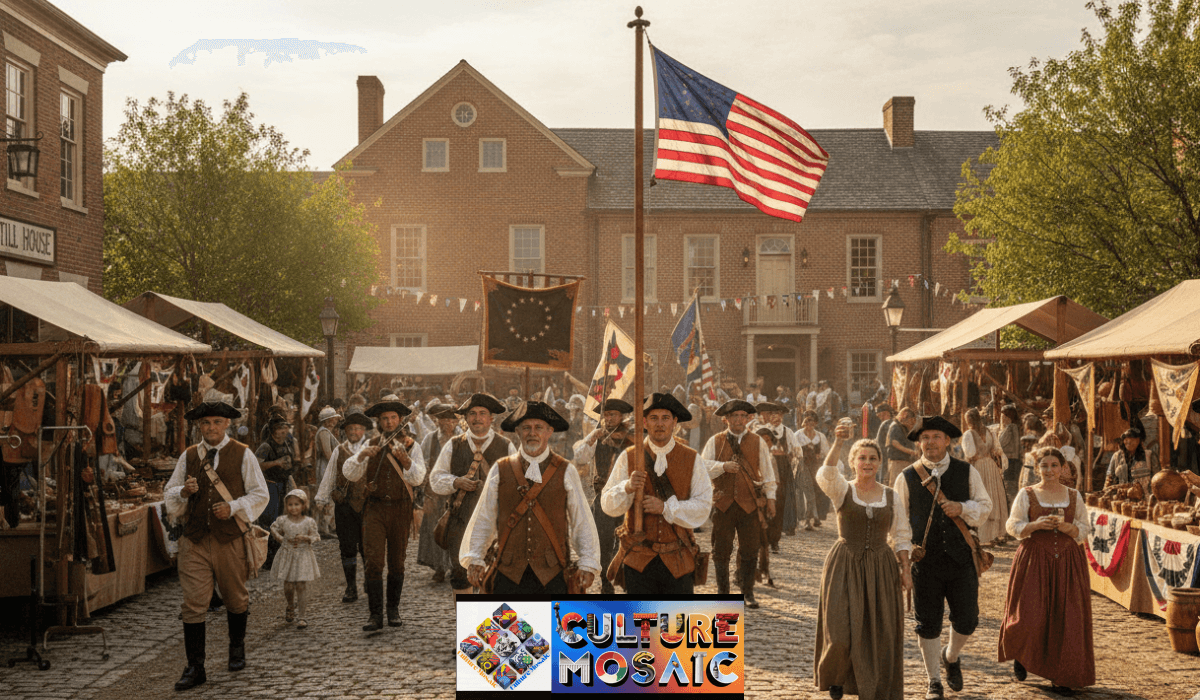
Marcus J. Holloway
Understanding the Washington Whiskey Rebellion Festival: Celebrating History and Heritage
I still remember the first time I stood on Main Street in Washington, Pennsylvania, and watched a man in a tricorn hat get mock tarred and feathered in front of a crowd of laughing kids and their parents. That, in a nutshell, is the spirit of the Washington Whiskey Rebellion Festival. It is loud, it is funny in places, and underneath all the music and the whiskey tastings, it is dead serious about one thing: making sure people don’t forget that the first real test of federal authority in America happened right here, not in Philadelphia or Boston, but in the hills of southwestern Pennsylvania.
This is not a festival built around a vague theme or an invented mascot. It marks an actual armed uprising, the kind that almost split the young United States apart before it had even found its footing. Every July, the Washington Whiskey Rebellion Festival turns that history into something you can taste, hear, and walk through.
What Sparked the Original Whiskey Rebellion
To understand why this event matters, you need the backstory, and it is a good one.
In 1791, the newly formed federal government, fresh off fighting a war it could barely afford, slapped an excise tax on distilled spirits. For farmers in western Pennsylvania, this wasn’t some abstract policy. Whiskey was currency. It was easier to transport over the mountains than raw grain, and it was how a lot of frontier families paid their bills. Taxing it felt like taxing survival itself.
Resistance built fast. Tax collectors got run out of town, sometimes literally tarred and feathered. By 1794, things had escalated to armed mobs and burned buildings, and President Washington did something no other president had done before: he personally led a militia of roughly 13,000 men toward western Pennsylvania to put the rebellion down. The show of force worked. The rebels scattered before a single shot was fired in anger, but the message landed hard. The federal government could and would enforce its laws.
Why Washington, Pennsylvania, Became the Center of the Story
Washington County wasn’t a side character in this drama. It was ground zero. David Bradford, a prominent local lawyer, became one of the rebellion’s most visible leaders, and his home, the Bradford House, still stands on South Main Street as a National Historic Landmark. Bradford fled the area in 1794 once it became clear the rebellion had failed, leaving behind a house that has outlived him by well over two centuries.
That house, and the organization that maintains it, are the reason this festival exists at all.
The Bradford House Historical Association and Its Role
The nonprofit Bradford House Historical Association has run the Bradford House Museum since the early 1980s, and the group eventually decided that a single historic house, however well preserved, wasn’t enough to tell the full story. So in 2011, they launched the Washington Whiskey Rebellion Festival as a way to bring that history out of the museum and into the street, literally.
Today the association also operates a Whiskey Rebellion Education and Visitor Center directly across from the Bradford House, along with a community Meeting House used for school programs and lectures. The festival is the public-facing centerpiece of all of it, the one weekend a year when thousands of people who might never set foot in a museum end up learning the history anyway, because it’s happening right in front of them on Main Street.
A Walk Through the Festival Grounds
The festival is held annually on the second weekend of July, with the main events concentrated on Saturday. In 2026, the dates fall on July 10 and 11. The footprint runs along Main Street in downtown Washington, stretching from Wheeling Street to Maiden Street, with the Washington Financial parking lot serving as a staging area for vendors and overflow crowds. It’s worth marking your calendar early, since hotels in Washington County fill up fast that weekend.
Saturday morning kicks off with a community parade organized by the Washington Business District Authority, a genuinely charming small-town affair with local schools, civic groups, and historical reenactors marching down Main Street. From there, the day opens up into a sprawling mix of programming that runs more or less nonstop until evening. Here’s roughly what a day at the Washington Whiskey Rebellion Festival looks like:
- Historic reenactments depicting the original rebellion, including the dramatized tarring and feathering of a tax collector that has become something of a signature moment
- Period exhibitions and live demonstrations of 18th century trades and domestic life
- A whiskey and spirits walk featuring regional distilleries pouring tastings for visitors 21 and older
- Live music running through the afternoon and into a headlining performance at night
- Food and drink vendors covering everything from festival classics to local specialties
- A dedicated children’s area, often called the Lil’ Rebel zone, with quill pen writing, period games, and hands-on militia drills for kids
- Free guided tours of the Bradford House Museum and the Whiskey Rebellion Education and Visitor Center
History You Can Touch: The Bradford House Museum
No visit is complete without stepping inside the Bradford House itself. Built in 1788, it is the oldest stone structure on South Main Street, and walking through it gives you a genuine sense of what comfort looked like for a wealthy frontier lawyer in the 1790s. Docents in period clothing lead the tours, and the house remains one of the only free museums in the entire county.
Right across the street, the Whiskey Rebellion Education and Visitor Center fills in the gaps with text panels, artifacts, and an 18th century whiskey still on display. Between the two sites, you get both the human story and the hard historical context behind the Washington Whiskey Rebellion Festival in under an hour.
The Whiskey and Spirits Walk
This part of the festival deserves its own mention, because it ties the modern celebration directly back to the original grievance. Regional distilleries set up along the route, pouring tastings of whiskeys and other spirits, many of them produced within a short drive of the festival grounds. It’s a clever bit of historical irony: the very product that sparked an armed rebellion against federal taxation is now poured freely, taxed and legal, for anyone over 21 who wants a sample.
Music, Food, and Family Programs
Don’t mistake this for a dry history lecture dressed up in costumes. The Washington Whiskey Rebellion Festival pulls in real crowds, often topping 7,000 attendees over the weekend, and the energy reflects that. Live bands play through the afternoon, food trucks line the street with everything from comfort food to regional specialties, and local shops along Main Street stay open late to catch the foot traffic.
There’s a particular kind of satisfaction in eating a hot dog from a street vendor while a fiddler plays twenty feet away and a reenactor in 18th century dress argues with a fake tax collector. Few festivals manage to be educational and genuinely fun at the same time, but this one pulls it off.
The organizers have clearly put thought into making the day work for families, not just history buffs. The children’s area runs activities all day, including writing with a quill pen, building model log cabins, and playing period games like stilts and rolling hoops. Every quarter hour there’s a militia drill kids can join, and storytelling sessions run on the hour. Parents often joke that their kids show more enthusiasm for 18th century chores at the festival than they ever do for modern ones at home.
Accessibility and Practical Visitor Information
The Washington Whiskey Rebellion Festival is free to attend, with no ticket required for general admission. The event takes place on a paved downtown street and is generally accessible, though anyone with specific mobility concerns should reach out to the organizers ahead of time. Parking includes both free public lots and street parking on the weekend, though arriving early is smart given how quickly downtown fills up.
The Washington Whiskey Rebellion Festival welcomes all ages, with the obvious exception that alcohol service and sampling are restricted to those 21 and older. Pet policies can vary year to year, so it’s worth checking with organizers directly if you’re planning to bring an animal along.
The Festival’s Role in Regional Identity
What strikes me most, after years of covering small-town heritage events, is how much this festival has become part of the region’s sense of itself. This isn’t a manufactured tourist gimmick bolted onto a town that needed a reason to exist on a map. It grew directly out of a real historical association’s mission to preserve the Bradford House, and it has become the single biggest annual showcase of Washington County’s identity as the literal birthplace of America’s first major domestic rebellion.
That distinction matters more than people realize. Plenty of towns claim a vague connection to early American history. Washington County doesn’t have to stretch for it. The rebellion happened there, the house where one of its leaders lived is still standing there, and the festival makes that connection impossible to ignore.
Heritage festivals like this one do something quieter than entertain, too. They keep institutional memory alive in a way that textbooks rarely manage. A teenager who spends an afternoon watching a staged tarring and feathering is far more likely to remember the basic facts of the Whiskey Rebellion than one who only read about it in a history class. The festival functions as informal public education, funded in part by the very entertainment that draws people in, and it keeps the Bradford House Historical Association funded and visible. Profits support the museum, the visitor center, and educational programs aimed at school groups throughout the year.
Planning Your Visit: Where to Stay and Eat
Washington County offers a range of lodging within walking distance or a short drive of the festival grounds, including a historic hotel right in downtown Washington that puts you close enough to walk to everything. If you’d rather stay outside the immediate downtown crush, there are hilltop options a short drive away with pools and more breathing room.
For food beyond the festival vendors, downtown Washington has a solid lineup of local spots, from old-school diners known for chili-topped hot dogs to newer cafes serving specialty coffee and made-from-scratch baked goods. It’s worth arriving a day early just to explore the town before the crowds show up.
If the festival leaves you wanting more, Washington County rewards extra exploration. Local distilleries like the ones pouring at the spirits walk often run their own tours and tastings outside festival weekend, the Washington County Courthouse has its own architectural history worth a look, and the Bradford House Historical Association runs additional programming throughout the year, including a living history symposium each spring. For readers interested in how small regional festivals like this one fit into a broader pattern of cultural heritage tourism, Culture Mosaic covers similar grassroots history events and the communities that keep them running.
Washington Whiskey Rebellion Festival
- Arrive early on Saturday morning to catch the community parade before the main crowds build up.
- Bring cash or a card for vendor purchases, since some smaller booths may not take both.
- Wear comfortable shoes, because the festival footprint stretches several blocks along Main Street.
- Check the weather forecast and dress in layers, since July in western Pennsylvania can swing from hot mornings to cooler evenings.
- Plan to spend most of the day there rather than rushing through, since programming runs continuously from morning into the evening headliner.
- Book lodging in Washington County weeks in advance, since hotel rooms fill quickly that weekend.
- Build in extra travel time if you’re driving from Pittsburgh, since festival traffic can slow downtown approaches.
- Check the official festival schedule closer to the date for exact set times and headliner announcements.
- Consider arriving Friday evening if pre-festival events or vendor setup activities are open to the public that year.
- Confirm exact hours for the Bradford House Museum tours, since they may differ slightly from the general festival hours.
- Set aside cash specifically for the whiskey and spirits walk, since tastings typically require individual payment per pour.
- Budget separately for food trucks and sit-down restaurants if you plan to do both.
- Watch for any small fees tied to specific guided tours or special add-on experiences.
- Bring extra cash for the children’s area activities, in case any hands-on crafts request a small donation.
- Check ahead for any combined ticket options if the historical association offers bundled access to the Symposium or other paid events that weekend.
- Visit the Bradford House Museum before or after the festival for a deeper dive into the period.
- Stop by the Whiskey Rebellion Education and Visitor Center, which uses panels and artifacts to walk through the full timeline.
- Talk to the historical reenactors directly, since many are well versed in specific details beyond the general script.
- Read up on David Bradford’s personal story beforehand, since his house anchors much of the festival’s historical narrative.
- Ask docents about the Mingo Meeting House connection, since local militia met there in defiance of federal authority during the rebellion.
- Consider a donation to the Bradford House Historical Association if you want to support their year-round educational programs.
- Volunteer for festival weekend if you live locally, since the event relies heavily on community help.
- Buy from festival vendors and craft booths directly, since many proceeds circulate back into local programming.
- Attend the historical association’s other annual events, like the spring symposium, to support their mission beyond festival weekend.
- Spread the word ahead of time, since attendance directly affects how much the festival can give back to local heritage preservation.
A Festival Worth the Drive
I have been to plenty of small-town festivals that lean on history as a marketing gimmick without ever really earning it. The Washington Whiskey Rebellion Festival is different. It sits on top of a genuine, documented uprising, in the exact town where it happened, organized by the same nonprofit that has spent decades preserving the physical evidence. Standing on Main Street watching that mock tax collector get run out of town, surrounded by families eating festival food and sipping local whiskey, you get a rare thing: history that hasn’t been flattened into a plaque. It’s loud, it’s a little chaotic, and it is exactly what a rebellion deserves.