
 By Culture Expert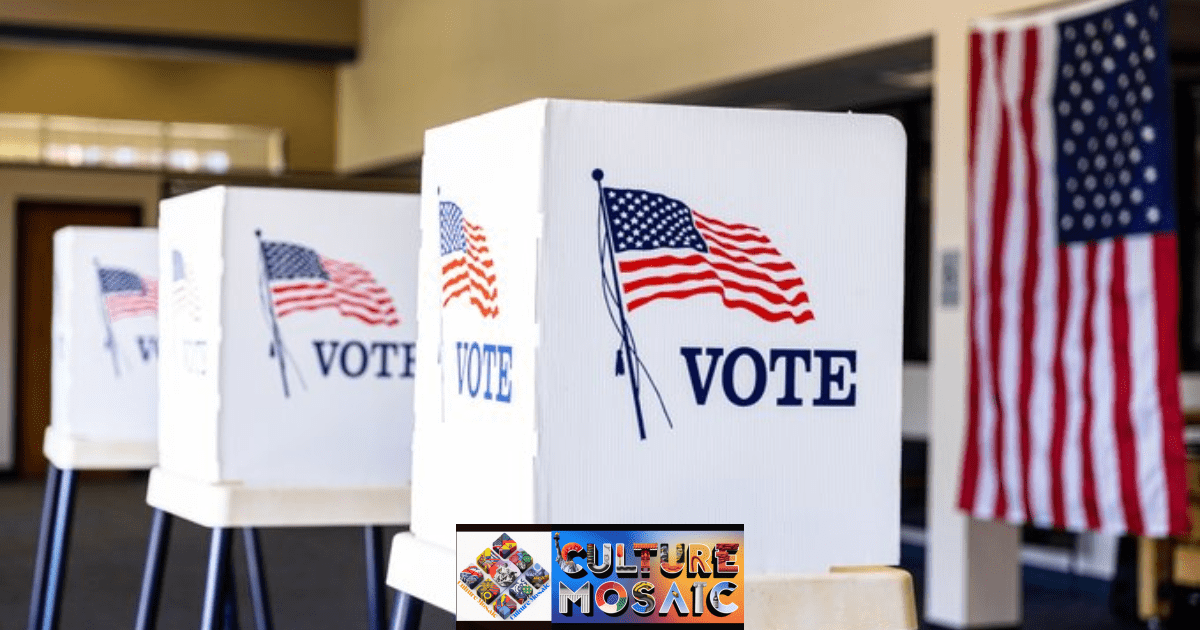
| ABOUT THE AUTHOR Marcus J. Holloway | Voting Systems Analyst & Civic Engagement Writer Marcus J. Holloway has spent fifteen years studying electoral infrastructure across thirty-two states. He has testified before state legislative committees on early voting access, consulted for county election boards on ballot processing workflows, and written extensively on the structural gaps that keep eligible voters away from the polls. His work sits at the intersection of civic systems design and on-the-ground voter mobilisation. Author Profile: https://culturemosaic.co.uk/contact-us/ |
Get Ready for Vote Early Day 2026: Your Ultimate Guide to Making Your Voice Heard!
Don’t let long lines dictate your civic power. Find out exactly when the national Vote Early Day 2026 date falls and what it means for your midterm vote.
| THE QUICK ANSWER The official Vote Early Day 2026 date is Tuesday, October 27, 2026. This falls exactly one week before the November 3, 2026 General Election and serves as a nationwide, nonpartisan push to help every eligible voter locate and use available early options before Election Day chaos sets in. |
Why the Vote Early Day 2026 Date Matters

Here’s what I’ve observed after years of watching elections play out across different states: Election Day itself is the single biggest point of failure in American civic participation. Not because people don’t care. Because life gets in the way. A flat tyre. A sick child. An unexpected work shift. The realities of everyday life shouldn’t cost you your vote.
The Vote Early Day 2026 date exists precisely to remove that single point of failure. It gives voters a designated moment weeks before the November 3 election to focus on logistics, confirm their polling sites, and pull the trigger on their ballots without the pressure of a hard deadline breathing down their necks.
And the numbers back this up. In 2024, over 85 million Americans cast their ballots before Election Day. That’s not a fringe behaviour anymore. That’s a significant chunk of the electorate choosing to sidestep the traditional Election Day experience entirely.
What Is Vote Early Day and Who Runs It?
Vote Early Day was founded in 2020 by MTV alongside a coalition of media companies, nonprofits, and civic organisations. It operates as a fiscally sponsored project rather than a standalone nonprofit: it launched under the New Venture Fund’s umbrella and subsequently moved to the Tides Center, which now handles its financial infrastructure. That structure matters because it lets the team concentrate entirely on voter mobilisation rather than administrative overhead.
The initiative isn’t tied to any party or political agenda. Its execution partners span an enormous range, from large media platforms down to grassroots community groups like Poder Latinx, which is among the most active on-the-ground promoters of the campaign. The whole point remains logistical: get voters informed about their options, connected to early voting resources, and actually through the door of a polling location or drop box before November 3.
The campaign operates as a “civic holiday” of sorts. Think of it like a national nudge. Partner organisations, community groups, employers, and local advocacy networks use October 27 as a moment to run events, share resources, and remind voters that early options exist in their area.
I’ve seen this kind of coordinated push make a measurable difference in turnout, particularly in communities where Election Day polling places are scarce or where shift work makes Tuesday voting genuinely difficult.
The Vote Early Day 2026 Date: How the Calendar Works

Vote Early Day is always set for the Tuesday falling exactly one week before General Election Day. In 2026, General Election Day is Tuesday, November 3. Count back seven days and you land on Tuesday, October 27. That’s your date.
Why a Tuesday specifically? The logic tracks with how early voting windows operate. In most states, early voting ramps up through the final two weeks before Election Day. By the time October 27 arrives, the vast majority of early voting locations are open and fully operational. Casting your ballot on or around the Vote Early Day 2026 date means you’re not trying to vote into a system that isn’t ready yet.
Key Milestone Roadmap: Fall 2026 Elections
| Date / Deadline | Milestone Details |
|---|---|
| Early Oct 2026 | Voter registration deadlines close across most states. Check your status now. |
| Tue Oct 27, 2026 | Vote Early Day 2026 — The national day of action. Submit mail ballots, use early polling locations, and share resources. |
| Oct 31, 2026 | Late early-voting windows close in several key states. Last chance for in-person early options in those jurisdictions. |
| Tue Nov 3, 2026 | General Election Day. Absolute final opportunity to cast an in-person ballot. |
State-by-State Early Voting Windows Around Vote Early Day 2026
One thing that trips people up: early voting is not a federal programme with uniform rules. Every state does it differently. Some open early voting windows as far as forty-five days before Election Day. Others offer just three to five days of in-person early voting. A handful still restrict early voting significantly.
Here’s a rough breakdown of what you can expect by region around the Vote Early Day 2026 date:
- North Carolina: In-person early voting runs October 15 to October 31 across all counties.
- New York: General election early voting period typically runs nine days ahead of November 3.
- Texas: Early voting for the November 3 election typically opens in mid-October, running through the Friday before Election Day.
- California: Mail ballots go out in early September, making the entire lead-up to November 3 a de facto early voting window.
- Some states with limited early voting: voters should check their secretary of state website directly for location-specific windows.
Always verify through your specific county or state election authority. The dates above are general guidance, not legal deadlines.
How Vote Early Day 2026 Connects to Wider Civic Participation Trends
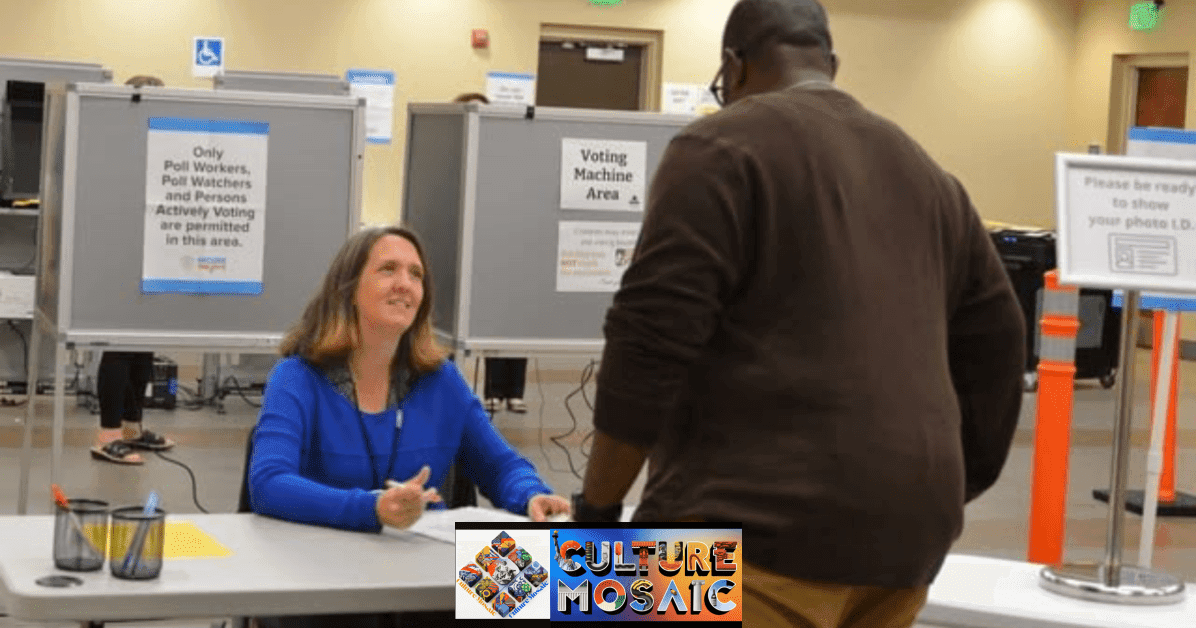
If you’ve been following the Declining Civic Knowledge in US over the past decade, the case for Vote Early Day becomes even sharper. Voter suppression doesn’t always look like a law. Sometimes it looks like a polling place that’s only open from 7 a.m. to 7 p.m. on a Tuesday when most working adults can’t take time off.
Early voting is one of the structural fixes that doesn’t require a legislative overhaul. It works within the existing framework. Vote Early Day simply makes more voters aware that the option is sitting right there.
Your Pre-Vote Checklist for the Vote Early Day 2026 Date
Step 1: Confirm Your Voter Registration Status
Do this at least three weeks before October 27. Most states have a registration deadline of around ten to thirty days before Election Day. Showing up to vote on the Vote Early Day 2026 date without confirmed registration is the most avoidable way to be turned away.
Step 2: Find Your Early Voting Location
Your county election board’s website will have this. Don’t rely on the same polling place you used in 2024. Early voting sites can and do move between election cycles. Some are added; some are dropped.
Step 3: Check Your State ID Requirements
Thirty-five states currently require some form of photo ID to vote in person. Know what your state accepts before you walk through the door. A library card won’t cut it in most strict-ID states.
Step 4: Decide Between In-Person and Mail Ballot
If you’re planning to vote by mail, your ballot request deadline may land before October 27. Several states require mail ballot requests to be filed by mid-October. Check this now. Don’t let the Vote Early Day 2026 date roll around and find you’ve already missed the mail ballot window.
The Role of Community Infrastructure in Early Voting Turnout
I think we underestimate how much local infrastructure shapes voter behaviour. It isn’t just about willingness to vote. It’s about whether the structural scaffolding is there to support it. This is something explored in depth through Local Civic Engagement Strategies, where the evidence consistently points to proximity and accessibility as the dominant variables in whether someone actually casts a ballot.
When a community college or library hosts an early voting satellite location, turnout in that precinct goes up. Not marginally. Noticeably. The Local Community College networks across the country have been instrumental in hosting early voting sites, particularly in areas with high concentrations of young voters who may face transportation challenges.
What Changes in 2026 Compared to Previous Vote Early Day Campaigns
The 2026 midterms are not a quiet cycle. Senate control is genuinely contested. Several governor’s races could go either way. House seats that looked safe two years ago are now legitimately competitive. What that means in practice: election offices are bracing for volume. Early voting infrastructure that handled a manageable load in 2022 will be tested harder this time. I’d expect longer queues at in-person early sites in major metros, heavier mail ballot processing backlogs, and more aggressive get-out-the-vote pressure from both sides. October 27 is when mobilisation energy peaks. Using it is just smart.
Several battleground states have quietly expanded their early voting access since 2024. New sites, longer hours, more drop box locations. That broadens the real-world reach of the Vote Early Day 2026 date considerably. More voters now have a genuine option that wasn’t on the table two years ago. If you’re in one of those states and you’ve been burned by Election Day chaos before, this is your cycle to do it differently.
If you’re tracking the political context heading into November 3, the Speaker of the House Vote Recap gives useful background on the Congressional dynamics shaping who actually shows up in November.
Mail Voting, Drop Boxes, and the Vote Early Day 2026 Date
Got a mail ballot sitting on your kitchen table right now? I see this every cycle. People request them with good intentions, then let them sit. October 27 is your forcing function. Finish it. Sign it. Get it in a drop box. Don’t let it become a piece of paper you find three weeks later under a stack of mail.
Drop box hours are not universal. Some are 24-hour. Some close at 5 p.m. I have personally watched voters arrive at a locked drop box two minutes after cutoff with a completed ballot in hand. That ballot didn’t count. Know your box’s schedule before you drive there.
Postmark rules. This is where people get hurt. A lot of voters assume that mailing a ballot before Election Day is sufficient. In several states it isn’t. Receipt by Election Day is the requirement, not postmark. In a high-volume October postal environment, a ballot dropped in a mailbox on the 27th may not arrive by November 3. Use a drop box. Remove the variable.
Historical Context: Where Did Vote Early Day Come From?
The origin of Vote Early Day is simple, almost embarrassingly so. Somebody looked at the civic calendar and noticed that all the pressure, all the resources, all the messaging was piled onto a single Tuesday in November. Everything converged on one point. And when one point fails, everything fails. One week earlier, the window is open, the sites are staffed, the lines are shorter. Nobody had bothered to make that week feel like a moment. So they did.
2020 changed the whole texture of early voting in America. Pandemic conditions pushed people toward mail and early in-person options out of necessity. What they found when they got there was a revelation: shorter queues, calmer facilities, staff who actually had time to help. A lot of voters who’d never considered early voting before walked out of those 2020 early sites thinking: why have I been doing this the hard way on Election Day for twenty years?
Vote Early Day is trying to lock that shift in. Make it a default, not a workaround. There’s a real difference between a voter who chooses to vote early and one who stumbles into it because there was a pandemic. The first one comes back the next cycle. The second one might not.
For perspective on how electoral dynamics have shifted in recent cycles, including the 2024 presidential race, the Has Trump Won the Election piece offers a useful breakdown of how early voting patterns influenced that outcome.
How Employers and Organisations Can Observe Vote Early Day 2026
Vote Early Day has a formal partner programme through the Vote Early Day partner programme. Employers pledge to give workers time off, circulate internal comms with early voting resources, or run on-site events. Schools, libraries, and community organisations host registration drives tied to the October 27 date. The infrastructure is there. The question is whether organisations use it.
I’ve sat in on enough voter mobilisation planning sessions to know what actually works. It isn’t branded coffee cups or a table of stickers in the breakroom. It’s a manager saying: there’s an early voting site two blocks away, here are the hours, take your lunch break over there on the 27th. Specificity. That’s the variable that moves people.
For publication platforms and content communities like culture mosaic, Vote Early Day also presents an editorial opportunity to surface civic information to engaged audiences who may be seeking exactly this kind of practical guidance.
Common Misconceptions About the Vote Early Day 2026 Date
Misconception 1: Early voting is only for people who will be away on Election Day
Wrong, in most states. The excuse-required model is genuinely fading. Most Americans now live in states where you can walk into an early polling site for no reason other than wanting to avoid the November 3 crush. Check your secretary of state’s website, but don’t assume a rule from 2018 still stands.
Misconception 2: Mail ballots are less secure than in-person votes
I’ve spent time with the actual chain-of-custody protocols on mail ballot processing. Signature matching. Bar code tracking from the moment the ballot is issued to the moment it’s opened. Canvassing board review. The paper trail on a mail ballot is, in several respects, more detailed than what exists for an in-person vote cast on an electronic machine. Documented fraud rates in mail voting systems are vanishingly small. The rhetoric on this one runs well ahead of the evidence.
Misconception 3: Voting early means your ballot might not count if you change your mind
Your early ballot is locked in. It counts exactly the same as any ballot cast on November 3. You can’t retrieve it, you can’t swap it. I know that makes some people nervous. Here’s how I think about it: that finality is the system working correctly. Go in decided. Do your research beforehand. Then pull the lever and stop second-guessing.
Practical Accessibility Features at Early Voting Sites
Under the Help America Vote Act, early voting sites carry the same accessibility obligations as Election Day polling places. Wheelchair access, accessible parking, assistance for voters with visual impairments. On paper, the floor is consistent. In practice, implementation varies more than it should, particularly in rural counties where resources are thinner.
Some counties go considerably further: curbside voting for voters who can’t enter the building, bilingual ballot materials, extended weekend hours specifically designed around shift work schedules. If you have a specific access requirement, call your county election office before October 27. Ask what they offer at the site you’re planning to use. Don’t arrive and discover the ramp is on the wrong side of the building.
How to Track Early Voting Participation Data in Your State
This is genuinely one of the more interesting things you can do in the weeks before November 3. Several states post running early vote totals as the window progresses: cumulative ballots cast, breakdowns by registered party affiliation, county-by-county comparisons to prior cycles. It’s all sitting on your secretary of state’s website, usually updated daily. For anyone who follows elections closely, it’s addictive reading.
Early vote data doesn’t predict outcomes on its own. A high early vote number in a county tells you that enthusiasm is there; it doesn’t tell you which way that enthusiasm is pointing. But if a county that historically runs 30,000 early ballots is already at 45,000 with a week to go, something is happening. Watching that data around the Vote Early Day 2026 date is a reasonable way to take the temperature of the cycle.
Final Thoughts: Why October 27 Is a Date Worth Circling
October 27 isn’t a deadline. Nobody is going to penalise you for voting on the 28th or the 30th. But here’s what I’ve seen over fifteen years of watching election cycles: voters who have a specific date in mind actually show up. The ones who tell themselves they’ll figure it out eventually, often don’t. The Vote Early Day 2026 date is a hook. Something to write on a calendar. A Tuesday morning you’ve already mentally reserved.
The 2026 midterms matter in the specific, unglamorous way that midterms usually matter: Senate seats, state governors, local ballot measures that will shape how your county runs for the next four years. None of it is resolved by caring. It’s resolved by people actually casting ballots. If you’re going to do it, do it on October 27 when the infrastructure is ready and the lines haven’t built yet.
Mark October 27 now. Then show up.
Frequently Asked Questions About the Vote Early Day 2026 Date
Q1: What is the official Vote Early Day 2026 date?
- Tuesday, October 27, 2026. That’s the date. One week exactly before General Election Day on November 3.
- It’s a nonpartisan national initiative with one practical goal: get more eligible voters casting ballots before Election Day chaos sets in.
- The date is fixed every year to the Tuesday seven days before General Election Day. Simple formula, same logic each cycle.
- In 2026 that timing lands squarely inside most states’ active early voting windows, when sites are open and staffed.
- For state-specific site locators and partner resources, voteearlyday.org is the most direct starting point.
Q2: Can I vote early if I have no specific reason to miss Election Day?
- In the vast majority of states, yes. You don’t need a documented reason. Just show up at an early voting site.
- States that still require an excuse for absentee voting are a shrinking minority, and several have changed their rules since the last midterm.
- Check your secretary of state’s website for the specific rules in your state. Don’t rely on what applied in 2022.
- Even in states with stricter mail ballot rules, in-person early voting is often a no-excuse option. The two systems sometimes operate under different legal standards.
- When in genuine doubt, call your county election office. They’re the authoritative source, and most are happy to answer.
Q3: How do I find my nearest early voting location for Vote Early Day 2026?
- Your county election board’s website is the most reliable place to start. It lists every authorised early voting site with addresses and hours.
- vote.org has a solid address-based lookup tool that works across all fifty states for early voting location searches.
- Google now surfaces voting location information directly in search results for relevant queries. Worth trying, but always cross-check against the official county site.
- Hours vary by day of the week at most sites. A Tuesday at 6 p.m. might be fine; a Saturday might close at noon. Confirm before you drive.
- Bring your voter registration card or confirmation email if you have one. Not always required, but it speeds up check-in when things are busy.
Q4: Is there a difference between voting early in person and voting by mail?
- In-person early voting means physically going to a designated site before November 3 and casting your ballot on a machine or paper form, the same way you would on Election Day.
- Mail voting means your ballot comes to you by post. You complete it at home, at your own pace, and return it either through the mail or via a certified drop box.
- Both count identically in the final tally. One is not worth more than the other.
- Mail ballots require a separate application, and the request deadline in many states falls before October 27. If you’ve missed it, in-person early voting is your next option.
- The Vote Early Day 2026 date covers both tracks. Whether you’re dropping off a mail ballot or walking into a polling site, October 27 is a practical target for either.
Q5: What should I bring to an early voting site on Vote Early Day 2026?
- ID requirements vary a lot by state, and they’ve changed in several jurisdictions since 2024. Look up your state’s current rules before you leave the house.
- Roughly thirty-five states require photo ID. Others accept a utility bill or bank statement showing your current address. Know which category your state falls into.
- Your voter registration card isn’t always mandatory, but it speeds up the check-in process when the line is moving and poll workers are trying to keep things flowing.
- Some states require you to vote at a specific early site assigned to your precinct. Others operate county-wide, meaning any site in the county will accept your ballot. Know which model applies before you drive across town to a location that can’t process you.
- Write the address down on paper. Phones lose signal, batteries die, maps app stalls at the worst moment. A written address costs nothing and has saved more than a few people I know from arriving at the wrong location.
Q6: When is General Election Day 2026?
- Tuesday, November 3, 2026. That’s the hard stop. Miss it and your vote doesn’t exist for this cycle.
- October 27, the Vote Early Day 2026 date, gives you a full week of buffer. One week is enough time to handle almost any logistical obstacle that comes up.
- Most Election Day polling places run from around 7 a.m. to 8 p.m. local time, but that window varies. Your county election board’s site will show exact hours for your assigned location.
- If November 3 is your only remaining option, your county election board’s website will show your assigned polling place. Go early in the day. Lines build by mid-afternoon in competitive districts.
- ⚠️ Use the safety net only if you have to. October 27 is the target.
 Marcus J. Holloway