
 By Culture Expert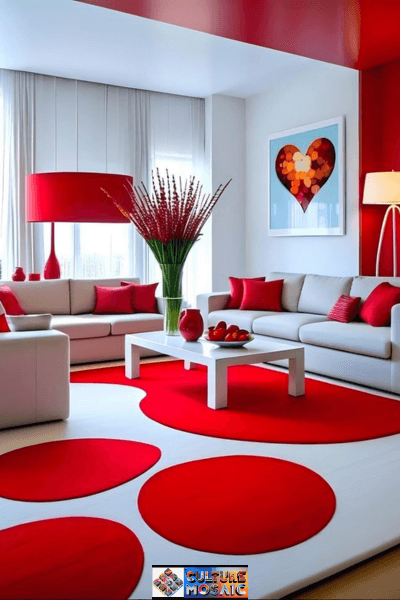
| About the Author Charlotte Ainsworth is an interior designer with twelve years of experience fitting out flats and family homes across the UK, with a particular obsession with textiles, texture, and the way a single rug can rescue an otherwise flat room. She writes for Culture mosaic, where she covers modern interiors, materiality, and the small decisions that make a house feel considered. Author profile: https://culturemosaic.co.uk/contact-us/ |
Modern Living Room Rugs Interior: I’ve walked into a lot of living rooms that looked expensive and still felt wrong. Good sofa. Nice art. Decent lighting. And then you look down and there’s either no rug at all, or one so small it looks like a bath mat lost under the coffee table. That gap between “nice furniture” and “a room that actually works” is almost always the floor.
Here’s the problem I keep running into with clients. They’ll spend real money on a sculptural armchair or a statement light fixture, then treat the rug as an afterthought — something to grab on a Saturday afternoon because the floor looked bare. I get why. Rugs are confusing to shop for. There’s the size question, the material question, the “will this clash with my sofa” question, and underneath all of it, a nagging fear of spending three hundred pounds on something that just doesn’t work once it’s actually down.
I’ve felt that same hesitation standing in a showroom, rug swatches in hand, second-guessing a colour I loved twenty minutes earlier. It’s a real feeling, and it’s the reason so many living rooms stall at “almost done.”
So let’s fix it properly. Below is everything I’d tell a client sitting on my sofa right now about modern living room rugs interior choices — trends, materials, colour, placement, and where I’d actually go to buy one, plus the mistakes that quietly wreck an otherwise good room.
Why the Rug Is Doing More Work Than You Think
A rug isn’t decoration. It’s structure. It defines where the “living” part of your living room actually happens, separates a seating area from a walkway, and softens every hard surface in the room — sound included. Take it away and a lot of modern living rooms, especially ones with wood or tile floors, get loud and a bit cold, literally and visually.
I’ve had clients tell me the room “feels finished” the moment the rug goes down, before a single cushion is adjusted. That’s not a coincidence. The rug is the largest single object in most rooms after the sofa, so it carries more visual weight than almost anything else you’ll choose.
Modern Living Room Rugs Interior Design Ideas Worth Stealing Right Now
If you look at where modern living room rugs interior design has moved in the last couple of years, a few patterns keep showing up in the flats and houses I work on:
- Low-pile, high-texture weaves. Flatweaves and looped wool are replacing the thick shag rugs of a decade ago, mostly because they’re easier to keep clean and they layer better with underfloor heating.
- Oversized, minimal patterns. Instead of busy medallions, large abstract washes of colour or a single subtle border read as texture from across the room, not as noise.
- Natural fibre bases with a modern twist. Jute and sisal, but woven tighter and often blended with wool for softness underfoot.
- Rugs that reference the art on the wall. A muted echo of a painting’s palette, not a matching set — that’s the detail that makes a room feel designed rather than decorated.
- The wildcard one: a rug in an unexpected shape. I’ve used a rounded rug under a circular coffee table in a small London flat, and it softened the room’s hard edges more than any cushion could.
Material Options: What’s Actually Practical for Real Life
Every material has a trade-off, and I’d rather tell you the honest version than the showroom version.
Wool is the material I recommend most often. It’s warm, it resists dirt naturally, and it holds its shape for years. It costs more upfront, but I’ve replaced far fewer wool rugs for clients than anything synthetic.
Synthetic fibres like polypropylene and polyester have improved a lot. They’re a sound choice if you’ve got young kids, pets, or a tight budget, and the good ones now look close enough to wool that guests won’t clock the difference.
Jute and sisal bring in that raw, grounded texture that suits a lot of modern spaces, but they’re rougher underfoot and don’t love moisture, so I’d avoid them near a garden door or a spot where drinks get spilled often.
Viscose looks luxurious — almost silk-like — but it stains easily and isn’t the one I’d choose for a busy family living room. Gorgeous in a formal sitting room nobody eats crisps in, though.
Colour Palettes That Actually Work With a Modern Space
Colour is where most of the anxiety lives, so here’s how I approach it.
Neutral doesn’t mean boring. Warm greys, oatmeal, and soft taupe give you a base that won’t fight with anything, and they photograph beautifully, which matters if you’re thinking about resale or just want the room to feel calm rather than curated.
If your furniture is already neutral, the rug is your chance to bring in colour without redecorating the whole room. A rug in a muted terracotta or deep green under a grey sofa does more for a space than another cushion ever will.
Pattern and colour together work best when you pick a rug first and build the rest of the palette around it, rather than trying to match a rug to furniture you’ve already bought. I know that’s backwards from how most people shop, but it’s the order that actually produces a cohesive room.
Matching a Rug to Your Interior Style
- Scandinavian or minimalist rooms: pale, low-pile wool or a soft grey flatweave, kept simple so the architecture and light do the talking.
- Mid-century modern: geometric patterns in mustard, rust, or teal, ideally with a bit of a shine to the wool.
- Industrial loft spaces: chunky jute or a distressed-look rug that plays against exposed brick and metal.
- Traditional or transitional living rooms: a Persian-inspired pattern in muted, worn-in colours rather than the bright, new-looking version.
- Coastal or relaxed spaces: light, textured natural fibres, almost bleached in tone.
If any of this has you thinking about the wider room and not just the floor, it’s worth reading How Can I Live a Luxury Life for how the small material choices add up, and Modern Luxury Modern Living Room Furniture for how rugs sit alongside the bigger furniture decisions.
Rug Placement Living Room With TV: Getting the Size Right
This is the question I get asked more than any other, so here’s the short version.
Front legs on, back legs off. All the seating in the conversation area should have at least its front legs on the rug — sofa, both armchairs. The rug should feel like it’s anchoring the whole seating group, not just sitting under the coffee table on its own.
For a living room built around a TV, the rug generally runs from the front of the media unit to under the front legs of the sofa, tying the two together as one zone rather than two separate islands. A rug that’s too small here is the single most common mistake I see — it shrinks a room instead of opening it up.
As a rough guide: a small living room usually needs at least a 5×8ft rug, an average room does well with 8×10ft, and a larger open-plan space often wants a 9×12ft or bigger. Bigger, within reason, is almost always the safer call.
Rug Placement Bedroom: The Same Logic, a Different Room
Since the placement question comes up for bedrooms just as often, it’s worth a quick note here. In a bedroom, the rug should extend at least 18 to 24 inches beyond the sides and foot of the bed, so your feet land on something soft the moment you get up, rather than clipping cold floor at the edge. Two smaller runners on either side of the bed work too, especially in a room too small for one large rug to sit comfortably under the whole frame.
Living Room Rugs – IKEA and Where I’d Actually Shop
I like recommending IKEA to clients who want a good-looking rug without the four-figure price tag. Their flatweaves and wool blends punch well above their price point, and because their sizing runs fairly standard, it’s easy to plan a room around one before it even arrives. It’s not where I’d go for a rare, one-off statement piece, but for a reliable, well-made base layer, it’s hard to beat on value.
For something with more character, I tend to look at independent weavers and smaller studio brands, where you’re paying for a design you won’t see in every third flat on your street.
What Actually Happens When You Get This Right
This is where good modern living room rugs interior decisions actually pay off. I worked with a couple in a new-build flat last year whose living room had good furniture but felt strangely unfinished — flat, almost showroom-like. We swapped their undersized rug for a properly scaled wool flatweave in a warm oatmeal, sized so every piece of seating sat on it. They messaged me a week later to say guests kept asking if they’d had the room done up, when really, we’d changed one thing. That’s the pattern I see over and over: the rug is rarely the most expensive item in the room, but it’s often the one decision that makes everything else look intentional.
Frequently Asked Questions About Modern Living Room Rugs Interior
What size rug should I choose for a modern living room?
As a starting point, aim for a rug large enough that the front legs of your sofa and armchairs sit on it, which usually means 8×10ft for an average-sized room, 9×12ft for a larger or open-plan space, and around 5×8ft for a smaller room. Going slightly bigger than you think you need almost always looks better than going smaller.
How do I know if a rug will clash with my furniture?
Pull a fabric swatch or cushion cover from your sofa and hold it against the rug sample in natural daylight, not showroom lighting. If the undertones fight — one warm, one cool — you’ll notice it immediately. When in doubt, a neutral rug with one shared accent colour is the safest route to a cohesive room.
Are natural fibre rugs like jute practical for everyday living rooms?
They’re striking and textural, but they’re rougher underfoot and don’t handle spills well, so I’d reserve them for lower-traffic areas or pair them with a softer layer, like a smaller wool rug on top, in a spot where the family actually sits and eats.
How often should a living room rug be replaced?
A good wool rug, properly cared for, can easily last ten to fifteen years, while synthetic rugs in busy households often show wear within three to five. Rotating the rug every six months or so evens out sun fading and foot traffic, which stretches its life considerably.
Can I layer two rugs in the same living room?
Yes, and it’s one of my favourite tricks for adding warmth without redecorating. A large jute or sisal base with a smaller patterned or wool rug on top, slightly offset, adds texture and depth that a single rug can’t manage on its own.
There’s a version of your living room that already exists in your head — the one where everything looks like it belongs. Nine times out of ten, the missing piece is underfoot, not on the wall.