
 By Culture Expert
Open any home design page today, and the pattern is hard to miss. You’ll see muted colours, soft lighting, carefully arranged furniture, and everything perfectly in place. It looks calm, expensive, and effortless. But that version of a home is built for a photo, not for daily use.
What tends to get missed is what happens after the photo is taken. How the space holds heat. Whether it feels cold on winter mornings. How often things need cleaning, fixing, or replacing. These are the parts that don’t make it onto Pinterest boards, but they shape how a home actually feels to live in.
Where Good Design Starts to Fall Apart
Most trend-led interiors focus on what’s visible first. Paint, textures, décor, layout. All important, but none of them fix a room that feels cold or uncomfortable.
A living room can look finished and still feel off. Slight draught near the window. Uneven temperature between corners. Too much glare during the day, then poor lighting at night. These aren’t major issues, but over time, they become noticeable.
The UK Green Building Council has repeatedly pointed out that building performance plays a major role in long-term comfort. Still, it’s rarely the first thing people address when renovating. That gap is where most “perfect” interiors quietly fail.
The Maintenance No One Talks About
A lot of design trends come with hidden work. Matte walls look great at first, but they pick up scuffs and fingerprints easily. Open shelves feel airy until they need constant upkeep due to dust. Light fabrics photograph well, but they don’t forgive daily use. None of this shows up in the inspiration photos you see on social media or Pinterest.
What begins as a simple, clean and orderly setup frequently becomes something that requires regular care. The time and expense of minor repairs, touch-ups, and replacements add up. In the meanwhile, improvements like better insulation, improved glazing, and more lasting materials, are all of the upgrades that actually lower maintenance.
Comfort Isn’t Something You See
There’s a difference between a space that looks right and one that feels right. Temperature consistency, airflow, and sound control don’t stand out visually, but they define comfort. A room that loses heat quickly or traps cold air near windows will never feel settled, no matter how well it’s styled.
Data from the Energy Saving Trust shows how much heat loss is linked to inefficient windows. It’s a practical issue, not a design one, but it directly affects how a home performs. This is where many interiors fall short. They look complete, but they don’t behave like it.
Trends Move Fast, Homes Shouldn’t
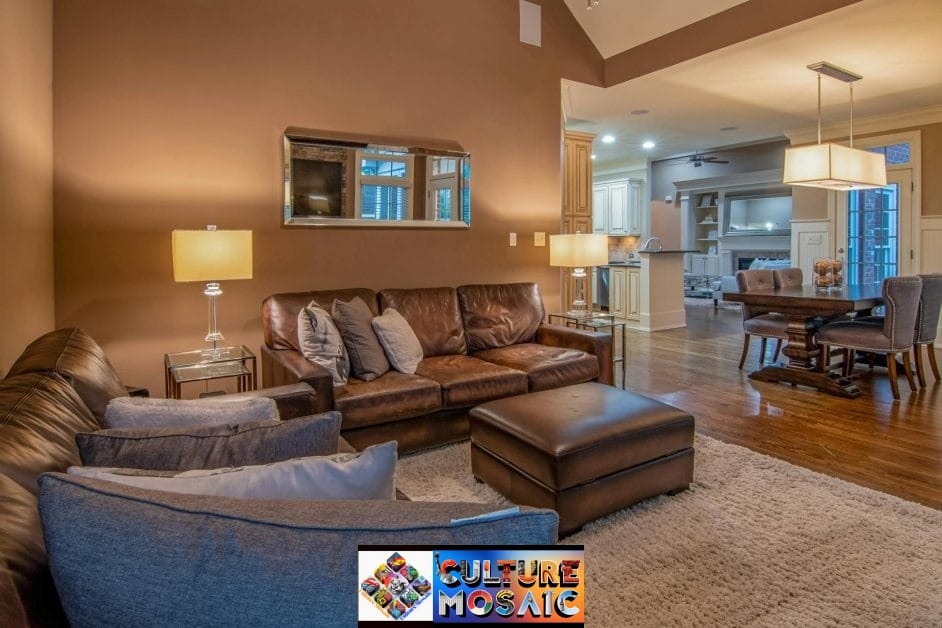
Design trends don’t last. What feels current today can start looking dated in a few years. That’s normal. The problem starts when the entire space is built around those trends. When that happens, updates become frequent. Walls get repainted. Fixtures get replaced. Styles get adjusted. It becomes a cycle.
But on the other hand, functional improvements tend to stay relevant. They don’t depend on what’s trending. For example, decisions like installing UPVC windows Droitwich tend to hold their value far longer than purely visual upgrades. One affects how a space looks. The other affects how it works.
What Actually Holds Value
From a property perspective, buyers don’t just focus on finishes anymore. There’s growing attention on energy efficiency, build quality, and long-term running costs. A freshly styled interior can impress at first glance, but issues like poor insulation or outdated windows often become noticeable during viewings through draughts, outside noise, or even the property’s energy rating.
Homes that perform well, retain heat, require less maintenance and feel stable throughout the year stand out in a different way. Not instantly, but convincingly. That shift is becoming more noticeable as energy costs rise and expectations change.
Rethinking What “Done” Really Means
A home can look complete without actually being complete. The better approach is less about rejecting trends and more about prioritising properly. Structural and performance-related elements should come first. Once those are in place, visual choices have a stronger foundation to sit on. It doesn’t make the space less stylish. It makes it more reliable.
A More Honest Standard for Design
The idea of a “well-designed” home is changing. It’s no longer just about how things look when everything is perfectly arranged. It’s about how the space holds up over time.
Does it stay comfortable across seasons? Does it require constant fixing?
A space built only for visual impact will always feel slightly incomplete. A space built with function in mind tends to settle better and stay that way.