
 By Culture Expert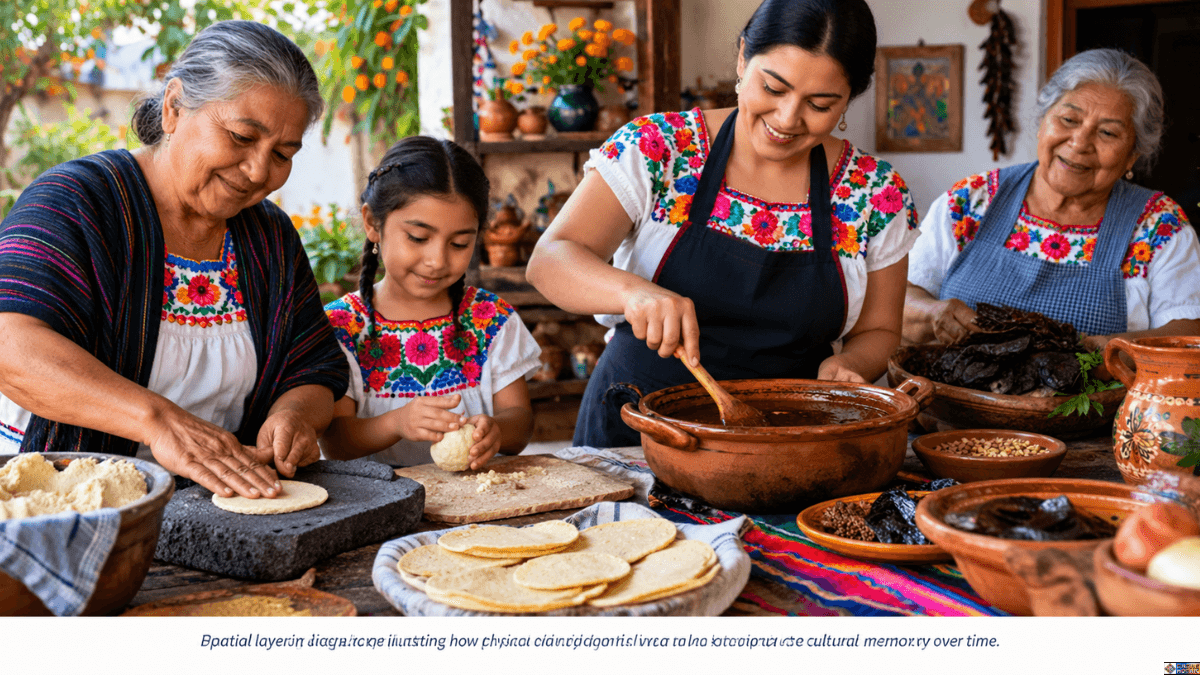
Quick Summary: Why is food important in Mexican culture?
In Mexican culture, food is far more than physical sustenance—it is a living tapestry of identity, history, and spiritual connection. Rooted in 9,000 years of Mesoamerican traditions, traditional Mexican cuisine binds multi-generational families through shared rituals (la comida), honors ancestors on sacred holidays (Día de Muertos), and preserves indigenous heritage through sacred staples like maize. Recognized by UNESCO as an Intangible Cultural Heritage of Humanity, Mexican gastronomy functions as an oral history passed from hand to hand, making every meal an act of love, memory, and cultural preservation.
Importance of Food in Mexican Culture: The Heartfelt Story Behind Every Meal
The Surface Problem: Commercialized Fast-Casual vs. Living Sacred History
Here is the problem: most people outside Mexico think they know Mexican food. Tacos on a Tuesday. A burrito the size of a forearm wrapped in foil. Perhaps a sugary margarita on a Friday night.
While fast-casual adaptions can be delicious, treating commercialized street food as the whole picture flattens a 500-year-old culinary tradition into a transactional menu board.
The Emotional Pain: What Happens When Cultural Context Is Lost
When a culture’s food is reduced to generic ingredients at a commercial chain, the actual story gets erased. You lose the grandmother who rises at four in the morning to nixtamalize corn by hand. You lose the reason a wedding is incomplete without handcrafted mole, or why placing a bowl of hot soup on an altar in November is an act of deep spiritual devotion rather than mere decoration.
To miss these nuances is to miss the entire Importance of Food in Mexican Culture—closing off one of the most vibrant windows into what Mexican identity truly is.
The Cultural Solution: Looking at the Table, Not the Menu
The solution is simple: slow down and look at the table. Not the restaurant menu—the family table. Once you understand why Mexican families cook what they cook, when they prepare it, and who they share it with, the entire culture opens up.
Understanding mexican food culture reveals how history, ancestral wisdom, and community warmth weave together in every dish.
1. Food as Identity, Not Just Fuel
In Mexico, food has never been simply about physical nutrition. A meal is a complex language expressing where a family is from, which saint’s day matters to a grandmother, and how an ancestral household balances Indigenous, Spanish, and Afro-Mexican heritage.
Ask someone from Oaxaca what authentic mole tastes like, then ask someone from Puebla or Yucatán the same question. You will receive completely different, passionately defended answers—and both will be historically accurate.
This expresses the heart of mexican culture food: it carries regional identity much like a surname. People do not merely choose the dishes their families have prepared for generations; the culinary lineage chooses them.
2. Ancestral Roots & Sacred Staples: The Ingredient That Built a Civilization
If traditional mexican food history has a spine, it is corn (maíz). Far from a simple side dish, corn has been cultivated for nearly 9,000 years, ever since Indigenous farmers in Mesoamerica domesticated teosinte grass. The ancient Maya Popol Vuh creation story records that the gods shaped the first true humans out of corn dough—an entire civilization’s origin story told through food.
That ancient reverence endures through nixtamalization—the process of soaking dried corn in an alkaline solution (water and lime/calcium hydroxide) before grinding it into masa.
This ancestral technique unlocks essential nutrients like Niacin (Vitamin B3) while giving authentic masa its pliable texture and mineral aroma. This time-honored process, preserved through Heritage Cooking Techniques, demonstrates why fast shortcuts cannot replicate true mexican traditional food.
Core Traditional Dishes and Their Sacred Meanings
- Mole: Far beyond a single chocolate-infused sauce, mole represents an intricate culinary family. In Oaxaca and Puebla, complex moles contain thirty or more ingredients—roasted chiles, toasted seeds, nuts, spices, and Mexican cacao—ground and simmered over days.
- Tamales: Dating back to pre-Hispanic times, tamales were designed by Mesoamerican cultures as portable, highly nutritious food wrapped in corn husks or banana leaves. Today, they remain central to Christmas, baptisms, and Día de la Candelaria, wrapped by hands that learned the fold through family lineage.
- Pozole: A sacred hominy soup with pre-Hispanic ritual origins. Depending on the state, pozole arrives in red, green, or white broths, showcasing how regional chiles adapt a shared heritage.
- Tacos al Pastor: Illustrates how mexican culture traditions absorb global influences. Adapted from Lebanese immigrants who brought vertical spit-roasting in the early 20th century, Mexican cooks transformed shawarma using local achiote and chiles, creating a modern classic like these Mexican Street Tacos al Pastor.
3. Where Food Meets Celebration: Ceremonial & Spiritual Food Traditions
Food in Mexico cannot be separated from sacred celebrations. Whether organizing a quinceañera, a wedding, or Día de Muertos, food forms the structural foundation of the event.
Mexican Ceremonial Food Calendar
Día de Muertos: Nourishing the Soul
During Día de Muertos, families erect layered ofrendas (altars) adorned with marigolds, candles, and dishes like pan de muerto and rich mole. The spiritual belief holds that deceased ancestors return to smell and absorb the essence of their favorite foods.
This ritual highlights how Dining Rituals form a bridge between the living and the departed.
4. Global Heritage: Historical & Functional Comparative Analysis
To understand why this cuisine achieved international acclaim, we can compare how historical ancestral principles translate into modern functions:
Mesoamerican Culinary Traditions vs. Modern Functions
In 2010, UNESCO recognized mexican food unesco heritage status by adding traditional Mexican cuisine to the Representative List of the Intangible Cultural Heritage of Humanity.
UNESCO honored the entire agricultural and social matrix—including milpa farming, nixtamalization, and community cooking rituals—demonstrating that Mexican gastronomy is a living cultural treasure.
The Sustainable Milpa Crop Trinity
The “Three Sisters” of Mesoamerican Agriculture & Nutrition
🌽 CORN / MAIZE
Provides structural support & living trellising for climbing bean vines.
🫘 BEANS
Fixes atmospheric nitrogen into the soil to naturally fertilize Corn & Squash.
🎃 SQUASH
Broad leaves shade the soil, retain ground moisture, and suppress weed growth.
A Complete Mesoamerican Diet
Corn delivers essential complex carbohydrates + Beans supply proteins & amino acids + Squash contributes vital vitamins, minerals & healthy fats.
5. The Kitchen as a Classroom for Cultural Preservation
Much of what makes mexican food culture facts so rich was never written down in formal cookbooks. Instead, culinary knowledge moves from parent to child through touch, aroma, and shared physical practice. Standing together at the comal (clay griddle), cooks refine recipes using instinct rather than rigid measurements.
This transmission helps ancient traditions survive across centuries. Through Culture mosaic, readers can explore how global food heritage thrives through authentic home preparation.
Visual Suggestions for Readers & Content Creators
- Infographic Idea – The Milpa Triad: A visual representation showing how Corn, Beans, and Squash grow together in ecological synergy, paired with a nutritional breakdown of how they form a complete protein.
- Interactive Map – Regional Flavor Profiles: A map of Mexico highlighting key regional specialties:
- Oaxaca: Moles, Tlayudas, Quesillo.
- Yucatán: Cochinita Pibil, Achiote, Sour Orange.
- Puebla: Chiles en Nogada, Mole Poblano.
- Baja California & Coasts: Fresh Seafood Tacos, Ceviche.
- Northern States: Flour Tortillas, Dried Meat (Carne Seca), Grilled Beef (Carne Asada).
FAQs About the Importance of Food in Mexican Culture
Credible Sources & Citations
- UNESCO Intangible Cultural Heritage: Traditional Mexican Cuisine – Living, Inscribed Heritage System (2010 Inscription Document).
- INAH (Instituto Nacional de Antropología e Historia): Mesoamerican Agricultural Systems and the History of Maize Domestications. National Institute of Anthropology and History, Mexico.
- Pilcher, Jeffrey M.: Que Vivan los Tamales! Food and the Making of Mexican Identity. University of New Mexico Press.
- Coe, Sophie D. & Coe, Michael D.: The True History of Chocolate. Thames & Hudson.
- National Museum of the American Indian (Smithsonian Institution): The Sacred Molcajete and Metate: Ancestral Foodways of Mesoamerica.