
 By Culture Expert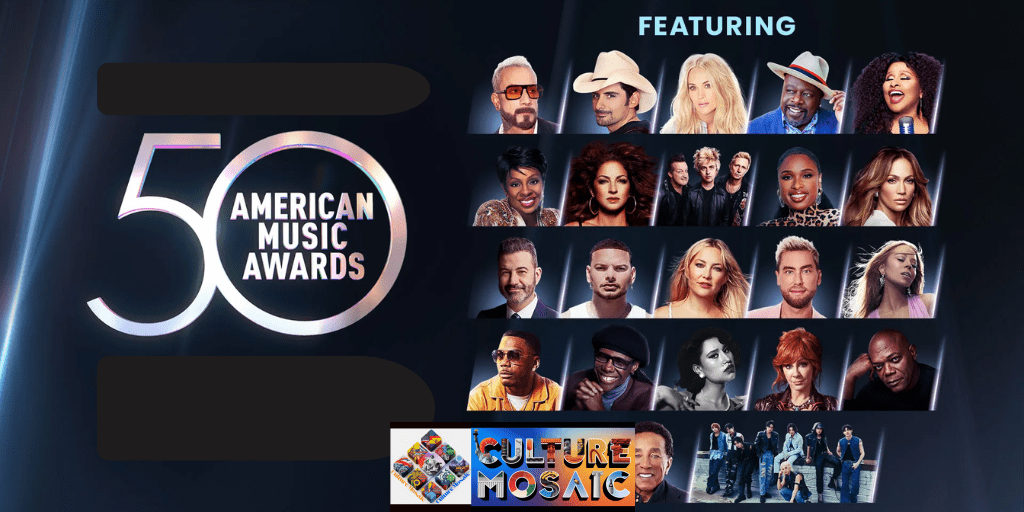
“The industry gives out trophies, but the fans grant immortality.”
Fan Power Unleashed: Inside the 2026 AMAs American Music Awards
The 52nd Annual Amas American Music Awards officially took over the MGM Grand Garden Arena in Las Vegas on Monday, 25 May 2026, delivering one of the most unpredictable, genre-blurring nights in recent pop-culture memory. This was not a polite evening of industry backslapping. It was a reckoning. Fifty million votes, streaming data from twelve platforms, and a crowd on its feet before the opening monologue had even finished.
Returning to CBS and Paramount+ for the second consecutive year, the ceremony proved exactly why the AMAs hold a different kind of weight than any other night on the awards calendar. Peer-voted shows prioritise insiders; the Amas American Music Awards exist as an unfiltered readout of cultural obsession. Twelve new categories, a historic solo host, and a headline act accepting their trophy from inside one of the biggest arena tours on earth. Some nights, the circus comes to you. This one came to Las Vegas.
| Category | 2026 Winner | Notable Nominees |
|---|---|---|
| Artist of the Year | BTS | Taylor Swift, Bruno Mars, Morgan Wallen, Bad Bunny |
| New Artist of the Year | KATSEYE | Alex Warren, Ella Langley, Olivia Dean, Sombr |
| Song of the Year | EJAE, Audrey Nuna, Rei Ami — “Golden” | Taylor Swift, Sombr, Sabrina Carpenter |
| Song of the Summer (New) | BTS — “Swim” | Alex Warren, Taylor Swift |
| Best Rock/Alternative Song | Sombr — “Back to Friends” | Twenty One Pilots, Billy Idol |
| Best Rock/Alternative Album | Sombr — I Hardly Knew Her | Twenty One Pilots |
| Best Female R&B Artist | SZA | Teyana Taylor, Kehlani |
| Best Latin Album (New) | Karol G | Bad Bunny, Fuerza Regida, Peso Pluma |
| Best Throwback Song (New) | Black Eyed Peas — “Rock That Body” | Fan-voted archival bracket |
| International Artist of Excellence | Karol G | Special award |
| Lifetime Achievement Award | Billy Idol | Special award |
A Brief History of the Amas American Music Awards
Before you can understand what the 2026 AMAs meant, you need to know where they came from. Dick Clark created the American Music Awards in 1973 for ABC, after the network lost its contract to air the Grammy Awards. His solution was not simply to build a replacement show. He built a fundamentally different one. Where the Grammys relied on industry academy members to decide winners, Clark handed the ballot to the public.
The first ceremony aired on 19 February 1974 at the Earl Carroll Theatre in New York City, hosted by Helen Reddy, Roger Miller, and Smokey Robinson. It was a scrappier, more democratic affair than anything else on television at the time. Over the next five decades, the AMAs expanded from a handful of pop categories into a 50-plus-category ceremony spanning hip-hop, country, Latin, rock, R&B, electronic, and more.
From 1973 through 2005, nominations and winners were selected by music industry professionals. Then, in 2006, the show made the structural shift that would define its modern identity: winners would be determined entirely by public fan voting. That decision, at the time, felt risky. In retrospect, it was prescient. It anticipated the world we now live in, where fandoms move markets, crash websites, and genuinely dictate cultural outcomes.
The AMAs now air in over 200 territories worldwide, produced by Dick Clark Productions under the Penske Media Corporation umbrella. In 2025, the broadcast moved from ABC to CBS and Paramount+, reaching over 10 million unique viewers — the show’s largest audience since 2019.
Why the Amas American Music Awards Hit Differently Than Other Shows
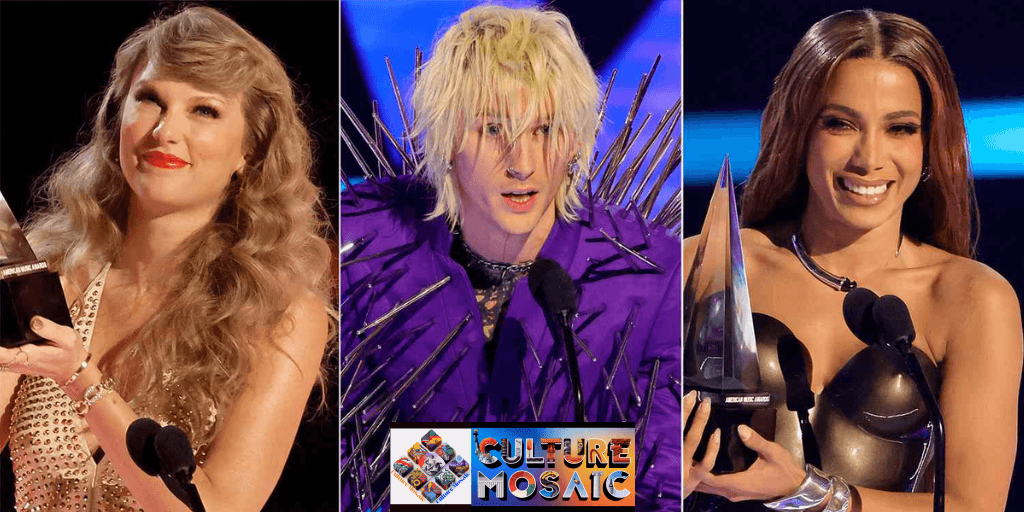
I’ve covered the Grammys, the Brits, and the VMAs. Each has its own texture. But the Amas American Music Awards occupy a specific emotional frequency that none of those others quite match. The nominations are data-driven, based on Billboard chart activity including streaming, album sales, radio airplay, and social engagement. But the actual trophy? That comes from votes cast by the public.
It means the winner in any given category is not necessarily the most critically acclaimed artist of the year. It is the artist with the most activated, most motivated fanbase at the moment the polls open. That gap between critical consensus and fan democracy is where the AMAs live. It is also why BTS won Artist of the Year in 2021, again in 2026, and why Taylor Swift has accumulated 40 wins over her career — more than any artist in the show’s history, ahead of Michael Jackson’s 24.
For artists, winning an AMA means something specific: your people showed up. There is a rawness to that which a technical Grammy committee cannot replicate.
For broader context on how events like this shape the live music economy, Culture Mosaic has written extensively on the intersection of fan culture and commercial impact. The breakdown of What Is the Economic Impact of Music Festivals? is worth reading alongside any awards season analysis.
Queen Latifah Makes History as Solo Host of the 2026 AMAs

She walked out to one of the warmest receptions the MGM Grand Garden Arena has heard in years. Queen Latifah returned as the host of the American Music Awards (AMAs) on May 25, 2026, marking exactly 31 years since she first co-hosted the show in 1995 with Tom Jones and Lorrie Morgan. This time, she took the stage alone.
The solo billing matters. The AMAs have historically relied on multiple co-hosts to carry the broadcast, partly because the sheer volume of categories demands energy management. Latifah dispatched that concern in about four minutes. Her opening monologue was pointed, funny, and never felt like it was auditioning for something else. She simply owns a room.
Her return also carried a particular historical footnote: she became the first solo AMA host to have also hosted the Grammy Awards, giving her a rare dual-ceremony credential in a landscape where these shows rarely share talent at that level.
BTS Win Artist of the Year at the 2026 Amas American Music Awards
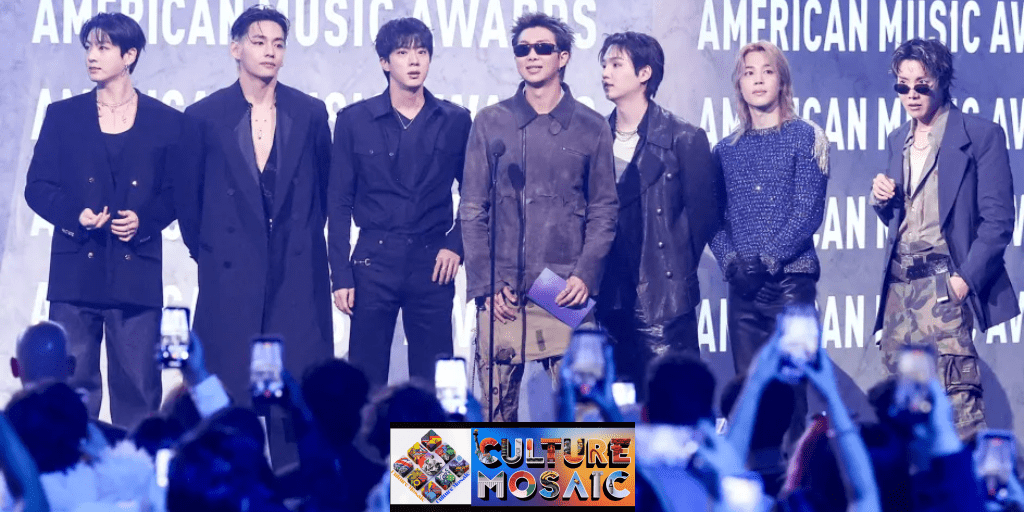
The biggest announcement of the night came early, and it came loud. BTS captured Artist of the Year at the 2026 Amas American Music Awards, sending the venue into a sustained roar that the broadcast had to briefly talk over.
The South Korean septet accepted via a pre-taped segment filmed at the concert they performed the night before — a detail that underscored just how relentless their schedule currently is. Their comeback album ARIRANG had been a commercial force since its release, with lead single “Swim” reaching number one on the Billboard Hot 100 and staying there long enough to generate genuine cultural conversation beyond the core BTS Army.
By the end of the night, BTS had collected three awards: Artist of the Year, Song of the Summer for “Swim”, and Best Male K-Pop Artist, announced in the post-show category batch. They also appeared live onstage later in the evening, performing “Hooligan” in what became one of the broadcast’s highest-energy moments.
Defeating the field they defeated is worth noting. The Artist of the Year category included Bad Bunny, Bruno Mars, Harry Styles, Justin Bieber, Kendrick Lamar, Lady Gaga, Morgan Wallen, Sabrina Carpenter, and Taylor Swift. That is not a courtesy nomination list. That is the short version of the current pop moment, and BTS won it.
Taylor Swift Leads the Nominations Bracket with Eight Nods
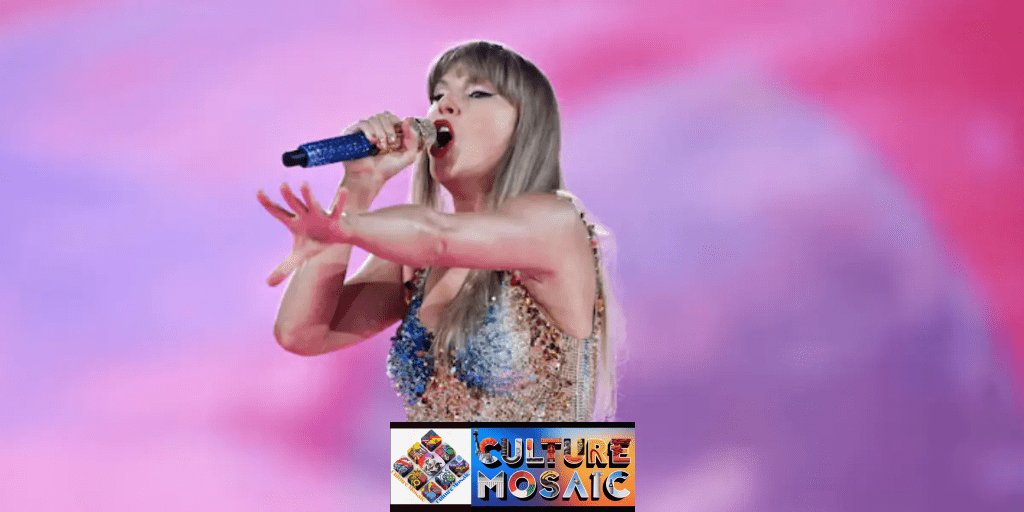
Going into the night, Taylor Swift held the largest nominations haul at the 2026 Amas American Music Awards: eight. That figure reflected the cultural weight of The Life of a Showgirl, her most recent studio album, and its associated singles.
“The Fate of Ophelia” picked up nominations across Song of the Year, Best Pop Song of the Year, and Best Music Video. “Elizabeth Taylor”, the album’s second single, made the Song of the Summer shortlist. Swift also competed for Artist of the Year and Album of the Year.
The evening did not add to her record-breaking tally of 40 career AMA wins, but that is context worth sitting with for a moment. Forty wins. The next closest artist in AMA history is Michael Jackson with 24. Swift’s gap over the field is not a margin; it is a chasm. The 2026 nominations, in that light, are less a measure of how this particular album cycle landed and more evidence that she remains the gravitational centre of the pop nominations bracket year after year.
The 2026 AMAs Winners: Major Category Results
Below is a breakdown of the major category winners from the 52nd Annual Amas American Music Awards. The 2026 ceremony introduced 11 new categories, bringing the total competitive field to 50 awards.
Sombr’s Breakthrough Night at the 2026 Amas American Music Awards
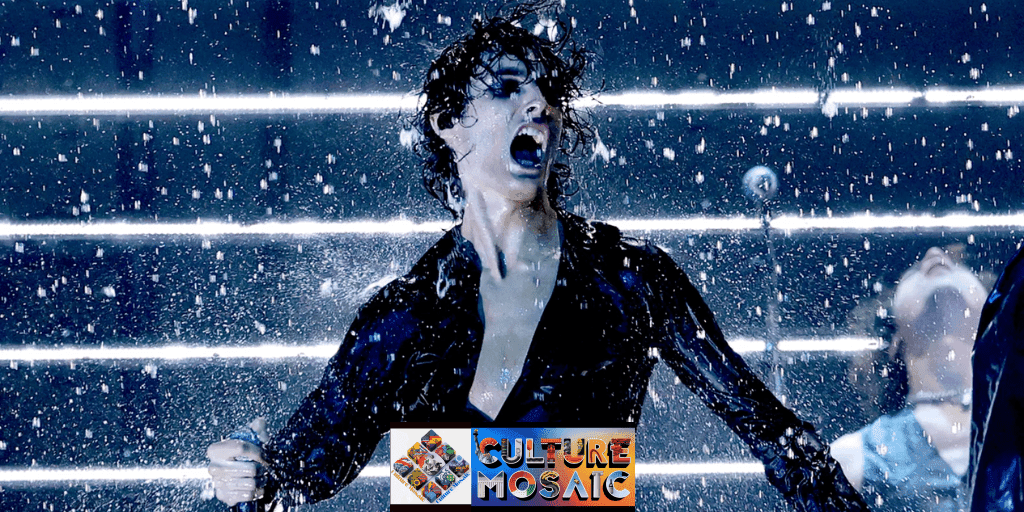
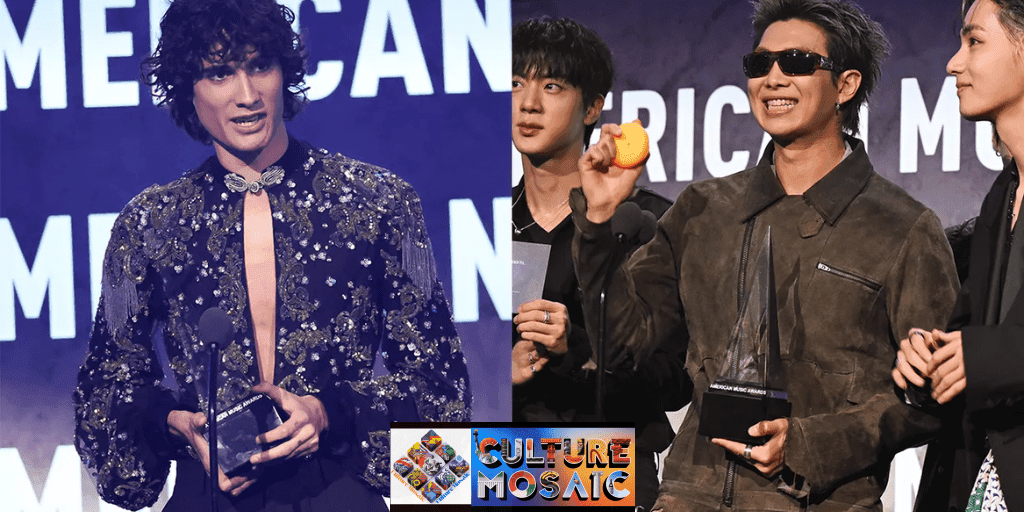
If BTS owned the headline, Sombr owned the room. The artist entered the night with seven nominations and left with at least three confirmed wins during the broadcast — Best Rock/Alternative Song for “Back to Friends” and Best Rock/Alternative Album for I Hardly Knew Her.
His performance slot was the kind of moment you do not easily forget. Rain fell on him onstage as he performed “Homewrecker”, his voice steady against the manufactured weather system. Theatrical without being self-conscious. For an artist making his AMAs performance debut, the composure was striking.
The post-show announcement that he had also won Breakthrough Rock/Alternative Artist effectively made Sombr one of the evening’s most-decorated artists — a fact that will define the next twelve months of his career in ways that chart positions alone cannot.
Every Performance That Defined the 2026 AMAs Night

The Amas American Music Awards have always understood that the trophies are the structure, but the performances are the show. The 2026 broadcast delivered twelve high-energy sets across a genuinely multi-generational lineup.
BTS Opens with ‘Hooligan’

The show kicked off with a pre-taped performance from BTS, filmed at their Allegiant Stadium concert the night before. The production quality was cinematic. It set a standard that the live sets had to work to match.
Billy Idol Accepts His Lifetime Achievement Award
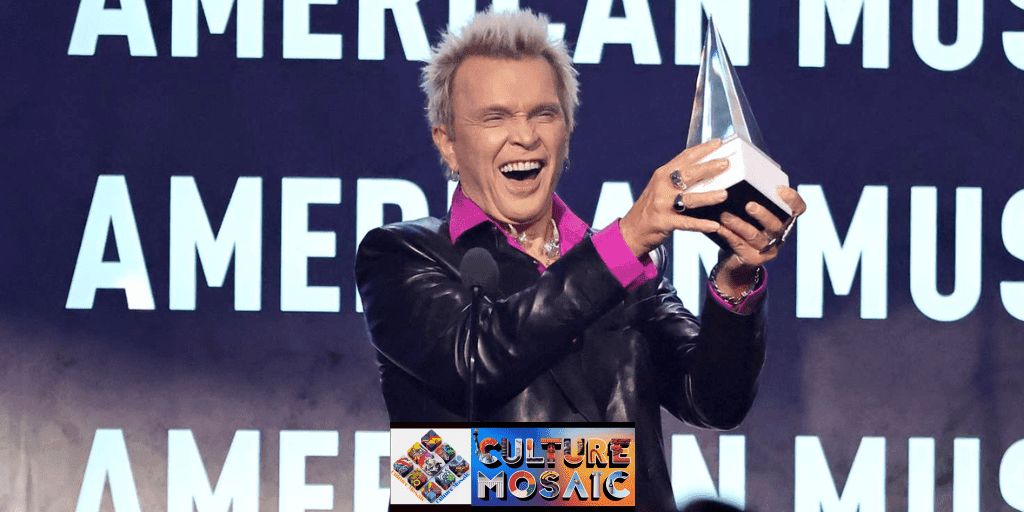
Billy Idol was honoured with the Lifetime Achievement Award, and his performance was exactly what you want from a legend who still sounds dangerous. He did not deliver a nostalgia set. He delivered a rock performance.
The Pussycat Dolls and Busta Rhymes Joint Set
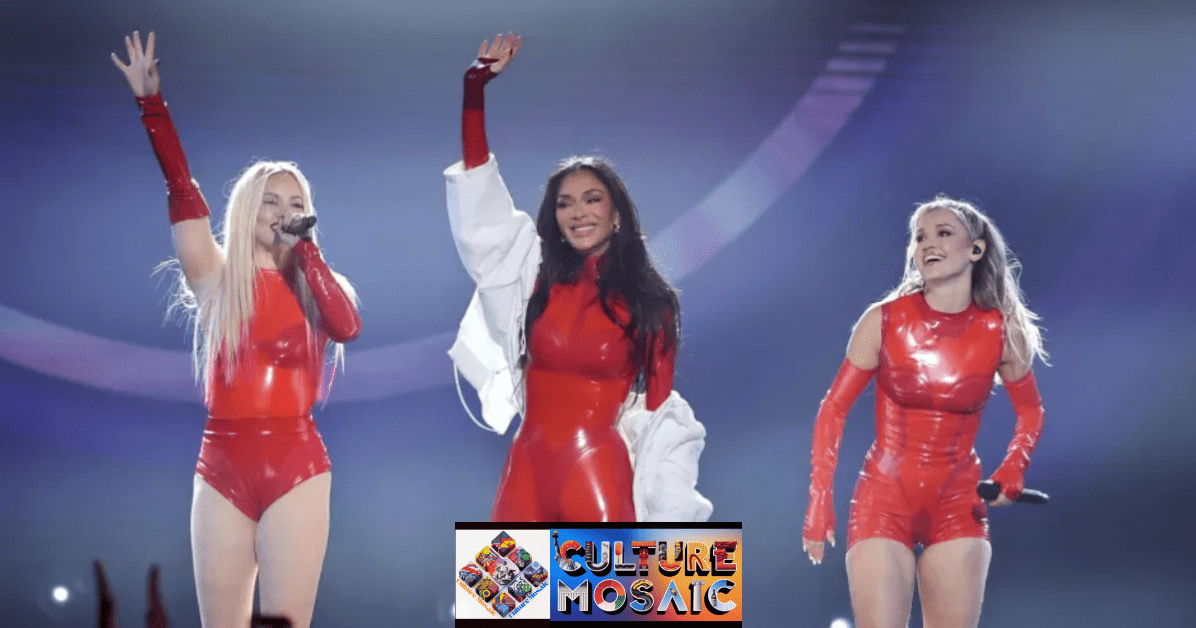
The combination of The Pussycat Dolls and Busta Rhymes produced the broadcast’s most kinetic moment of pure spectacle — a throwback collaboration that felt less like nostalgia and more like a reclamation of energy the industry forgot to keep.
KATSEYE, Twenty One Pilots, and the Wider Lineup
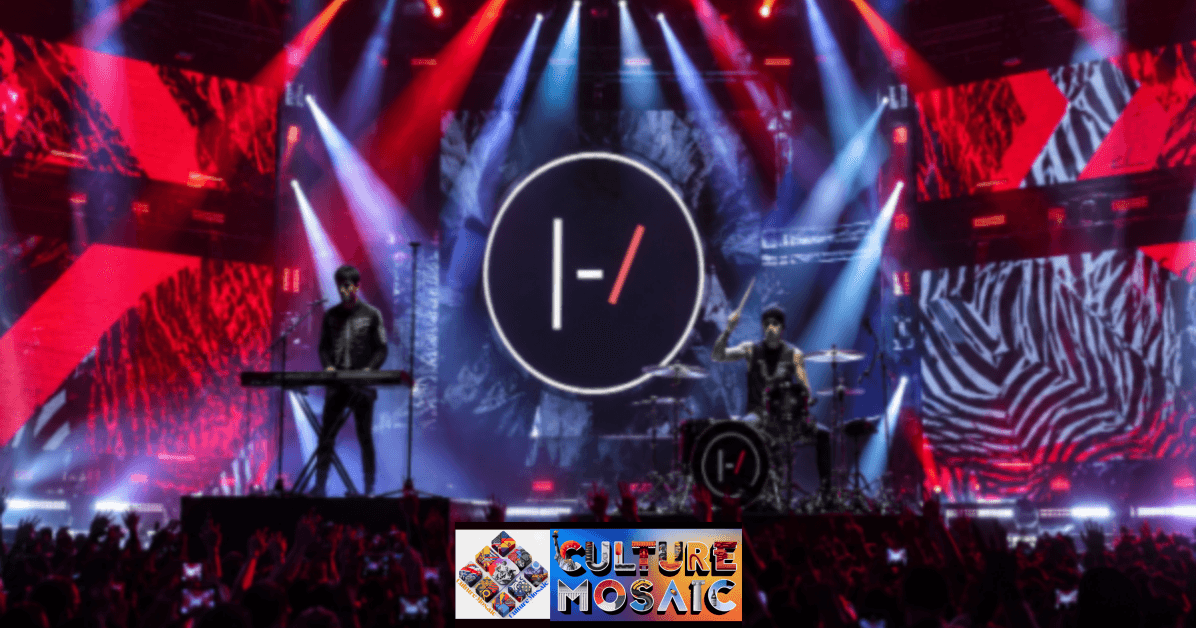
KATSEYE delivered their viral single “Pinky Up” with the kind of live performance that moves Twitter for an hour. Twenty One Pilots brought their characteristically ambitious staging. Keith Urban, Maluma, Riley Green, Teddy Swims, and Teyana Taylor rounded out a lineup that genuinely covered genre ground rather than defaulting to the pop-only template that weakens other broadcast awards shows.
The 11 New Categories That Reshaped the 2026 Amas American Music Awards
One of the more quietly significant structural decisions this year was the addition of 11 new categories, expanding the total competitive field to 50 awards. The AMAs have historically drawn criticism for not keeping pace with how listening habits actually work. This year’s additions felt like a genuine attempt at course correction.
Song of the Summer formalised what has always been an informal cultural designation, turning streaming and social velocity during a specific seasonal window into a trackable competitive metric. Breakthrough Album of the Year acknowledged that the path from debut to second album is its own distinct achievement deserving of recognition. Best Throwback Song gave the archive a competitive home, with the Black Eyed Peas winning for “Rock That Body” in the inaugural runoff.
These additions matter beyond this single ceremony. They signal that the Amas American Music Awards are actively trying to reflect contemporary music consumption rather than simply institutionalise it. Whether the categories stick — and whether future years refine the voting methodology — will determine how meaningful they ultimately become.
How Fan Voting Actually Works at the Amas American Music Awards
The mechanics behind the Amas American Music Awards are more layered than simply opening a browser and clicking a name. Nominations are determined by Billboard chart performance, which itself aggregates streaming, physical album sales, digital song sales, radio airplay, and social media activity. The nomination bracket is, therefore, already a data product before any fan casts a single vote.
Once nominations are announced, public voting opens through the AMAs website, with social media integrations on TikTok, Instagram, and X amplifying the window. Fandoms coordinate voting campaigns with the sophistication of political operations: scheduled voting blocks, spreadsheet tracking, mutual aid between fan accounts across different artists. The result is that the artist who wins is not simply the most popular in a passive sense. They are the artist whose community is most actively mobilised at a specific point in time.
This year, over 40 million fan interactions across digital platforms shaped the final outcomes. That is not a passive audience. That is an activated electorate.
For those interested in how fan-driven culture intersects with broader event economics, Culture Mosaic’s coverage of EDC Las Vegas 2026 offers an interesting parallel read on how fandoms sustain entire event ecosystems.
Karol G Receives the International Artist Award of Excellence
Before the competitive categories concluded, Karol G was honoured with the International Artist Award of Excellence — one of the AMAs’ special recognition honours that sit outside the fan-voted bracket. She also competed in the new Best Latin Album category, which she won over Bad Bunny, Fuerza Regida, and Peso Pluma.
Her presence at the 2026 Amas American Music Awards underscored a shift in how the ceremony treats Latin music. Rather than relegating it to a peripheral category, the 2026 expansion of Latin artist categories reflected the sustained commercial dominance of Spanish-language music in global streaming charts.
How the Amas American Music Awards Fit Into the Broader Music Moment
Awards shows and live festivals exist in the same ecosystem, feeding off the same audience energy and shaping the same cultural conversation. The artists who dominate the Amas American Music Awards nominations are, almost without exception, the same artists selling out arenas and headlining festival circuits globally.
Culture Mosaic’s ongoing coverage of Festival Trends 2026 maps how the live circuit and the awards circuit are now deeply intertwined — streaming data, festival performance, and social engagement all feeding the same Billboard metrics that determine AMA nominations. BTS accepting their Artist of the Year award from inside an active tour date is the clearest possible illustration of that convergence.
It is also worth reading Regenerative Festival Culture for a broader sense of where the values conversation in live music is heading, and how the Amas American Music Awards fit within that larger cultural frame.
Notable Winners Through the History of the Amas American Music Awards
To understand what the 2026 ceremony means, it helps to know the company it keeps historically. The AMAs have recognised some of the most culturally significant moments in popular music across five decades.
Michael Jackson and the 1980s Dominance
Michael Jackson won 24 AMAs over the course of his career — a record that stood as the all-time benchmark until Taylor Swift surpassed it. His dominance of the 1980s AMAs reflected a period when the show closely tracked the commercial mainstream, and Jackson was simply the most commercially dominant force in the world.
Whitney Houston, Alabama, and Genre Breadth
Whitney Houston’s 21 wins and Alabama’s 23 wins reflect the AMAs’ unusual breadth. Few other major ceremonies have honoured country acts and R&B royalty with equal fervour across the same five-decade span. It is one of the things that makes the AMAs genuinely singular as a long-run cultural document.
BTS and the K-Pop Arrival
When BTS first won Artist of the Year at the 2021 AMAs, it was a line in the sand. K-pop had been commercially significant for years, but winning the broadest, most-watched category of the AMAs signalled something more fundamental: a genre once treated as a niche import had become a mainstream default. Their 2026 win is the confirmation that this was not an anomaly.
The Cultural and Commercial Impact of the Amas American Music Awards
Winning an AMA does not simply generate a trophy shelf moment. It has measurable downstream effects. Streaming numbers spike in the 48 hours following a major win. Album sales — in the markets that still register physical or digital unit sales — show a consistent bump. Tour ticket inquiry volumes increase. The award functions as an amplifier.
For newer artists, the effect is magnified. KATSEYE’s win for New Artist of the Year will generate search volume, playlist additions, and press coverage that no PR campaign could manufacture with equivalent efficiency. Sombr’s triple-win night will introduce him to listeners who had never registered his name before the broadcast.
This is the less-discussed economics of the Amas American Music Awards: the trophy is a distribution mechanism as much as it is a recognition one. It reaches audiences that are not yet listening, and it tells them where to look.
Frequently Asked Questions About the Amas American Music Awards
How Are Winners Chosen at the Amas American Music Awards?
Winners at the Amas American Music Awards are determined entirely by fan voting. Nominations are generated through Billboard chart data, which aggregates streaming, album and digital song sales, radio airplay, and social media engagement. Once nominations are confirmed, public voting opens through the AMAs website and social media integrations. The ballot closes before the live broadcast, and winners are sealed until the night.
Insider Best Practices:
- Register on the official AMAs website early; accounts must be verified before voting opens.
- Follow the official AMAs social accounts for voting window announcements — the window is time-limited and often shorter than fans expect.
- Vote across all available platforms; TikTok, Instagram, and the AMAs site may each offer separate voting allowances per day.
- Fan communities often coordinate voting schedules; joining these groups maximises voting efficiency and tracks real-time competition between nominees.
- Most platforms allow multiple votes per user per day within the window — check platform-specific rules before each cycle.
Where Can I Watch the 2026 Amas American Music Awards Replay?
The full 2026 AMAs broadcast is available for on-demand streaming on Paramount+ for premium subscribers. Select performance clips and highlight reels are available on CBS’s digital channels and the AMAs’ official YouTube channel. International viewers should check their local CBS affiliate streaming partners, as territorial rights vary significantly.
Insider Best Practices:
- A Paramount+ subscription gives full on-demand access to the complete broadcast, including pre-show coverage and the post-show category announcements.
- The official AMAs YouTube channel is the most reliable free source for individual performance clips and award acceptance speeches.
- International viewers should search for the AMAs’ regional broadcast partners — availability differs significantly by country.
- Set notifications on the AMAs’ official social accounts for new clip drops in the days following the broadcast.
- For full-show access without a Paramount+ subscription, the CBS website often offers limited free streaming for a short window post-broadcast.
When Did the Amas American Music Awards Begin?
The American Music Awards were created by Dick Clark in 1973 for ABC, after the network lost its contract to broadcast the Grammy Awards. The first ceremony aired on 19 February 1974 at the Earl Carroll Theatre in New York City, hosted by Helen Reddy, Roger Miller, and Smokey Robinson. The show was designed from the outset to be more accessible and fan-oriented than the Grammys, though public fan voting did not become the sole determinator of winners until 2006.
Insider Best Practices:
- The AMAs’ official archive at theamas.com lists historical winners by year — the most reliable first-look source for career research.
- Billboard’s AMAs historical data is the most comprehensive third-party source for nomination and winner statistics across all 52 years.
- For pre-2006 AMAs research, remember that winners were industry-selected rather than fan-voted; the methodology shift is significant for comparing eras.
- Dick Clark Productions maintains extensive AMA broadcast archives; academic researchers can request historical footage through formal channels.
- Wikipedia’s AMAs pages maintain reliable citation trails to primary source reporting for historical ceremony details, despite being user-edited.
Who Has Won the Most Amas American Music Awards?
Taylor Swift holds the all-time record with 40 AMAs wins, surpassing Michael Jackson’s previous record of 24. Alabama holds 23, Whitney Houston 21, Kenny Rogers 19, and Justin Bieber 18. Swift’s 2026 night did not add to her tally, but her eight nominations kept her at the centre of the year’s competitive conversation. BTS, following their 2026 wins, continue to build one of the more significant international AMA careers in the show’s history.
Insider Best Practices:
- The AMAs maintain a formal all-time leaderboard on their official site — the definitive reference for career win totals.
- Cross-reference Billboard’s AMA historical coverage for context on how specific wins were contested in their respective years.
- Career win totals do not reflect nominations, only wins; some artists with high nomination counts have fewer wins due to competitive fields in dominant years.
- Genre category wins count alongside general category wins in total tallies — Taylor Swift’s record spans both.
- Special honorary awards, including Lifetime Achievement and International Artist of Excellence, are typically not included in competitive win tallies.
What Makes the Amas American Music Awards Different from the Grammy Awards?
The core structural difference is in who decides. The Grammy Awards are voted on by members of the Recording Academy, a professional body of music industry practitioners. The Amas American Music Awards are voted on entirely by the public. Nominations at the AMAs are data-driven, reflecting actual commercial performance. Winners reflect fan mobilisation rather than industry consensus. This means the AMAs often produce results that diverge sharply from Grammy outcomes — and those divergences are frequently the most telling indicators of where mass audience taste actually sits versus where critical and industry taste sits.
Insider Best Practices:
- Treat AMAs and Grammys as complementary readings of the music landscape rather than competing measures of quality.
- For artists who win heavily at the AMAs but rarely at the Grammys, the gap often signals a fanbase intensity that outpaces critical reception.
- Use AMAs nomination data as an early signal for which artists are gaining commercial traction, since Billboard chart performance is the direct input.
- The AMAs’ multi-genre breadth — spanning country, hip-hop, Latin, rock, and electronic categories — makes it a more reliable cross-genre barometer than many peer-voted shows.
- For music industry professionals, AMA fan voting patterns can indicate which demographics are most engaged and which artists are generating the kind of community investment that sustains long careers.