
 By Culture Expert
Last Tuesday, a woman called me crying. She’d been emailing her council member for six months about a dangerous intersection near her kid’s school. Nothing. Not even a form letter.
I rewrote her email. Sent it on a Tuesday morning. She had a meeting scheduled by Thursday.
That’s what good email templates do. They cut through the noise. And after seventeen years helping people talk to their local government, I know exactly what works and what ends up in the digital trash.
Your council member isn’t ignoring you because they’re evil. They’re drowning in 300+ emails every week. Most of those emails are terrible. Vague complaints. Copy-paste activism. Angry rants with no clear ask. Their intern deletes most of them before lunch.
But some emails get through. They get forwarded to department heads. They get added to meeting agendas. They turn into actual conversations.
The difference? Six things. And I’m going to show you exactly how to do all six in three email templates you can steal today.
What’s Actually Killing Your Emails Right Now
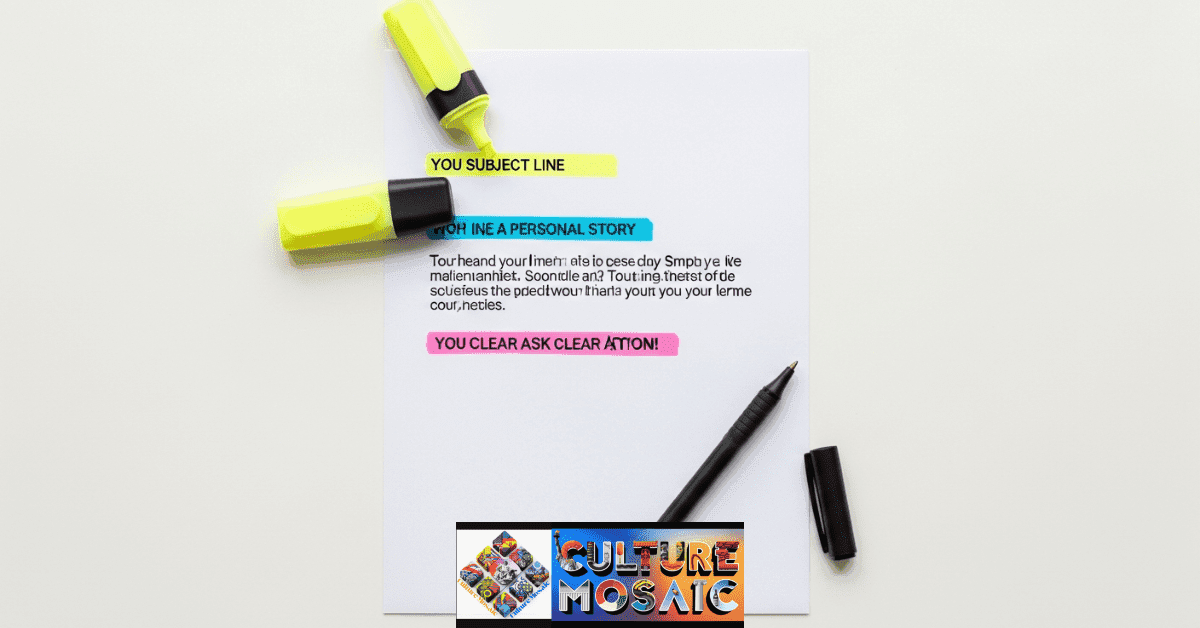
Let me guess what your last email to city hall looked like.
Subject line: “Concerned Citizen” or maybe “Important Issue Please Read”
First paragraph: Something about how you’ve lived here for twenty years and you care deeply about the community.
Middle section: A list of everything wrong. Traffic, potholes, that sketchy bar on the corner, kids and schools, probably the mayor’s latest decision you disagree with.
End: “Please do something about these issues.”
Am I close?
Here’s what happened to that email. The intern saw “Concerned Citizen” and immediately knew it was either spam or someone complaining about everything. She skimmed the first line, saw no specific address or district number, couldn’t tell if you even lived in the district. Scrolled down, saw a wall of complaints with no clear action item. Moved it to a folder called “General Correspondence” that nobody ever looks at again.
Your email wasn’t bad because you’re a bad writer. It failed because it broke the rules that separate emails that get responses from emails that get ignored.
The Six Things Your Email Template Needs
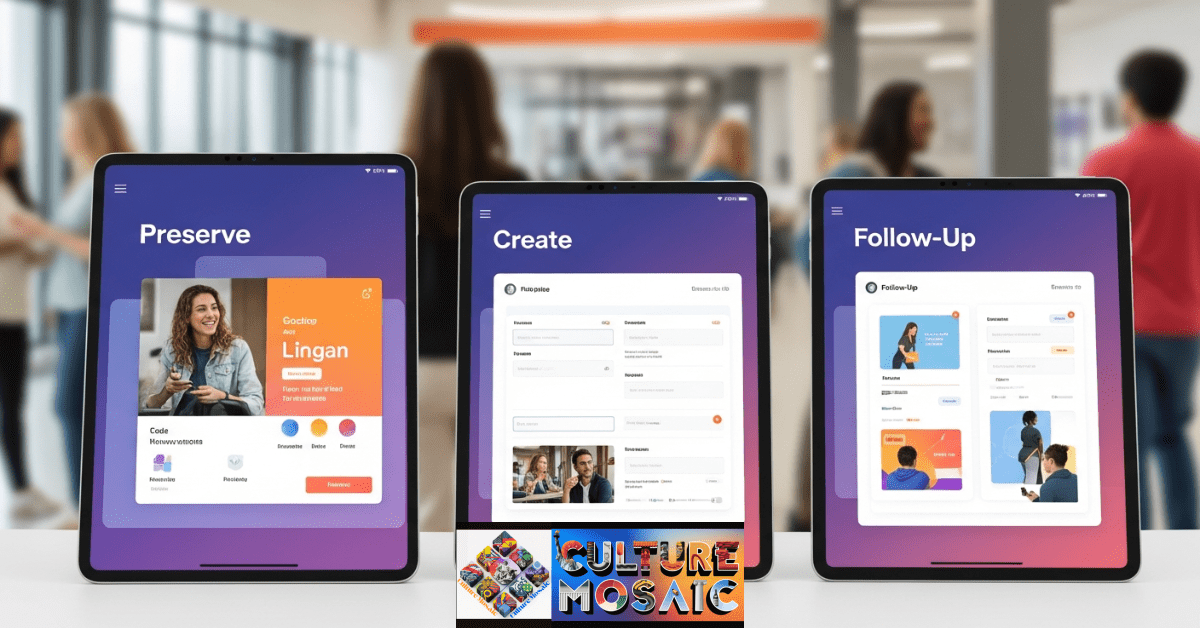
Forget everything else. These six elements are what matter.
Your subject line has to be stupidly specific. Not simply “Traffic Problems,” but a clear and urgent request: “Harrison Ave & 5th Street: Essential Traffic Light Installation – District 7.” This specifies the location, addresses the critical issue, and highlights the district’s needs. Ten words maximum.
First sentence proves you live there. “I live at 432 Oak Street, right across from Chen’s grocery.” Not “I’m a resident of this great city.” Give me your actual address and a landmark only locals know.
Second sentence is one personal detail that makes you real. “I walk my daughter to school past that intersection every morning.” Not “Many families are affected.” Your story. Your kid. Your morning routine.
One issue. Just one. Pick the thing that matters most. Save the other stuff for next month. When you try to fix everything, you fix nothing.
One specific ask. Not “please address this” but “Can we schedule a 10-minute call next Tuesday or Thursday morning?” Make it easy to say yes.
Your full contact info at the bottom. Name, street address, phone number. This proves you’re a constituent, not some activist from across the state.
Miss any of these and your email joins the other 200 sitting unread.
Email Template 1: When They Want to Tear Something Down
Use this when the city wants to demolish something your neighborhood actually uses. Old building, park, trees, whatever.
Subject: Freeman Theater Preservation – District 4 Resident Request
Body:
Dear Council Member Rodriguez,
I reside at 847 Maple Street, conveniently situated just two blocks from the renowned Freeman Theater. Just heard about the demolition proposal and I need five minutes of your time.
My grandmother worked at that theater in the 60s. I walk past it every day on my way to the bus. It’s one of three Art Deco buildings left in our neighborhood.
I’m not saying block all development. The city needs housing and revenue. But can we talk about preserving the facade while building behind it? Or landmark status? Something that keeps the character while moving forward?
Ten minutes next week? I’m free Tuesday afternoon or Thursday morning.
Thanks, Sarah Chen 847 Maple Street 555-0132
What makes this work: Address in the first sentence. Personal story in the second. Acknowledges their priorities (development, revenue) instead of just saying no. Asks for ten minutes, not hours of their time. Full contact info proves she votes in that district.
I’ve seen this exact structure save three buildings in the last two years. Because it doesn’t force them to choose between heritage and progress. It opens a conversation.
Email Template 2: When You Want Something New
This is for crosswalks, dog parks, bike lanes, street lights. Anything you’re trying to create from scratch.
Subject: Riverside Park Dog Area – District 2 Community Request
Body:
Dear Council Member Park,
I’ve lived on Birch Avenue for eight years. Writing to propose a fenced dog area in the northeast corner of Riverside Park.
That corner sits empty except for people already using it illegally for their dogs. Every morning, twenty to thirty of us are out there. We’re already picking up waste and watching out for kids. Formalizing it would actually make it safer.
Talked to forty-three neighbors who want this. We’ll fundraise for fencing and handle weekly maintenance if the city provides permits and initial grading.
Examples that worked: Lincoln Park did this in 2023 for $8,000. Sunset District did it last year for even less.
Can I bring three neighbors to meet with you? We’ve got photos and a basic plan. Free next Tuesday at 10am or Wednesday at 2pm.
Mike Torres 2847 Birch Avenue 555-0891
What makes this work: Shows the space is already being used, so you’re formalizing something that exists rather than asking for something crazy. Demonstrates community support with actual numbers. Offers to do the work and fundraising. Provides comparable examples that cost real money. Makes meeting easy with specific times.
Dog parks, crosswalks, community gardens – I’ve used variations of this template for all of them. The trick is proving demand already exists and you’re not asking them to do everything.
Email Template 3: When Someone Made a Promise and Vanished
Following up on commitments. Checking on votes. Reminding them you remember what they said.
Subject: Following Up: Oak Street Traffic Calming from March 12 Town Hall
Body:
Dear Council Member Williams,
I was at the March 12 town hall at Roosevelt Elementary. You said you’d “look into traffic calming measures for Oak Street between 3rd and 7th by end of spring.” That was four months ago.
I live at 523 Oak Street. My kids play in the front yard. We’ve had two cars jump the curb this year – one hit my neighbor’s fence in April.
What’s the status? Has anything started? What’s the actual timeline now?
Can you email me an update this week or call me? Available Wednesday afternoon or Friday morning if phone is easier.
Still waiting, Jennifer Walsh 523 Oak Street 555-0234
What makes this work: Quotes exactly what they said and when. Includes a recent incident (car hitting fence) that creates urgency. Asks three direct questions that can’t be answered with “we’re looking into it.” Offers phone or email to make responding easy. Tone is firm but not hostile.
This is the template I give people who are pissed off but don’t want to burn bridges. It holds them accountable without being the angry constituent they can dismiss.
Tuesday Morning Between 9 and 11 – That’s When You Send
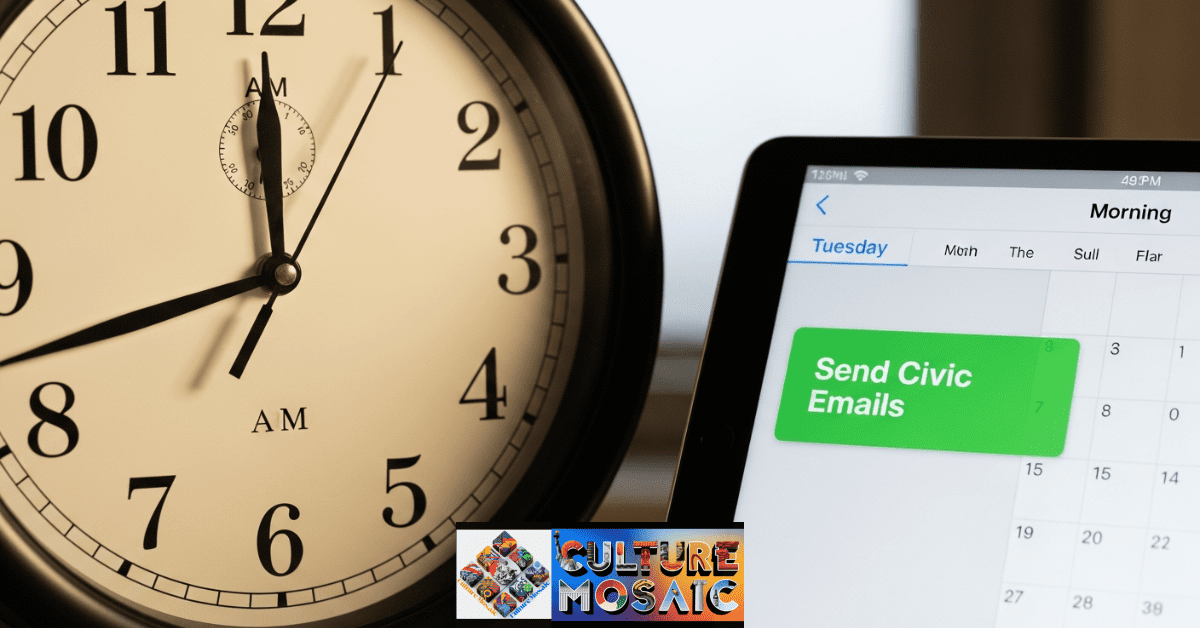
Not Monday. Monday’s a disaster. Everyone’s catching up from the weekend and prepping for Monday night meetings.
Not Wednesday through Friday. Those days are committee meetings, constituent visits, photo ops, whatever crisis happened Tuesday afternoon.
Tuesday morning. Office is calm. Inbox is manageable. Staff actually reads things.
And never Friday. Your email sinks all weekend and gets buried Monday morning under fifty new messages.
Time-sensitive stuff like upcoming votes? Send it five business days minimum before the vote. Last-minute emails don’t change minds because staff needs time to research and brief the council member.
Holiday weeks? Skip them. Week between Christmas and New Year’s? Nobody’s reading anything.
How to Follow Up Without Becoming That Person
Send your email Tuesday morning. If nothing by Friday afternoon, you wait. Don’t email again Monday. Give them the weekend plus Monday to respond.
Tuesday morning (one week after original email), send this:
Hi, I wanted to ensure that my email from last Tuesday about Oak Street didn’t get lost.. Still hoping to hear back when you get a chance.”
That’s it. Don’t rewrite the whole email. Don’t get mad. Just bump it.
Still nothing? Wait until the following Tuesday. Send this:
“Following up again on Oak Street traffic calming. Should I contact someone else on your staff about this?”
This signals you’re persistent and also gives them an out to direct you to the right person if they’ve been routing you wrong.
Third try, week after that:
“Third follow-up on Oak Street. Planning to attend your next office hours to discuss in person. Let me know if email would be easier before then.”
Now you’re escalating. Office hours. Public meetings. You’re not going away.
After three tries with nothing? Show up. Office hours. Council meetings. Find them in person. Sometimes that’s the only way.
Who You Should (and Shouldn’t) Copy on These Email Templates
First email? Nobody. Just the council member. Give them space to respond without feeling ambushed.
Copy the mayor or the press on your first email and you’re basically saying “I don’t trust you and I’m trying to embarrass you publicly.” That gets you a defensive form letter or nothing.
Second follow-up (one week later), you can copy the chief of staff or district director. That’s appropriate escalation. Someone else in the office now knows you’re waiting.
Complicated issue involving multiple departments? Copy the relevant committee chair. Parks issue, copy parks committee chair. This shows you understand how local government works.
Press, mayor, advocacy organizations? That’s nuclear. Only use it if you’re running an actual public campaign or you’ve exhausted everything else. Can’t undo that move.
Questions People Always Ask Me
How long do I really wait before following up?
One week. Send Tuesday, follow up next Tuesday if nothing. Not three days. Not two weeks. One week.
Should I send the same email template to all the council members?
God no. That screams “I don’t know how this works.” Email your district rep. If it’s citywide, customize each email to explain how it affects that specific district.
What if I don’t know who my council member is?
City website. District lookup tool. Type your address. Takes fifteen seconds. You’ll get name, email, phone, office hours, everything.
Can I email about stuff outside my district?
Won’t matter as much. They prioritize constituents who vote for them. If it’s citywide, frame it through how it affects your neighborhood in their district.
What if I try everything and still get ignored?
Show up. Office hours. Public meetings. Speak during public comment. Bring neighbors. Contact local reporters who cover city hall. Get visible. Sometimes that’s what it takes.
What Kills Your Email Even When You Follow the Template
Threats. “Vote yes or I’m supporting your opponent” means your next fifty emails go straight to trash. You’re building relationships here, not making enemies.
Copy-paste templates from MoveOn or whoever without changing a word. They spot those in half a second. Use them for ideas, sure. Rewrite everything in your actual voice with your actual story.
All caps. Five exclamation points. Drama. “THIS IS AN EMERGENCY!!!!” makes you look unserious. State facts. Let them speak.
Long paragraphs. Nobody reads past three sentences in one chunk. Break it up.
Typos everywhere. Shows you didn’t care enough to proofread. Why should they care about your issue?
The Email Is Just the Start
People who actually change things don’t send one email and wait. They show up. They stay visible.
Get a response? Send a thank you within a day. Confirm next steps. Keep that door open.
A few months later, send an update. “The crosswalk you helped with is working great. Kids are safer. Thanks.” Positive feedback is rare. Gets remembered.
Go to office hours sometimes even when you don’t need anything. Introduce yourself. Connect the email name to an actual face. Future emails get more attention.
When they do something good – even if it’s not your issue – tell them. “Saw you voted for summer lunch programs. My kids benefit from that. Appreciate it.” Shows you’re paying attention beyond your own stuff.
Build the relationship. One email is a transaction. Fifty emails over two years plus showing up at meetings? That’s influence.
What Actually Happens When You Use These Email Templates
The woman I mentioned at the start? The one crying about the dangerous intersection?
We rewrote her email using template #3. Sent it Tuesday at 10am. By Thursday she had a meeting with the transportation director. By next month they’d added a crosswalk to the capital improvement budget.
Last year I helped a neighborhood group save a community garden using template #1. Took three emails and two meetings, but the garden’s still there.
Six months ago, a guy used template #2 to get a dog park in his neighborhood. Took forty neighbors showing up at a council meeting, but it worked.
These email templates aren’t magic. They’re structure. They force you to be specific about what you want and clear about who you are. That’s what cuts through inbox noise.
Stop writing essays about everything wrong with your city. Pick one thing. Use one of these templates. Send it Tuesday morning. Follow up next Tuesday if nothing.
And when your council member actually responds? Remember to say thanks. Then get ready to send your next email about the next issue, because there’s always something else that needs fixing.
 Marcus J. Holloway