
 By Culture Expert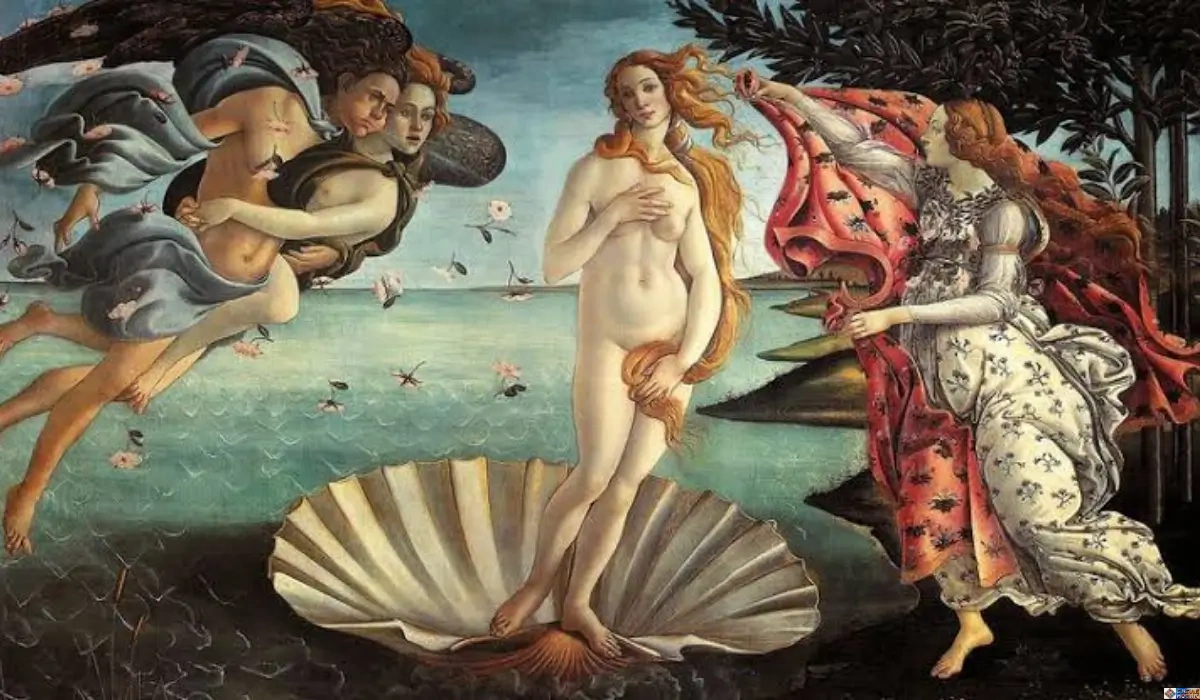
Quick Summary
- Primary Domains: Goddess of love, passion, procreation, female beauty, and emotional manipulation.
- Unique Abilities: Divine compulsion (overriding the free will of mortals and gods), sea navigation mastery (Aphrodite Euploia), and weaponized charm through her enchanted girdle (Kestos Himas).
- Key Attributes: Symbols include the dove, swan, sea shell, and myrtle. Her primary residence spans Mount Olympus, Paphos (Cyprus), and Cythera.
- Cultural Significance: Far from a passive beauty, classical Greeks revered her as a formidable, sometimes terrifying force capable of sparking empires to fall.
Beyond Beauty: Understanding Aphrodite’s True Divine Influence
Modern pop culture often reduces the ancient Greek pantheon to superhero-like figures with basic comic book skill sets. When people search for Aphrodite powers and abilities, they often expect a simple list of magical spells. But in classical antiquity, her presence was far more potent and complex.
Navigating the ocean of ancient mythology can leave readers confused by conflicting tales. Was she merely a figure of romance, or a volatile force of nature? The truth is that ancient Greeks viewed her not just as an emblem of grace, but as an elemental power of emotional compulsion.
Through the editorial lens of Culture Mosaic, exploring classical heritage reveals how mythic figures reflected raw human psychological realities. Understanding Aphrodite requires looking beyond late-Renaissance paintings to examine the raw divine authority she exercised over ancient hearts, minds, and historical battlefields.
The Core Aphrodite Powers and Abilities: From Passion to Political Sway
To understand Aphrodite powers and abilities, one must look at aphrodite 3 important powers: emotional manipulation, absolute physical enchantment, and divine procreation control.
1. Emotional Compulsion and Divine Coercion
Aphrodite’s central power was her ability to instantly induce intense sexual desire (Himeros) and romantic obsession (Eros) in almost any living entity. This was not a subtle charm; it was an unyielding compulsion that overrode intellect and free will.
Only three deities were immune to her power: the virgin goddesses Athena, Hestia, and the wild, mountain-dwelling Realistic Artemis Goddess. Every other Olympian—including Zeus himself—was repeatedly brought to heel by her emotional control.
2. Physical Transformation and Illusory Radiance
As the epitome of aphrodite powers and abilities female, she could alter her appearance at will, casting an aureate, mesmerizing light around herself or masking her divinity to walk among mortals. She possessed the unique ability to grant grace and radiant beauty to others or instantly strip it away, leaving targets withered by emotional despair.
3. The Magical Cestus (Kestos Himas)
Her most iconic magical weapon was her embroidered girdle, known as the Kestos Himas. This enchanted belt contained all of her charms: desire, seductive speech, passion, and intoxicating romance. Even when lent to other goddesses—such as Hera in Book 14 of the Iliad—the girdle gave the wearer the immediate power to subdue the minds of gods and men alike.
| THE DOMAINS OF APHRODITE | |
|---|---|
EUPLOIA (Sea-Goddess)
|
AREIA (Warlike Aspect)
|
PHILOMMĒDĒS (Lover of Smile/Desire)
|
URANIA (Celestial Love)
|
Attributes, Symbols, and Where Aphrodite Can Usually Be Found
Understanding a Greek deity means knowing their sacred iconography and physical domains.
Sacred Symbols
- Animals: Doves, swans, sparrows, and rams.
- Flora: Red roses, myrtle branches, and apples (symbolic of love and discord).
- Marine Items: Sea shells (specifically scallop shells) and pearls.
Where Aphrodite Can Usually Be Found
In classical literature, aphrodite can usually be found lingering in her sacred sanctuaries in Paphos (on the island of Cyprus) and Cythera, where attendant graces (Charites) bathed and anointed her with divine ambrosial oil. When not on Cyprus or Mount Olympus, she frequented high mountain peaks like Mount Ida or wandered the sea, acting as Aphrodite Euploia, the patron guardian of seafarers.
Personality, Weaknesses, and Her Complicated Marriage to Hephaestus
Despite her terrifying emotional influence, the aphrodite personality was defined by extreme vanity, quick-tempered jealousy, and an unyielding demand for veneration.
Weaknesses and Vulnerabilities
Among aphrodite weaknesses, her vanity stands paramount. She could not tolerate mortal or divine rivals claiming superior beauty. Her impulsiveness often backfired; because she lacked martial skill on the physical battlefield, she was famously wounded by the mortal hero Diomedes during the Trojan War when she tried to intervene directly in physical combat.
Marriage and Infidelities
Her arranged marriage to Hephaestus—the lame god of the forge—was notoriously turbulent. Unhappy in a union engineered by Zeus, Aphrodite engaged in legendary affairs. Her primary romantic partner was Ares, the fiery God of War, with whom she had several children, including Phobos, Deimos, and Harmonia.
Her connections across the pantheon were vast: she crossed paths with figures like the wine-god Greek Dionysus God, engaged in rivalries over mortal lovers like Adonis, and stood in sharp contrast to mortal mothers of legendary lineage like Alcmene, whose mortal lives were directly upended by divine romantic entanglements.
Aphrodite’s Curses and Myths: Fateful Consequences of Divine Anger
When slighted, the goddess inflicted terrifying retribution. What is Aphrodite’s curse? Rather than striking enemies with lightning, her curse weaponized uncontrollable, destructive passion against those who failed to honor her.
- The Curse of Pasiphaë: When King Minos failed to sacrifice a bull to Poseidon, Aphrodite cursed Minos’s wife, Pasiphaë, to fall in mad, unnatural love with the bull—resulting in the birth of the Minotaur.
- The Lemnian Women: When the women of the island of Lemnos neglected her altars, Aphrodite cursed them with a foul odor that drove their husbands away, leading to a bloody domestic tragedy.
- The Curse of Eos: Catching the goddess of dawn, Eos, in bed with Ares, Aphrodite cursed her with an insatiable, endless yearning for young mortal men.
Breakdown: Key Facts & Symbolism at a Glance
| Aspect | Mythological Detail | Historical Significance |
| Primary Spouse | Hephaestus (God of Forges) | Symbolized the union of raw craft and ideal beauty. |
| Notable Offspring | Eros, Harmonia, Aeneas (mortal line) | Ancestor of Rome via Aeneas (Venus Genetrix). |
| Primary Weapon | Kestos Himas (Enchanted Girdle) | Weaponized charm that subdued mortal and divine minds. |
| Cult Epithets | Urania (Heavenly), Pandemos (Common), Areia (Warlike) | Demonstrated her role across all social strata. |
Frequently Asked Questions About Aphrodite
What is Aphrodite’s superpower?
In modern terms, her primary “superpower” is absolute emotional and sensual compulsion. She could force any mortal or deity—regardless of their willpower—to fall helplessly in love or experience burning desire, altering the course of lives, political alliances, and mortal wars.
What are 5 facts about Aphrodite?
- Dual Birth Myths: Hesiod states she was born from sea foam (aphros) after Uranus was castrated, while Homer calls her the daughter of Zeus and Dione.
- Spartan War Goddess: In Sparta, she was worshiped as Aphrodite Areia, an armored goddess of war.
- Mother of Rome: Through her mortal son Aeneas, she was considered the ancestral divine mother of the Roman people (as Venus).
- Owner of the Magic Girdle: She possessed a magical belt that rendered anyone who wore it completely irresistible.
- Direct Cause of the Trojan War: Her promise of Helen of Troy to Paris in exchange for the Golden Apple directly ignited the Trojan War.
Why was Aphrodite chubby in ancient art?
Ancient Greek sculpture and art did not follow modern weight-class trends. Figures like the Venus de Milo or Aphrodite of Knidos depicted full-figured, soft forms because fuller bodies represented health, wealth, high social status, and fertility in classical antiquity.
What are the main Aphrodite powers and abilities for KS2 learning?
For primary education (KS2 level), her powers are simplified to: controlling love and friendship, bringing beauty to the natural world, using her magical charm girdle, protecting sailors at sea, and speaking with birds like doves and swans.
Who was Aphrodite’s husband and main partners?
Her official husband was Hephaestus, god of blacksmiths and metalworking. However, her primary divine partner was Ares (God of War), and her most famous mortal lovers were Adonis and Anchises.
Academic & Historical References
- Hesiod. Theogony. Translated by M. L. West. Oxford World’s Classics, 2008. (Primary source detailing Aphrodite’s birth from sea foam).
- Homer. The Iliad. Translated by Robert Fagles. Penguin Books, 1990. (Primary source for her role in the Trojan War and her enchanted girdle in Book 14).
- Pausanias. Description of Greece, Volume I: Books 1-2 (Attica and Corinth). Loeb Classical Library, Harvard University Press. (Historical evidence regarding cult sites in Paphos, Cythera, and Spartan worship).
- British Museum Collection Notes. Cult of Aphrodite in the Ancient Mediterranean World. Department of Greek and Roman Antiquities. Reference: Greek Mythology Tours.
 Dr. Marcus Hale