
 By Culture Expert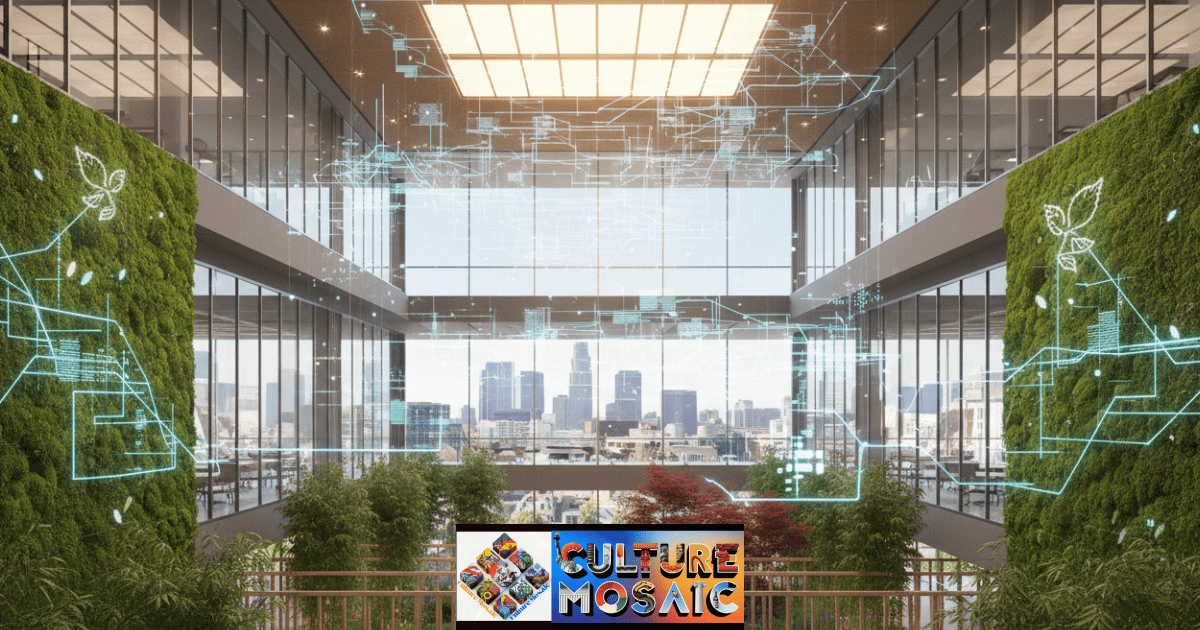
Adaptive Biophilic Urbanism: The Ultimate 2026 Design Guide
A deep dive into the design movement reshaping how humans inhabit, feel, and heal within the built world.
What Is Adaptive Biophilic Urbanism?
Adaptive biophilic urbanism is the practice of designing cities that respond dynamically to human physiological and psychological needs by integrating living natural systems into the built environment. It goes beyond adding a rooftop garden or a park bench flanked by potted palms. The word adaptive is the load-bearing piece here: these spaces must flex between uses, seasons, populations, and climate pressures without losing their restorative character.
Think of it as urban design with a nervous system. When a public plaza can shift from a shaded morning sanctuary to a community gathering space by afternoon, or when an office atrium uses circadian lighting calibrated to the surrounding tree canopy, you are experiencing adaptive biophilic urbanism in practice.
Why Adaptive Biophilic Urbanism Matters More in 2026
The data coming out of post-pandemic urban recovery studies is difficult to ignore. Rates of chronic stress, social isolation, and nature-deficit disorder have accelerated fastest in cities that doubled down on concrete and screen time. Adaptive biophilic urbanism offers a design-led response grounded in neuroscience: the human brain, shaped over two million years in natural landscapes, does not perform well when permanently separated from them.
In 2026, city councils from Los Angeles to Lahore are treating adaptive biophilic urbanism not as an aesthetic preference but as infrastructure, alongside roads, water, and broadband.
The Three Pillars of Adaptive Biophilic Urbanism Infrastructure
Somatic Design: When the Body Leads the Blueprint
The somatic dimension of adaptive biophilic urbanism focuses on how the body registers its environment before the conscious mind catches up. Spaces that hum with natural sounds, use warm-spectrum lighting that shifts across the day, and allow tactile contact with living surfaces do something measurable: they lower heart rate, reduce inflammation markers, and improve decision-making performance. If you want to explore how these principles translate directly into interiors, Functional Biophilic Decor for Circadian Health is a practical companion read. Architects and HR leaders are now treating this as a shared language.
Narrative Flora: Telling a Neighborhood’s Story Through Plants
One of the most underused tools in adaptive biophilic urbanism is the plant itself as cultural artifact. In neighborhoods across Los Angeles, urban planners working alongside Japanese American community groups have introduced native California flora alongside Japanese maples and bamboo grove corridors. The result is not decorative fusion but rather a legible landscape that holds collective memory. Walking through it feels like reading a sentence written in two languages at once. The deeper principles behind this approach are explored in the adaptive biophilic urbanism research coming out of Kyoto’s Kogei Art Institute, which frames plant selection as cultural heritage work.
The Culture Mosaic Case Study: NHK, Los Angeles, and Japanese Garden Philosophy
Where Garden Philosophy Meets Office Design
In 2025, NHK’s expanded programming presence in Los Angeles coincided with a broader civic movement to bring Japanese garden philosophy, specifically the concept of shakkei (borrowed scenery) and ma (intentional negative space) into American workplace and public space design. Several mid-rise office developments near Little Tokyo began incorporating these spatial principles into adaptive biophilic urbanism frameworks: interior courtyards open to the sky, moss walls that change with the seasons, and meeting rooms oriented toward framed views of exterior greenery.
The outcome was measurable. Tenant satisfaction scores rose, absenteeism dropped, and the spaces began attracting a new category of tenant: creative firms who valued the somatic calmness as much as the square footage. Adaptive biophilic urbanism, here, became a competitive real estate advantage.
Adaptive Biophilic Urbanism and Human Well-Being: The Evidence
This is not a wellness trend. The research base for adaptive biophilic urbanism stretches across environmental psychology, cognitive neuroscience, and public health epidemiology. Key findings are consistent:
- Access to green urban space reduces symptoms of depression and anxiety by measurable clinical margins.
- Workers in biophilically designed offices report 15% higher cognitive function scores in focus and short-term memory tasks.
- Urban neighborhoods with tree canopy coverage above 30% show statistically lower rates of cardiovascular illness.
- Children attending schools with active biophilic design demonstrate improved emotional regulation and reduced behavioral incidents.
- Adaptive infrastructure that shifts between restorative and social modes satisfies a broader range of user needs across a single day.
How Adaptive Biophilic Urbanism Addresses Climate Resilience
Cities are, without question, climate’s most vulnerable front line. Adaptive biophilic urbanism works here because it solves multiple problems with a single integrated system. A well-designed vertical garden on a south-facing building face does not just look appealing; it reduces surface temperatures by up to 8 degrees Celsius, captures particulate matter, sequesters carbon, and provides habitat for pollinators. That is infrastructure delivering a fivefold return on investment.
Green Corridors as Climate Shock Absorbers
One of the most elegant strategies within adaptive biophilic urbanism is the connected green corridor: a network of planted streets, bioswales, park strips, and green rooftops that function as a unified ecological spine through a city district. During heat events, these corridors actively cool ambient air temperature. During heavy rainfall, they absorb and filter runoff that would otherwise overwhelm drainage infrastructure. They are, in effect, a living utility network. At the grassroots end of this spectrum, citizen-led practices like the Moss Graffiti Tutorial movement are seeding green into city walls and forgotten surfaces with no permit required, though understanding the Tactical Urbanism Ethics behind these interventions matters before you begin.
Integrating Adaptive Biophilic Urbanism Into Office and Workplace Design
HR leaders and facilities managers have a specific stake in adaptive biophilic urbanism. Post-pandemic workplace data continues to show that employees choose in-person work more readily when the physical environment supports their well-being rather than merely tolerating their presence. An office that uses circadian lighting, interior water features, plant-covered partition walls, and views of living greenery does not feel like a concession. It feels chosen. The same principles that apply at city scale work at room scale too: our guide on How to Create a Biophilic Home walks through the entry-level version of this shift.
The adaptive element matters here too. A space that can serve as a focused solo work zone in the morning and a collaborative lounge by mid-afternoon, with its biophilic elements supporting both modes, solves the hybrid work tension that rigid office design cannot.
Acoustic Moss and the Science of Quiet
Acoustic moss panels are becoming a signature feature of adaptive biophilic urbanism in interior settings. Preserved moss does not just absorb decibels; its visual texture registers as natural, triggering the same parasympathetic nervous system response that a walk in a forest does. In open-plan offices, these panels reduce noise fatigue and signal to users that their sensory experience matters. That signal alone changes how people inhabit a space.
Key Strategies for Implementing Adaptive Biophilic Urbanism
Whether you are a municipal planner, an architect, or a business owner commissioning a fit-out, these implementation principles apply:
- Start with the sensory audit. Map what people currently see, hear, smell, and touch. Gaps are your design brief.
- Choose native and culturally resonant species. Plants that belong to the local ecology and community story perform better biologically and socially.
- Design for temporal flexibility. Adaptive biophilic urbanism means your space works for morning commuters, lunchtime meditators, and evening socializers.
- Integrate, do not decorate. Plants placed as afterthoughts are not biophilic design. They must be load-bearing parts of the spatial experience.
- Measure outcomes. Track air quality, occupancy dwell time, employee satisfaction, and health metrics. Data sustains investment.
Adaptive Biophilic Urbanism and Civic Identity
There is a cultural dimension to adaptive biophilic urbanism that urban economists are only beginning to price. When a city’s green infrastructure reflects its ecological and community heritage, residents develop stronger place attachment. Stronger place attachment correlates with civic participation, lower rates of antisocial behavior, and higher willingness to contribute to shared public goods. Adaptive biophilic urbanism is, in that sense, a governance strategy as much as a design one. For designers operating in this space, Modern Biophilic Decor and the broader field of Sustainable Urban Art offer visual languages that bring civic identity to life in ways that residents can see, touch, and gather around.
Biophilic Urbanism as a Tool for Social Equity
Access to nature in cities is not evenly distributed. Adaptive biophilic urbanism, when applied with an equity lens, prioritizes underserved neighborhoods for green infrastructure investment: community gardens, pocket parks, street tree planting programs, and green schoolyards. The health dividends follow. This is where the design movement intersects most powerfully with environmental justice.
The Future Trajectory of Adaptive Biophilic Urbanism
The trajectory is clearly upward. By 2030, several major cities including Singapore, Copenhagen, and Toronto have committed to a minimum percentage of biophilic surface coverage in all new municipal buildings. Certifications like WELL and LEED are increasingly incorporating adaptive biophilic urbanism criteria. And developers are discovering that biophilically designed properties command meaningful premiums in both sale and lease markets.
The question is no longer whether adaptive biophilic urbanism works. It is how quickly cities can close the gap between what they know and what they build.
Conclusion: Cities That Know What Bodies Need
Adaptive biophilic urbanism is the most coherent answer we have to the chronic stress epidemic of urban life. It says: you do not have to choose between density and nature, between productivity and restoration, between cultural identity and ecological health. A city can hold all of these things at once, if it is designed to be adaptive, alive, and genuinely attentive to the human beings inside it.
The best cities of the next decade will not be the ones with the most glass. They will be the ones that breathe.