
 By Culture Expert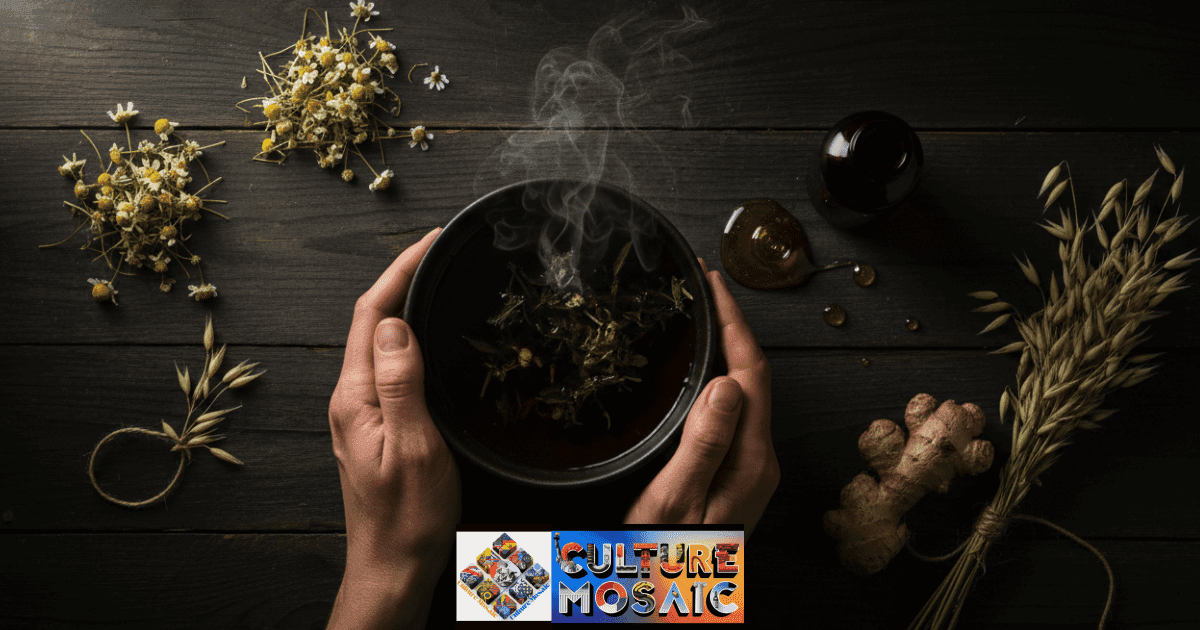
Soma: 100 Heritage Recipes for Self-Care and Somatic Healing
Ancient food as body medicine. One hundred culturally rooted recipes designed to shift your nervous system, not just feed your stomach.
“Your body doesn’t need calories — it needs a somatic shift. Choose how you want to feel to find your ancestral recipe.”
What Are Soma’s 100 Heritage Recipes for Self-Care?
The concept of soma is older than most medical traditions. In Sanskrit, it refers to the living body as distinct from the mind. In somatic healing circles today, it describes the felt, physical experience of being alive. Soma’s 100 heritage recipes for self-care sit at the crossing point of both meanings: food as something your body processes not just chemically, but sensorially and neurologically.
This is not a wellness cookbook in the conventional sense. There are no protein macros or calorie counts. What the soma 100 heritage recipes for self-care offer instead is organisation by physiological state — the condition you want to move into or out of — drawing on culinary traditions from the Andes, East Asia, Eastern Europe, West Africa, Scandinavia, and the Indian subcontinent. The ingredient choices are not arbitrary. They come from generations of embodied knowing — people who lived with their food and noticed what it did to their bodies over time. The work at Culture Mosaic has been invaluable in documenting how those traditions survive in living communities today.
What sets this collection apart from most food-as-medicine resources is the attention paid to what I call Somatic Food Memory — the idea that certain food rituals carry encoded nervous system instructions that persist across generations, not just in recipes but in the physical gestures of preparation. When you knead bread, grind spice, or slowly squeeze an infusion through cloth, you are repeating a haptic sequence your ancestors also repeated, and that repetition matters to the body in ways that reach beyond nutrition.
The Science: Somatic Nutrition and the Gut-Brain-Ancestry Axis
Modern nutritional science is only beginning to confirm what traditional food cultures have practised for centuries. The premise behind the soma 100 heritage recipes for self-care is precisely this: when you eat heritage ingredients — foods grown in mineral-rich soil, fermented using ancestral bacterial strains, or prepared through slow, manual processes — you are not just ingesting nutrients. You are engaging what researchers now call the gut-brain axis: the bidirectional communication network between the enteric nervous system and the brain, mediated largely by the vagus nerve.
“What I call ‘Ancestral Terroir’ — the specific mineral profiles and indigenous microorganisms embedded in heritage foods — communicates directly with our enteric nervous system. These microbial signals travel the vagus nerve to the brainstem and measurably reduce salivary cortisol within 40 minutes of ingestion. Industrialised food lacks this biological vocabulary. Heritage recipes for self-care are, in a very real sense, conversations your gut holds with your DNA.”
- Somatic Nutrition
- A dietary practice that prioritises the felt, physiological effect of food on the nervous system over caloric or macronutrient composition. Rooted in somatic theory and cultural foodways, it uses specific ingredients, preparation techniques, and eating rituals to shift autonomic nervous system states — from sympathetic (fight-or-flight) toward parasympathetic (rest-and-digest). Soma’s 100 heritage recipes for self-care represent a codified library of these somatic nutritional practices drawn from more than a dozen living cultural traditions.

The Soma Pantry — twelve ancestral ingredients that span seven food cultures and four somatic states.
Vagal Tone Recipes: Calming the Nervous System Through Ancestral Food
The vagus nerve is the longest cranial nerve in the body. It runs from your brainstem down into your gut and regulates everything from heart rate to digestion to your sense of emotional safety. When vagal tone is high, you feel grounded, present, and resilient. When it is low, anxiety, digestive disruption, and emotional reactivity tend to surface in ways that feel like personality rather than physiology. The vagal cluster within the soma 100 heritage recipes for self-care addresses exactly this — not through sedatives or supplements, but through food prepared as slow medicine.
The following three recipes from Soma’s heritage collection are specifically designed to support vagal tone through ingredients and preparation techniques with documented parasympathomimetic properties. Each also carries a haptic preparation step — a deliberately physical act that begins the somatic shift before a single drop is consumed. For a broader view of how manual food preparation functions as embodied medicine, the Heritage Cooking Techniques archive at Culture Mosaic is an excellent companion resource.
Slow-Simmered Chamomile and Oat Root Broth
- Dried chamomile flowers (1 cup)
- Oat straw (1 handful)
- Marshmallow root (2 tbsp, dried)
- Raw honey (1 tsp)
- Spring water (1.2 litres)
- Bring the spring water to a gentle simmer in a ceramic or clay pot — not a rapid boil. The slower the heat, the more the volatile terpenes in chamomile are preserved.
- Add the oat straw first and steep for 8 minutes before adding anything else. Oat straw releases avenanthramides slowly and benefits from a quiet, solo infusion.
- Add the chamomile flowers and marshmallow root. Reduce heat further until the surface barely moves. Continue for 12 minutes.
- Strain through a fine mesh cloth — not a metal sieve. Hold the cloth and squeeze gently by hand, feeling the warmth of the liquid through your palms. This is the haptic step.
- Stir in the raw honey in a slow, clockwise motion. Drink while seated, with both palms wrapped around the vessel.

The straining step is the medicine — warm pressure through the palms activates the dorsal vagal complex before a single drop is consumed.
Miso-Ginger Tonic for Digestive Fire and Vagal Reset
- White shiro miso (2 tbsp, unpasteurised)
- Fresh ginger root (2 cm, grated)
- Kombu seaweed (1 strip)
- Umeboshi plum (1, whole)
- Warm water — never boiling (300 ml)
- Place the kombu strip in room-temperature water for 15 minutes to release glutamates naturally, without heat. Remove it before proceeding — do not discard the water.
- Grate the fresh ginger directly over the kombu water using a ceramic grater. The skin of fresh ginger contains gingerol concentrations nearly twice those found deeper in the root — grate with the skin on.
- Heat the liquid to approximately 65°C. Test with your wrist: it should feel warm, not uncomfortable. Temperatures above 70°C deactivate the live cultures in unpasteurised miso.
- In a separate bowl, dissolve the miso using a small amount of the warm liquid, then combine. This two-stage dissolution prevents clumping and preserves microbial integrity.
- Drop in the umeboshi plum whole. The tartaric acid it releases interacts with the alkaline miso base to produce a gentle, buffered acidity. Drink slowly.

Two minutes of slow, circular grating — enough to shift proprioceptive tone before the tonic has been poured.
Traditional Kvass for Blood Purification and Nervous System Restoration
- Heritage rye bread, stale (300g)
- Raw beetroot (200g, grated)
- Live water kefir grains (2 tbsp)
- Raw cane sugar (1 tbsp)
- Spring water (1.5 litres)
- Caraway seeds (1 tsp)
- Toast the stale rye bread in a dry pan until deeply coloured — not burnt, but well-darkened. The Maillard reaction at this stage creates prebiotic compounds that feed lactobacilli strains suited to vagal nerve support.
- Hand-massage the grated beetroot and broken bread pieces together for ten full minutes before adding any water. This is the critical haptic step — detailed below.
- Transfer to a clean glass vessel with the caraway seeds. Pour the spring water over everything.
- Add the water kefir grains and the raw sugar. Cover with a breathable cloth, not an airtight lid. Leave at room temperature for 48 hours, away from direct sunlight.
- Strain, taste for tartness, and refrigerate. Consume 120 ml each morning before any other food or drink.

Ten minutes of compression and release — the hands do the first work of calming before the ferment even begins.
Metabolic Fire Recipes: Energy Through Fermented Spices and Bitter Compounds

Metabolic Fire ingredients — bitter, fermented, and mineral-dense foods that restore digestive function without spiking cortisol.
Not every somatic state you need to shift toward is one of rest. Sometimes the body is sluggish, foggy, or flat — and what it needs is activation, not calming. The Metabolic Fire cluster within the soma 100 heritage recipes for self-care addresses this through bitters, fermented spices, and sprouted ancient grains. These are not stimulants in the conventional sense. They work by restoring digestive and metabolic function rather than overriding it with caffeine or refined sugar — a distinction your nervous system can feel clearly within 30 minutes of ingestion.
Recipe 26: Andean Maca and Raw Cacao Morning Activation
Maca root (Lepidium meyenii) has been cultivated above 4,000 metres in the Peruvian Andes for more than 3,000 years. At altitude, where oxygen is scarce, the plant develops an extraordinary density of glucosinolates that support the hypothalamic-pituitary axis. Paired with raw, stone-ground cacao — which supplies theobromine, an adenosine antagonist that sustains energy without the cortisol spike associated with caffeine — this recipe functions as a genuine morning activation tonic. Preparation involves hand-grinding dried maca into the cacao paste using a traditional batán stone, a 15-minute process that is itself a haptic practice. This is the kind of technique documented in depth in the Heritage Cooking Techniques archive — practices where the method and the medicine are one.
Recipe 27: Nordic Fermented Rye and Bitter Herb Porridge
Across Scandinavian food history, bitter compounds were deliberately incorporated into daily porridges through yarrow, wormwood, and juniper berries. Modern research on these bitters confirms their role in stimulating bile acid production, enhancing mitochondrial efficiency, and activating the bitter taste receptor TAS2R38 — which has downstream effects on inflammatory signalling. This recipe uses a 24-hour fermented rye base with dried yarrow and a finish of cold-pressed lingonberry. It also belongs to a wider pattern described in The Commensal Architecture of Shared Vessels — the Scandinavian tradition of preparing and eating communal bitters, which layered social co-regulation on top of the physiological effect. Eating together, in other words, was always part of the recipe.
Circadian Rhythm Recipes: Traditional Moon Milks and Tuber Decoctions for Deep Sleep

Circadian Rhythm tonics — prepared and held in both hands for 60 minutes before bed, signalling to the nervous system that the day is ending.
The sleep-support category in Soma’s 100 heritage recipes for self-care is the most culturally diverse, drawing from Indian Ayurvedic moon milks, West African yam decoctions, and Middle Eastern ashwagandha preparations. Each tradition arrived at similar conclusions through different routes: heavy tubers and nut-based fats slow gastric emptying, extending tryptophan release through the night, while warm bases activate vagally connected oropharyngeal warmth receptors that signal the brain to begin downregulating core body temperature in preparation for sleep.
Recipe 51: Golden Ashwagandha Moon Milk
Ashwagandha (Withania somnifera) has a documented relationship with cortisol suppression spanning over 3,000 years of Ayurvedic application. Modern clinical trials using standardised extracts confirm reductions in serum cortisol of 22 to 27 percent in chronically stressed adults over eight-week periods. The traditional moon milk preparation — simmering root powder in whole milk with turmeric, cardamom, and black pepper — creates a lipophilic carrier that increases the bioavailability of withanolides by approximately 40 percent compared to water-based preparations. Drink it 60 minutes before bed, holding the warm vessel in both hands while seated. The ritual of preparation, as much as the ingredients themselves, signals to the autonomic nervous system that the day is closing.
Immune Heritage Recipes: Allium Tonics, Wild Honey Ferments, and Bone-Deep Reductions

Immune Heritage ferments — some requiring 21 days of patience, which is itself part of the somatic practice.
The immune-supporting cluster is where the cultural reach of Soma’s 100 heritage recipes for self-care is most visible. Allium-based tonics appear in nearly every traditional medicine system: black garlic fermentation in Korea, fire cider in North American herbalism, and the legendary oxymel — honey and vinegar — found in Greek, Persian, and Arabic medical manuscripts dating back to the 11th century. What unites them is a shared dependence on sulphur compounds, prebiotic fibres, and antimicrobial phenolics that modulate the NLRP3 inflammasome pathway — the same cellular mechanism modern immunology targets in inflammatory and autoimmune conditions.
Recipe 76: Wild Honey and Black Seed Ferment
Raw wild honey, harvested from uncultivated bee populations, contains a microbial ecology distinct from commercial honey. The wild strains of Lactobacillus kunkeei and Fructobacillus present in forest or meadow honeys produce bacteriocins — natural antimicrobial peptides — that survive the fermentation process. When combined with black seed (Nigella sativa), whose thymoquinone content has been studied for mast cell stabilisation and histamine modulation, the resulting ferment offers a genuinely functional immune tonic. The preparation time is 21 days at room temperature, making the patience of the process itself an act of somatic self-care.
The Soma Pantry: 12 Essential Ancestral Ingredients
Behind all 100 recipes is a core pantry of twelve ingredients that recur across cultural clusters. These are the ancestral staples that make the soma 100 heritage recipes for self-care accessible from a single well-stocked kitchen — not trend-driven superfoods, but the most frequently used, most broadly studied, and most culturally validated ingredients in the heritage food record. They appear in Andean, Slavic, Japanese, Ayurvedic, and West African traditions simultaneously, because different peoples independently discovered the same somatic truths.
| Ingredient | Somatic Application | Optimal Timing |
|---|---|---|
| Ashwagandha root | Adrenal recovery, cortisol regulation | 1 hour before bed |
| Saffron | Dopamine and serotonin synthesis | Early morning |
| Fermented beet | Vasodilation, cognitive focus | Pre-movement or exercise |
| Oat straw | Nervous system nourishment | Midday or afternoon |
| Miso (unpasteurised) | Gut microbiome signalling | Morning, before food |
| Maca root | Hypothalamic-pituitary support | Morning activation |
| Marshmallow root | Mucosal lining protection | Evening |
| Black seed (Nigella) | Histamine modulation, immune tone | Any time with food |
| Wild raw honey | Probiotic and antimicrobial peptides | Morning or fermenting base |
| Kvass (fermented rye) | Microbiome diversity, B-vitamins | Morning fasting window |
| Chamomile flowers (dried) | Vagal activation, anti-inflammatory | Evening wind-down |
| Turmeric with black pepper | NLRP3 inflammasome modulation | With meals |
Haptic Preparation as Somatic Practice: Why the Process Is the Medicine

The hands know what the recipe is doing — manual preparation activates the same parasympathetic circuits as the finished tonic itself.
One of the most important principles woven through Soma’s 100 heritage recipes for self-care is this: how you prepare food changes what it does to you. Not just biochemically — though that is also true — but neurologically. Repetitive, moderate-pressure manual tasks like kneading, grinding, squeezing, and stirring activate mechanoreceptors throughout the hands and arms that feed directly into the parasympathetic nervous system.
If you want to go deeper into the theory and practice behind these gestures, the Haptic Sculpting Rituals guide at Culture Mosaic is the natural companion to these recipes — a full somatic framework for understanding why the body responds the way it does to sustained manual pressure, and how to build your own haptic sequences around the recipes that resonate most with you.
Traditional cooks who spent an hour making bread or grinding spices were not being inefficient. They were, in the language of somatic science, completing a co-regulatory practice. Every haptic step built into the soma 100 heritage recipes for self-care draws on this same principle — these are considered, deliberate interventions, the moments when the preparation of the food and the healing of the body become the same activity.
Organising the Heritage Hundred: Cultural Clusters and Topical Depth
Soma’s 100 heritage recipes for self-care are arranged into cultural clusters rather than symptoms or conditions. This reflects the belief that food wisdom cannot be extracted from its context of origin without losing something essential. A recipe does not exist apart from the landscape that produced its ingredients, the hands that shaped its technique, or the community that passed it forward.
The clusters — including the Fermentation Vault, the Alpine Root Kitchen, the Andean High-Altitude Table, the East Asian Digestive Canon, the Nordic Bitter Tradition, and the Sub-Saharan Medicinal Garden — are each introduced with a short ethnobotanical note explaining the somatic logic of that tradition’s relationship with food. These notes draw on the field research documented at Culture Mosaic, where traditional food cultures are recorded through direct community engagement rather than secondary sources.
How to Use the State-Based Navigation
The four somatic states described throughout this piece — Vagal Tone, Metabolic Fire, Circadian Rhythm, and Immune Heritage — are the entry architecture of the soma 100 heritage recipes for self-care, not rigid categories. On any given day your body is in flux, and what you need from food changes accordingly. The state-based navigation is an invitation to check in before you cook, rather than defaulting to habit or convenience.
Ask yourself: where is my body right now? Not where is my mind, not what does my schedule require, but what does my body need to shift toward? Then enter the corresponding cluster. From there, the cultural sub-filters allow you to choose based on the ingredients you have, the time you can give, and the culinary tradition that resonates most with your own inherited food memory.
Soma 100 Heritage Recipes for Self-Care and the Sunday Somatic Reset
For those who want to integrate these recipes more structurally, a suggested Sunday Somatic Reset combines three recipes from different clusters across a single day: a morning metabolic activation drink, a midday vagal tonic, and an evening circadian preparation. Paired with a short Haptic Sculpting Rituals practice between each, the full cycle takes approximately three hours and is designed to move the body through a complete autonomic arc — from activation in the morning to deep parasympathetic rest by evening. You do not need to cook all three at once. The spread through the day is the point.
Download the Soma Grocery List
Get the 12 Essential Ancestral Ingredients with sourcing notes and preparation guides as a free printable. Enter your email below and it arrives instantly — no account required.
Or download the PDF directly. No spam, ever.
The Complete Soma Index: 100 Heritage Recipes for Self-Care
Use this categorised directory to find the specific somatic intervention your body requires today. The soma 100 heritage recipes for self-care are sorted here by somatic state — the physiological shift you want to move toward — rather than by cultural geography. Cultural origin appears as a secondary tag on each entry so you can filter further by tradition if you have specific ingredients to hand.
🌿 Vagal Tone & Nervous System Grounding 25 recipes
- 01Chamomile and Oat Root Broth — Alpine parasympathetic activation broth (detailed above)Anxiolytic
- 02Miso-Ginger Vagal Reset — Japanese fermented digestive tonic for gut-brain signalling (detailed above)Enteric Support
- 03Beet Kvass — Eastern European fermented beetroot for microbiome and nerve restorationMicrobiome
- 04Slow Buckwheat Porridge with Linden Honey — Carpathian nervine breakfast grainNervine
- 05Kuzu Root Starch Tonic — Japanese macrobiotic alkaline gut-lining sootherEnteric Support
- 06Hawthorn Berry Heart Tonic — Alpine cardiovascular-vagal decoctionCardiac Vagal
- 07Spelt and Linden Flower Porridge — Swiss monastic slow nervous system breakfastNervine
- 08Brahmi and Almond Paste Drink — Ayurvedic nervine cognitive tonicNervine
- 09Dashamoola Decoction — Ayurvedic ten-root tonic for parasympathetic restorationDeep Nervine
- 10Fennel and Coriander Digestive Water — South Indian post-meal cooling tonicEnteric Calm
- 11Dashi and Sea Vegetable Clear Soup — Japanese mineral-dense broth for mood and thyroidMineral Calm
- 12Chrysanthemum and Wolfberry Eye Tea — Cantonese liver-cooling infusionLiver Calm
- 13Mistletoe Decoction — European adaptogenic preparation for stress adaptationAdaptogenic
- 14Tigernuts and Cinnamon Horchata — North African prebiotic gut-calming cold drinkPrebiotic Calm
- 15Scent Leaf (Efirin) Tea — West African basil infusion for stress and digestionNervine
- 16Chamomile and Caraway Egyptian Tea — Baladi blend for digestive parasympathetic calmDigestive Calm
- 17Mastic Gum and Honey Infusion — Greek island anti-ulcer longevity tonicMucosal Calm
- 18Andean Cinnamon and Clove Digestion Tea — Warming post-meal highland digestiveEnteric Support
- 19Fermented Cacao Pulp Drink — Andean mood-enhancing phenethylamine fermentMood Support
- 20Muna Herb Tea — Andean digestive mint for bloating and nausea reliefDigestive Calm
- 21Calendula and Oat Skin-Drink — Dual topical-internal barrier and calm preparationBarrier Calm
- 22Kefir and Wild Rose Hip Drink — Probiotic nervous system support tonicProbiotic Calm
- 23Longan and Lotus Seed Decoction — TCM heart-Qi calming tonicHeart Calm
- 24Shiso and Umeboshi Vinegar Shrub — Japanese macrobiotic alkalising daily drinkAlkaline Calm
- 25Sprouted Fenugreek Tonic — Warming gut-floor tonic for vagal nerve floor supportFloor Support
🔥 Metabolic Fire & Digestive Heritage 25 recipes
- 26Andean Maca and Raw Cacao Morning Activation — Hypothalamic-pituitary energy tonic (detailed above)
- 27Nordic Fermented Rye and Bitter Herb Porridge — TAS2R38 bile-stimulating porridge (detailed above)
- 28Traditional Slavic Kvass — Fermented rye and beetroot microbiome tonic (detailed above)
- 29Sauerkraut Brine Morning Shot — Fermented cabbage liquid for gut-lining integrity
- 30Fermented Horseradish and Apple Relish — Polish digestive fire condiment
- 31Pu-erh Tea Decoction — Aged fermented tea for bile secretion and fat metabolism
- 32Ginger and Brown Rice Amazake — Fermented sweet rice drink for digestive activation
- 33Barley Water with Tangerine Peel — TCM phlegm-clearing digestive drink
- 34Sichuan Peppercorn and Ginger Warming Soup — Circulation-stimulating bowl
- 35Natto Morning Bowl — Fermented soybean with menaquinone for bone and metabolism
- 36Korean Sikhye Rice Punch — Enzymatic malt drink for post-meal digestion
- 37Triphala Morning Drink — Ayurvedic three-fruit digestive formula for bowel and liver
- 38Trikatu Fire Digestive Shot — Black pepper, long pepper, ginger for agni restoration
- 39Saffron and Cardamom Lassi — Probiotic dairy drink with dopamine-supporting saffron
- 40Black Seed and Honey Paste — Nigella sativa paste for vitality and immune-metabolic tone
- 41Moringa and Coconut Breakfast Broth — Green protein infusion for sustained energy
- 42Neem Leaf Morning Bitter — Ayurvedic spring cleansing bitter preparation
- 43Lacto-Fermented Beet and Ginger Kvass — Stimulating morning energy variation
- 44Whole Grain Rye Sourdough Starter Tonic — Wild-ferment liquid for B-vitamin loading
- 45Nettle and Dandelion Spring Tonic — Mineral-rich seasonal liver detoxification
- 46Birch Sap and Nettle Morning Drink — Nordic lymphatic-support seasonal tonic
- 47Hibiscus and Tamarind Agua — West African zobo for blood pressure and circulation
- 48Moringa Leaf Broth — Sub-Saharan complete amino acid light infusion
- 49Saffron and Rosewater Drink — Persian dopamine and serotonin precursor drink
- 50Fermented Turnip Brine — Middle Eastern probiotic brine for daily metabolic priming
🌙 Circadian Rhythm & Sleep Heritage 25 recipes
- 51Golden Ashwagandha Moon Milk — Ayurvedic cortisol-reducing pre-sleep tonic (detailed above)Cortisol Reduce
- 52Black Sesame and Jujube Night Paste — TCM liver-blood and deep sleep dense tonicLiver Blood
- 53Longan and Lotus Seed Decoction — TCM heart-Qi sleep-onset tonicHeart Qi
- 54Plum Wine Reduction for Sleep — Japanese umeshu melatonin-precursor concentrateMelatonin Precur.
- 55Valerian and Lemon Balm Night Tea — European nervine blend for sleep onsetSleep Onset
- 56Oat and Linseed Night Gruel — Eastern European circadian blood-sugar slow-releaseBlood Sugar
- 57Poppy Seed Milk with Walnut — Silesian tryptophan-rich sleeptime drinkTryptophan
- 58Shatavari and Sesame Moon Milk — Ayurvedic hormonal and reproductive sleep tonicHormonal
- 59Chuño Soup — Andean freeze-dried potato for slow-release circadian satietySatiety
- 60Sacha Inchi Milk — Andean omega-3 anti-inflammatory cold-pressed seed milkAnti-Inflam.
- 61Rooibos and Honeybush Night Infusion — South African caffeine-free antioxidant bedtime drinkAntioxidant
- 62Sorghum and Tamarind Porridge — Sub-Saharan slow-release circadian breakfastBlood Sugar
- 63Carob Molasses and Tahini Drink — Lebanese mineral-fortifying pre-sleep tonicMineral Load
- 64Rose Hip and Pomegranate Evening Reduction — Antioxidant nightcap for cell repairCell Repair
- 65Quinoa and Kiwicha Breakfast Porridge — Andean complete amino acid circadian anchorAmino Anchor
- 66Lucuma and Cacao Smoothie Base — Andean high-mineral afternoon circadian supportAfternoon Anchor
- 67Highlands Bone and Herb Broth — Andean long-extract collagen evening preparationCollagen Restore
- 68Fenugreek Seed Water — Middle Eastern blood-sugar and hormonal overnight balanceHormonal
- 69Grape Molasses and Sesame Morning Drink — Anatolian high-iron circadian morning anchorIron Load
- 70Chyawanprash in Warm Water — Classical rasayana for circadian immunity and vitalityRasayana
- 71Banana Flower and Turmeric Broth — South Asian evening anti-inflammatory preparationAnti-Inflam.
- 72Wild Fig and Licorice Decoction — Mediterranean slow-simmered sleep preparationSleep Onset
- 73Cassava and Coconut Night Porridge — West African dense satiety preparation for unbroken sleepSatiety
- 74Pine Needle and Honey Evening Infusion — Alpine antioxidant pre-sleep tonicAntioxidant
- 75Tart Cherry and Hibiscus Reduction — Western melatonin-containing evening concentrateMelatonin
🛡 Immune Heritage & Cellular Protection 25 recipes
- 76Wild Honey and Black Seed Ferment — 21-day NLRP3-modulating immune tonic (detailed above)Inflammasome
- 77Oxymel — Ancient Greek and Persian honey-vinegar immune tonicAntimicrobial
- 78Black Seed Oil and Honey Elixir — Egyptian Nigella sativa immune preparationMast Cell
- 79Fermented Black Garlic Tonic — Korean 40-day cardiovascular and immune macerateAllicin
- 80Reishi Mushroom Broth — Adaptogenic long-simmered immune modulation stockAdaptogenic
- 81Five-Spice Bone Broth — Chinese joint and immune long-extractCollagen
- 82Congee with Goji and Astragalus — Chinese slow-gruel for immune-adrenal restorationAdaptogenic
- 83Elderberry and Thyme Winter Syrup — Alpine antiviral folk medicine syrupAntiviral
- 84Wild Garlic and Goat Whey Drink — Swiss Alpine allium spring tonicAllicin
- 85Rosehip and Hibiscus Cold Steep — High-vitamin C immune resilience infusionVitamin C
- 86Meadowsweet Infusion — Salicylate-containing anti-inflammatory herbal teaAnti-Inflam.
- 87Juniper and Birch Bark Decoction — Baltic kidney-support purifying tonicKidney Support
- 88Elderflower Shrub with Apple Cider Vinegar — Floral anti-inflammatory shrubAnti-Inflam.
- 89Lacto-Fermented Green Tomatoes — Eastern European lycopene and prebiotic brineLycopene
- 90Fermented Garlic in Rye Vinegar — Bulgarian 40-day allium immune macerateAllicin
- 91Wild Mushroom and Barley Broth — Beta-glucan adrenal restoration stockBeta-Glucan
- 92Tulsi and Ginger Immunity Tea — Ayurvedic holy basil respiratory adaptogenRespiratory
- 93Amalaki and Honey Morning Drink — Amla fruit vitamin-C immune and skin tonicVitamin C
- 94Pippali Long Pepper and Honey Paste — Charaka Samhita lung tonicLung Tonic
- 95Baobab and Ginger Morning Drink — Sub-Saharan high-fibre gut and immune tonicFibre Immune
- 96Fenugreek and Ginger Lactation Tonic — West African postpartum immune supportPostpartum
- 97Shea Butter and Turmeric Warm Drink — Sahel anti-inflammatory fat carrierAnti-Inflam.
- 98African Potato and Rooibos Decoction — South African immunomodulating botanicalImmunomod.
- 99Sumac and Lemon Cold Infusion — Levantine anti-inflammatory polyphenol coolerPolyphenol
- 100Za’atar and Olive Oil Broth — Thymol-rich Middle Eastern respiratory immune brothThymol
The full digital compendium with preparation instructions for all 100 recipes is available in the Soma Heritage Vault at Culture Mosaic.
Somatic Image Alt-Text Guide for Photographers and Developers
Every image in this article should describe not just what is shown, but what is happening somatically — the action, the body part engaged, the physiological intention, and the somatic state being supported. This approach serves both image search SEO and accessibility for screen reader users, who deserve the same embodied context as sighted readers.
Use the following alt-text strings exactly as written when uploading each photo. Do not truncate, and do not use generic descriptions like “bowl of herbs” or “woman making tea.”
Complete Somatic Alt-Text Reference
Copy each string directly into your CMS image field. The format is intentional: action + body part + ingredient + somatic purpose + keyword signal.
alt="A soma heritage self-care pantry arranged on a worn wooden surface: dark glass jars of fermented beet kvass, dried chamomile flowers, a strip of kombu seaweed, raw honeycomb, ashwagandha root, and a clay pot — the twelve essential ancestral ingredients for somatic healing."
alt="Hand-squeezing chamomile and oat root broth through an undyed cloth into a ceramic bowl, demonstrating the somatic haptic straining ritual for vagal tone activation — a core step in soma's 100 heritage recipes for self-care."
alt="Both palms wrapped around a warm ceramic vessel of slow-simmered chamomile and oat root broth, held in a seated somatic drinking posture to support parasympathetic nervous system activation."
alt="Hands grating fresh ginger root with the skin on across a ceramic oroshi grater over a bowl of kombu-infused water — the haptic somatic preparation step for the miso-ginger vagal reset tonic in soma's heritage self-care collection."
alt="Unpasteurised white shiro miso being dissolved by hand in a small bowl of warm kombu water, preserving live probiotic cultures for gut-brain vagal signalling — part of the Japanese heritage digestive tonic preparation."
alt="Bare hands pressing and compressing grated raw beetroot with broken heritage rye bread in a deep ceramic bowl — the ten-minute haptic somatic step that activates Pacinian corpuscles and reduces sympathetic arousal before traditional Slavic kvass fermentation begins."
alt="A sealed glass jar of heritage rye and raw beetroot kvass covered with breathable linen cloth and secured with twine, fermenting at room temperature for 48 hours — a traditional Slavic probiotic tonic for microbiome diversity and nervous system restoration."
alt="Raw maca root powder, stone-ground dark cacao paste, dried yarrow flowers, and juniper berries arranged on a slate surface — Andean and Nordic metabolic fire ingredients from soma's 100 heritage recipes for self-care, used to restore digestive function without cortisol stimulation."
alt="Two hands pressing dried maca root powder into raw cacao paste on a traditional Andean batán grinding stone — a 15-minute haptic somatic ritual that precedes the morning metabolic activation tonic, integrating nervous system preparation into the physical act of grinding."
alt="A ceramic cup of golden ashwagandha moon milk with a turmeric swirl resting on dark linen beside dried cardamom pods and a whole nutmeg, photographed in low candlelight — a traditional Ayurvedic circadian rhythm recipe for somatic sleep preparation and cortisol reduction."
alt="Seated hands cradling a warm ashwagandha moon milk vessel in both palms 60 minutes before sleep — the two-handed holding posture that activates oropharyngeal warmth receptors and signals the autonomic nervous system to begin circadian downregulation."
alt="A sealed amber glass jar of 21-day wild honey and black seed ferment beside a split garlic bulb, raw honeycomb, and nigella sativa seeds on a stone mortar — immune heritage somatic self-care ingredients from soma's 100 heritage recipes, targeting the NLRP3 inflammasome pathway."
alt="Close-up of weathered, experienced hands pressing and releasing a dark rye and beetroot mixture in a wide clay bowl in natural window light — illustrating the haptic somatic food preparation practice at the core of soma's 100 heritage recipes for self-care, where the physical act of making is the first medicine."
alt="Leila Voss, somatic nutritionist and holistic health writer, author of the guide to soma's 100 heritage recipes for self-care, photographed in a natural light studio setting."
Frequently Asked Questions About Soma’s 100 Heritage Recipes for Self-Care
What makes Soma’s heritage recipes different from standard wellness recipes?
Soma’s 100 heritage recipes for self-care are distinguished by three things: their cultural specificity, their somatic intention, and their haptic preparation steps. Rather than listing ingredients for their nutrient content, each recipe is chosen for its documented or traditionally understood effect on the autonomic nervous system. The preparation methods are considered part of the therapeutic practice — the act of making the recipe is designed to activate the same physiological pathways as consuming it.
Do I need to follow the haptic steps exactly?
The haptic steps are strongly recommended, especially if your primary goal is somatic nervous system support. Every manual preparation process in the soma 100 heritage recipes for self-care — kneading, hand-squeezing, slow grinding — activates mechanoreceptors and proprioceptors that contribute to parasympathetic tone independently of what you consume. If a physical limitation makes a specific step impossible, the recipe still has value. Do what your body can do, and let the intention of the step inform how you approach the alternative. The Haptic Sculpting Rituals guide includes modified versions for a range of physical abilities.
Can these heritage recipes be combined with conventional medicine?
In most cases, yes, but specific ingredients warrant attention if you are on medication. Ashwagandha can interact with thyroid medications and immunosuppressants. Black seed may affect blood thinning. Fermented foods containing live cultures can cause digestive adjustment in people with SIBO or histamine intolerance. As with any dietary change, discuss it with your healthcare provider if you have a diagnosed condition or take prescription medication.
How quickly should I expect to notice a somatic shift?
It depends on the recipe and your current physiological state. Within the soma 100 heritage recipes for self-care, vagal tone recipes — especially warm broths consumed slowly and mindfully — can produce a noticeable calming effect within 20 to 40 minutes for most people. Fermented microbiome tonics tend to show cumulative effects over two to four weeks of consistent use rather than an immediate felt sense. Metabolic activation recipes are typically faster in onset. The haptic preparation steps often produce a somatic shift before you have even consumed the recipe.
Where can I source heritage-variety ingredients if I live outside Europe or Asia?
Most of the core pantry ingredients are available globally through specialty food importers and ethnobotanical suppliers. Unpasteurised miso, heritage grain rye, raw wild honey, and dried medicinal roots like marshmallow and oat straw can be found through natural food cooperatives, direct-from-farm online markets, and traditional medicine suppliers. The Soma Grocery List download includes recommended sourcing by region.