
 By Culture Expert
Introduction
What does it mean to have a right to root? For many families, especially in the American South, it’s not just about legal ownership of land. It’s about heritage, identity, and the unshakable bond between people and place. The struggle to keep heirs’ property—land passed down without a will or clear title—represents more than just a legal challenge. It is the fight to hold onto legacy, preserve culture, and ensure future generations have the chance to stand on the same soil as their ancestors.
The Meaning Behind the “Right to Root”
The phrase “right to root” reflects both a legal and cultural demand: the right to stay grounded in land, memory, and tradition. It’s about protecting generational wealth, resisting displacement, and recognizing land as more than real estate—it’s a living legacy.
Heirs’ Property: A Silent Crisis in the South
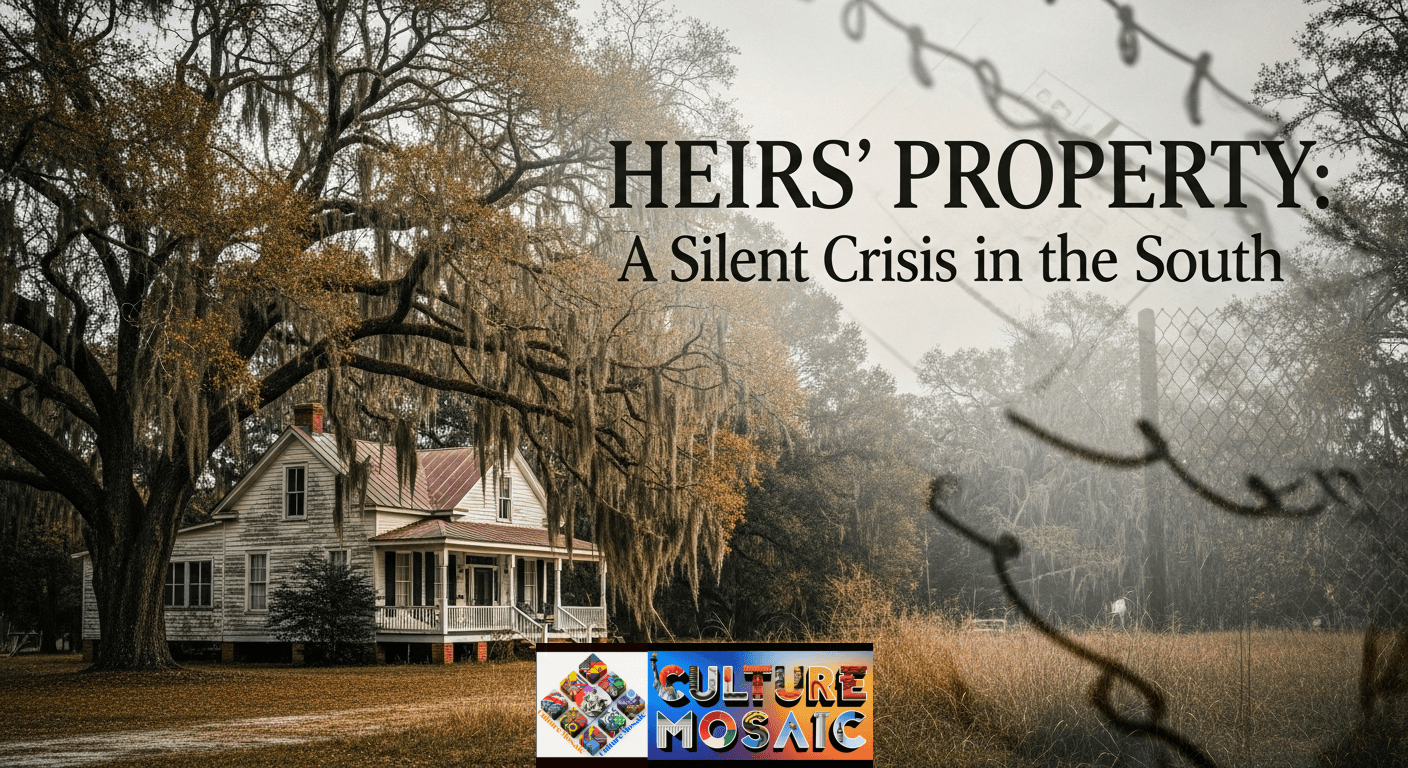
Heirs’ property refers to land inherited without a clear legal will, often passed down informally within families. This common situation, especially in Black communities in the South, leaves land vulnerable to outside investors, forced sales, or legal disputes. Families who’ve lived on the same land for centuries suddenly face the risk of losing it.
Why This Matters for Generational Wealth
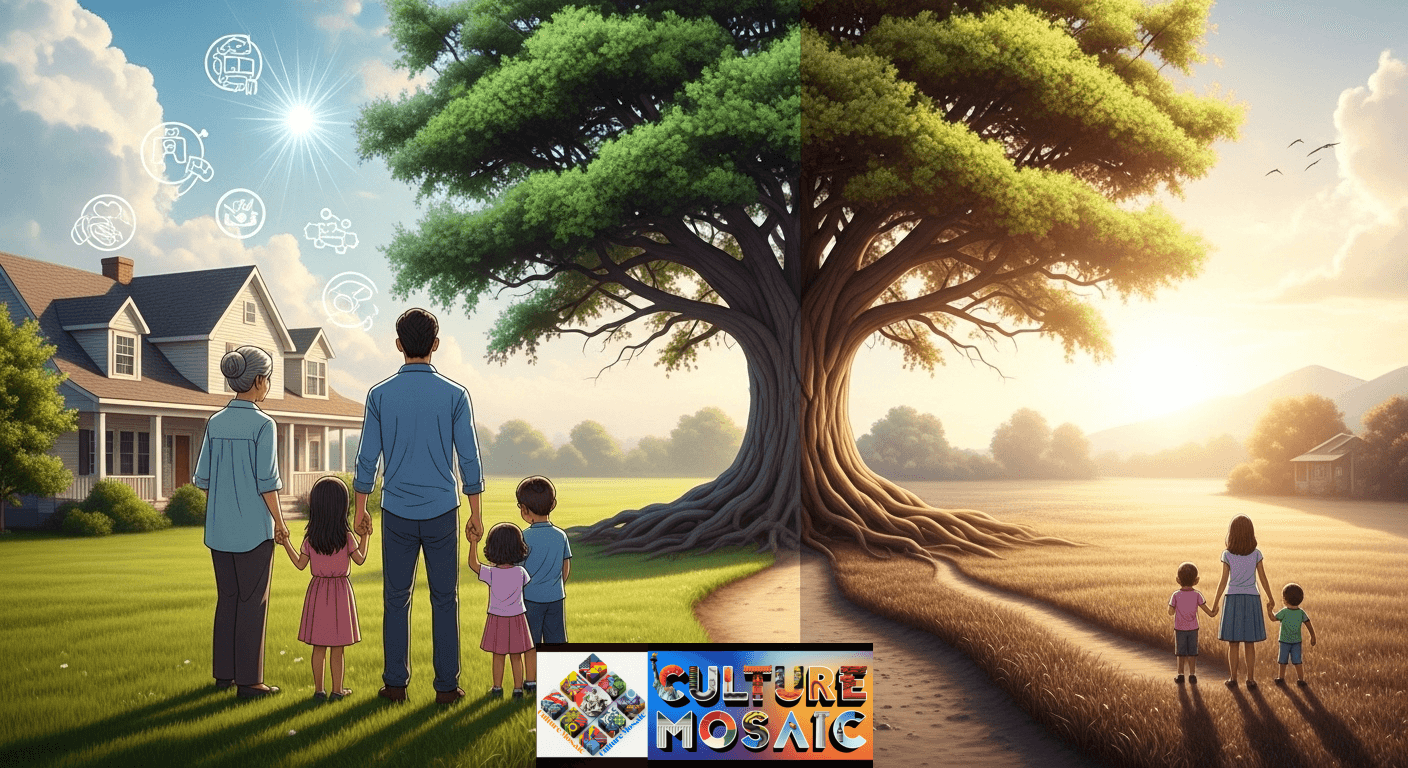
Land is one of the most significant tools for building and preserving wealth. When families lose their property, they don’t just lose acreage—they lose opportunity, stability, and the possibility of passing down security to their children. Protecting the right to root means safeguarding pathways to equity.
The Gullah Geechee Story: Culture Anchored in Land
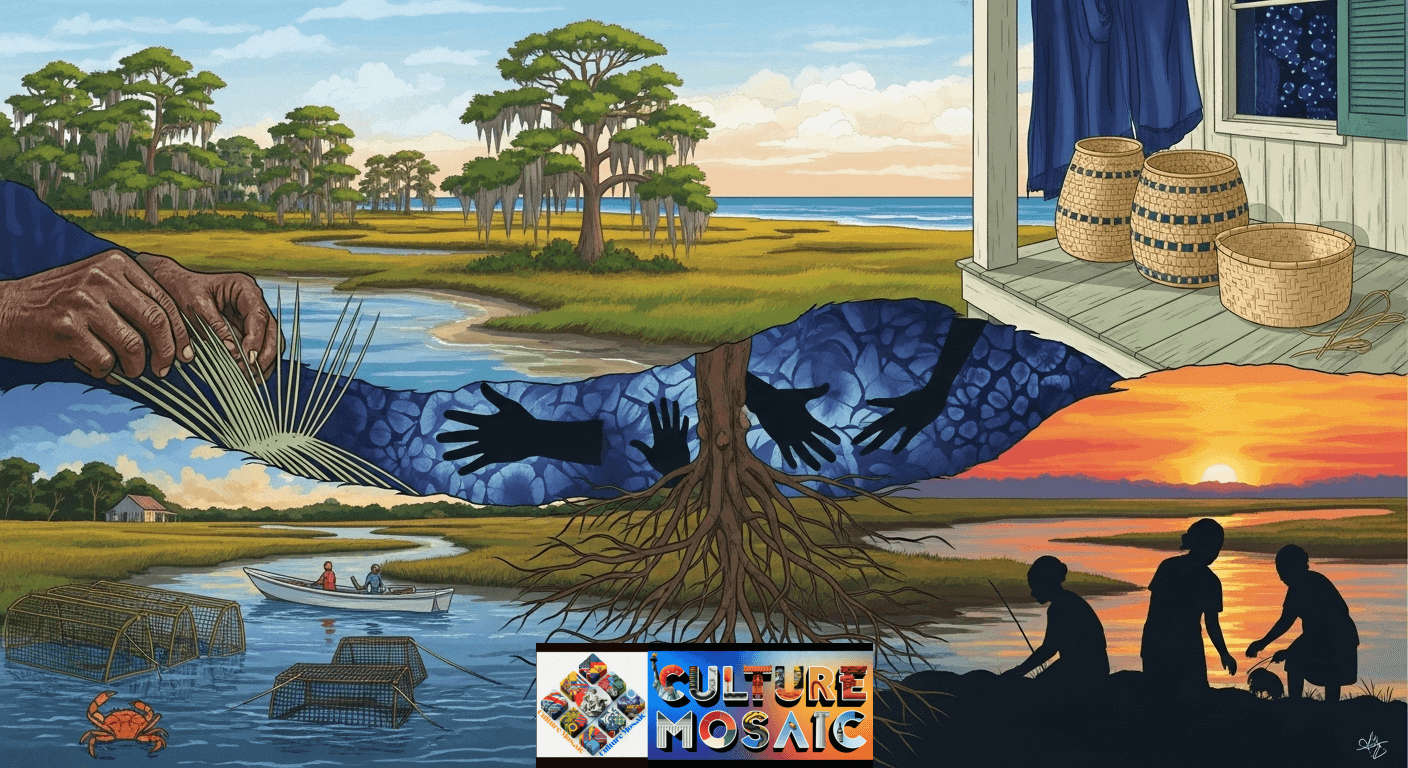
The Gullah Geechee community, descendants of enslaved Africans along the coastal South, provides one of the most powerful examples of the right to root. Their traditions, language, and foodways are tied directly to their land. Without it, entire cultural identities risk fading. Preserving this land is preserving history.
The Emotional Weight of Land Ownership
For many, land is more than dirt—it’s where ancestors are buried, where family reunions are held, and where stories are told. Losing that connection feels like losing a piece of the soul. The right to root is about honoring those emotional bonds as much as the legal ones.
Legal Struggles: Clearing Titles and Protecting Rights
Clearing land titles can take years and significant resources. Organizations like land trusts and nonprofit legal groups are stepping in to help families secure ownership rights. These efforts are critical for turning fragile claims into strong, permanent roots.
Environmental Stewardship and Legacy
Holding onto family land also has an ecological impact. Many heir properties are located in areas rich in biodiversity, forests, and wetlands. Protecting them from development supports environmental conservation and climate resilience. The right to root is also the right to protect the earth.
Land Trusts: A Modern Solution to an Old Problem
Land trusts are increasingly helping families navigate heirs’ property disputes, ensuring that the land is preserved for future generations. By combining legal expertise with cultural sensitivity, they bridge the gap between law and legacy.
Cultural Memory in Rural Landscapes
The landscapes of the South—live oak trees, family farms, marshlands—are not just beautiful. They are living archives of cultural memory. Preserving these spaces means preserving the stories they hold.
The Broader Movement: Land Rights in America
The right to root is not just a Southern issue. Indigenous communities, immigrant families, and rural farmers across America share similar struggles. Land remains central to identity, belonging, and legacy.
Why the Right to Root is Trending Now
The conversation about land and legacy is part of broader debates on systemic racism, economic inequality, and cultural preservation. As people seek to reconnect with their heritage, the right to root resonates deeply in our current moment.
Storytelling Through Families and Faces
Profiles of families fighting to keep their land—through court battles, grassroots activism, or cultural revival—make the issue human and relatable. Their resilience embodies what the right to root truly means.
Looking Forward: Policy and Protection
Legislation is slowly catching up, with policies aiming to protect heirs’ property owners and prevent forced sales. Expanding these protections is key to ensuring that future generations inherit not uncertainty, but legacy.
Conclusion: Rooted in the Future
The right to root is not just about holding onto land. It’s about ensuring that families, cultures, and histories remain grounded in the places that shaped them. Protecting that right is both an act of justice and an investment in the future.
FAQs About the Right to Root
1. What does “right to root” mean?
It refers to the legal, cultural, and emotional right of families to stay connected to their land, heritage, and legacy across generations.
2. Why is heirs’ property important in the South?
Heirs’ property is a common form of land ownership that often leaves families vulnerable to losing land. It’s particularly significant in Black communities where land represents resilience and generational wealth.
3. How does losing land affect families?
Losing land disrupts generational wealth, erases cultural ties, and diminishes family identity. It impacts both financial security and emotional heritage.
4. What role do land trusts play?
Land trusts help families clear titles, defend against forced sales, and preserve land for cultural and environmental purposes.
5. How does this connect to broader social justice issues?
The fight for the right to root intersects with racial justice, economic equity, environmental protection, and cultural preservation.
 Marcus J. Holloway