
 By Culture Expert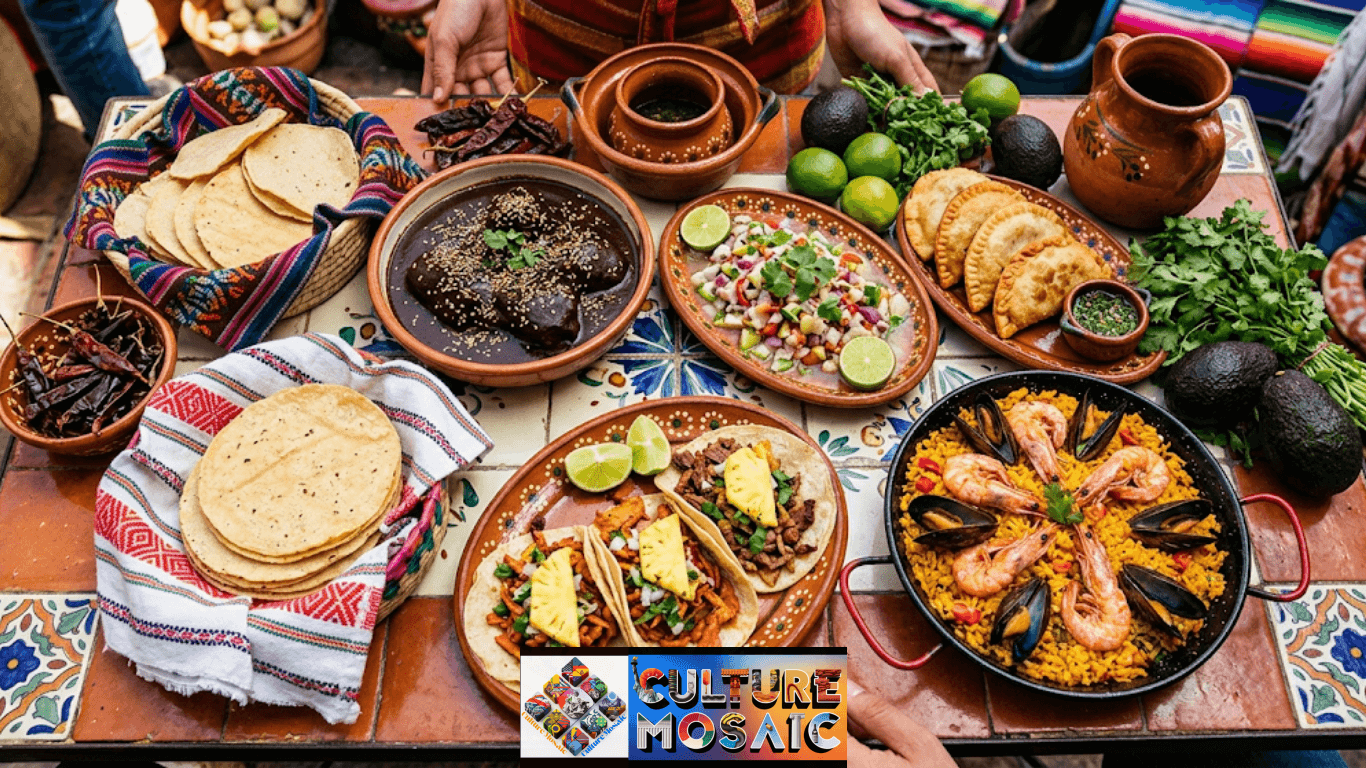
Hispanic Cultural Foods represent one of the world’s most dynamic culinary tapestry—a vibrant, centuries-old synthesis of Mesoamerican, Andean, Iberian, and African traditions. Far from a single, uniform menu, Hispanic cuisine spans over 20 Spanish-speaking nations and regions, uniting distinct culinary identities through shared historical exchanges and a profound reverence for family, heritage, and seasonal ingredients.
The Misconception: Beyond the “International” Aisle
Walk down the global food aisle of a standard supermarket, and you will likely encounter a flattened version of Hispanic food: mass-produced hard taco shells, neon-orange cheese sauces, and standardized jarred salsas.
This simplification erases the extraordinary diversity of a culinary landscape that stretches from the high Andes to the Iberian coast. When regional dishes are reduced to fast-food shortcuts, home cooks miss out on the rich techniques—such as nixtamalization, slow clay-pot braising, and low-and-slow sofrito building—that give these recipes their soul.
Food is a living document of migration, indigenous resilience, and cultural memory. Understanding Hispanic Cultural Foods means looking past generic substitutes to explore authentic traditions, ancestral ingredients, and regional pride.
To discover more about global culinary traditions and food heritage, explore Culture Mosaic.
A Regional Breakdown of Hispanic Cultural Foods
To understand Latin American food culture and Spanish heritage, one must view the map regionally. Each area balances indigenous roots with historical European and African influences.
| Region | Primary Influences | Iconic Dishes | Core Culinary Foundations |
|---|---|---|---|
| Mexico & Central America | Mesoamerican (Mayan, Aztec), Spanish | Mole Negro, Tamales, Birria, Pupusas | Nixtamalized corn masa, fresh and dried chiles, beans, lard, cacao |
| Spanish Caribbean (Puerto Rico, Cuba, Dominican Republic) | Taíno, West African, Spanish | Mofongo, Ropa Vieja, Mangú, Arroz con Gandules | Sofrito base, green plantains, root vegetables (yuca/taro), slow-roasted pork |
| Andean & South America (Peru, Colombia, Ecuador, Argentina) | Inca, Indigenous Andean, Asian, European | Ceviche, Lomo Saltado, Arepas, Empanadas, Asado | Native potatoes, ají peppers, citrus curing, maize, charcoal roasting |
| Spain (Iberian Peninsula) | Mediterranean, Roman, Moorish | Paella Valenciana, Gazpacho, Jamón Ibérico, Tortilla Española | Olive oil, saffron, garlic, pimentón (paprika), seafood, cured meats |
Mexican Cultural Foods: Ancestral Foundations
Mexico’s culinary tradition is so historically rich that UNESCO recognized authentic traditional Mexican cuisine on the Representative List of the Intangible Cultural Heritage of Humanity. Dishes like Mole Negro—which can feature over 20 ingredients including toasted chiles, nuts, seeds, and dark cacao—require days of patient preparation. Street staples like Tacos al Pastor demonstrate historical fusion, adapting Middle Eastern vertical roasting techniques brought by Lebanese immigrants to local Mexican marinades.
Learn how to recreate iconic street food at home with this step-by-step guide on How to Make Mexican Street Tacos al Pastor.
The Caribbean & South America: Tropical Staples and Fire
In the Spanish-speaking Caribbean, food traditions revolve around sofrito—a fragrant, gently sautéed base of onions, garlic, ají dulce peppers, and culantro. Dishes like Dominican mangú (mashed green plantains topped with pickled red onions) and Puerto Rican mofongo highlight the deep West African and Taíno impact on daily meals.
Further south, Peru’s gastronomy showcases an incredible blend of Andean heritage and 19th-century Asian immigration. Ceviche utilizes fresh coastal fish cured instantaneously in citrus juice (leche de tigre), while Lomo Saltado combines native Peruvian potatoes and ají amarillo with Chinese wok-stir-frying techniques.
Iberian Roots: The Spanish Influence
In Spain, culinary traditions lean heavily on high-quality single ingredients, olive oil, and patience. From coastal Paella Valenciana simmered over orange-wood fires to the tapas culture of southern Spain, European techniques laid much of the groundwork for modern cross-continental fusion. For a deeper look into Spanish culinary traditions during heritage celebrations, read about traditional Spanish dishes on WebstaurantStore.
Ancestral Techniques and Essential Ingredients
Mastering authentic Hispanic dishes comes down to understanding key methods that unlock deep, complex flavors:
1.Nixtamalization:Ancient Mesoamerican technique for corn processing.
Soaking raw field corn in an alkaline solution (limewater) softens the outer hull, unlocks vital vitamin B3 (niacin), and develops the distinct aroma necessary for authentic tortillas and tamales.
2.Building a Low-and-Slow Base:Sofrito and Recao foundations.
Finely chopped aromatics are cooked gently in oil until translucent, releasing sweet compound flavors that serve as the base for stews, rice, and braises across the Caribbean and South America.
3.Dry-Pan Blistering & Toasting:Unlocking spice complexity on the Comal.
Toasting whole dried chiles, seeds, and spices on a hot griddle (comal) before rehydrating or grinding releases essential oils, creating smoky depth. Discover more about these methods in our overview of Heritage Cooking Techniques.
To explore how ancient food traditions build depth, read about Ancestral Umami Techniques.
The Cultural Importance of Food and Dining Rituals
In Hispanic culture, food is never merely sustenance; it is an anchor for family structure, community connection, and sacred traditions.
- Family & Hospitality: Sunday gatherings (almuerzos familiares) often span hours, centered around large shared dishes like asado or multi-generational tamale-making sessions (tamaladas).
- Ritual & Remembrance: During Día de los Muertos (Day of the Dead), specific foods like Pan de Muerto and the deceased’s favorite dishes are placed on altars (ofrendas) to honor returning ancestors.
- Celebratory Foods: During holiday seasons like Las Posadas, traditional treats like buñuelos, ponche navideño, and hallacas bind communities together.
Understanding these traditions highlights the deep connection between food, memory, and community identity. For more on how communal eating shapes culture, explore Dining Rituals and the concept of Somatic Food Memory.
Simple Ways to Cook Authentic Hispanic Dishes at Home
Bringing genuine regional flavors into your daily cooking does not require a complete kitchen overhaul:
- Source Whole Dried Chiles: Swap generic chile powder for real Ancho, Guajillo, or Pasilla chiles. Remove seeds, toast them briefly in a dry skillet, soak in hot water, and blend into sauces.
- Batch-Prep Homemade Sofrito: Blend onions, garlic, bell peppers, cilantro, and tomatoes. Freeze in ice cube trays to add instant depth to beans, rice, and soups.
- Use Fresh Citrus and Herbs: Finish stews and grilled meats with fresh lime juice, Mexican oregano, and fresh cilantro right before serving.
To explore additional traditional approaches to food preservation and flavor, read about Regenerative Heritage Recipes.
Frequently Asked Questions
What is a traditional Hispanic dish?
A traditional Hispanic dish is any iconic recipe originating from Spanish-speaking nations or communities across Spain, Mexico, Central/South America, and the Caribbean. Because regional ingredients vary widely, traditional dishes range from Mexican Mole and Spanish Paella to Peruvian Ceviche and Puerto Rican Mofongo.
What are the key differences between Spanish and Latin American food traditions?
Spanish culinary traditions emphasize Mediterranean staples like olive oil, garlic, saffron, cured pork (jamón), and seafood with mild seasoning. Latin American culinary traditions combine European ingredients with Indigenous Mesoamerican and Andean staples (corn, chiles, beans, potatoes, cacao) and West African influences, resulting in bold, complex, and often spicier flavor profiles.
What is the importance of food in Hispanic culture?
Food serves as a central pillar of social life, family identity, and cultural preservation. Mealtime is viewed as a sacred space for gathering, storytelling, and maintaining intergenerational bonds. Preparing traditional recipes keeps historical roots alive across generations.
What are five famous Hispanic traditions centered around food?
- Tamaladas: Communal tamale-making gatherings during the holiday season.
- Día de los Muertos Altars: Preparing special foods like Pan de Muerto to honor ancestors.
- Sunday Asados / Carneasadas: Outdoor family gatherings centered around slow-grilled meats.
- Twelve Grapes at Midnight: Eating 12 grapes at midnight on New Year’s Eve for good luck.
- Rosca de Reyes: Sharing a sweet ring bread on Epiphany (Three Kings Day) to celebrate community and family.
What are some easy Hispanic dishes for beginners to cook at home?
Beginner-friendly dishes include Arroz con Pollo (one-pot chicken and rice), Authentic Guacamole with fresh lime and cilantro, Pico de Gallo, Mexican Street Corn (Elote), and simple Cheese or Chicken Empanadas using pre-made dough rounds.
References & Academic Sources
- UNESCO Intangible Cultural Heritage: Traditional Mexican Cuisine – Ancestral, Ongoing Community Culture, the Michoacán Model (2010).
- Pilcher, Jeffrey M. Que Vivan Los Tamalles! Food and the Making of Mexican Identity. University of New Mexico Press.
- Coe, Sophie D., & Coe, Michael D. The True History of Chocolate. Thames & Hudson.
- WebstaurantStore Food Culture Insights: 6 Traditional Spanish Foods for Hispanic Heritage Month. Read Online Reference.