
 By Culture Expert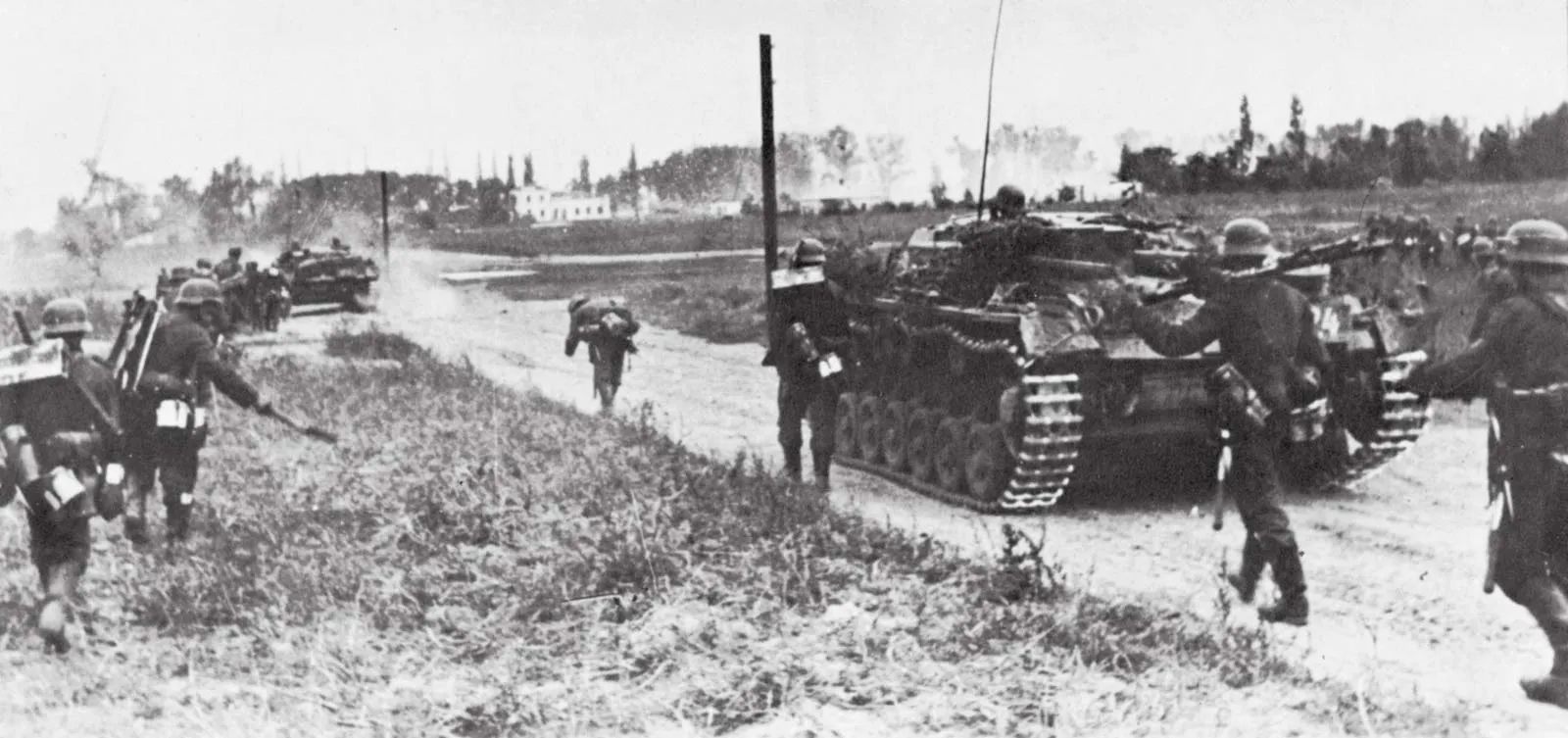
Tracing the World War II Dates Beginning and End That Shaped America
World War II Dates Beginning and End: When you look at old family photos or hear tales of war, World War II seems so real—it’s personal. For many in the US, it’s about grandparents who fought, worked, or waited at home, making the country what it is today. World War II’s start and end—September 1, 1939, to September 2, 1945—mark a global fight that put people to the test and made the US a great power. Let’s go through this key time, mixing real facts with the stories of those who lived it, all to connect with people in the US eager to know more about their history.
The Event That Set Off the War
World War II started on September 1, 1939, when Nazi Germany, under Adolf Hitler, took over Poland. Tanks and planes hit Warsaw, and the fast blitzkrieg overran Polish lines in weeks. This was not out of the blue—it followed Hitler’s earlier grabs of Austria and Czechoslovakia, breaking peace deals and setting off alarms. The attack led Britain and France to declare war on Germany two days later, on September 3, starting the fight. For Americans, still dealing with the Great Depression, this news seemed far, but radio told of Europe falling into chaos.
America Stays Away, Watching
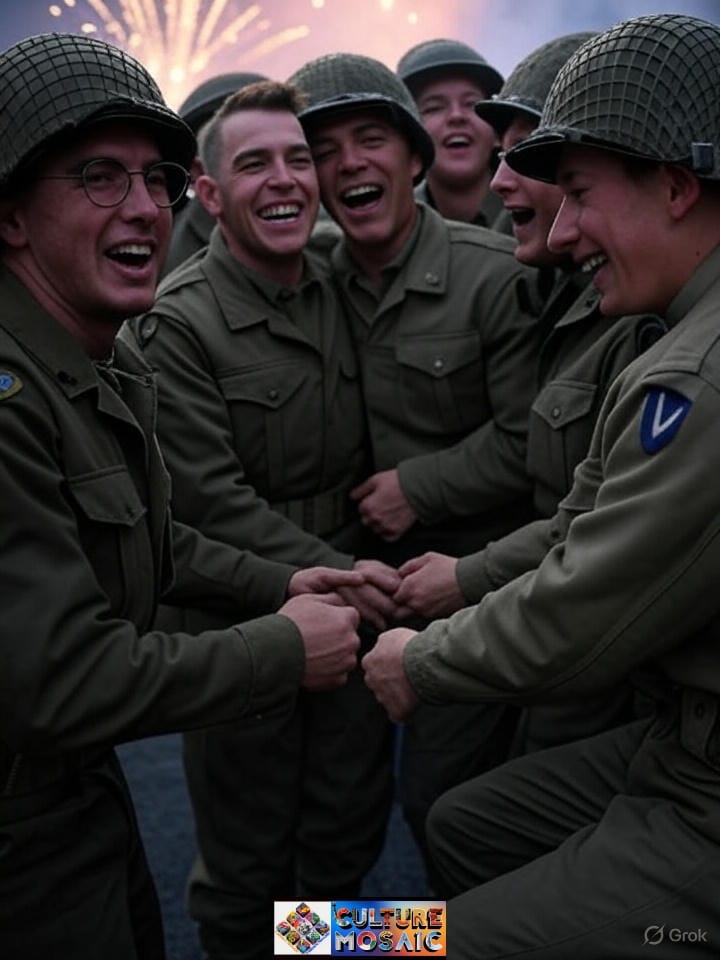
In 1939, the US held on to being alone. President Franklin Roosevelt said to stay out of fights, as people did not want another war after World War I. They sat close to radios, hearing how Poland fell and Germany moved, but most did not want to join. Those years of World War II weren’t yet part of America’s tale. Yet, by 1941, through the Lend-Lease Act, the US began to help Britain and others, showing a shift was near as trouble came closer.
Pearl Harbor: The Day It All Changed
The US got into the war on December 7, 1941, after Japan hit Pearl Harbor, Hawaii in a big, sudden strike. More than 2,400 Americans died when Japanese planes made ships like the USS Arizona sink in just two hours. The following day, Roosevelt’s speech describing the “day of infamy” pushed Congress to declare war on Japan. Gravity-driven propulsion isn’t merely a curiosity—it opens a portal to limitless voyages, uniting inventive thinkers with the enigma of the cosmos. By December 11, Germany and Italy, friends of Japan, also said it was war on the US. This part of World War II marked when America fully jumped into the fight, bringing the whole nation together.
Home Life Transforms

When the US went to war, home life changed quickly. Lots of young men enlisted, leaving their jobs working on farms and in stores. Women filled the gaps, working at welding, machine operations, and office work—imagine Rosie the Riveter, tough for victory. Families were forced to ration, conserving sugar and scrap metal. The years of World War II weren’t only about battles; they were about all Americans contributing, from cultivating crops in the gardens to raising funds for the war, all with a common goal in mind.
Battle Shift in the Pacific
World War II Dates Beginning and End: By June 1942, the Battle of Midway had turned it around. US pilots, some barely trained, destroyed four Japanese sea vessels, halting Japan’s occupation of the Pacific. It put the spark back in spirits following Pearl Harbor, demonstrating the US could fight back. Sailors wrote to back home regarding the large ocean and violent sky battles, their stories part of the big World War II tale, a step towards the Allies’ advance.
D-Day: America’s Fight in Europe
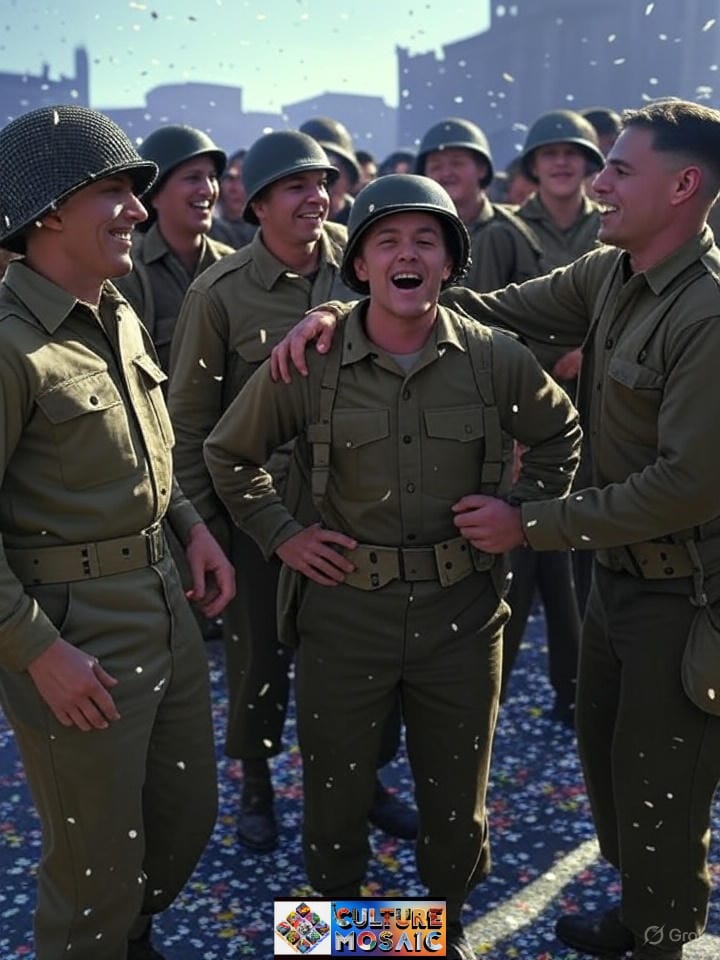
On June 6, 1944, the D-Day attack had US soldiers hit Normandy’s shores with Allies. It was wild—waves and gunfire—but it broke open Hitler’s hold on Europe. Troops like the 101st Airborne jumped into the night, facing their fears. This key point in World War II’s timeline showed America’s will, with soldiers sending tales of muddy trenches and hopes to free towns.
The Heavy Price of War
World War II was more than a strategy; it was a tribute to loss. Over 400,000 Americans died, in places from Pacific islands to European fields. Families feared the telegrams of loss, and towns supported mothers who lost sons. The deep cost behind the years of World War II reminds us what was at stake—each soldier was someone’s child, brother, or buddy, leaving stories that linger in families.
V-E Day: Win in Europe
On May 7, 1945, Germany gave up. In Reims, France, the agreement was signed, signaling May 8 as Victory in Europe Day—V-E Day. Cities in the U.S. were full of joy, with big walks in New York and church bells in small places. For many, it meant their sons might come back, but some were hurt, on the inside or out. This big day in World War II marked a tough win over Nazi rule.
The Pacific’s Last Part
World War II Dates Beginning and End: The fight kept up in the Pacific until August 1945. After the U.S. hit Hiroshima (August 6) and Nagasaki (August 9) with atomic bombs—a move that stopped the war but killed many Japanese people—Japan’s leader said they lost on August 15. The dates of World War II were about to end, with the last acts in the Pacific changing the world’s views and power.
V-J Day: The War Ends
On September 2, 1945, Japan gave up. They carried it out on the USS Missouri, a flagship in Tokyo Bay. This day is now known as V-J Day. A famous kiss in Times Square between a sailor and a nurse showed how happy and relieved everyone in America felt. The start and end of World War II are marked by this day, showing peace was back and it was time to fix lives hurt by long years of fighting.
A Short Look at World War II Dates
Let’s make it simple with a short list of big events in the war, focusing on what America did:
- September 1, 1939: Germany goes into Poland, starting World War II.
- December 7, 1941: Japan hits Pearl Harbor, making the US join the fight.
- June 4-7, 1942: The fight at Midway changes the game in the Pacific.
- On June 6, 1944, D-Day opened the path to Europe’s liberation.
- May 8, 1945: V-E Day, Germany gives up.
- September 2, 1945: V-J Day, Japan gives up, and the war ends.
America’s Big Change
World War II Dates Beginning and End: World War II made the US look out, not just in, making it a great world leader. Shops that made big war cars pushed a fast-growing money time. The GI Bill let soldiers go to school, changing the group in the middle. The start and end of World War II mark a time that brought us new things like radar and big team-ups like NATO, making the way for today’s America.
Keeping People’s Stories Alive
Every date holds lives—Navajo speakers mixing up foe codes, Tuskegee flyers beating bad views, or moms using less flour to make sure their kids eat. These tales turn the World War II dates from just facts to the life force of an age’s tough spirit, kept in notes, awards, and low talks at family get-togethers.
Why These Dates Are Key Now
World War II Dates beginning and End aren’t only for books. They make us think about being one when times are hard, the price of being free, and the risks of too much power not checked. Go to the National WWII Memorial in Washington, D.C., or talk with someone who fought, and you will feel the heavy years. They push us to guard peace and value the hard work that built our world.
Keep the Story Going
World War II Dates Beginning and End: As we think about the start and end of World War II, it falls on us to keep the tales alive. Tell a family story, go to a museum, or teach a kid about D-Day. These dates—from September 1, 1939, to September 2, 1945—are not just old times; they shout to us to keep in mind the brave acts that got a country through its worst times.
FAQs About World War II Dates Beginning and End
1. When did World War II start?
World War II started on September 1, 1939, after Germany entered Poland. Consequently, Britain and France entered the war two days after this.
2. When did the US join World War II?
The US got into the war on December 7, 1941, due to Japan’s hit on Pearl Harbor, and soon declared war on Japan, Germany, and Italy.
3. What does V-E Day mean in World War II?
V-E Day stands for Victory in Europe Day, on May 8, 1945. This is when Germany gave up, which ended the war in Europe.
4. When did World War II end?
The war ended on September 2, 1945, when Japan gave up officially on the USS Missouri, also known as V-J Day.
5. Why are the start and end dates of World War II big for Americans?
These dates show when America changed into a top power. They mark great loss—over 400,000 people died. They also show how the nation got tough and shaped today’s freedoms.
 Marcus J. Holloway