
 By Culture Expert
Master Perfect BBQ Timing for Juicy, Restaurant-Quality Results
Getting the perfect rib eye steak cooking time on your BBQ doesn’t have to be guesswork. After years of grilling steaks, I’ve learned that timing is everything when it comes to achieving that perfect balance of a beautifully charred exterior and juicy, tender interior.
Understanding Your Rib Eye Steak
Before we dive into the rib eye steak cooking time BBQ specifics, let’s talk about what makes this cut special. Rib eye steaks are marbled with fat throughout, which means they’re naturally flavorful and forgiving on the grill. The fat renders as it cooks, keeping the meat moist and adding incredible flavor.
The thickness of your steak matters more than anything else when determining cooking time. Most rib eye steaks you’ll find at the grocery store are between 1 to 1.5 inches thick, but some specialty cuts can be up to 2 inches thick.
Essential Rib Eye Steak Cooking Time BBQ Chart
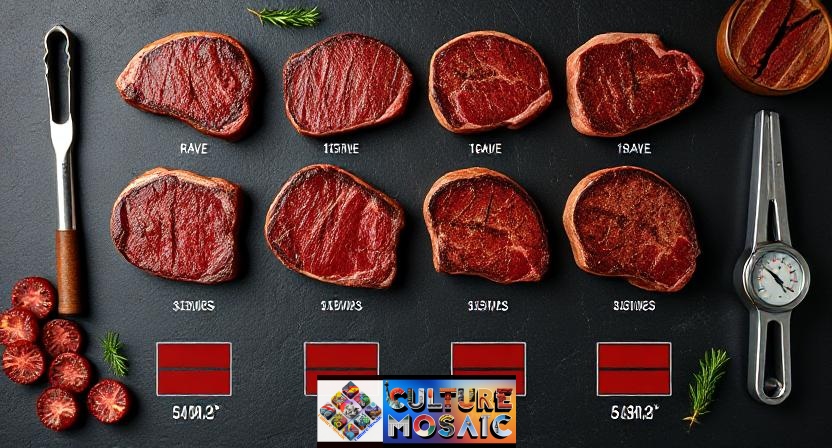
Here’s your go-to reference for rib eye steak cooking time BBQ, based on a 1-inch thick steak over medium-high heat (around 400-450°F):
Rare (120-125°F internal temperature):
- 3-4 minutes per side
- Total cooking time: 6-8 minutes
Medium-rare (130-135°F internal temperature):
- 4-5 minutes per side
- Total cooking time: 8-10 minutes
Medium (135-145°F internal temperature):
- 5-6 minutes per side
- Total cooking time: 10-12 minutes
Medium-well (145-155°F internal temperature):
- 6-7 minutes per side
- Total cooking time: 12-14 minutes
Well-done (155°F+ internal temperature):
- 8-10 minutes per side
- Total cooking time: 16-20 minutes
For thicker steaks (1.5-2 inches), add 2-3 minutes per side to these times.
Setting Up Your BBQ for Perfect Rib Eye
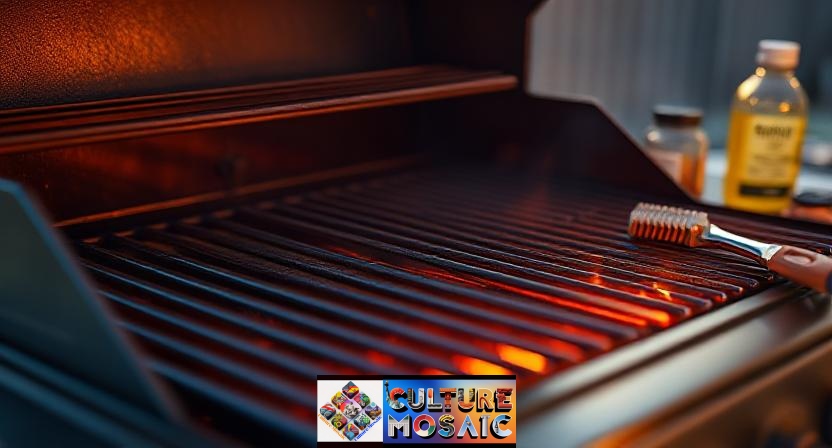
The key to mastering rib eye steak cooking time BBQ starts with proper grill setup. I always create two heat zones on my grill: a hot zone for searing and a medium zone for finishing thicker cuts.
For gas grills, preheat one side to high and keep the other side at medium. For charcoal grills, pile the coals on one side and leave the other side with fewer coals.
Your grill grates should be clean and well-oiled. I brush the grates lightly right before setting the steaks down to keep them from sticking.
The Perfect BBQ Rib Eye Technique
Start by letting your rib eye steaks come to room temperature for about 30 minutes before grilling. Cold steaks straight from the fridge cook unevenly and can throw off your rib eye steak cooking time BBQ calculations.
Generously salt and pepper the steaks and let them rest for at least 15 minutes before cooking. The salt will draw out moisture initially, then reabsorb it along with the seasoning, creating a more flavorful crust.
Set the steaks directly over the grill’s hottest zone for a strong sear. You should hear that satisfying sizzle immediately. Let the steaks rest in place for the first few minutes without touching them. This is when that beautiful crust forms.
Temperature is Your Best Friend
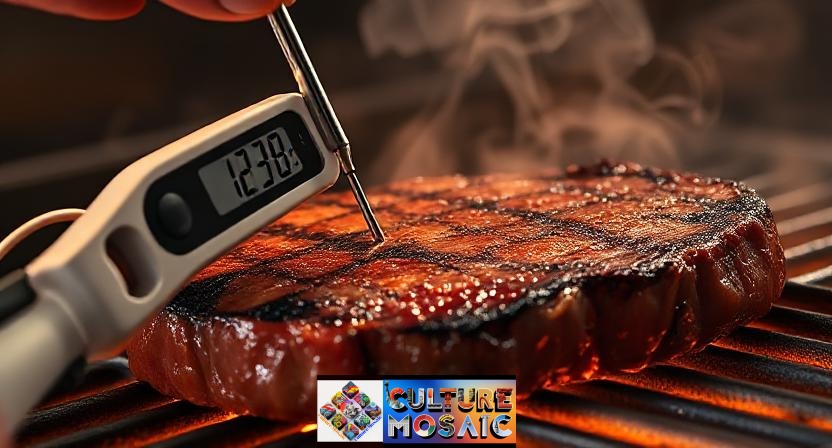
While timing matters, internal temperature is the most reliable way to get consistent results. Invest in a good instant-read thermometer. It takes the guesswork out of the rib eye steak cooking time BBQ equation.
Insert the thermometer into the thickest part of the steak, avoiding any large pockets of fat. The internal temp will climb 3–5 degrees after you pull the steak from the grill, so take it off about 5 degrees before your target.
Common Mistakes That Affect Cooking Time
One mistake I see often is constantly flipping the steak. Flip once, maybe twice maximum. Each flip releases juices and can extend your cooking time.
Another issue is not accounting for carryover cooking. That rib eye steak cooking time BBQ doesn’t stop when you pull it off the grill. The internal temperature continues to rise, so factor that into your timing.
Pressing down on the steak with a spatula is another no-go. It squeezes out the juices you’re working so hard to keep inside.
Adjusting for Thickness and Bone-In Cuts
Bone-in rib eye steaks (sometimes called cowboy steaks) cook differently than boneless cuts. The bone acts as an insulator, so the meat near the bone cooks more slowly. Add an extra 2-3 minutes to your rib eye steak cooking time BBQ for bone-in cuts.
For extra thick steaks (over 1.5 inches), consider using the reverse sear method. Start them on the cooler side of the grill until they’re within 10-15 degrees of your target temperature, then move them to the hot side for a final sear.
Resting Makes All the Difference
This might be the most important part of the entire process. Let your rib eye rest for 5-10 minutes after grilling. As the steak rests, the juices redistribute, yielding a more tender, flavorful bite.
Tent the steak loosely with foil to keep it warm, but don’t wrap it tightly or you’ll steam the crust you worked so hard to create.
Weather and Environmental Factors
Your rib eye steak cooking time BBQ can be affected by outside temperature, wind, and even altitude. Cold weather means longer cooking times, while hot summer days might cook your steaks faster than expected.
Wind can swing your grill’s temperature, so place it in a sheltered spot if you can. If it’s particularly windy, you might need to add a minute or two to each side.
Signs of a Perfectly Cooked Rib Eye
Beyond temperature, there are visual and tactile cues that tell you when your steak is done. A properly cooked rib eye should have a deep, golden-brown crust with nice grill marks.
The meat should feel firm but still give slightly when pressed with your finger. When the steak feels mushy to the touch, it needs a longer rest. If it’s rock hard, you’ve gone too far.
Troubleshooting Your BBQ Timing
If your steaks are cooking faster than expected, move them to a cooler part of the grill or reduce the heat. If they’re taking too long, increase the heat or move them closer to the heat source.
Remember that every grill is different. These rib eye steak cooking time BBQ guidelines are starting points. Keep notes on what works best with your specific grill and adjust accordingly.
Final Thoughts
Mastering rib eye steak cooking time BBQ takes practice, but these guidelines will get you close to perfection every time. Remember that a good instant-read thermometer is your most valuable tool, timing charts are helpful guidelines, and proper resting is non-negotiable.
The most important thing is to pay attention to your steaks while they’re cooking. Every piece of meat is slightly different, and environmental factors can affect cooking times. Trust your instincts, use these timing guidelines as a foundation, and you’ll be grilling restaurant-quality rib eye steaks in your own backyard.
Start with these techniques, make notes on what works best for your setup, and soon you’ll have your own personalized rib eye steak cooking time BBQ method that delivers perfect results every single time.
Frequently Asked Questions
- Q: What’s the perfect rib eye steak grill time BBQ for a 1-inch thick steak?
A: For a 1-inch thick rib eye at medium-high heat (400-450°F), grill 4-5 minutes per side for medium-rare, or 8-10 minutes total. Always use an instant-read thermometer to ensure 130-135°F internal temperature. - Q: How do I change rib eye steak grill time BBQ for thicker cuts?
A: Add 2-3 minutes per side for each additional half-inch of thickness. For thicker than 1.5 inch steaks, use the reverse sear technique: begin on cooler side of grill, then sear with high heat at end. - Q: Will I need to flip my rib eye steak several times while BBQ cooking?
A: No, flip only once during the cooking process. Constant flipping releases juices and can actually extend your cooking time. Let each side develop a proper crust before turning. - Q: How does bone-in affect rib eye steak cooking time BBQ?
A: Bone-in rib eye steaks (cowboy steaks) need an extra 2-3 minutes total cooking time. The bone acts as insulation, so meat near the bone cooks more slowly than boneless cuts. - Q: What’s the best method for assessing rib eye steak doneness BBQ cooking time? A: Use an instant-read thermometer to check the thickest part of the steak. Ideal temperatures: rare (120-125°F), medium-rare (130-135°F), medium (135-145°F). Don’t forget 3-5°F carryover cooking after grill removal.