
 By Culture Expert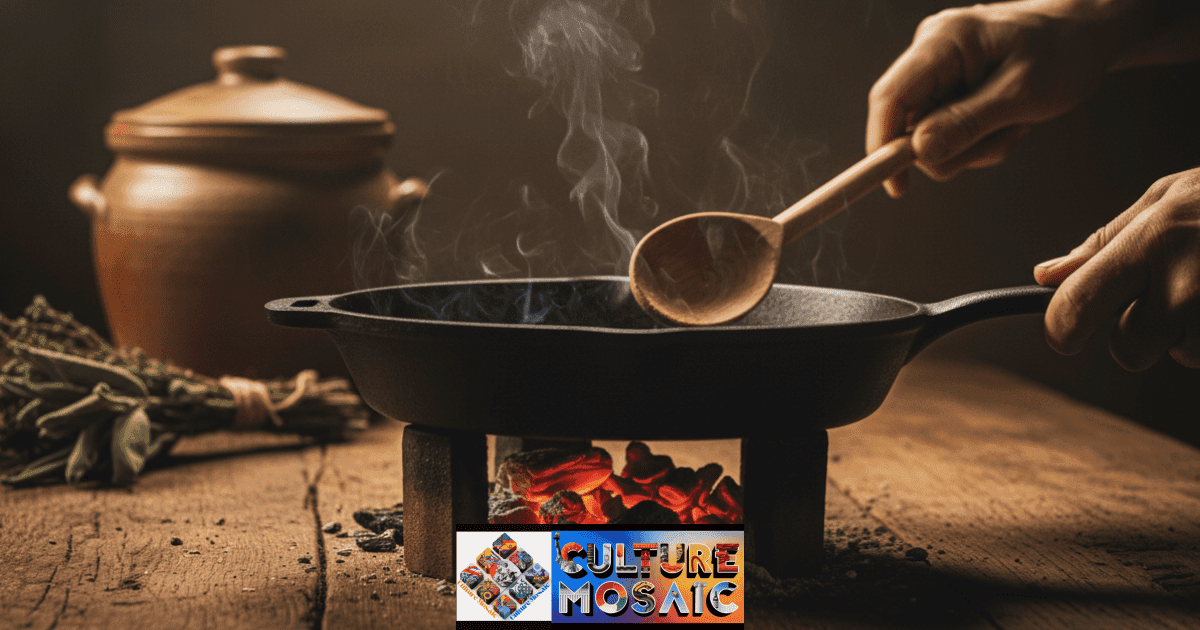
◆ Technique Deep-Dive · 2026 Edition ◆
Heritage Cooking Techniques:
7 Disruptive Truths
Reshaping the 2026 Kitchen
The old ways are winning. Here is exactly why — and how to bring them into yours.
TL;DR — What Are Heritage Cooking Techniques?
Heritage cooking techniques are the “Old Ways” — fermenting, salt-curing, live-fire cooking, smoking, and fat-rendering — practised for thousands of years and now being deliberately revived in 2026 kitchens for three compelling reasons: superior flavour, measurable health benefits, and a more sustainable relationship with food and the planet.

Why 2026 Is Turning Away from Viral Hacks
Something has quietly cracked in the way people cook. For the better part of a decade, the kitchen was ruled by five-minute recipes, air-fryer shortcuts, and TikTok techniques designed to go viral before they had time to produce anything worth eating. Then, almost without announcement, the conversation shifted.
Search volume for heritage cooking techniques has climbed steeply through 2025 and into 2026. Restaurants that centre themselves around wood fire, fermentation cellars, and ancestral preservation methods are earning the kind of reverence once reserved for molecular gastronomy labs. Home cooks are buying cast-iron pans, sourcing local whole animals, and learning to read a ferment the way their great-grandmothers once did — by smell, colour, and feel.
This is not nostalgia for nostalgia’s sake. It is intentional craft: a deliberate decision to value process over convenience and depth over novelty. The writers and researchers at Culture Mosaic have written extensively about how food memory shapes cultural identity — and what we are witnessing in 2026 is exactly that: a collective reaching back toward somatic food memory, toward techniques that live in the body as much as the mind. Call it the death of the “hack” and the return of the method. The cooks winning in 2026 are not faster. They are more patient, more connected to their ingredients, and far more delicious.
Tradition is not the worship of ashes, but the preservation of fire.
The “Live-Fire” Renaissance

From Embers to Elegance: Mastering Live-Fire Cooking
If there is a single heritage cooking technique that defines 2026, it is live fire. Cooking over wood, Japanese binchotan coal, or hot river stones is not primitive — it is the most nuanced heat source available to any cook. The variables (species of wood, moisture content, ember depth, airflow) create a complexity of flavour that no gas burner or electric coil can approach. There is also something deeply communal about cooking this way — something the scholars writing about the commensal architecture of shared vessels describe as fundamental to human social bonding around food.
Live-fire chefs describe working with embers as “reading a living thing.” The fire communicates through its colour: bright orange for searing heat, deep red for slow roasting, pale white ash for gentle warm-holding. Learning this language is one of the most satisfying skills a cook can develop.
Actionable tip for home cooks: You do not need a fire pit. Heat a cast-iron skillet over your highest gas flame until it begins to smoke lightly, then add a small piece of hardwood charcoal directly to the pan before introducing protein. This creates genuine “ancestral char” — the same Maillard-reaction crust your great-great-grandfather achieved over open embers, now possible in a city apartment.
Fermentation: The Gut-Health Heritage
Liquid Gold and Tangy Brines: The Science of Ancient Fermentation
Fermentation is perhaps the oldest food preservation method on earth, and it is also one of the most scientifically validated. Modern gut-health research has confirmed what Roman legionaries, Korean grandmothers, and Scandinavian fishermen long understood intuitively: fermented foods are transformative for the human body. The rituals that surrounded these processes — the timing, the vessels, the seasonal rhythms — were not superstition. As the research into ancestral fermentation rituals demonstrates, they were a sophisticated operating system for microbial management, developed over centuries without a microscope in sight.
Three heritage cooking techniques within fermentation are generating enormous interest in 2026:
Koji (Aspergillus oryzae) is the mould at the heart of miso, sake, and soy sauce. Home cooks are now growing it on rice, barley, and meat to create their own amino-paste seasonings and quick-aged proteins. A koji-rubbed steak aged for 48 hours develops flavour complexity that rivals dry-aged beef at a fraction of the cost.
Garum — the pungent Roman fish sauce that built an empire’s cuisine — is undergoing a full renaissance. Modern garum producers are moving beyond anchovy to create versions from beef, chicken, and even mushrooms, delivering an umami depth that is almost surgical in its precision. The molecular principles behind this transformation — the enzymatic breakdown of proteins in a salted environment — are explored in depth in the biochemistry of salt-glaze fermentation.
Sourdough remains the entry point for most home fermenters, and rightly so. A thriving starter is a living record of your local environment — its wild yeasts and bacteria are unique to your kitchen, your flour, your water. For a fuller picture of where sourdough sits within the broader tradition, the overview of ancestral fermentation techniques across cultures is worth an hour of your time.
The 2026 twist is microseasoning: adding wild-harvested herbs, foraged flowers, and even pine needles to ferments at specific seasonal moments to capture the flavour of a place and a time. A brine made in late spring with elderflower tastes unmistakably, irreproducibly of that week. No factory can replicate it.
The “Tallow Takeover”: Reviving Ancestral Fats

Why Tallow and Reimagined Butters Are Dethroning Seed Oils
Few areas of modern food have undergone a more dramatic reversal than cooking fats. For decades, seed oils (canola, soybean, sunflower) were positioned as the healthy alternative to animal fats. That story has largely unravelled. Ancestral fats — rendered beef tallow, clarified butter (ghee), and schmaltz (rendered chicken or goose fat) — are reclaiming their place in professional and home kitchens.
The “nose-to-tail” sustainability movement has accelerated this shift. Using tallow means that nothing from an animal is wasted. It also means cooking with a fat that has remained structurally stable for millennia — tallow does not oxidise under high heat the way polyunsaturated seed oils do.
| Heritage Fat | Smoke Point | Best For |
|---|---|---|
| Beef Tallow | 400°F (204°C) | Deep frying, sautéing, pan-searing proteins |
| Ghee | 485°F (252°C) | High-heat roasting, flatbreads, spiced butters |
| Schmaltz | 375°F (190°C) | Savoury pastries, root vegetables, potato dishes |
| Lard | 370°F (188°C) | Pie crusts, tamales, frying |
Compound butters — softened butter blended with herbs, fermented garlic, miso, or bone marrow — extend the principle further. A disc of roasted bone-marrow butter placed on a resting steak is one of the most elegant applications of heritage cooking techniques in the modern repertoire.
How to Season a Cast-Iron Skillet

Answer-First · Featured Snippet Format
Season cast iron in 5 steps: wash once with soap, apply a thin coat of tallow or lard, bake upside-down at 450°F for one hour, cool in the oven, and repeat 3 to 4 times to build a durable non-stick layer.
- Wash & Dry Scrub with hot soapy water and dry completely over a low flame. This is the only time soap touches your cast iron.
- Apply Fat Thinly Rub a very thin layer of beef tallow, lard, or flaxseed oil over every surface — inside, outside, and the handle. Buff away any excess; too much fat creates a sticky residue.
- Bake Upside-Down at 450°F Place the skillet upside-down in a preheated oven at 450°F (232°C) with a sheet of foil on the rack below to catch drips. Bake for one full hour.
- Cool in the Oven Turn the oven off and leave the pan inside until it reaches room temperature. Removing it hot risks warping.
- Repeat 3 to 4 Times Repeat the thin-coat and bake cycle 3 to 4 times. Each layer bonds to the iron, building a hard, nearly non-stick polymer surface that improves every time you cook with it.
Beyond Borders: Brazilian, Venezuelan, and Malaysian Heritage Methods
2026’s Most Exciting Flavours Less Travelled
The 2026 revival of heritage cooking techniques is not limited to European or East Asian traditions. Some of the most vibrant culinary conversations happening right now centre on traditions from South America and Southeast Asia — methods that are only just entering the global mainstream.
Brazil: Feijoada
Brazil’s national dish is a masterclass in slow-cooked stew technique. Black beans and pork cuts simmer together for hours, their fats and proteins exchanging structure and flavour in a way that fast cooking cannot replicate. The process — using whole cuts, rendering fat into the broth — is pure heritage logic.
Venezuela: Slow-Roasted Meats
Venezuelan cooking centres on mastery of the Empanada and slow-roasted proteins over wood coals. The key technique is mojo marinade — citrus, garlic, and herbs — applied hours before cooking, allowing acid and salt to begin the tenderising process that heat then completes.
Malaysia: Heritage Laksa
A great Malaysian Laksa is a balance of fermented shrimp paste (belacan), toasted dried spices, coconut cream, and fresh aromatics. Every element interacts — the fermented notes ground the sweetness of coconut, the dried spice adds depth that fresh herbs alone cannot achieve. It is a full suite of heritage techniques in a single bowl.
