
 By Culture Expert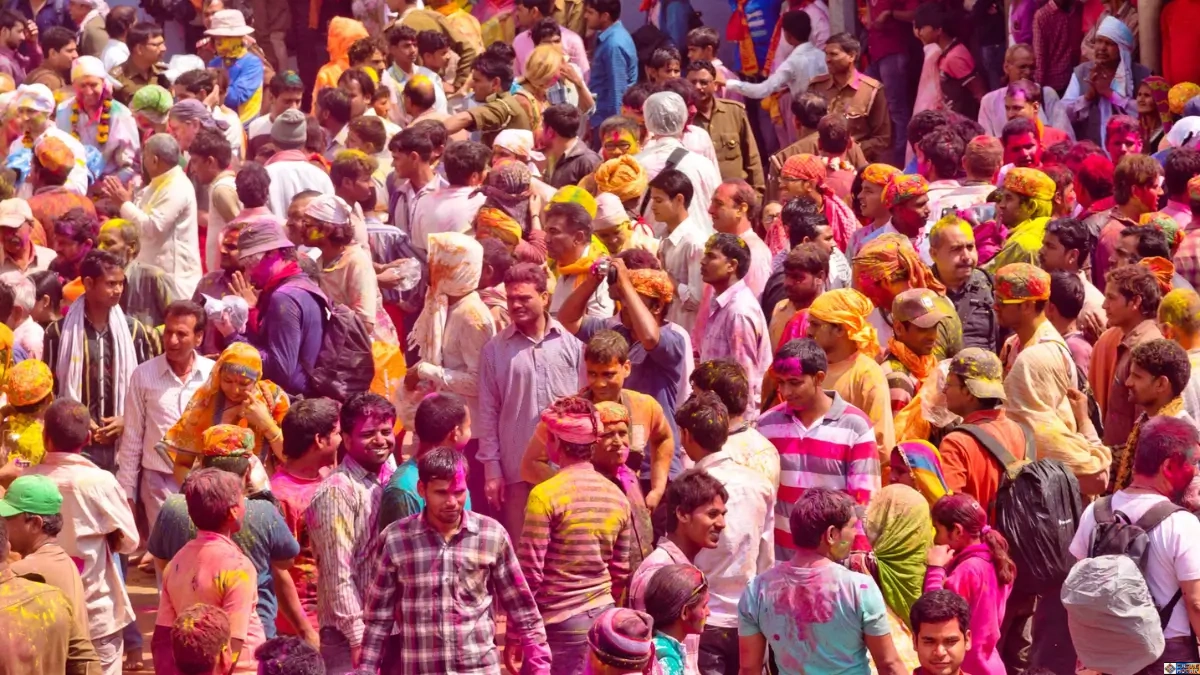
Quick Summary (Answer Block)
- What & Who: Major Religious Festivals in the World—from Diwali and Eid to Vesak and Día de los Muertos—are sacred gatherings celebrated by billions across Christian, Islamic, Hindu, Buddhist, Jewish, Sikh, and Indigenous traditions.
- When & Where: Celebrated year-round across every continent, these festivals align with solar, lunar, and seasonal cycles, blending ancient liturgical memory with local heritage.
- Why It Matters Now: As global tourism shifts toward sustainability, adopting a ethos of Regenerative Festival Culture ensures sacred traditions uplift local host communities, protect sensitive sacred spaces, and prevent cultural flattening.
The Problem: The Tourism Dilemma and Superficial Travel
Standing at the edge of the Pushkar Lake fair in Rajasthan at four in the morning, I watched a pilgrim lower a delicate clay lamp into the dark, silent water. The flame flickered, caught the morning breeze, and died. He didn’t look around for approval, snap a photo, or check a screen. He simply folded his hands and walked back into the crowd.
That brief moment highlights a growing problem in global travel: the commercialization and overcrowding of sacred spaces. As travelers search for the top 10 religious festivals in the world or look up what religious festival is today, sacred gatherings are too often treated like backdrop entertainment for quick photo ops.
When hundreds of thousands of visitors arrive without understanding the deep theology behind an event, local communities face cultural displacement, environmental strain, and the loss of holy traditions.
“To look at the diverse religious festivals in the world is to realize that while our dogmas may be written in quiet isolation, our spirits are fundamentally designed to sing out in a crowded, beautiful chorus.”
— Editorial Team,Culture mosaic
The solution is not to lock sacred gates or stop international travel. Instead, we must embrace a model of travel that honors local heritage, respects sacred boundaries, and gives back more than it takes.
How Sacred Time Works: The Shared Frequency of Devotion
To understand why humans gather across faith traditions, we must look at the structural mechanics of sacred time. Whether exploring the Latino Cultural Festival or historical heritage events like the Washington Whiskey Rebellion Festival, three recurring forces shape how communities celebrate:
- Solar and Lunar Calibration: Long before calendars were digitalized, sacred celebrations were tied to agricultural cycles. The Islamic lunar calendar causes Eid to cycle through every season over a lifetime, whereas festivals like Easter or Holi depend on specific solar equinoxes and full moons.
- Ritualized Inversion: Festivals regularly offer a temporary release from social hierarchy. During Holi, social barriers dissolve under thrown pigments (gulal). During ancient Saturnalia—an ancestor of Christmas—masters served servants at the dinner table.
- Sensory Liturgy: Incense smoke, ceremonial drumming, sacred flowers, and ritual fasting write the event directly into physical memory. These sensory elements help ancient practices survive through changing centuries.
What Are the Main Religious Festivals in the World?
Here is an overview of major sacred observances across primary faith traditions, detailing their seasonal windows, regional epicenters, and spiritual themes:
| Religion | Festival | Primary Region | Seasonal Window | Core Spiritual Theme |
|---|---|---|---|---|
| Hinduism | Diwali | India / Global | Autumn (Kartika) | Triumph of light over darkness; worship of Lakshmi |
| Islam | Eid al-Fitr | Global | Lunar (Shawwal) | Gratitude, charity (Zakat al-Fitr), communal feast |
| Christianity | Easter & Christmas | Global | Spring / Midwinter | Resurrection; Incarnation and holy rebirth |
| Buddhism | Vesak (Buddha Day) | Southeast Asia / Global | May Full Moon | Birth, enlightenment, and Parinirvana of Buddha |
| Judaism | Passover (Pesach) | Israel / Global | Spring (Nisan) | Liberation from bondage; ritual Seder meal |
| Sikhism | Vaisakhi | Punjab / Global | Spring (April) | Creation of the Khalsa; harvest thanksgiving |
| Indigenous | Inti Raymi | Cusco, Peru | June Solstice | Reconnecting with the Sun King (Inti) and Mother Earth |
For family-focused educational resources on youth participation in global faith celebrations, see Religious Festivals in the World.
Eight Major Sacred Festivals Explored
1. Diwali: Five Days of Illumination
Diwali is not a single day of celebration; it is five overlapping days of observance. Clay lamps (diyas) are placed along doorsteps and windowsills, acting as an intimate domestic ritual to invite light and prosperity into the home.
2. Eid al-Fitr & Eid al-Adha: The Lunar Path
Marking the conclusion of Ramadan, Eid al-Fitr opens with communal prayers (Salat al-Eid) and the obligatory distribution of charity (Zakat al-Fitr). Because the Islamic hijri calendar is purely lunar, these holy days drift by approximately 11 days each solar year, migrating through winter, spring, summer, and autumn over a 33-year cycle.
3. Holi: The Dissolution of Boundaries
The evening before colors fill the air, communities light the Holika Dahan bonfire to symbolize the defeat of malevolence. The following morning, throwing colored powders celebrates renewal, forgiveness, and community unity.
4. Nyepi: Bali’s Sacred Silence
Balinese Hinduism approaches the New Year through quiet reflection. For 24 hours, the island of Bali closes its airport, turns off lights, clears the streets, and turns off mobile data. After the noisy Ogoh-Ogoh demon parades the night before, the silence of Nyepi offers a profound collective moment of spiritual reset.
5. Día de los Muertos: Welcoming the Ancestors
Observed on November 1st and 2nd across Mexico and Latin America, Día de los Muertos invites deceased loved ones back to the land of the living. Families build ofrendas decorated with marigold paths, candles, pan de muerto, and photographs, turning grief into an act of joyous hospitality. Explore broader Latin heritage celebrations in our guide to the Latino Cultural Festival.
6. Vesak: Meditative Light under the Full Moon
Commemorating the birth, enlightenment, and passing of Gautama Buddha, Vesak emphasizes gentleness and compassion. Devotees hang paper lanterns, practice dana (generosity), make temple offerings, and engage in quiet meditation.
7. Inti Raymi: The Sun Festival
Outlawed in 1572 by colonial authorities, the Inca Festival of the Sun survived underground for centuries until its official revival in 1944. Held during the June solstice at Sacsayhuamán in Cusco, it stands as a powerful living statement of Indigenous identity and solar connection. Read more on global heritage in our piece on Traditional World Festivals Cultural Heritage.
8. Vaisakhi & Passover: Harvest and Freedom
Vaisakhi marks both the spring harvest in Punjab and the founding of the Sikh Khalsa in 1699, celebrated with Nagar Kirtan processions and free community meals (Langar). Similarly, Jewish Passover uses the symbolic Seder meal to pass memories of liberation and justice down across generations.
How to Practice Ethical Cultural Travel
When attending sacred celebrations, travelers can support the local culture while minimizing environmental and social impacts.
- Dress modestly per customs
- Lower cameras in holy spaces
- Learn theological context
- Buy directly from local stalls
- Support family accommodations
- Employ indigenous guides
- Prevent festival waste
- Avoid single-use plastics
- Protect historic monuments
- Respect Sacred Etiquette: Research modesty guidelines and rules regarding holy sites before arriving. Lowering your camera during solemn moments allows you to engage directly with the experience.
- Support Local Communities: Spend your money directly within host communities by buying from local vendors, dining at family-owned eateries, and hiring local guides.
- Minimize Waste: Large gatherings generate significant waste. Travelers should avoid single-use plastics and support initiatives that reduce environmental footprints. Learn more about eco-conscious event practices in our guide on The post concert hangover.
- Seek Authentic Cultural Exchange: Rather than focusing on crowded commercialized hubs, consider exploring smaller regional events. Learn how local heritage is celebrated in our profile of the Best UK Folk Festivals or preview upcoming regional schedules like Festivalle 2026.
Frequently Asked Questions
What are the most widely observed religious festivals in the world? ▼
Which religious festival is the largest peaceful human gathering on Earth? ▼
How are modern religious festivals adapting to the digital age? ▼
Can non-believers respectfully attend sacred global festivals? ▼
What are some major religious festivals in the world for kids and families? ▼
Historical References & Academic Sources
- SOAS Centre for Cultural Heritage: Liturgical Calendars and Material Culture in Comparative Religion (London Academic Press, 2022).
- UNESCO Intangible Cultural Heritage Register: Documentation of Sacred Rituals, Oral Traditions, and Indigenous Solstice Gatherings (2024 Report).
- Journal of Sacred Anthropology: Ritual Inversion and Socio-Religious Structures in Comparative Studies (Vol. 41, 2023).
- Harvard Divinity School: Religious Literacy Project: World Faith Traditions, Sacred Time, and Observances (2025 Series).
Explore Related Guides on Culture Mosaic
- Ethno Cultural Festivals Heritage
- Traditional World Festivals Cultural Heritage
- Festivalle 2026 Overview
- Regenerative Festival Culture