
 By Culture Expert
Forensic Thesis: Why Touch Is a Public Health Issue
We need to be honest about what is happening to the human body in 2026. The problem is not screen time as an abstract concept. The problem is tactile poverty. The average knowledge worker touches fewer than six distinct surface textures in a working day: glass, aluminum, fabric, perhaps wood. Compare that to the sensory diet of a craftsperson, a farmer, or a stonemason, whose hands navigate dozens of micro-environments before noon.
The haptic resonance of raw materials is not a wellness trend. It is the biological corrective to what researchers in environmental psychology are increasingly calling tactile anemia: a measurable deficit in somatosensory stimulation that correlates with elevated anxiety, reduced spatial awareness, and impaired emotional regulation. This dossier treats that deficit as a forensic problem and raw materials as the evidence-based solution.
Signal Depth: What Synthetics Cannot Replicate
The Frictionless Problem, Defined
Modern manufacturing has optimized relentlessly for smoothness. Surfaces are sealed, seams are hidden, edges are softened to the point of disappearance. The result is a built environment that the brain experiences as a void. Not hostile. Not uncomfortable. Simply absent.
This matters because the somatosensory system is not passive. It is actively scanning. When your fingertips encounter a surface with no thermal contrast, no structural variation, no grain, the brain receives a signal that registers as sensory silence. Prolonged sensory silence does not produce calm. It produces drift, the neurological state where attention loses its physical anchor and becomes vulnerable to anxiety and dissociation.
What Raw Materials Actually Deliver
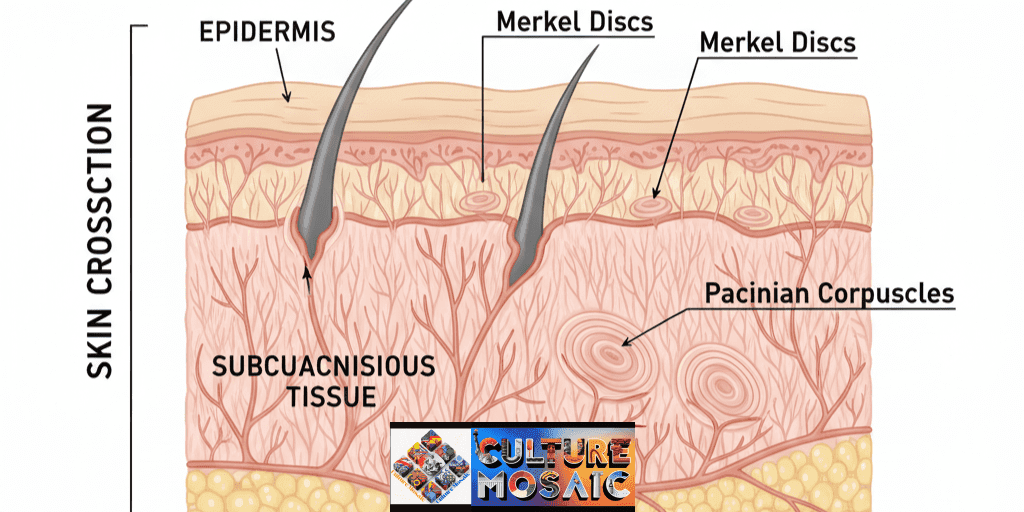
The haptic resonance of raw materials emerges from molecular irregularity. Unpolished limestone has micro-pores that vary in depth and spacing. Hand-loomed linen has warp and weft variations that no industrial loom can fully reproduce. Reclaimed timber carries growth rings, knot formations, and surface compressions from decades of load-bearing. Each of these features is a data point for your mechanoreceptors.
Specimen Comparison: Signal Depth Audit
| Material Specimen | Neurological Trigger | Resonance Effect |
|---|---|---|
| Unrefined Limestone | High thermal mass | Parasympathetic grounding via cooling effect |
| Hand-Loomed Linen | Structural irregularity | Micro-friction heightens spatial awareness in fingertips |
| Cast Iron | Weight-to-volume ratio | Subconscious recognition of permanence and tool-utility |
| Injection-Moulded Plastic | Thermal neutrality, zero grain | Sensory silence: mechanoreceptors receive minimal data |
| Tempered Glass | Frictionless, isothermal | Registers as absence; accelerates cognitive drift |
| Acoustic note | Stone vs. sealed drywall | Raw materials dampen high frequencies; synthetics reflect them, producing subliminal agitation |
The final row deserves attention. The haptic resonance of raw materials is not limited to touch. Stone and timber absorb sound differently from synthetic panels. A room lined with sealed drywall and polymer flooring creates a high-frequency acoustic environment that the nervous system reads as alert-state, even at low volumes. Raw materials dampen that signal. They make a room feel quieter without reducing decibel levels.
How the Somatosensory System Processes Raw Materials
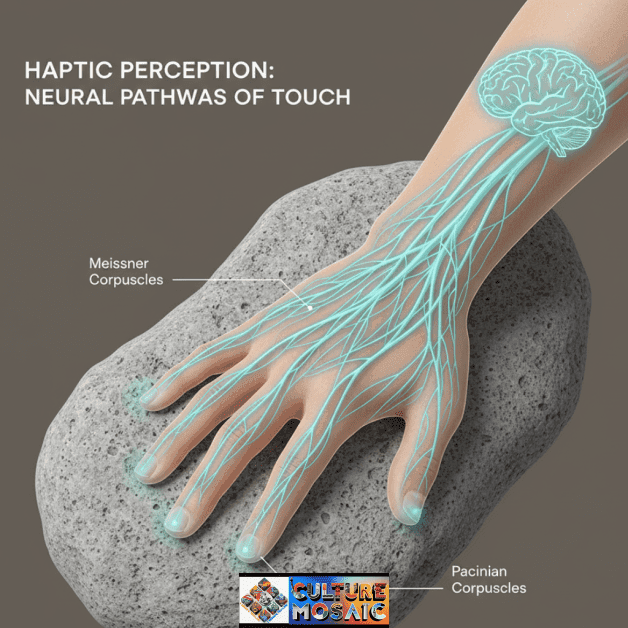
A Forensic Diagram of Skin-Level Reception
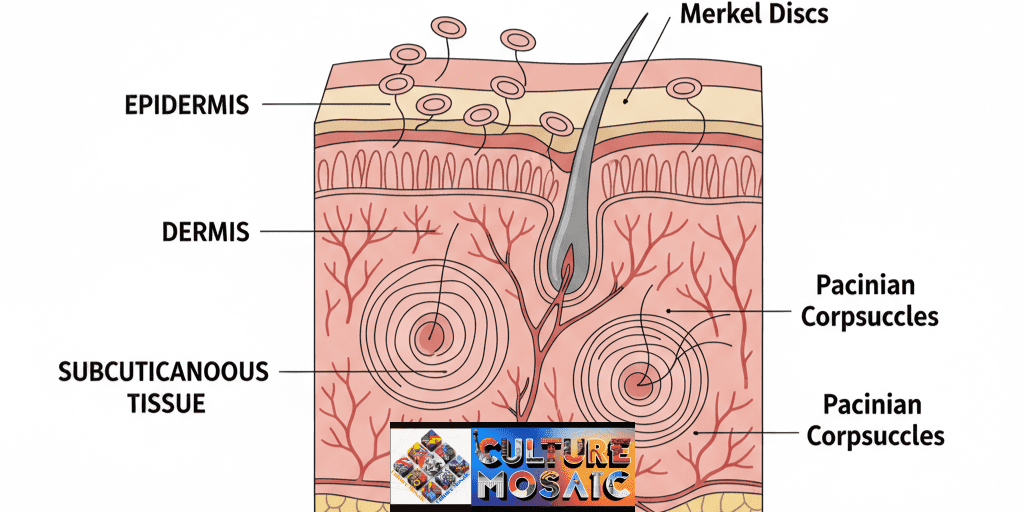
Your skin is not a single sensor. It is a layered array of specialized receptors, each tuned to a different frequency of physical information.
Merkel Discs sit in the outer dermis and specialize in fine spatial detail. They are what allow you to read embossed text by touch and to distinguish the grain of oak from the grain of ash. They fire slowly and sustain their signal, building a detailed map of a surface over time.
Meissner Corpuscles cluster in the fingertips and palms and respond to light touch, edges, and motion across a surface. They are the receptors most activated by the micro-friction of hand-loomed textiles or the edge of a hand-thrown ceramic rim.
Pacinian Corpuscles sit deeper in the tissue and detect vibration and deep pressure. When you grip a cast-iron pan or press your palm flat against a stone wall, these receptors are doing the primary work. They are also responsible for the satisfying feedback of a heavy wooden door closing solidly in its frame.
Ruffini Endings respond to skin stretch and sustained pressure. They are the receptors most involved in thermal grounding, the phenomenon where a cool stone surface draws warmth from the hand and signals physical reality to the amygdala.
When you touch a raw material with genuine signal depth, all four receptor types activate in overlapping sequence. This multi-channel response is qualitatively different from what a smooth polymer surface can produce. It is not simply more pleasant. It is neurologically richer, and that richness has measurable downstream effects on mood, cortisol, and sustained attention.
The Three Pillars of Haptic Resonance
Pillar One: Intentional Friction
Friction has been treated as a design problem for most of the last century. The ideal surface, in modernist manufacturing logic, was one that offered no resistance. The haptic resonance of raw materials depends on rejecting that logic entirely.
Intentional friction is the micro-resistance found in wood grain, stone pores, and woven fiber. It forces your brain to actively map a surface rather than passively skim it. This active mapping is what keeps attention anchored to the physical environment. It is why craftspeople report a particular quality of mental clarity when working with hand tools on raw timber. The material demands presence. It does not allow drift.
This principle has direct applications in workspace design. Replacing a plastic mousepad with a heavy leather or stone mat changes the haptic baseline of an entire workday. The hand returns to the same surface hundreds of times per hour. If that surface has signal depth, those returns become micro-moments of sensory grounding. If it is smooth polymer, they are haptic voids.
Material Audit: The Digital Workspace Consider replacing the following at primary contact points:
Plastic mousepad → vegetable-tanned leather or slate tile. Aluminum laptop stand → solid walnut or oiled oak. Metal desk lamp base → cast iron or unglazed ceramic. The principle is not aesthetics. It is sensory data density at the points your body touches most.
Pillar Two: Thermal Grounding
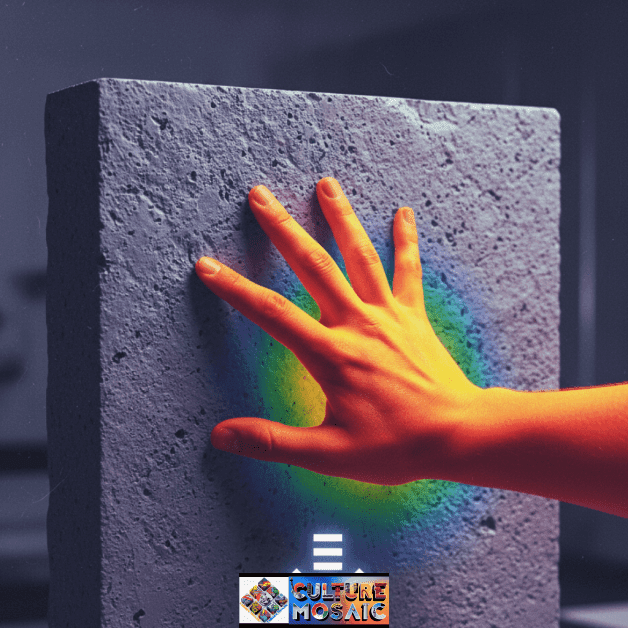
Materials differ dramatically in how they exchange heat with the human hand. This is not a secondary consideration. It is a primary haptic mechanic.
Stone, clay, and cast iron have high thermal conductivity. When your hand rests on a stone countertop, the material draws warmth from your skin at a rate your body registers clearly. This thermal draw is brief, usually under thirty seconds before equilibrium is reached, but the neurological effect is disproportionate to its duration. The amygdala reads the thermal exchange as confirmation of physical reality. The body is touching something that responds to it. This reduces threat-processing load and creates what physiologists call a parasympathetic lean, a measurable shift toward calm.
Wood sits in the middle of the thermal spectrum. It is warmer than stone but cooler than synthetic polymers, which tend toward thermal neutrality. That neutrality is, counterintuitively, the problem. A surface that neither takes nor gives heat registers to the nervous system as ambient nothing.
Pillar Three: The Mnemonic Trace
This is the most underappreciated property of the haptic resonance of raw materials, and arguably the most powerful.
Raw materials age in ways that record use. A stone step dips at its center from decades of footfall. A leather journal softens at the spine from repeated opening. A wooden spoon develops a particular wear pattern from years of stirring in one hand. Unlike plastic, which degrades through brittleness and discoloration, natural materials season. They develop a patina that is both visual and tactile, a physical record of the human contact they have absorbed.
Neuroscientists use the term embodied memory to describe the body’s capacity to recognize and respond to familiar physical patterns. When you pick up a tool or touch a surface with a mnemonic trace, your motor system and somatosensory cortex do not simply perceive the object. They recall every previous encounter with it. The weight feels right. The surface feels known. This recognition is not nostalgic sentiment. It is a neurological event, and it is one of the deepest forms of sensory grounding available to the human nervous system.
Specimen Note: Tatami vs. Hardwood
The Japanese tea ceremony offers one of the most forensically precise examples of the haptic resonance of raw materials in architectural application. Tatami flooring, woven rush grass over rice straw, compresses slightly under body weight, releases a faint vegetal scent when warmed by contact, and provides a thermal response distinct from both stone and hardwood. Participants in the tea ceremony sit directly on this surface. The floor is not background. It is a primary sensory participant.
Compare this to a sealed hardwood floor, which offers grain and thermal contrast but no compression, and then to a vinyl plank floor, which offers neither. The social vibration of a room, the ease with which people relax into conversation or ritual, is measurably different across these three surfaces. This is not cultural conditioning alone. It is the haptic resonance of raw materials doing its biological work at the level of the floor.
Applications: The Sensory Path Through a Room
Haptic Thresholds in Interior Architecture
The haptic resonance of raw materials in architectural design is most powerful at what I call haptic thresholds: the surfaces a person touches first when entering or transitioning through a space. The door handle. The handrail. The floor underfoot at the entry point. The first wall surface the hand brushes.
These contact points function as sensory calibrators. They set the nervous system’s baseline for the entire space. A cold metal door handle tells the body it is entering a controlled, institutional environment. A wooden handle, heavy and warm-grained, tells a different story. An unglazed ceramic wall tile at shoulder height in a corridor is a haptic invitation that a painted plasterboard wall cannot extend.
Architects working in high-stress environments, including hospitals, schools, and long-term care facilities, are now specifying raw or minimally finished materials specifically at these threshold points. The intervention is targeted and cost-effective. You do not need to reline every surface. You need to ensure that the haptic resonance of raw materials is present at the moments of entry, transition, and rest.
Textile and the Thermal Archive
In textile design, the haptic resonance of raw materials is both well understood and systematically undervalued by fast-production manufacturers. Hand-spun linen, raw wool, and unbleached cotton carry structural irregularities that activate Meissner corpuscles in a way that machine-processed fiber cannot replicate. The thread count metric, so dominant in marketing, measures density rather than resonance. A 1,000-thread-count Egyptian cotton sheet that has been treated with optical brighteners and silicone softeners may feel smooth and smell chemical-neutral. It is haptically impoverished compared to a rough, unbleached linen sheet that has been washed fifty times and developed its own mnemonic trace.
This is why heirloom textiles are not simply sentimental objects. They are neurologically superior sensory environments for sleep, rest, and physical recovery.
Product Design and the Weight Signal
The cast-iron skillet has become a cultural symbol, but its resurgence is not purely nostalgic. It is haptic. The weight-to-volume ratio of cast iron triggers Pacinian corpuscle responses associated with permanence and tool-utility. When a hand grips a heavy, well-seasoned skillet, the nervous system receives a dense packet of information: thermal mass, surface texture from years of polymerized oil, weight distribution that requires active muscular engagement. This is the opposite of lifting a lightweight non-stick pan over a smooth glass cooktop. One is a sensory conversation. The other is sensory silence.
The Restorative Hearth: Thermal Grounding in Practice
The fireplace, and more broadly the hearth, is the oldest haptic anchor in human architecture. The haptic resonance of raw materials converges most completely in the hearth environment: uncut stone surrounds, rough timber mantels, iron grates, clay firepots. The thermal grounding provided by hearthside materials is not metaphorical warmth. It is a literal parasympathetic event, measurable in heart rate variability and skin conductance.
Contemporary interpretations of the hearth, from the concrete fire table to the cast-iron wood stove, work to the extent that they preserve the material properties that make thermal grounding possible. They fail when they substitute sealed, smooth, thermostatically controlled surfaces for materials with genuine thermal mass and haptic depth.
Proximity Mechanics: Haptic Resonance in Shared Ritual
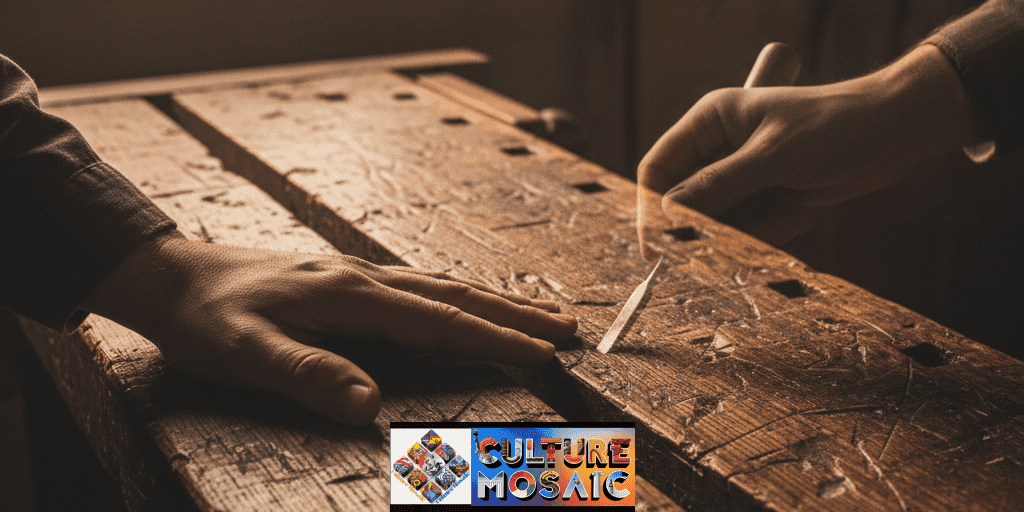
The haptic resonance of raw materials is not only an individual experience. It is a social one. Shared contact with high-resonance materials creates what I call procedural memory in groups: a collective embodied knowledge that draws people into synchronized physical presence.
Consider the shared table. A thick oak dining table with a lived surface, bearing the marks of previous meals, requires participants to physically engage with it. Glasses must be set down with awareness. Elbows find the grain. The material demands a quality of presence that a laminate table does not. This demand is not a burden. It is a social adhesive. The haptic resonance of raw materials at a shared surface creates the conditions for co-regulation, the physiological phenomenon where nervous systems in close proximity begin to align their rhythms.
The Architecture for Loneliness: Haptic Objects as Mental Health Tools
Occupational therapists have long worked with raw materials as therapeutic agents. Clay, sand, unfinished wood, and natural stone feature in sensory integration protocols for anxiety, trauma recovery, and attention disorders precisely because they provide consistent, rich, non-threatening sensory input that the synthetic environment cannot supply.
The haptic resonance of raw materials in this clinical context is not decorative. It is pharmacological in the broadest sense: a substance that reliably produces a measurable physiological response. Introducing a single stone bowl, a piece of raw timber, or a heavy ceramic vessel into an isolated living environment functions as a sensory anchor that reduces the nervous system’s threat load and creates a baseline of physical reality.
This is the clinical argument for what might otherwise be dismissed as an aesthetic preference. The haptic resonance of raw materials is not about taste. It is about neurological sustenance.
How to Apply Haptic Resonance: A Practical Audit
You do not need an architect or a substantial budget to begin applying these principles. You need a forensic eye for your existing contact points and a willingness to replace synthetic surfaces with raw ones at the places your body touches most.
Start with your primary workspace. Identify the six surfaces your hands touch most frequently during a working day. For most people this is a keyboard, a mouse or trackpad, a desk surface, a chair arm, a coffee vessel, and a phone. Of these six, how many have signal depth? How many offer thermal contrast, grain, or weight that engages your mechanoreceptors? If the answer is fewer than two, your haptic diet is clinically impoverished.
The intervention is sequential, not wholesale. Replace one surface at a time, beginning at the most frequent contact point. Introduce one high-mass object: a stone or cast-iron paperweight, a wooden desktop surface, an unglazed ceramic coffee vessel. Give each introduction three weeks before evaluating its effect on your baseline sensory state.
The haptic resonance of raw materials does not require drama. It requires attention, and then it takes care of the rest.
Frequently Asked Questions
1. What exactly is the haptic resonance of raw materials?
It is the rich, multi-channel sensory feedback your nervous system receives when touching natural, minimally processed materials. The term describes the interaction between your skin’s mechanoreceptors and the molecular irregularities, thermal properties, and structural variation inherent in materials like stone, timber, wool, and clay.
2. How is this different from simply preferring natural materials aesthetically?
The preference has a physiological basis that operates independently of conscious aesthetic judgment. Thermal grounding, multi-receptor activation, and embodied memory are measurable neurological events, not subjective impressions. People respond to raw materials even when they cannot see them, and even when they are unaware of what they are touching.
3. Can the haptic resonance of raw materials genuinely reduce anxiety?
Research in environmental psychology and occupational therapy supports this. Thermal grounding in particular has been shown to produce parasympathetic shifts, reduced cortisol, and improved heart rate variability. The mechanisms are consistent with what we know about somatosensory regulation of the autonomic nervous system.
4. Which raw materials deliver the strongest haptic resonance?
Materials with high thermal mass, structural irregularity, and aging capacity consistently score highest. Unpolished stone, hand-loomed natural fiber, cast iron, unfinished hardwood, and natural leather are among the most neurologically active. Their resonance increases as they develop a mnemonic trace through use.
5. Is this relevant to product and interior design commercially, or only therapeutically?
Both. Luxury product design has applied these principles intuitively for decades. The field is now developing the scientific language to specify and measure haptic quality in commercial applications, from packaging to workspace architecture to textile manufacturing. The haptic resonance of raw materials is becoming a formal design criterion rather than an incidental quality.
About the Author: This article was researched and written by a specialist in sensory analysis and material science with a focus on the physiological effects of built environments and tactile design. Their work sits at the intersection of neuroscience, craft heritage, and architectural psychology. For further reading and ongoing research notes, visit authorprofile.
 Dr. Julian Thorne