
 By Culture Expert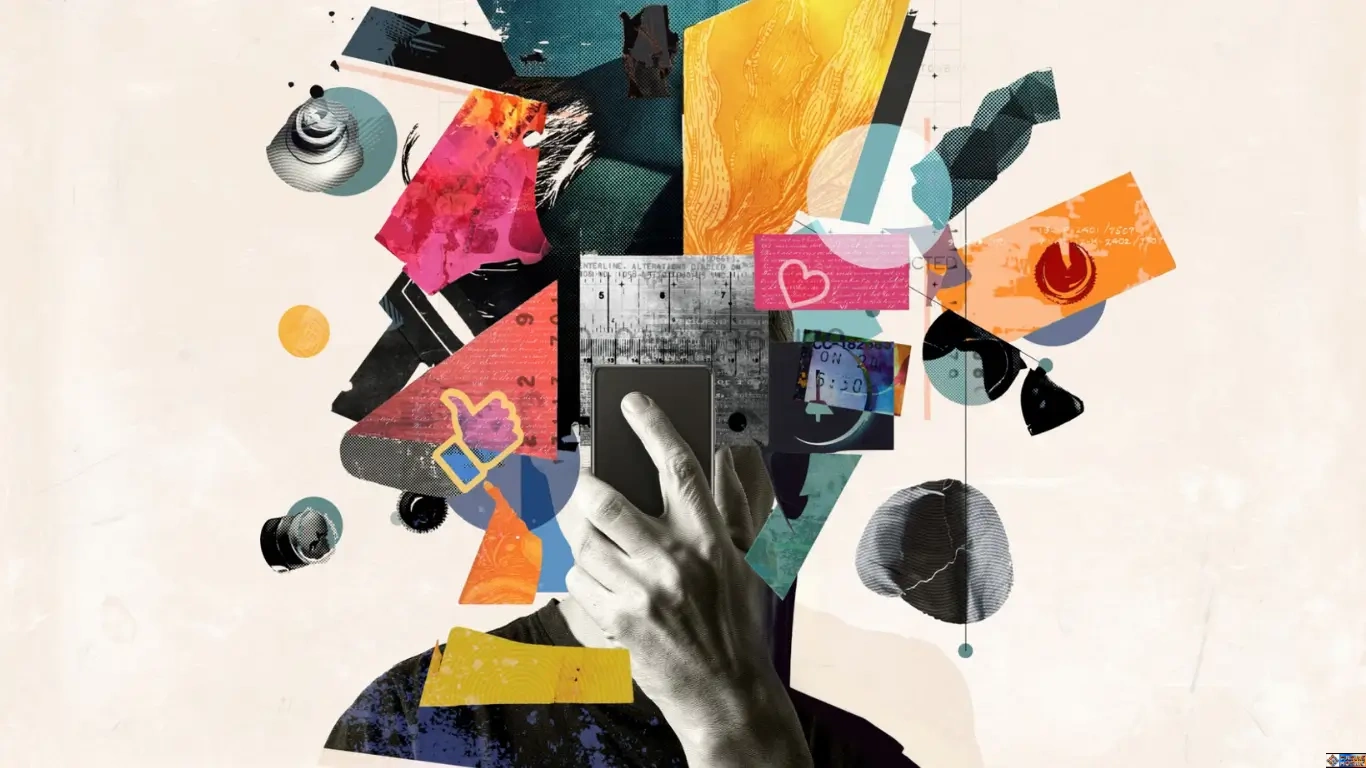
Modern culture is a dynamic, tech-mediated ecosystem where global connectivity meets a deep human desire for authenticity, self-expression, and meaningful community. Rather than a static set of regional rules, modern culture functions as a living, interconnected tapestry—continuously shaped by algorithmic media, shifting social norms, evolving fashion, and a tug-of-war between digital convenience and tactile human connection.
Quick Summary
- Definition & Scope: Modern culture is the hyper-connected, fluid network of values, behaviors, digital habits, and aesthetic movements defining how humanity communicates, works, and identifies today.
- The Core Paradox: While technology offers unprecedented speed and convenience, contemporary culture is increasingly driven by a desire to escape algorithmic fatigue and reclaim authentic human connection.
- Key Influencers: Digital-native spaces, sustainable fashion, inclusive social structures, and cross-cultural media exchange (from East Asian pop entertainment to traditional artisan revivals) form the bedrock of today’s popular culture.
- The Path Forward: Thriving in contemporary society requires balancing digital fluency with physical presence, conscious consumption, and intentional boundary-setting.
What Is Modern Culture? Deconstructing the Pain of the Digital Age
If you have ever caught yourself endlessly scrolling through hyper-polished feeds at midnight, feeling simultaneously hyper-connected to the global stage yet deeply isolated in your living room, you are experiencing the defining tension of modern culture.
We live in an era of constant sensory input. Algorithms predict what we want to buy, what we should watch, and even how we ought to feel. This perpetual acceleration creates a subtle, persistent exhaustion: a loss of personal anchor points, cultural flattening, and an overwhelming pressure to curate every dimension of our daily lives.
The Hyper-Connected Paradox
Understanding modern culture meaning requires recognizing that culture is no longer defined strictly by geography. Instead, we participate in a global Culture mosaic, where hyper-local traditions clash, merge, and evolve Alongside digital innovation. By examining these forces directly, we shift from being passive consumers of trends to intentional participants in shaping contemporary society.
13 Powerful Shifts Redefining Contemporary Life
1. The Rise of Digital Culture & Algorithmic Spaces
The smartphone has transformed from a communication tool into an external organ of human cognition. Digital platforms govern how we consume news, negotiate identity, and build social capital. However, as algorithmic curation narrows our visual and intellectual diet, a counter-movement is emerging: people actively seek “friction”—analog hobbies, print media, and unedited spaces that feel resistant to algorithmic control.
2. Sustainability, Circular Living, and Ethical Action
Green is no longer a niche preference; it is a cultural imperative. Society is steadily shifting away from disposable consumption toward circular economics. From repairing garments to investing in zero-waste home goods, conscious living addresses climate anxiety through tangible daily choices.
3. The Mental Health Revolution & Vulnerability
Conversations around emotional well-being have moved from quiet treatment rooms into mainstream discourse. Prioritizing psychological health, setting relational boundaries, and destigmatizing therapy are now central tenets of modern living, fostering a societal climate that values emotional honesty over stoic endurance.
4. Diversity, Inclusion, and Systemic Representation
Representation across media, corporate governance, and civic leadership is no longer treated as an optional add-on. Modern culture actively demands equal seats at the table for historically underrepresented voices across race, gender, sexuality, and physical capability, driving innovation through diverse perspectives.
5. The Gig Economy & Workplace Autonomy
The traditional lifetime-career arc has yielded to freelancing, side hustles, and remote arrangements. While this shift offers flexibility, it forces individuals to navigate economic volatility, self-funded benefits, and the challenge of establishing security outside institutional walls.
Traditional Path
Modern Gig Culture
6. Streaming, Micro-Content, and Democratized Media
The traditional entertainment gatekeepers have lost their monopoly. On-demand streaming and creator-led platforms mean anyone with a smartphone can broadcast to a global audience. This democratizes storytelling, but it also creates media fragmentation where universal cultural touchstones become rare.
7. Social Activism in the Digital Era
Digital channels allow grassroots movements to organize globally in seconds. Modern activism mobilizes millions for climate action, racial justice, and human rights. The ongoing task within this ecosystem is translating digital awareness into lasting institutional reform.
8. Minimalism, Curated Simplicity, and Slow Living
In response to consumer overload, minimalism offers an intentional antidote. Influenced by interior design movements, capsule wardrobes, and slow living principles, people are choosing quality over quantity to cultivate mental clarity and reclaim physical space.
9. The Reinvention of Education & Continuous Learning
Learning is no longer confined to a single degree earned in early adulthood. Gamified platforms, open-access courses, and micro-credentialing enable lifelong skill acquisition, allowing individuals to adapt dynamically to shifting job markets.
10. Holistic Living & Radical Wellness
Modern wellness expands beyond physical exercise into integrated health. Combining ancient traditions—such as herbal medicine and meditation—with biometric tracking, holistic living emphasizes preventative care and mind-body harmony.
11. Blurred Boundaries Between Work and Life
Remote technology brought the office into the home. Without physical boundaries, avoiding burnout requires establishing intentional rituals: deliberate digital detoxes, dedicated workspaces, and strict non-working hours to protect personal life.
12. AI Integration & Human-Centric Values
Generative AI and automation are redefining creative industries, logistics, and daily task management. As machines handle routine production, human culture places a premium on qualities technology cannot replicate: empathy, lived experience, bodily performance, and organic art.
13. The Evolution of Tradition & Cultural Heritage
Traditions are not disappearing; they are adapting. Young generations are re-engaging with ancestral practices on their own terms. This evolution is particularly visible in modern culture clothing, where streetwear blends seamlessly with heritage textiles, or where artists explore historical symbols—such as analyzing the deep history behind Red Symbolism in Native American Culture—to express identity in modern contexts.
What Is Today’s Popular Culture?
When asking what is today’s popular culture?, the answer no longer lies in a single music chart or television show. Contemporary pop culture is a decentralized network of global influences:
Decentralized Popular Culture
- East Asian Media Dominance: K-pop, anime, and South Korean cinema have redefined global entertainment standards.
- Latin and African Rhythms: Reggaeton and Afrobeats dominate international charts, proving that language barriers no longer limit global radio appeal.
- Interactive Storytelling: Video games and virtual worlds generate greater economic and cultural engagement than traditional Hollywood releases.
- Niche Subcultures: Internet communities turn micro-trends (from vintage aesthetic revivals to niche literature clubs) into mainstream fashion and media phenomena overnight.
To explore how these movements shape broader societal paradigms, explore current analytical reviews on global Modern Culture shifts.
Frequently Asked Questions
1. What is modern culture?
Modern culture is the collective system of values, technologies, artistic expressions, and lifestyle habits that characterize contemporary society. It is defined by rapid global communication, digital media integration, evolving social standards, and a fluid blending of traditional heritage with modern innovation.
2. What are some prominent modern culture examples today?
Key modern culture examples include the widespread adoption of remote work, zero-waste lifestyle practices, streaming-first entertainment, capsule fashion wardrobes, daily wellness tracking, and social activism coordinated across digital platforms.
3. How does modern culture clothing reflect societal values?
Modern culture clothing prioritizes versatility, individual expression, and sustainability. It often blends high-performance athleisure with upcycled vintage pieces and traditional heritage patterns, reflecting a broader cultural shift toward comfort, environmental consciousness, and personal identity over rigid dress codes.
4. What are the top 10 cultures influencing global trends today?
While cultural impact is interconnected, ten of the most influential cultural forces shaping global lifestyle, fashion, media, and design today include:
- American Pop Culture: Cinema, digital platforms, and tech innovation.
- South Korean Culture: Music (K-pop), film, skincare, and fashion.
- Japanese Culture: Anime, gaming, minimalist design, and culinary arts.
- Nordic/Scandinavian Culture: Interior design, sustainability models, and slow living.
- Nigerian Culture: Afrobeats music, cinema (Nollywood), and fashion.
- Mexican Culture: Culinary arts, visual art revivals, and vibrant aesthetics.
- French Culture: Haute couture, philosophical cinema, and culinary standards.
- British Culture: Streetwear, indie music, and dramatic arts.
- Indian Culture: Digital tech innovation, cinema (Bollywood), and textile heritage.
- Brazilian Culture: Music, dance, athletic culture, and eco-activism.
5. How can individuals maintain personal balance within modern culture?
Maintaining balance requires intentional habits: establishing clear digital boundaries, prioritizing physical community interactions, making conscious purchasing decisions, and spending time away from screens to process information without algorithmic influence.
Credible References & Historical Archives
- UNESCO Cultural Heritage Center: Preserving Heritage in a Globalized World — Documenting the intersection of regional traditions and global cultural evolution.
- Smithsonian Institution: Cultural Anthropology and Contemporary Society — Primary archives and analyses of material culture, craft, and societal shifts.
- Pew Research Center: Internet, Technology, and Life Trends Report — Data-driven studies examining how digital environments alter human connection and social behavior.
- The Met Museum Archives: Timeline of Art History and Material Culture — Historical comparisons tracking the evolution of textiles, visual art, and human symbolic expression across eras.