
 By Culture Expert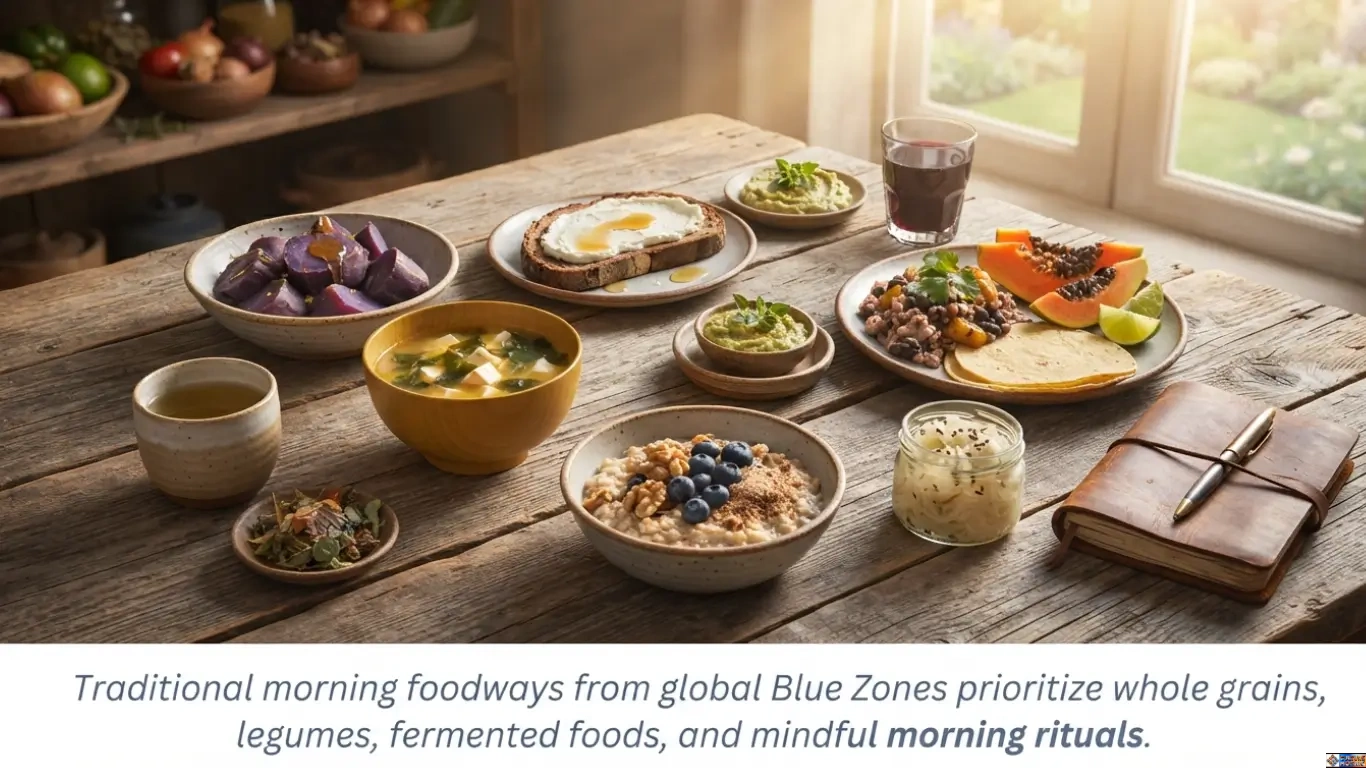
Quick Summary: A true Centenarian Breakfast Routine is not a trendy, hyper-calibrated diet or biohacking trick; it is an ancestral morning ritual rooted in whole, minimally processed, plant-slanted foods tied directly to regional foodways and community circadian rhythms. Across global Blue Zones—from the volcanic soils of Okinawa to the mountain villages of Sardinia and the coastal valleys of the Nicoya Peninsula—centenarians break their overnight fast with simple, nutrient-dense staples like legumes, nixtamalized grains, fermented soups, and wild herbal infusions. These morning meals provide sustained metabolic energy, calm systemic inflammation, and reinforce communal ties that support lifelong vitality.
Every morning, millions of people stumble into lit kitchens and make a quiet choice about how to start their day. In modern Western cities, that choice often comes wrapped in plastic: a sugary pastry wolfed down during a bumper-to-bumper commute, a hyper-processed “protein bar,” or a double shot of espresso dumped into an empty, anxious stomach. Elsewhere, wellness culture pushes the opposite extreme—complex, rigid biohacking routines, extreme fasting protocols, and costly synthetic powders that leave us feeling constantly hyper-vigilant about our health.
We feel the toll of this disconnect every single day. We wrestle with mid-morning brain fog, erratic energy spikes, chronic gut inflammation, and a lingering sense that our modern relationship with food is deeply broken. We want vitality, sharp cognition, and longevity, yet our morning habits constantly push our biology in the opposite direction.
The solution to this modern predicament isn’t locked in a high-tech laboratory. It has been refined over centuries by long-lived populations across the globe. By examining the authentic Centenarian Breakfast Routine through the dual lens of gerontology and cultural anthropology, we uncover a timeless, joyful way of eating that nourishes both body and spirit.
The Blue Zone Morning Landscape: A Global Comparison
Across the world’s primary Blue Zones—demographic hotspots where people naturally live to age 100 at extraordinary rates—the morning meal is treated not as a rushed chore, but as a foundational pillar of daily life. Rather than relying on ultra-processed breakfast meats or refined sugars, these communities fuel their mornings with time-tested Regenerative Heritage Recipes that honor local ecology and agricultural traditions.
Blue Zone Morning Foodways
OKINAWA, JAPAN
- Miso Soup with Tofu & Seaweed
- Steamed Purple Sweet Potatoes
- Jasmine / Sanpin Herbal Tea
NICOYA PENINSULA, COSTA RICA
- Gallo Pinto (Black Beans & Rice)
- Nixtamalized Corn Tortillas
- Fresh Papaya & Weak Coffee
SARDINIA, ITALY
- Sourdough Barley Bread
- Goat & Sheep Milk Yogurt / Cheese
- Wild Honey & Drizzle of Olive Oil
In the mountain villages of Sardinia, elder shepherds wake to a simple spread of sourdough barley bread (pane carasau), a small wedge of raw sheep’s milk pecorino, and herbal tea sweetened with wild honey. In the Nicoya Peninsula of Costa Rica, centenarians fuel their morning wood-chopping and gardening with Gallo Pinto—a savory combination of black beans and rice cooked with cilantro and onions, folded into handmade nixtamalized corn tortillas.
Across these diverse geography-specific diets, the underlying pattern remains remarkably consistent: complex carbohydrates paired with plant proteins, ancestral fermented elements, and healthy fats that stabilize blood sugar for hours.
| Blue Zone Region | Staple Morning Dish | Dominant Nutrient Profile | Ancestral Food Preparation Technique |
|---|---|---|---|
| Okinawa, Japan | Miso soup with tofu, sea vegetables, and sweet potato (Imo) | Complex carbs, phytonutrients, soy isoflavones | Salt-glaze soybean fermentation & gentle steaming |
| Sardinia, Italy | Barley sourdough bread with goat/sheep yogurt & olive oil | Slow-release glucans, probiotics, monounsaturated fats | Long-fermentation lacto-sourdough baking |
| Nicoya, Costa Rica | Gallo Pinto (black beans & rice) with corn tortillas | Fiber, resistant starch, complete plant amino acids | Nixtamalization of maize with alkaline wood ash/lime |
| Ikaria, Greece | Sourdough bread, wild mountain tea (Sideritis), olive oil | Polyphenols, antioxidants, healthy lipids | Foraged wild herb decoction & cold-pressed oil extraction |
| Loma Linda, USA | Slow-cooked steel-cut oats with walnuts, flax, and soy milk | Soluble fiber, alpha-linolenic acid (Omega-3), plant protein | Soaking and low-heat simmering of whole grains |
What do centenarians have for breakfast? The 8 Core Staples
While morning menus adapt to regional agriculture, analyzing global food patterns reveals 8 foods centenarians eat for breakfast with remarkable regularity. Incorporating these simple elements creates an easy centenarian breakfast routine that anyone can replicate at home.
1. Legumes & Beans
Black beans, chickpeas, lentil stews, soybeans
2. Whole & Sourdough
Barley, steel-cut oats, corn tortillas
3. Herbal Infusions
Sideritis, rosemary, jasmine, green teas
4. Fermented Foods
Miso, pickled greens, sheep’s milk yogurt
5. Native Tubers
Okinawan sweet potato, cassava, yam, squash
6. Healthy Plant Fats
Extra virgin olive oil, walnuts, sesame seeds
7. Native Fruits
Papaya, berries, figs, local seasonal citrus
8. Wild Greens & Herbs
Bitter melon, spinach, wild fennel, cilantro
- Legumes and Beans: Black beans in Central America, chickpeas in the Mediterranean, and soybeans in East Asia provide steady plant protein and high fiber that nourish beneficial gut bacteria.
- Whole & Ancient Grains: Whole-kernel grains like barley, steel-cut oats, and traditional corn tortillas release glucose slowly into the bloodstream, preventing glycemic spikes.
- Ancestral Fermented Foods: Fermentation plays a massive role in gut microbiome diversity. Incorporating miso, fermented vegetables, or cultured dairy reflects centuries of wisdom in Ancestral Fermentation Rituals that enhance nutrient bioavailability.
- Herbal Infusions: Centenarians frequently swap heavy caffeine for polyphenol-rich herbal brews—such as Okinawan jasmine tea, Ikarian wild rosemary infusions, or green tea loaded with epigallocatechin gallate (EGCG).
- Native Tubers: Complex carbohydrates like the Okinawan purple sweet potato (beni imo) offer extraordinary concentrations of anthocyanin antioxidants.
- Healthy Plant Lipids: Cold-pressed extra virgin olive oil, crushed walnuts, and sesame seeds supply the essential fatty acids needed for cellular membrane health and cognitive longevity.
- Seasonal Native Fruits: Instead of processed fruit juices stripped of fiber, centenarians eat whole fruits—like fresh papayas, figs, or wild berries—in their natural, fiber-rich state.
- Bitter Greens and Culinary Herbs: Incorporating wild mountain herbs, cilantro, or bitter melon (goya) introduces phytonutrients that support liver function and lower oxidative stress.
What did our grandparents eat for breakfast? What Centenarians Almost Never Eat
To understand the best centenarian breakfast routine, we must look closely at what these populations exclude. The modern supermarket aisle is filled with convenient morning products that run completely counter to longevity principles.
Here are 6 foods centenarians almost never eat as part of their morning tradition:
- Ultra-Processed Breakfast Meats: Commercial bacon, industrial sausages, and processed ham packed with synthetic nitrates and sodium.
- Refined Sugary Cereals: Boxed, extruded grain flours loaded with added sugars and artificial food dyes.
- Processed Fruit Juices: Concentrated fruit liquids stripped of dietary fiber that cause rapid insulin spikes.
- Commercial Sweet Pastries: Industrial donuts, Danishes, and muffins made with bleached flour, trans fats, and high-fructose corn syrup.
- Artificial Sweeteners and Flavored Creams: Chemical sugar substitutes and synthetic non-dairy creamers that disrupt the gut microbiome.
- Refined White Bread: Highly processed white flour loaves lacking bran, germ, micro-minerals, and natural enzymes.
When we ask what did our grandparents eat for breakfast, historical foodway research shows that prior to the industrialization of food, our ancestors relied heavily on localized culinary methods—including Ancestral Fermentation Techniques and slow cooking—to transform basic grains and farm vegetables into deeply nourishing meals.
Circadian Rhythm & The Wisdom of Ancestral Eating
The famous nutritional proverb, “Eat breakfast like a king, lunch like a prince, and dinner like a pauper”—originally popularized by mid-20th-century nutritionist Adelle Davis—mirrors modern gerontological findings on human circadian biology. Our insulin sensitivity, digestive enzyme output, and metabolic rate peak during the early daylight hours.
Heavy / Nutrient-Dense Meal
Moderate Meal
Light / Early Meal
Biological Benefit: Aligns with digestive enzyme peak, optimal gut motility, and gentle morning movement (light farm work, gardening, walking).
Centenarians naturally align their eating with these solar cycles. In regions like Nicoya and Okinawa, the morning meal is substantial enough to fuel several hours of physical activity—such as gardening, walking, or farm chores. However, “eating like a king” in a Blue Zone context does not mean consuming massive calories or heavy meats; it means prioritizing the nutrient density of the morning meal.
Modern Wellness Trends vs. Ancestral Habits
In recent years, modern fitness culture has popularized routines like the 30-30-30 rule for breakfast (consuming 30 grams of protein within 30 minutes of waking, followed by 30 minutes of low-intensity cardiovascular exercise). While this protocol effectively manages blood sugar and supports muscle synthesis in modern sedentary populations, centenarians achieve metabolic health through a much more natural, integrated lifestyle:
- Protein Source: Centenarians obtain high-quality protein through slow-digesting plant foods (beans, tofu, whole grains) and cultured dairy rather than commercial whey isolation powders.
- Movement Timing: Rather than forcing 30 minutes of structured gym cardio immediately after eating, centenarians engage in low-intensity functional movement—walking to town, tending gardens, or preparing food by hand—throughout the morning.
Culinary Heritage & Somatic Food Memory
Food is far more than a simple delivery system for fuel; it is a vital expression of culture and sensory heritage. When we prepare meals using traditional culinary practices, we engage in what food anthropologists call Somatic Food Memory—the visceral physical and emotional connection to the ancestral dishes of our heritage.
Understanding how communities preserve these foodways allows us to see breakfast as an active cultural ritual. Whether exploring the rich morning rice-and-stew balances of Filipino Cuisine, the fermented accompaniments found in Authentic Filipino Food, or the corn-and-bean traditions across Hispanic Cultural Foods, breakfast serves as a daily anchor connecting generations.
Traditional Preparation
- Soaking, grinding, slow simmering
- Engaging olfactory & tactile senses
Cultural & Family Ritual
- Shared communal seating
- Intergenerational storytelling
Physiological Benefit
- Lower cortisol, enhanced digestion
- Reduced systemic stress markers
These global traditions remind us that preparing food intentionally—utilizing techniques like Ancestral Umami Techniques and traditional Dining Rituals—transforms morning eating from a rushed physiological necessity into a restorative daily practice.
3 Authentic Blue Zone Breakfast Recipes
Bringing a healthy centenarian breakfast routine into your own home doesn’t require complex ingredients or hours of work. These three regional recipes showcase how accessible and flavorful longevity eating can be.
1. Okinawan Longevity Miso & Sweet Potato Bowl
This warm, gut-soothing bowl utilizes lacto-fermented miso paste paired with antioxidant-rich purple sweet potato.
- Prep time: 10 mins | Cook time: 15 mins | Servings: 2
Ingredients:
- 1 medium Okinawan purple sweet potato (or standard orange sweet potato), cubed and steamed
- 3 cups organic vegetable broth or dashi
- 2 tbsp traditional yellow or red miso paste
- 1/2 cup organic non-GMO firm tofu, cubed
- 1 cup fresh baby spinach or wakame seaweed
- 1 green onion, thinly sliced
- 1 tsp toasted sesame oil
Instructions:
- In a medium saucepan, bring the vegetable broth to a gentle simmer. Add the cubed sweet potato and tofu; simmer for 5 minutes.
- Turn off the heat entirely (boiling destroys beneficial probiotics in miso).
- In a small bowl, ladle out 1/4 cup of warm broth and whisk with the miso paste until smooth. Pour the mixture back into the pot.
- Stir in the baby spinach and green onions until gently wilted. Drizzle with sesame oil and serve warm.
2. Nicoyan Black Bean & Corn Tortilla Breakfast (Gallo Pinto)
A classic Central American morning staple packed with complete plant proteins, resistant starch, and complex carbohydrates.
- Prep time: 5 mins | Cook time: 10 mins | Servings: 2
Ingredients:
- 1.5 cups cooked long-grain brown rice (preferably day-old)
- 1 cup cooked black beans (with 2 tbsp of their cooking liquid)
- 1/2 yellow onion, finely diced
- 1/2 red bell pepper, finely diced
- 1 clove garlic, minced
- 2 tbsp fresh cilantro, chopped
- 2 stone-ground nixtamalized corn tortillas
- 1/2 fresh avocado, sliced
Instructions:
- Heat 1 tbsp of water or olive oil in a skillet over medium heat. Sauté the onion, bell pepper, and garlic until translucent (about 4 minutes).
- Add the black beans with their liquid and cooked brown rice to the skillet.
- Stir gently for 5–6 minutes until the rice absorbs the bean flavors and turns a deep mahogany color. Mix in the fresh cilantro.
- Warm the corn tortillas on a dry skillet until pliable. Serve the Gallo Pinto alongside the warm tortillas and sliced avocado.
3. Ikarian Wild Herb & Sourdough Breakfast
A traditional Aegean morning plate rich in polyphenols, healthy fats, and slow-fermented grains.
- Prep time: 5 mins | Cook time: 5 mins | Servings: 1
Ingredients:
- 1 thick slice of authentic, long-fermented sourdough barley or rye bread
- 1 tbsp cold-pressed extra virgin olive oil
- 1/2 ripe tomato, grated or crushed
- 1 tbsp raw goat’s milk or sheep’s milk feta cheese, crumbled
- 1 tsp dried wild oregano or thyme
- 1 cup brewed wild herbal tea (such as chamomile, rosemary, or mountain tea)
Instructions:
- Lightly toast the sourdough bread until firm.
- Spoon the crushed fresh tomato evenly over the warm toast.
- Drizzle generously with high-polyphenol extra virgin olive oil and sprinkle with crumbled feta cheese and wild oregano.
- Enjoy slowly alongside a hot cup of brewed wild herbal tea.
Building Your Own Daily Longevity Routine
Adopting a best centenarian breakfast routine is less about strict enforcement and more about cultivating a peaceful, intentional start to your day. You can build a sustainable morning rhythm using this simple, phased approach:
Begin every morning with a large glass of warm water or herbal tea before introducing food or caffeine.
Replace ultra-processed cereals or white toast with slow-digesting options: steel-cut oats, beans, or authentic sourdough bread.
Incorporate gut-supporting ingredients: a spoonful of miso, unsweetened cultured yogurt, or a side of fermented vegetables.
Sit down without digital distractions. Eat slowly and savor your food, stopping when you feel 80% full.
Frequently Asked Questions
What do centenarians typically eat for breakfast?
Centenarians typically eat simple, whole-food meals tailored to their local agricultural surroundings. Common breakfast dishes include bean stews with corn tortillas (Costa Rica), miso soup with sweet potatoes and tofu (Okinawa), sourdough barley bread with sheep’s milk cheese and olive oil (Sardinia), or steel-cut oatmeal topped with nuts and seeds (Loma Linda).
How does a centenarian breakfast routine differ from modern Western breakfasts?
Modern Western breakfasts are often heavily processed, high in refined sugars, and consumed in a rush (e.g., sugary cereals, pastries, or processed breakfast meats). In contrast, centenarian breakfasts emphasize complex plant carbohydrates, dietary fiber, healthy fats, fermented foods, and calm, mindful eating habits.
What are 6 foods centenarians almost never eat for breakfast?
Centenarians generally avoid ultra-processed breakfast meats (like commercial bacon and sausage), sugary boxed cereals, processed fruit juices stripped of fiber, commercial sweet pastries, artificial sweeteners/flavored coffee creamers, and highly refined white bread.
What is the origin of “Eat breakfast like a king, lunch like a prince, and dinner like a pauper”?
This classic nutritional proverb was popularized by American nutritionist Adelle Davis in the mid-20th century. It aligns closely with human circadian biology, which exhibits higher metabolic efficiency and insulin sensitivity in the morning compared to late evening.
How does the 30-30-30 rule compare to traditional Blue Zone morning habits?
The 30-30-30 rule focuses on consuming 30 grams of protein within 30 minutes of waking, followed by 30 minutes of low-intensity cardio. While effective for modern blood sugar management, centenarians achieve optimal health through plant-based whole foods and natural daily movement—like walking, gardening, and manual domestic tasks—rather than strict timed protocols.
References & Academic Sources
- Buettner, D. (2012). The Blue Zones: Lessons for Living Longer From the People Who’ve Lived the Longest. National Geographic Books.
- Poulain, M., et al. (2004). “Identification of a geographic area characterized by extreme longevity in the Sardinia island: the AKEA study.” Experimental Gerontology, 39(9), 1423-1429.
- Willcox, D. C., et al. (2009). “The Okinawan Diet: Health Implications of a Low-Calorie, Nutrient-Dense, Antioxidant-Rich Dietary Pattern.” Journal of the American College of Nutrition, 28(sup4), 500S-516S.
- Ros, E. (2010). “Health Benefits of Nut Consumption.” Nutrients, 2(7), 652-681.
- National Institute on Aging (NIA). “Caloric Restriction and Longevity Research in Global Populations.” U.S. Department of Health and Human Services.