
 By Culture Expert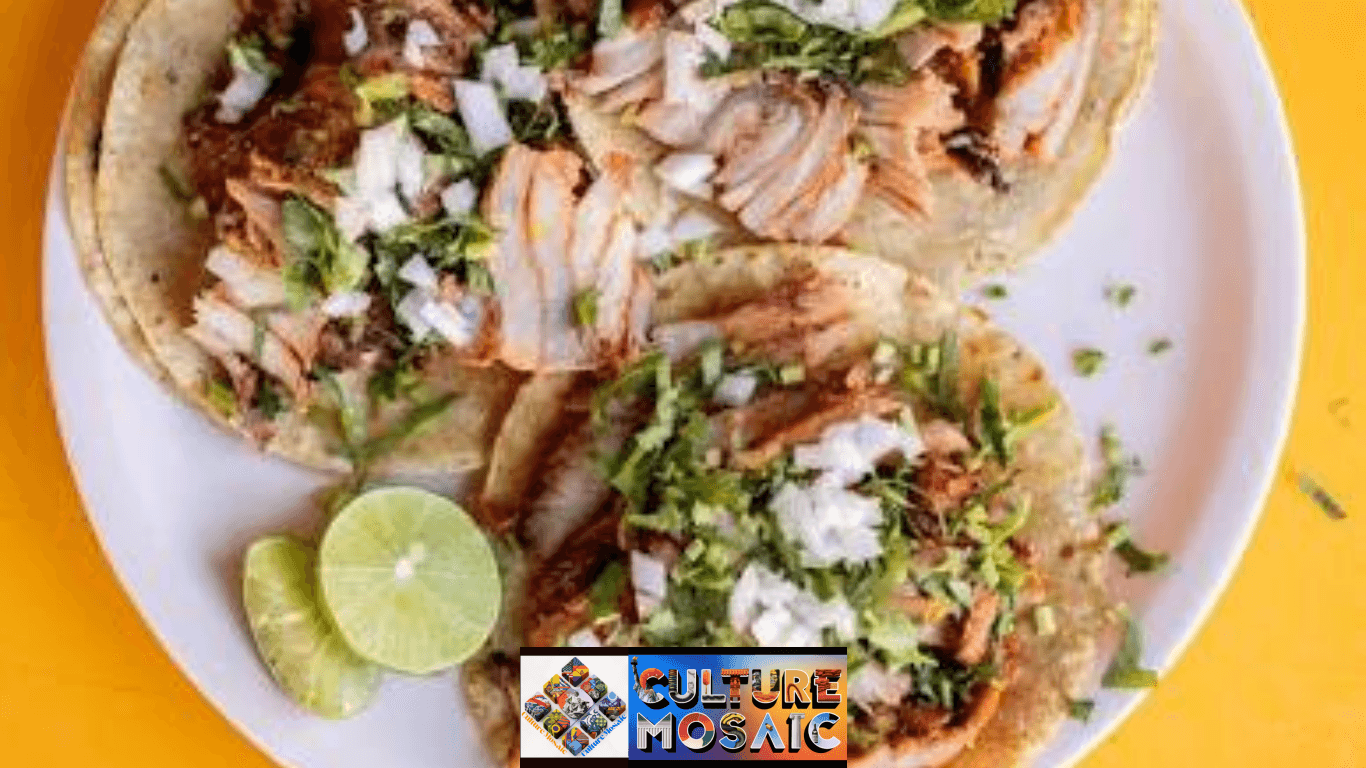
| About the Author: Dr. Elena Caruso Dr. Elena Caruso is a culinary historian and cultural anthropologist who has spent more than a decade tracing how food carries identity across Latin America and the Mediterranean. She has eaten her way through fifteen Mexican states, market stall by market stall, and writes about food the way she experiences it: with her hands, her nose, and a healthy respect for a good hot sauce. She writes regularly for Culture Mosaic. Author profile |
What Are 20 Mexican Foods? I’ve stood at a lot of counters in my life. Taco counters at 2 a.m. in Mexico City, where the meat hisses on a trompo and the salsa verde burns just enough to make you order another. Market stalls in Oaxaca where a woman ladles mole negro from a clay pot she’s had for thirty years and won’t tell you exactly what’s in it. That’s where this list comes from. Not a spreadsheet. Not a stock photo library. A decade of actual meals.
The Problem: “Mexican Food” in Most Countries Isn’t Mexican Food
Here’s the thing nobody tells you. If your idea of Mexican food is a hard yellow taco shell stuffed with ground beef and shredded cheddar, I have some news, and it’s a little uncomfortable: that dish barely exists in Mexico. It was built for a different country’s palate, decades ago, and it stuck.
I get emails constantly from readers who feel embarrassed. They ask what are 20 Mexican foods they should actually know before a trip to Puebla or a dinner party they’re hosting, because they suspect — correctly — that their mental list is mostly fiction. That’s not a knock on anyone. It’s just what happens when a cuisine gets flattened into a fast-food menu for fifty years.
Why This Actually Matters to Me
I’ve watched people stand frozen in front of a menu in Mérida, overwhelmed, ordering the one word they recognize — “quesadilla” — while a life-changing bowl of sopa de lima sits three lines down, unread. That’s a missed trip. Food is how you meet a place. Order wrong, and you leave with a passport stamp and no memory worth keeping.
So here’s my answer to the question people actually type into Google: what are 20 Mexican foods worth knowing, eating, and maybe even attempting yourself at home? I’ve built this list from the dishes I’ve eaten most often, loved most fiercely, and would order again without hesitation. For a broader survey of dishes across the country, What are 20 Mexican foods? is a solid companion read if you want even more regional depth after this one.
A Quick Word on Traditional Mexican Food History
You can’t talk about any of this without going back further than most articles bother to. Traditional Mexican food history starts thousands of years before Spanish ships ever reached the coast. Corn, beans, squash, chili peppers, tomatoes, cacao, vanilla, and turkey were already staples of Mesoamerican diets grown by the Maya, the Mixtec, and the Aztec.
The Spanish arrived in the 1500s and brought pork, beef, dairy, wheat, rice, and garlic into the mix. What resulted wasn’t a replacement — it was a merger. Mexican cuisine is one of the clearest culinary fusions on earth, which UNESCO recognized in 2010 when it added traditional Mexican cuisine to its Representative List of the Intangible Cultural Heritage of Humanity, specifically citing the Michoacán model as an example of a living, community-based food culture.
That history matters because it explains why a single Mexican meal can taste both ancient and colonial at the same time — a corn tortilla holding a filling built from a pig that arrived on a Spanish boat five centuries ago. I find that detail genuinely moving. Food doesn’t lie about history. It just quietly carries it forward on a plate.
So, What Is the Most Popular Food in Mexico?
People ask me this constantly, and the honest answer surprises them: it isn’t the taco, at least not officially. Ask a Mexican family what they eat weekly, and you’ll hear “tacos,” sure, but you’ll also hear tamales, tortas, pozole, and mole with a frequency that outsiders underestimate. If I had to pick one dish that best answers what is the most popular food in Mexico by sheer daily presence on tables across the country, I’d say it’s the taco — not because it’s the fanciest, but because it’s endlessly adaptable. A taco can be a $1 street snack or the centerpiece of a wedding banquet. That range is the whole point.
My List of 20 Traditional Mexican Foods (An A-to-Z Sort of Journey)
This is my Mexican food list, A to Z in spirit if not in strict alphabetical order — because I’d rather group dishes the way you’d actually encounter them on a trip than force them into a dictionary.
1. Tacos al pastor — Marinated pork, shaved off a spinning trompo, with pineapple, onion, and cilantro. Mexico City’s late-night signature, brought over by Lebanese immigrants a century ago and completely reinvented with local chiles.
2. Mole poblano — A dense, dark sauce from Puebla built from dried chiles, chocolate, spices, and sometimes over twenty ingredients, simmered for hours. Usually poured over turkey or chicken. It tastes like nothing else on earth, and I mean that literally.
3. Pozole — A hominy soup, red or green or white depending on the region, topped with shredded pork, cabbage, radish, and lime. Traditionally eaten on Mexican Independence Day, though honestly, I’d eat it any freezing night.
4. Tamales — Masa dough steamed in a corn husk or banana leaf, stuffed with meat, cheese, or chiles. Ancient, portable, and the food I most associate with grandmothers who won’t share the recipe.
5. Chiles en nogada — Poblano peppers stuffed with a sweet-savory meat mixture, draped in a walnut cream sauce, and topped with pomegranate seeds. The colors match the Mexican flag, which is exactly why it’s served every September.
6. Cochinita pibil — Slow-roasted pork from the Yucatán, marinated in achiote and sour orange, wrapped in banana leaves and cooked until it falls apart. One of the most memorable meals I’ve had in this entire country.
7. Chiles rellenos — Roasted poblano chiles stuffed with cheese, battered, fried, and usually bathed in a light tomato sauce. Deceptively simple, easy to ruin, glorious when done right.
8. Enchiladas — Corn tortillas rolled around a filling, covered in chile sauce, and baked or fried briefly. There are more regional variations of this dish than I can count on both hands.
9. Tostadas — A fried, flat tortilla piled with beans, meat, lettuce, cream, and cheese. The unsung hero of Mexican street food; nobody gives tostadas enough credit.
10. Barbacoa — Meat, traditionally lamb or goat, slow-cooked underground or in a covered pit until it shreds itself apart. Weekend-only in a lot of towns, and worth planning your Sunday around.
11. Sopa de lima — A citrusy chicken soup from the Yucatán, made fragrant with lime and dried chile. Light, bright, and criminally underrated outside the region.
12. Guacamole — Mashed avocado with lime, onion, cilantro, and chile. The Aztecs were making something close to this before the word “avocado” existed in English. Simple food, ancient roots.
13. Elote and esquites — Grilled corn on the cob, or the same idea off the cob in a cup, slathered in mayonnaise, cotija cheese, chile powder, and lime. Street-food perfection, and cheap.
14. Mole negro — Oaxaca’s darkest, most complex mole, built from charred chiles and chocolate until it’s nearly black. Every Oaxacan family swears their version is the only correct one.
15. Tlayudas — An enormous, crisp Oaxacan tortilla topped with beans, cheese, meat, and cabbage, folded like a very large tostada. Sometimes called a Mexican pizza, though that comparison undersells it.
16. Carnitas — Pork simmered and then fried in its own fat until crisp outside and tender inside, a Michoacán specialty usually piled onto warm tortillas at family gatherings.
17. Chilaquiles — Fried tortilla chips simmered in red or green salsa until soft, topped with cream, cheese, and often a fried egg. The single best hangover food in existence — I’ll die on this hill.
18. Menudo — A spicy tripe soup, traditionally served on weekend mornings and reputed, fairly or not, to cure a rough night out.
19. Torta ahogada — A pork sandwich from Guadalajara, “drowned” in a spicy tomato-chile sauce until it’s more soup-adjacent than sandwich. Messy. Wonderful. Bring napkins.
20. Champurrado — A thick, warm drink of masa, chocolate, cinnamon, and piloncillo sugar, usually paired with tamales on cold mornings. Not a dish exactly, but no honest list of traditional Mexican dishes is complete without it.
Regional Specialties Worth Chasing Down
A few of the dishes above deserve a second mention because the region shapes them so heavily. Yucatán cooking leans on achiote, sour orange, and banana leaves — cochinita pibil and sopa de lima both come from that citrus-forward, Maya-influenced kitchen. Oaxaca is mole country, full stop; if you only try one mole in your life, go there and try three.
Puebla gave the world mole poblano and chiles en nogada, both dishes born from colonial-era convent kitchens where nuns experimented with new ingredients arriving from Spain. Guadalajara’s contribution, the torta ahogada, tells you everything about Jalisco’s love of bold, sauce-drenched food that doesn’t apologize for the mess it makes.
Northern Mexico plays by different rules entirely. Sonora and Chihuahua favor flour tortillas over corn, thanks to cattle ranching and wheat farming that took hold there in ways the south never adopted. Grilled beef, machaca, and enormous burritos owe more to that dry, cattle-country landscape than to anything happening in the jungles of Chiapas.
Meanwhile, Veracruz sits on the Gulf coast and cooks like it: seafood swimming in tomato, olive, and caper sauces that show a clear Spanish and Caribbean hand in the pot. I mention this because it’s easy to flatten “Mexican food” into one style, and every region I’ve listed here would tell you, politely but firmly, that they’ve never eaten the same dinner as their neighbors three states over.
Why Sharing a Meal Like This Still Matters
I think what pulls me back to Mexican food, meal after meal, trip after trip, is that almost none of it is meant to be eaten alone. Mole gets made for a wedding. Tamales get steamed by the dozen for a holiday. Pozole shows up at a party where everyone brings a topping. If you’re planning your own gathering, our Mexican Dishes for Party guide walks through exactly which dishes hold up on a buffet table for hours, and our piece on Traditional Mexican Chicken Dishes with Rice is worth a look if you want a weeknight version of this cooking that doesn’t require an eight-hour braise.
The deeper cultural context behind all of this — why food functions as memory, celebration, and identity in Mexican households — is something I’ve written about at length in Importance of Food in Mexican Culture, and I’d genuinely call it required reading before your next trip. If you’d rather keep tabs on how this cuisine keeps evolving right now, our roundup of Mexican Cuisine News covers the trends actually shaping menus this year, not recycled trivia from a decade ago.
I’ll admit something here: I used to think a “definitive list” was a strange thing to write, because food this alive resists being pinned down. A cook in Puebla will argue with a cook in Oaxaca about whose mole came first, and neither of them is wrong. But readers keep asking me for a starting point, something to hold onto before they book a flight or plan a dinner party, and I’d rather hand them a list built from real meals than let them wander in blind.
Consider this your rough map, not your only map. Once you’ve worked through these twenty, you’ll start finding your own — a fonda near your hotel, a market stall nobody wrote about, a version of pozole your host’s grandmother makes slightly differently than mine did. That’s the point. The list gets you in the door. What happens after is yours.
If you’ve made it this far, you already know more about traditional Mexican dishes than most people who’ve eaten “Mexican food” their entire lives without questioning where it came from. That’s not nothing. Next time someone asks you what are 20 Mexican foods worth trying, you’ll have an answer with some grit under its fingernails, not a list copied off a menu board.
Frequently Asked Questions
1. What are 20 Mexican foods every traveler should try at least once?
Tacos al pastor, mole poblano, pozole, tamales, chiles en nogada, cochinita pibil, chiles rellenos, enchiladas, tostadas, barbacoa, sopa de lima, guacamole, elote, mole negro, tlayudas, carnitas, chilaquiles, menudo, torta ahogada, and champurrado. Every one of them earns its place through history, not hype.
2. What is the most popular food in Mexico today?
By sheer everyday frequency, the taco wins, largely because it adapts to any budget, region, or occasion. But tamales and pozole run close behind in terms of cultural weight, especially around holidays and family gatherings.
3. Is Mexican food the same across the whole country?
Not even close. A meal in Oaxaca (mole-heavy, corn-based, deeply indigenous) tastes almost nothing like a meal in the Yucatán (citrus, achiote, Maya influence) or Jalisco (rich, sauce-drenched, proudly excessive). Regional identity runs deep here, and it’s shaped by climate, colonial history, and whatever crop happened to grow well in that particular patch of soil.
4. Why does Traditional Mexican food history matter if I just want to eat well?
Because knowing that corn, beans, and chiles predate Spanish contact by thousands of years changes how you taste a dish. You start noticing which parts of your plate are ancient and which arrived on a ship five hundred years ago. It’s a richer way to eat.
5. What’s a good starting point if I’ve only ever had Tex-Mex?
Start with tacos al pastor and chilaquiles — both are approachable, widely available, and give you an honest baseline before you move on to a full mole or a regional specialty like cochinita pibil.
Sources
UNESCO, “Traditional Mexican cuisine – ancestral, ongoing community culture, the Michoacán paradigm,” Representative List of the Intangible Cultural Heritage of Humanity, 2010.
Sophie D. Coe, America’s First Cuisines, University of Texas Press.
Diana Kennedy, The Essential Cuisines of Mexico, Clarkson Potter.
Secretaría de Cultura, Gobierno de México — official documentation on Mexican gastronomy.