
 By Dr. Marcus Hale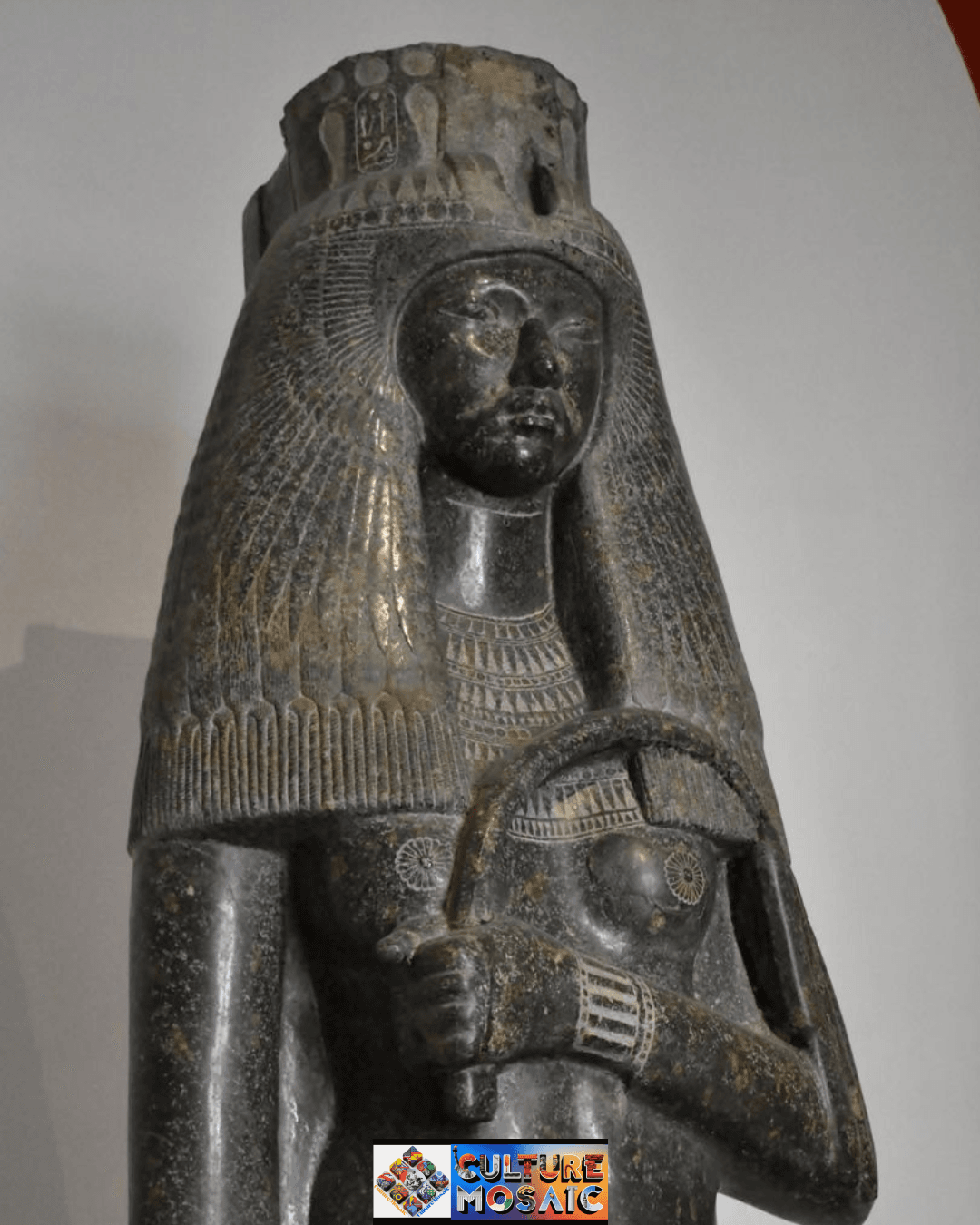
By Dr. Marcus Hale
I’ve spent close to two decades crawling through tomb shafts and squinting at faded cartouches in the Valley of the Kings, and if there’s one thing that still gets under my skin, it’s how many remarkable women in ancient Egypt get reduced to a footnote. Seti I wife is one of those names. Ask ten people about Seti I and you’ll get Abydos, you’ll get his war reliefs at Karnak, you’ll get his son Ramesses the Great. Ask about his wife and you’ll mostly get silence.
That silence is the problem I want to fix today.
The Puzzle Everyone Gets Wrong About Seti I Wife
Here’s the frustrating part. Most articles online either skip her entirely or confuse her with someone else, usually one of Ramesses II’s own wives, Nefertari or Isetnofret. I get why. The Ramesside family tree is tangled, full of repeated names, and popular history loves a spotlight. It rarely shares it.
So people search, they land on thin, recycled content, and they walk away more confused than when they started. That’s not just annoying. It erases a woman who, by the evidence we do have, held real religious authority and helped anchor one of Egypt’s most consequential royal lines.
Who Was Tuya, the Woman Behind Seti I Wife
Her name was Tuya, sometimes rendered Mut-Tuy. She wasn’t born into the royal family. Her father, Raia, held a military rank, and her mother, Ruia, doesn’t appear tied to the throne either. That detail matters. It tells me the Nineteenth Dynasty’s founding generation was still building its legitimacy from the ground up, and marriage into a capable, well-connected family was part of the strategy.
That queen is best understood as Seti I wife, and once you know that, the rest of the puzzle falls into place fast.
Seti I Wife’s Royal Titles and What They Actually Meant
Titles in ancient Egypt were never decorative. They were job descriptions carved in stone. Tuya carried some heavyweight ones: King’s Great Wife, God’s Mother, and Lady of the Two Lands. “God’s Mother” wasn’t sentimental language. It tied her directly to the divine birth of her son and, by extension, to the theological machinery that kept pharaonic rule legitimate in the eyes of priests and ordinary people alike.
I find this title-stacking genuinely striking. It tells me the palace wanted Tuya’s identity fused with the sacred origin story of the dynasty itself, not just parked beside her husband as an afterthought.
A Marriage Built on Strategy, Not Storybook Romance
I won’t pretend I know what Seti I and Tuya felt about each other. Nobody does. Love letters don’t survive from this household the way, say, Akhenaten and Nefertiti’s affection shows up in art. What survives instead is function: a queen positioned to stabilize a young dynasty, and a king who needed exactly that.
If you’re picturing candlelight and poetry, drop it. Picture logistics. Picture succession planning. That’s the real texture of royal marriage in this period, and it’s honestly more interesting than romance once you sit with it.
The Children of Tuya, Ramesses II and Beyond
Tuya’s most famous legacy is obvious: she was mother to Ramesses II, one of the longest-reigning and most self-mythologized pharaohs in Egyptian history. She also bore a son named Nebchasetnebet and daughters, including Tia and Henutmire, though the record on these siblings is thinner and, frankly, frustratingly incomplete.
Raising the future Ramesses the Great put Tuya in a permanent, prestigious position. Even after Seti I died, she remained visible, respected, and active at court well into her son’s reign. That’s rare longevity for a royal woman of this era.
Where the Evidence Lives, Temples, Tombs, and Texts
If you want proof rather than speculation, the physical record backs this up. Tuya appears in reliefs at the Ramesseum, standing beside statues of her son. Her name and titles show up on stelae and in temple inscriptions across multiple sites, and a striking colossal statue of her survives, now housed in the Egyptian Museum in Cairo, seated with quiet, deliberate authority.
I’ve stood in front of that statue. It’s weathered, chipped at the edges, and it still commands the room. That’s not an accident of preservation. Somebody meant for her to be remembered at that scale.
Tuya’s Tomb and the Afterlife She Was Promised
Tuya was buried in the Valley of the Queens, tomb QV80, discovered by Ernesto Schiaparelli’s expedition in the early twentieth century. The tomb’s decoration draws heavily on funerary texts meant to guide her safely through the underworld, the same religious framework explored in our piece on the Egyptian Concept of Life After Death. Her burial goods and inscriptions confirm the elevated status she held right up to the end.
Was She Ever Mummified
This is one of the most-searched questions about her, and the honest answer is: yes, evidence indicates her remains were subject to mummification consistent with royal burial practice, though her mummy’s condition and later history are less thoroughly documented in popular sources than, say, The Golden Mummies of Egypt or the cases covered in Most Famous Egyptian Mummies. Grave robbing and later re-wrapping campaigns by priests, common throughout the Twenty-First Dynasty, complicate the picture for many queens of this period, not just Tuya.
How Tuya Compares to Other Great Queens
It’s tempting to measure every powerful Egyptian woman against Hatshepsut, and if you haven’t read our piece on Who Was Hatshepsut in Ancient Egypt, it’s worth the detour. But Tuya’s influence worked differently. Hatshepsut seized formal kingship outright. Tuya’s power was quieter, running through titles, temple presence, and her son’s devotion rather than a crown of her own. Both models mattered. Neither should overshadow the other.
The Mystery of Her Missing Voice in the Record
Here’s what nags at me. We have Tuya’s titles, her statues, her tomb. What we don’t have is her voice, no personal letters, no recorded opinions, nothing that tells us what she actually thought about ruling a fractured, ambitious court. That gap isn’t unique to her. It’s the general silence ancient Egypt imposes on almost all its women, queens included.
I’d argue that silence is exactly why she deserves more attention now, not less. When the written record won’t speak for someone, historians and readers alike have to go looking on purpose.
Why This Story Still Matters Today
If you care about ancient Egypt beyond the pyramids and gold masks, this is a genuinely rewarding thread to pull. She connects directly to Ramesses II’s rise, to Nineteenth Dynasty politics, to burial practices you can still see documented at sites like the Ramesseum and the Valley of the Queens. Skip her story and you’re missing a load-bearing piece of one of history’s most famous royal families.
This is the kind of research Culture mosaic keeps digging into: the overlooked figures standing just behind the famous names everyone already knows.
Frequently Asked Questions About Seti I’s Wife
Who was the wife of Seti I?
Her name was Tuya, also written Mut-Tuya. She held the titles King’s Great Wife and God’s Mother, and she was the mother of Ramesses II. Here’s how to keep her straight from other Ramesside queens:
- Remember she predates Nefertari and Isetnofret by a full generation.
- Note that her son, not her husband, is her most famous connection.
- Look for her name alongside “God’s Mother” in inscriptions, which is a strong identifying marker.
Was Tuya of royal blood?
No, and that’s part of what makes her interesting. Her father Raia held a military title rather than royal rank. To understand her rise:
- Recognize the early Nineteenth Dynasty was a new, non-royal-blood family consolidating power.
- Note that marrying into capable, respected families was a common stabilizing strategy at the time.
- Remember that royal blood mattered less than the position a queen came to occupy once crowned.
Where is Tuya buried?
She rests in tomb QV80 in the Valley of the Queens, discovered by Ernesto Schiaparelli’s team in the early 1900s. If you’re researching the tomb yourself:
- Check excavation reports from the Turin Egyptian Museum archives, which hold much of Schiaparelli’s original documentation.
- Compare her burial goods to other Valley of the Queens tombs for context.
- Look at the underworld texts on her tomb walls alongside general sources on the Egyptian afterlife.
Did Seti I have more than one wife?
The historical record centers overwhelmingly on Tuya as his principal, Great Royal Wife. Evidence for additional lesser wives or a harem is thin and largely inferential. To dig deeper responsibly:
- Rely on inscriptional evidence over popular assumption.
- Compare Seti I’s household structure to his son’s, which is far better documented.
- Treat gaps in the record as gaps, not as confirmation either way.
Why don’t we know more about Tuya’s personality?
Because ancient Egyptian royal records almost never preserved personal voice, especially for women. To work around that limitation as a reader:
- Focus on what her titles and monuments imply about her public role.
- Compare her documented actions and honors to those of better-recorded queens like Hatshepsut.
- Accept that some historical silence simply can’t be filled, only acknowledged honestly.
Final Thoughts
I keep coming back to that statue in Cairo. Stone doesn’t talk, but it does insist. Tuya insists, quietly, that she was there, that she mattered, that a dynasty which produced one of history’s most self-promoting pharaohs still needed her first. Go looking for her in the record and you’ll find a woman worth remembering on her own terms, not just her son’s.
For more deep dives into the queens, kings, and quiet powerbrokers of ancient Egypt, including The Boy King’s Resting Place, The Golden Mummies of Egypt, Most Famous Egyptian Mummies, and the Egyptian Mummy Iliad Papyri, keep reading with us.
Author Bio: Dr. Marcus Hale is an Egyptologist with two decades of fieldwork experience across the Valley of the Kings and the Valley of the Queens, specializing in Nineteenth Dynasty royal women and funerary archaeology. Read more of his work and get in touch via his author profile at Culture mosaic.