
 By Culture Expert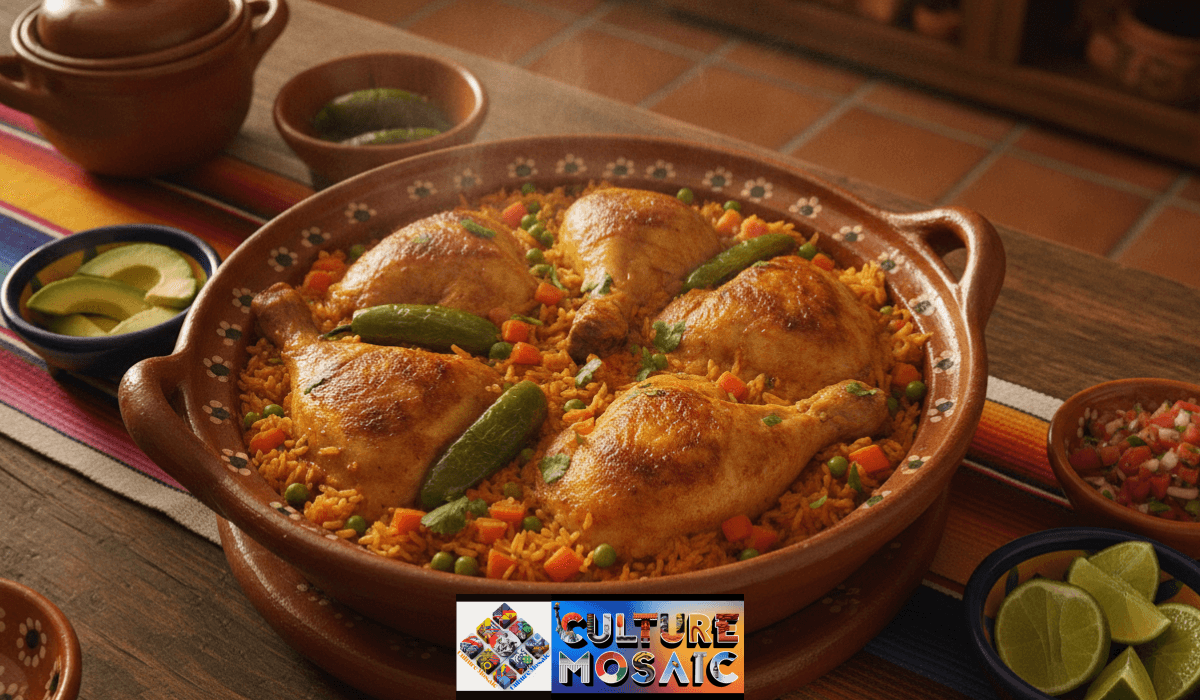
An honest, kitchen-tested look at the chicken and rice recipes that built Mexico’s home cooking tradition
By Dr. Elena Caruso | Culinary Historian & Recipe Developer, Culture Mosaic
Dr. Elena Caruso has spent close to two decades tracing how regional Mexican cooking actually works, not the version you find on a laminated menu, but the one passed down in home kitchens from Jalisco to Yucatán. She trained in culinary anthropology before turning her attention to the kitchen itself, and she still tests every recipe she writes about on her own stove, usually more than once. Her profile and full archive of work are available at Dr. Elena Caruso’s author profile
Traditional Mexican Chicken Dishes with Rice: A Cook’s Guide to the Authentic Item
I have eaten more bowls of chicken and rice in Mexico than I can honestly count, and I can tell you this: nobody in a real Mexican kitchen calls it “chicken and rice.” They call it arroz con pollo, or they name the specific dish, pollo a la valenciana, arroz rojo con pollo, caldo de pollo. Every region has its own version, and every grandmother thinks hers is the correct one. That argument is half the fun of the dish.
This guide walks through traditional Mexican chicken dishes with rice the way they are actually cooked in homes across Mexico, not the watered-down version that shows up at chain restaurants. I will get into the ingredients that actually matter, where the regional differences come from, and the techniques that separate a forgettable pot of rice from one that tastes like somebody’s abuela made it. If you want a broader spread of dishes for a gathering, my colleague’s piece on Mexican Dishes for Party is worth reading alongside this one.
What Actually Makes a Dish One of the Traditional Mexican Chicken Dishes with Rice
There is a lazy habit, especially in American cookbooks, of calling any dish with chicken and rice in the same pan “Mexican.” That is not quite right. What separates a genuinely authentic version from a generic stir-together is the base: a sofrito of tomato, onion, and garlic blended and fried into the rice before any liquid goes in. The rice toasts in that paste, soaking up color and flavor rather than just boiling in chicken stock with chicken thrown on top.
The chicken matters too. Bone-in, skin-on pieces are standard, not because anyone is precious about it, but because the bones and skin render fat and gelatin into the dish as it simmers. Boneless breast meat dries out long before the rice finishes cooking, which is the single most common mistake I see in home attempts at this style of cooking.
The Sofrito Base Nobody Talks About Enough
Most recipes mention tomato and onion. Fewer mention that the mixture needs to actually fry, not simmer, until the raw edge cooks out and the color deepens toward brick red. I learned this the hard way the first time I rushed the step and ended up with rice that tasted pale and a little sour. Give it eight to ten minutes over medium heat. Your kitchen should smell sweet and slightly charred by the time it’s ready.
Regional Variations Across Traditional Mexican Chicken Dishes with Rice
Mexico is not one cuisine. It is a patchwork of regional food cultures, and chicken and rice dishes shift noticeably depending on where you are standing.
Arroz Rojo con Pollo (Central Mexico)
This is probably the version most people picture: red rice cooked with tomato, garlic, and a touch of cumin, with chicken pieces nestled into the pot to finish cooking together. It is a Sunday lunch staple in states like Puebla and Mexico State, often served with avocado slices and a squeeze of lime on the side.
Pollo a la Valenciana (Spanish-Mexican Fusion)
Despite the Spanish-sounding name, this dish evolved into its own Mexican identity generations ago, particularly in the Bajío region. It leans on saffron or achiote for color, peas and roasted red pepper for texture, and a wetter, almost risotto-like rice. It is closer to a Mexican paella than to the drier arroz rojo, and the two are easy to confuse if you have not tasted both side by side.
Arroz a la Tumbada (Veracruz Coastal Style)
Along the Gulf Coast, chicken sometimes shares the pot with shellfish, and the rice cooks looser and soupier, closer to a Mexican jambalaya than a dry pilaf. Epazote, the slightly medicinal herb that shows up across Veracruz cooking, often goes in near the end. It is an unusual flavor if you have not had it before, almost like a cross between mint and tarragon, but it belongs there.
Caldo de Pollo con Arroz (Northern and Home-Style)
Further north, and really in home kitchens everywhere, chicken and rice often shows up as a soup rather than a skillet dish. Rice goes into the simmering broth alongside carrots, chayote, and corn, and the chicken simmers whole before being shredded back in. This is the version most Mexican families actually eat on a Tuesday night, far more often than the showier skillet versions.
Key Ingredients Behind Traditional Mexican Chicken Dishes with Rice
Strip away the regional differences and a short list of ingredients shows up again and again. Get these right and the dish mostly takes care of itself.
- Long-grain white rice rinsed until the water runs clear, which keeps the grains separate instead of gummy.
- Roma tomatoes, blended raw with onion and garlic rather than added as paste or canned sauce.
- Bone-in chicken thighs or a whole cut-up bird, browned first for color and rendered fat.
- Homemade or low-sodium chicken stock, since the rice absorbs every bit of seasoning in that liquid.
- Dried herbs and aromatics specific to the region: cumin and bay leaf in central Mexico, epazote on the coast, saffron or achiote in valenciana-style versions.
- Fresh garnish of lime, cilantro, sliced avocado, or pickled jalapeño, added at the table rather than cooked into the pot.
Typical Preparation Method for Traditional Mexican Chicken Dishes with Rice
The technique varies by region, but the core sequence holds up almost everywhere I have cooked this dish.
Step One: Brown the Chicken First
Season the chicken and brown it in oil or lard until the skin turns deep gold. Pull it out before it’s fully cooked through. You are not trying to finish the chicken here, just building a fond at the bottom of the pot that will flavor everything that follows.
Step Two: Build and Fry the Sofrito, Then Toast the Rice
Blend tomato, onion, and garlic, then pour the mixture into the same pot. Fry it down hard, as covered above, until it darkens and the raw smell disappears. Add the rinsed rice directly into the sofrito and stir until every grain is coated and lightly toasted, around three minutes. This step is the difference between rice that tastes built-in and rice that tastes like an afterthought boiled separately.
Step Three: Add Stock, Return the Chicken, and Rest Before Serving
Pour in hot stock, nestle the browned chicken back into the pot, season, and bring it to a low simmer. Cover and leave it alone. Lifting the lid to check on it constantly is a habit I am still trying to train out of my students; every peek lets steam escape that the rice needs.
Once the liquid is absorbed, turn off the heat and let the pot sit covered for ten minutes. The rice keeps cooking gently from residual heat, and the texture firms up in a way that matters more than people expect. Fluff with a fork, not a spoon, right before plating.
Mistakes That Ruin Traditional Mexican Chicken Dishes with Rice
I have made every one of these mistakes myself at some point, usually while rushing a dinner for guests who showed up earlier than promised, and a little extra patience at each stage would have saved the pot.
- Skipping the fry on the sofrito, which leaves the whole dish tasting flat and slightly raw.
- Using boneless chicken breast, which overcooks and turns stringy before the rice is ready.
- Measuring liquid by habit instead of by rice volume, since different rice varieties absorb different amounts.
- Stirring the pot while it simmers, which breaks the grains and releases starch, turning the texture gummy.
- Serving it straight off the heat instead of letting it rest, which leaves the bottom layer wet and the top dry.
What to Serve Alongside These Dishes
A pot of arroz con pollo rarely shows up alone at a Mexican table. Refried or whole black beans are the most common companion, along with a simple salad of shredded cabbage dressed in lime and salt to cut through the richness. Warm corn tortillas on the side never hurt either, even though the dish already has rice as its starch. For drinks, a glass of horchata or a cold jamaica agua fresca balances the savory depth of the pot nicely.
I tend to set out a small spread of toppings rather than dressing the dish myself before it reaches the table. A bowl of crumbled queso fresco, a few wedges of lime, and a dish of pickled onions let everyone adjust the plate to their own taste, which matters more than people expect at a family table where six different appetites are competing for the same pot.
The Heritage Behind Traditional Mexican Chicken Dishes with Rice
Rice itself is not native to Mexico. The Spanish brought it over in the colonial period, and it merged with Indigenous tomato, chile, and corn cooking to form something genuinely new rather than a copy of anything from Spain or Asia. That blending is exactly the kind of layered food history I find most interesting to dig into, and readers curious about how old-world techniques settled into new-world kitchens might enjoy our broader piece on Heritage Cooking Techniques, which covers similar ground from a wider angle.
What strikes me most, having cooked and researched this for years, is how unbothered Mexican home cooks are by the idea of a single correct recipe. Ask five women in five different states how they make their chicken and rice and you will get five confident, slightly different answers, and every one of them will be right. There is a real lesson in that for anyone trying to cook this style of food properly: master the technique, then let your own kitchen decide the rest.
Storing and Reheating Leftovers Properly
Cooked arroz con pollo keeps well for three to four days refrigerated in a sealed container. Reheat it with a splash of stock or water stirred through, covered, either on the stovetop over low heat or in short bursts in the microwave, since rice dries out fast once it has already cooled and reheated once. I do not recommend freezing it; the texture of the rice suffers more than almost any other component of the dish, turning gritty and a little hollow once thawed, even with careful reheating.
Frequently Asked Questions
1. What is the difference between arroz con pollo and pollo a la valenciana?
Arroz con pollo generally refers to the drier, tomato-based red rice eaten across central Mexico, while pollo a la valenciana uses saffron or achiote and tends to be looser and wetter, closer to a paella. Both fall under the broader category of traditional Mexican chicken dishes with rice, but the seasoning base and final texture are noticeably different.
Quick Tips:
- Taste both side by side once if you can; the seasoning difference is easier to remember after you have tried them together.
- Use saffron sparingly. A little goes a long way, and too much turns the dish bitter.
- Check the rice variety. Valenciana-style dishes often use a shorter grain that releases more starch.
- Do not substitute paprika for achiote and expect the same flavor; achiote has an earthy, slightly peppery note paprika lacks.
- Keep notes the first few times you cook either version, since small ratio changes shift the final texture a lot.
2. Can I make this style of chicken and rice ahead of time for a party?
Yes, and many cooks prefer it that way, since the flavors deepen overnight. Cook the dish a day ahead, cool it fully before refrigerating, and reheat gently with added stock the day of serving.
Quick Tips:
- Undercook the rice very slightly the day before, since it will finish softening during reheating.
- Cool the pot quickly by spreading it in a shallow dish rather than leaving it covered and warm.
- Reheat covered, never uncovered, to avoid drying out the top layer.
- Add fresh garnishes like cilantro or lime only at serving time, never the day before.
- Scale the recipe up using the same rice-to-liquid ratio rather than guessing at larger volumes.
3. What kind of rice works best for these recipes?
Long-grain white rice is the standard choice for most central Mexican preparations because it stays separate and fluffy. Coastal and valenciana-style dishes sometimes lean on a medium-grain rice instead, since the extra starch helps create a creamier final texture.
Quick Tips:
- Rinse long-grain rice until the water runs clear before cooking, without exception.
- Avoid instant or pre-cooked rice entirely; it cannot absorb the sofrito flavor properly.
- Brown rice can work in a pinch but needs significantly more liquid and a longer simmer.
- Store rice in a sealed container away from moisture so it cooks evenly batch to batch.
- Test a small batch with a new rice brand before committing to it for a big gathering.
4. Is this style of cooking spicy?
Not inherently. Most foundational chicken and rice recipes lean on tomato, garlic, and mild dried spices rather than fresh chiles. Heat usually gets added afterward, through a side of pickled jalapeños or a hot salsa, which lets each diner control their own spice level.
Quick Tips:
- Serve a separate bowl of salsa or hot sauce rather than building heat into the pot itself.
- Use poblano peppers if you want a vegetable note without much actual heat.
- Taste your tomatoes before blending; very ripe tomatoes can shift the whole flavor sweeter.
- Adjust cumin carefully, since it is easy to overdo and it dominates the dish quickly.
- Ask guests about spice tolerance ahead of a party rather than guessing.
5. What’s the best way to keep the chicken from drying out?
Stick with bone-in, skin-on pieces, brown them briefly at the start, and pull them out before they’re fully cooked. Returning them to the pot partway through the rice’s simmer means they finish cooking gently in moist heat rather than drying out over direct heat.
Quick Tips:
- Thighs are more forgiving than breasts for this method and harder to overcook.
- Do not fully cook the chicken during the initial browning step; that happens later in the pot.
- Check internal temperature near the end rather than relying on cooking time alone.
- Let the dish rest covered after cooking; the chicken keeps absorbing moisture during that rest.
- Cut larger pieces in half if cooking a whole bird, so everything finishes at roughly the same time.
If you take one thing from all of this, let it be the sofrito step. Fry it properly, toast your rice in it, and the rest of the traditional Mexican chicken dishes with rice mostly falls into place on its own. That single habit is what separates a forgettable pot from one that tastes like it has been made a hundred times in the same kitchen