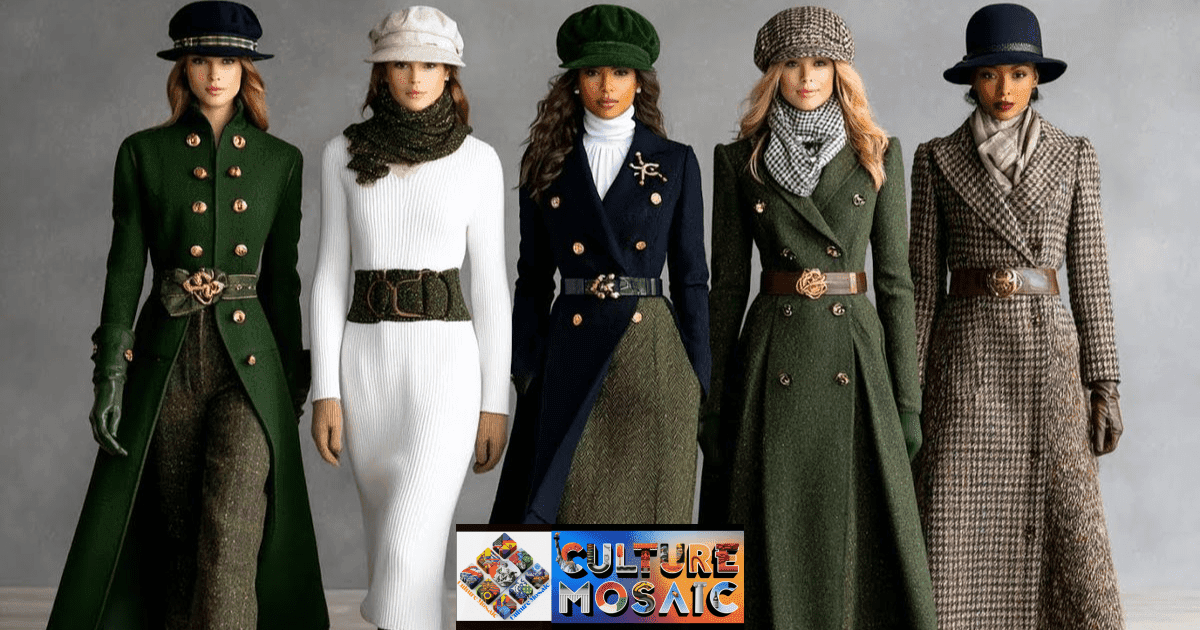
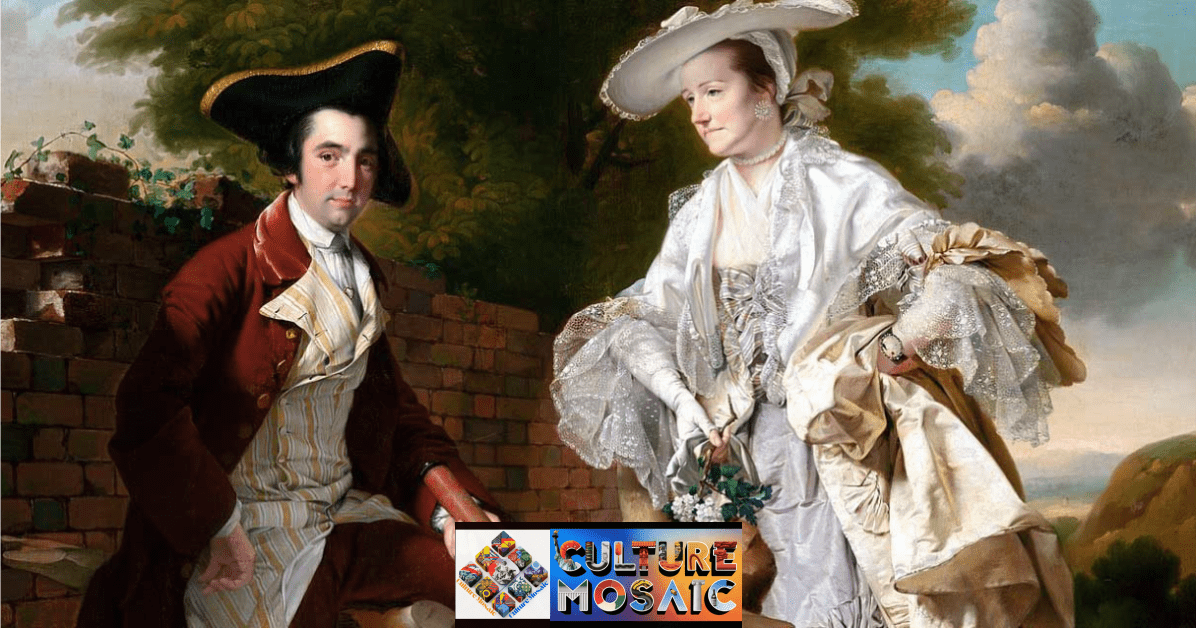
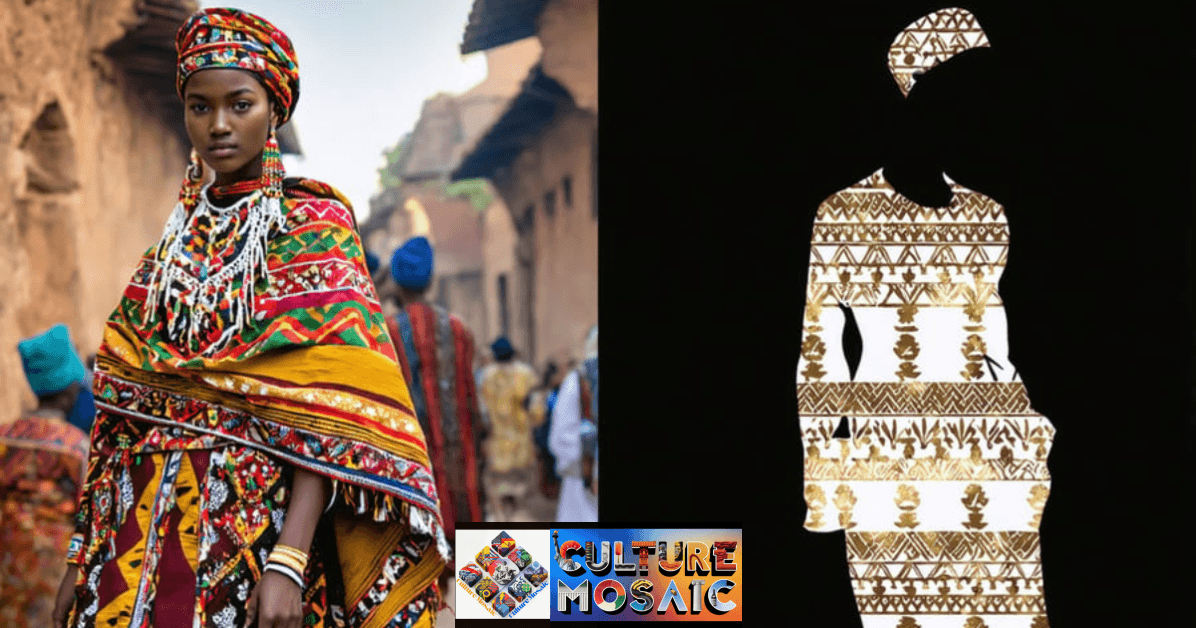
In an era dominated by hyper-accelerated production cycles and disposable aesthetics, a profound counter-movement has quietly reclaimed the peak of luxury. But when we strip away the marketing language of Madison Avenue and the Rue du Faubourg Saint-Honore, what exactly lies at the heart of this movement, and what is heritage fashion in the modern context?
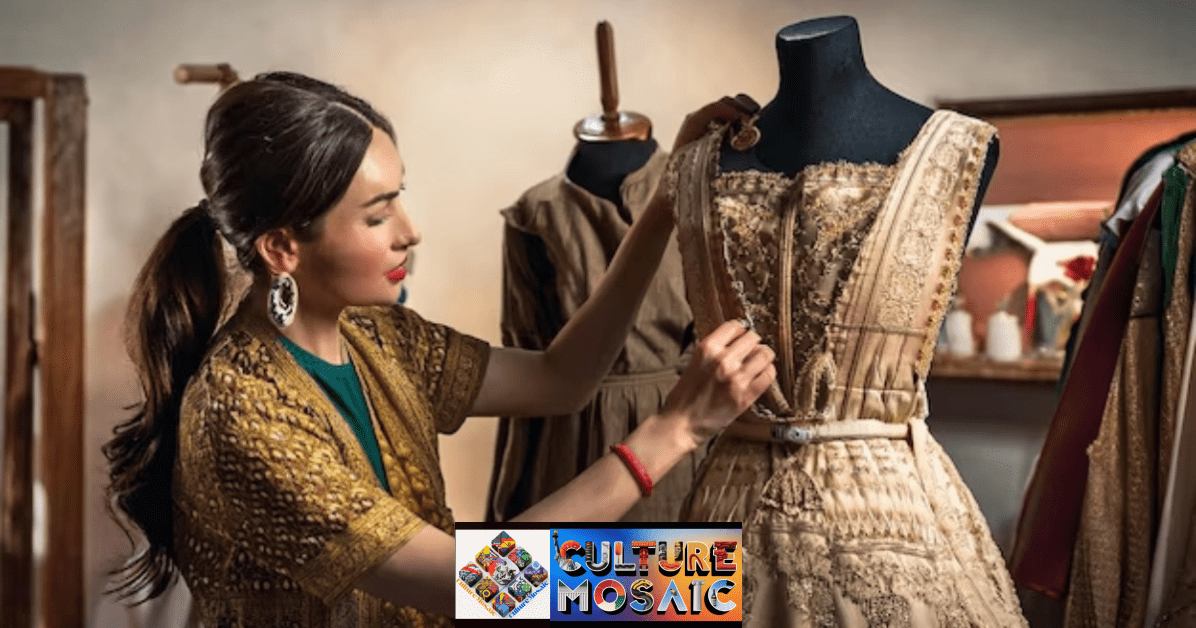
Heritage fashion is not simply old fashion; it is a living, breathing lineage. It represents garments and labels that possess a documented historical narrative, an unyielding dedication to regional manufacturing techniques, and a stylistic vocabulary that evolves without ever breaking its core promise. From the rugged trench coats of the British countryside to the precise leatherwork of Florentine ateliers, these pieces are designed to collect character rather than dust. If you are curious to explore this world further, Culture Mosaic offers a rich library of material culture writing that situates heritage dressing within the broader story of how humans make, keep, and pass on beautiful things.
To understand what is heritage fashion, you must first understand where it came from. The concept did not emerge from a marketing boardroom; it grew organically from workshops, trade guilds, and regional industries that had been perfecting the same techniques for generations.
In the eighteenth and nineteenth centuries, European artisan industries were built around hyper-local specialisation. Cordwainers in Northampton stitched boots for the British military. Weavers in Lyon produced silk for the French court. Saddlers in Milan crafted equestrian leather that would outlast the horses themselves. These were not luxury goods in the modern sense; they were functional necessities made with the highest possible skill, because failure was not commercially viable.
What changed was industrialisation. Mass production could replicate the look of these goods at a fraction of the cost, which forced the original artisan houses into a defining choice: commodify or cultivate. Those that chose to cultivate their founding craft became what we now call heritage fashion houses. They leaned into their origin stories, protected their manufacturing geography, and positioned their accumulated expertise as the product itself.
Not every old brand qualifies as a heritage brand. The term has specific criteria, and understanding them is central to grasping what is heritage fashion in a rigorous, non-marketing sense.
A genuine heritage house can trace an unbroken line from its founding moment to its present operation. This is not simply a founding year printed on a label; it is a verifiable chain of human transmission, from master to apprentice, from archive to atelier. When Thomas Burberry invented gabardine in 1879 to solve the problem of breathability in waterproof outerwear, he created not just a fabric but a foundational philosophy that continues to define the brand nearly a century and a half later.
You cannot separate a heritage garment from the geography that shaped it. Harris Tweed is legally required to be hand-woven by islanders in the Outer Hebrides of Scotland. Remove it from those islands and it ceases to be Harris Tweed by both legal definition and cultural logic. This geographic anchoring is not sentimental; it is the mechanism by which specific environmental knowledge, tool traditions, and community expertise are encoded into the finished object.
The most revered houses maintain physical vaults containing original patterns, ledgers, swatch books, and correspondence stretching back to their founding decade. When a new creative director arrives, their primary mandate is to re-contextualise the past rather than discard it. Karl Lagerfeld famously described his role at Chanel as serving the house rather than reinventing it. This archival discipline is what separates heritage fashion from nostalgic fashion; it is not about longing for the past but about actively deploying the past as a design resource.
Heritage garments were originally built for hard, specific use. The Barbour waxed jacket was designed for North Sea fishermen. The Mackintosh was engineered for Scottish rainfall. The Levi’s 501 was riveted for Gold Rush miners carrying heavy tools in their pockets. This functional origin gives heritage pieces their most recognisable quality: structural honesty. Every seam, every material choice, every hardware detail traces back to a practical requirement. When you ask what is heritage fashion at its most elemental, the honest answer is that it is workwear that survived long enough to become art.
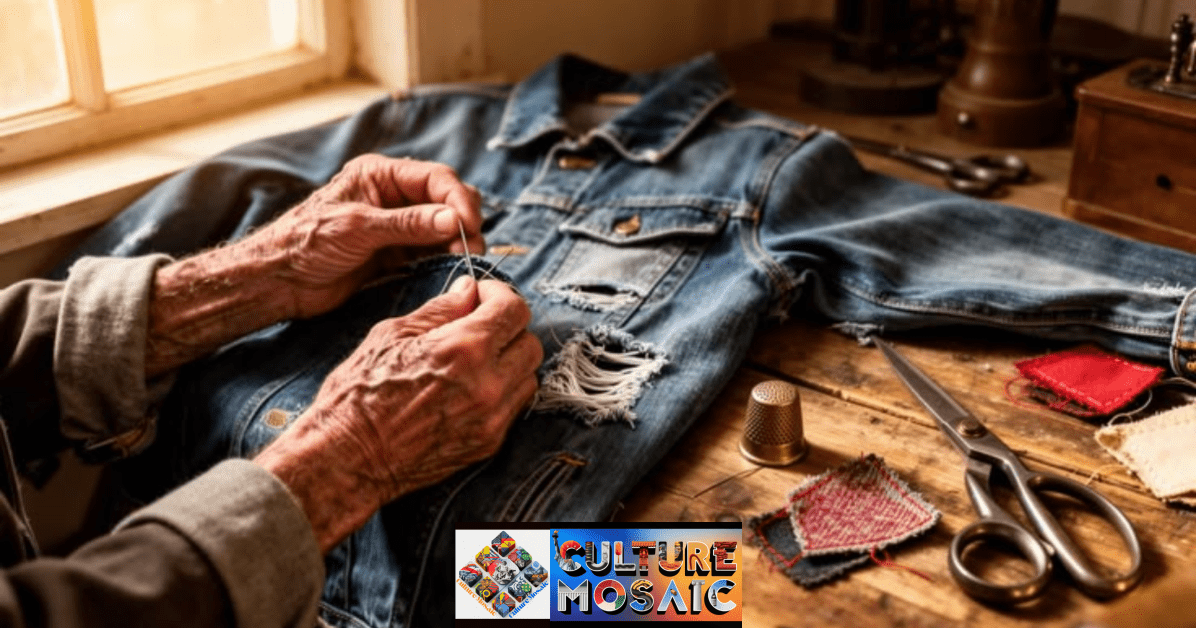
Perhaps the most counter-cultural characteristic of heritage fashion is that it is explicitly designed to be repaired, not replaced. Barbour runs a dedicated rewaxing and repair service. Hermes offers lifetime restoration on its leather goods. A well-maintained heritage piece is not expected to last a season; it is expected to outlast its original owner and become someone else’s story. This philosophical stance makes genuine heritage the most radical antithesis to fast fashion that exists.
Sartorial Myth-Busting
Many modern start-ups affix artificial founding dates such as ‘Established 1880’ by purchasing defunct corporate trademarks to simulate the appearance of lineage. True heritage cannot be acquired at a legal auction. It requires an unbroken chain of human transmission, physical archives, and living ancestral expertise. A date on a label is a hypothesis; it must be substantiated by verifiable manufacturing continuity, not simply asserted in brand copy.
The brands that anchor this movement have survived geopolitical upheaval, economic depression, and industrial revolution by keeping their founding craft sacred. The table below maps the founding milestone, signature design, and — critically for those approaching this from a material culture angle — the core material that defines each house’s structural identity.
Brand / House
Founding Milestone
The Iconic Signature
Core Material
Hermès (Paris)
1837 as master harness and saddle workshop
The flawless saddle stitch on leather goods
Full-Grain Veau Leather
Burberry (London)
1856; gabardine patent 1879
Military trench coat and signature Check
Waterproof Gabardine Cotton
Barbour (South Shields)
1894 providing oilskins to North Sea mariners
Waxed jacket built for lifelong repair
Waxed Cotton (Sylkoil)
Levi Strauss & Co.
1853; riveted denim patent 1873
Copper-riveted 501 jean, unchanged in intention
Copper-Riveted Selvedge Denim
“True heritage fashion does not look to the runway to see what is next. It looks directly into its own archives to remind the world what remains permanent.”[cite: 1]
When we approach this question at a cultural level, the answer extends far beyond cloth and thread. Heritage garments are repositories of non-verbal history. They carry within their construction the evidence of specific working lives, regional climates, trade routes, and social hierarchies.
Consider the significance of the Harris Tweed Act of 1993, which legally defines and protects the manufacture of Harris Tweed. This is not merely commercial protectionism; it is the formal acknowledgement that a textile can constitute living cultural heritage in the same category as language or ritual. The garment becomes a vessel for community identity and economic sovereignty.
Heritage fashion also participates in what anthropologists call material culture: the study of how physical objects mediate human relationships, express cultural values, and transmit knowledge across time. A well-made coat is not just clothing; it is a compressed record of the knowledge that produced it. Wearing it is an act of cultural participation. For deeper reading on this relationship between objects and dress, the Poetcore Heritage Fashion essay on Culture Mosaic offers a particularly thoughtful exploration of how literary aesthetics and heritage dressing share the same reverence for slow, intentional making.
This is perhaps the most common point of confusion for people newly exploring this territory. The two terms are frequently conflated, but they operate on entirely different axes of value.
Vintage refers to the age of a specific physical garment. The conventional industry definition covers items produced between twenty and one hundred years ago, regardless of brand origin or manufacturing philosophy. A polyester blouse from a defunct high-street retailer, produced in 1985, is technically vintage. A brand-new trench coat purchased today from an authentic 150-year-old house is not vintage, even though it embodies everything that the heritage tradition represents.
Heritage fashion describes the structural ethos and documented lineage of the brand itself. Age is relevant only insofar as it verifies the depth of accumulated expertise. A heritage brand could launch a completely new product category today and that product would still belong to the heritage tradition, because it draws from an unbroken continuity of craft and cultural meaning.
For a complementary perspective on how pre-loved and archival dressing connect, the Vintage Revival Fashion piece on Culture Mosaic traces the recent surge of interest in authenticated secondhand pieces and how it intersects with heritage sensibilities.
The influence of this tradition on contemporary design is both direct and pervasive. It operates through three principal mechanisms: archival reissue, collaborative cross-pollination, and philosophical inheritance.
Many of the major heritage houses regularly dive into their own archives to reissue specific silhouettes or fabrications from earlier decades. These are not reproductions in a cynical sense; they are precise reconstructions, often using the original patterns and materials sourced through the same regional supply chains. The commercial success of these releases demonstrates that contemporary consumers actively want things that have been proven by time rather than validated only by novelty.
A significant number of the most critically admired contemporary designers, including those operating in the streetwear and workwear spaces, cite heritage traditions as their primary reference architecture. The raw denim movement that gained serious cultural traction in Japan during the 1980s and 1990s was explicitly a response to the perceived degradation of American heritage denim manufacturing. Japanese producers reverse-engineered original Levi’s construction methods, using shuttle looms and period-accurate hardware, creating an entirely new cultural category rooted in deep respect for a foreign craft tradition.
For readers interested in how specific garments like the trench coat are being reinterpreted by contemporary stylists, the guide on How to Style Men’s Trench Coats provides detailed, practical direction grounded in the garment’s heritage context.
Heritage fashion also functions as a structural counterpoint to the cycles of maximalism that periodically dominate the fashion calendar. Where maximalism celebrates abundance, novelty, and conspicuous visual excess, heritage fashion proposes restraint, depth, and earned accumulation. Understanding this tension is useful for anyone trying to read the broader cultural shifts in fashion history. The Maximalism Fashion History essay on Culture Mosaic provides an excellent chronological framework for understanding when and why these cycles shift.
The surge in consumer interest in what is heritage fashion is not accidental. It is a convergent response to several simultaneous cultural pressures.
The environmental cost of disposable fashion has moved from niche activist concern to mainstream consumer knowledge. Studies from multiple environmental organisations have documented the contribution of fast fashion to textile waste, water pollution, and carbon emissions. Against this backdrop, a garment designed to last fifty years with proper care represents not just an aesthetic choice but an ethical one. Heritage fashion offers a coherent, historically grounded model for what responsible consumption looks like in practice.
A generation of consumers that came of age during economic instability has developed what fashion economists call investment dressing: the practice of allocating budget to fewer, higher-quality pieces with demonstrable resale value and longevity. Heritage pieces from top-tier houses have consistently outperformed expectations as financial assets. Certain Hermes leather goods have appreciated in market value faster than comparable investment instruments in equivalent periods, a fact that has not gone unnoticed by a financially literate younger consumer base.
When virtually every aspect of digital life is mediated, filtered, and optimised, there is a profound psychological appeal to objects that carry genuine, unmediated history. Heritage fashion provides exactly this. A jacket that has been waxed and repaired over twenty years carries a biographical record that no marketing campaign can fabricate. This authenticity is what ultimately distinguishes the genuine article from its many contemporary imitators.
Understanding the philosophy is the intellectual foundation, but building a personal heritage wardrobe requires practical knowledge. Here is a framework for approaching the market with confidence.
The most accessible entry points into this tradition are outerwear, footwear, and denim. These categories have the deepest manufacturing traditions, the most transparent provenance chains, and the broadest range of price points. A pair of Goodyear-welted shoes from a Northampton maker will outlast and outperform most contemporary footwear at three to four times the initial price point, delivering better cost-per-wear mathematics over a decade. For readers exploring where to find specific heritage-adjacent garments in the everyday market, the Where Can I Buy Capri Pants guide on Culture Mosaic demonstrates the kind of sourcing knowledge that applies across all categories of considered buying.
Before purchasing, learn to read the provenance markers that distinguish genuine heritage pieces from marketing replicas. These include country of manufacture (not just country of design), material origin documentation, construction method details such as Goodyear-welt versus cemented sole, and the specific regional identity of the materials used. A shirt labelled ‘designed in London’ and manufactured in a bulk offshore facility is not a heritage garment, regardless of the founding year printed on the hangtag.
One of the more interesting developments in recent years is the adoption of heritage sensibilities by younger audiences who encounter them not through traditional luxury channels but through music, sport, and street culture. This crossover has produced some of the most intellectually interesting style conversations of the past decade.
Brands like Carhartt, originally an American workwear manufacturer founded in 1889, found second lives as cultural symbols within hip-hop communities in the 1990s. The same functional durability that made Carhartt jackets essential for construction workers made them appealing to urban subcultures that valued authenticity and anti-fashion credibility. This is heritage fashion operating as cultural currency in a completely different register from its original context, which speaks to the depth and adaptability of the tradition.
For a more grounded exploration of how heritage aesthetics filtered into everyday youth dressing at specific cultural moments, the 2016 Fashion Trends High School piece on Culture Mosaic captures a specific snapshot of how heritage references were being translated into accessible everyday dressing for a younger generation.
Before the term slow fashion existed as a marketing category, heritage fashion was already practising its core principles. The entire heritage manufacturing philosophy is built on the premise that a garment should be worth making well, because it will be used for a long time by someone who genuinely values it.
This creates a supply chain logic that is structurally different from fast fashion. Heritage manufacturers cannot use cheap materials because their customers are knowledgeable enough to detect the difference. They cannot cut construction corners because their reputation rests on longevity. And they cannot design to trend because their identity is staked on permanence. These are not marketing claims; they are functional business constraints that produce genuinely sustainable outcomes.
The repair economy that surrounds heritage brands is also significant. When Barbour rewaxes a jacket, it is extending the useful life of an existing garment rather than replacing it. When a cobbler resolves a pair of welted boots, the environmental cost is a fraction of producing a new pair. Heritage fashion has always operated this way, which is why it functions as the most credible model available for those seeking to reduce the environmental footprint of their wardrobe without sacrificing quality or aesthetic coherence.
Heritage fashion refers to clothing brands, garments, and manufacturing traditions that possess a verifiable and unbroken historical lineage, a deep commitment to regional craftsmanship, and a design philosophy centred on functional durability and cultural longevity. It is not simply old clothing; it is the ongoing practice of a tradition that has proven its value across generations. A brand qualifies when it can demonstrate continuous production using founding techniques, maintain physical archives of its original patterns and methods, and show that its core design language traces directly to a functional origin story rather than a trend cycle.
Best Practices:
• Verify manufacturing geography: Confirm that the brand still produces its signature items in the region where the founding craft was developed. Geographic continuity is a primary marker of authentic heritage and cannot be replicated by a change of address.• Examine the archive: Research whether the brand maintains and publicly references its historical archive. Houses that regularly reissue archival pieces or publish archive lookbooks demonstrate that their history is a living resource rather than a marketing device.• Look for a repair programme: Genuine heritage houses typically offer restoration, repair, or rewaxing services because they build products they expect to outlast seasonal use. The existence of a repair programme is one of the most reliable signals of authentic heritage intent.• Trace the founding story to function: Every authentic heritage brand has an origin story rooted in a practical problem that required a craft solution. If the founding narrative reads like marketing copy rather than industrial history, approach with scepticism.• Cross-reference independent sources: Use fashion history resources, trade publications, and museum collections rather than relying solely on the brand’s own marketing materials to verify claims of heritage. Independent verification is the standard applied in any serious evaluation of lineage.
Heritage fashion and luxury fashion are overlapping but distinct categories. All heritage fashion aspires to the highest standard of craftsmanship, but not all luxury fashion is heritage fashion. Modern luxury can be built on novelty, celebrity association, or scarcity marketing without any reference to historical tradition. Heritage fashion derives its authority specifically from time, continuity, and the accumulation of proven expertise. A new luxury label with a celebrity creative director and a compelling marketing campaign may produce excellent clothes, but it does not yet possess heritage. Heritage is earned across decades, not purchased through acquisition.
Best Practices:
• Distinguish novelty from continuity: Luxury fashion regularly celebrates newness; heritage fashion celebrates deepening mastery. When evaluating a brand, ask whether its story is fundamentally about the present moment or the accumulated past.• Assess the founding craft: Heritage brands have a specific founding craft that defines their identity. A luxury brand without a founding craft specialisation is likely operating primarily in the branding space rather than the tradition space.• Check manufacturing independence: Many luxury conglomerates have acquired heritage brand names while shifting manufacturing to centralised offshore facilities. Research whether the house still controls its own production infrastructure before accepting heritage claims.• Study the design language over decades: Heritage design evolves incrementally; luxury fashion pivots dramatically between creative directors. A brand whose aesthetic identity remains consistent across multiple leadership changes is demonstrating heritage rather than luxury positioning.• Prioritise substance over symbolism: Heritage value lives in the object itself; luxury value often lives in the logo. The test is whether a piece retains its significance when stripped of all branding, because the construction and material quality should speak independently.
The short answer is yes, but it takes longer than most streetwear brands have existed and requires a fundamental philosophical shift from trend dependency to craft continuity. The most credible candidates for streetwear heritage status are brands like Carhartt, which has been producing workwear since 1889 and whose adoption by street culture was cultural recognition of genuine functional quality rather than manufactured credibility. New streetwear brands face the challenge of building the archive, proving the durability, and maintaining the geographic craft connection that heritage status requires, all within a culture that celebrates constant reinvention over consistent deepening.
Best Practices:
• Invest in manufacturing infrastructure: Streetwear brands aspiring to heritage status need to develop genuine supply chain depth, ideally in specific geographic centres with craft traditions relevant to their core product.• Build a genuine archive from day one: Documenting every design decision, material source, and production method from founding creates the archival basis that future heritage claims will require. An archive is not curated retrospectively; it is assembled in real time.• Emphasise durability and offer repair: Designing for longevity and providing repair services signals to consumers that the brand’s ambition extends beyond the current season and into a genuinely extended relationship with its products.• Find the functional origin story: The most durable heritage narratives are rooted in solving a practical problem. Streetwear brands that can articulate a genuine functional foundation have a stronger claim to craft credibility than those built purely on aesthetic identity.• Resist trend dependency: Heritage status is structurally incompatible with complete trend dependency. Brands that allow their core design language to be fundamentally redirected by seasonal trend cycles will never accumulate the consistent identity that generational longevity requires.
Caring for heritage pieces is an active practice rather than a passive one. Most heritage garments are specifically designed to be maintained through particular methods that are integral to the material itself. Waxed cotton jackets must be periodically rewaxed rather than machine-washed, because washing strips the wax that provides weatherproofing and structural integrity. Leather goods benefit from regular conditioning with appropriate oils or creams to prevent the drying and cracking that degrade stitching over time. Woollen garments should be folded rather than hung to prevent shoulder distortion. Small investments of time in proper maintenance are what allow heritage pieces to deliver the multi-decade lifespan they are designed for.
Best Practices:
• Follow the heritage method, not the generic method: Each heritage material has its own maintenance protocol. Research the specific care requirements for waxed cotton, full-grain leather, and heritage wool separately rather than applying generic fabric care rules to all of them.• Use the brand’s restoration services: Major heritage houses offer restoration services precisely because repair is built into their business model. Using these services rather than discarding a damaged piece is both economically and environmentally rational.• Store correctly: Heritage outerwear benefits from breathable garment bags and occasional airing rather than sealed plastic storage. Leather goods should be stored with cedar or acid-free tissue to maintain shape and manage moisture.• Build relationships with skilled tradespeople: A skilled cobbler and a traditional tailor dramatically extend the usable life of welted footwear and tailored heritage garments respectively. These relationships are part of the heritage ecosystem.• Embrace the patina: The natural ageing of heritage materials is not deterioration; it is the accumulation of the biographical record that makes a piece singular. Resist the impulse to keep a heritage piece in pristine condition and allow the material to tell the story of its use.
The relationship is both deep and structural. Heritage fashion is the original model for sustainable consumption within the clothing industry, pre-dating the modern sustainability movement by more than a century. Its sustainability credentials are not a marketing add-on; they are the logical output of a manufacturing philosophy built on durability, repairability, and craft continuity. Choosing heritage fashion is, in practical terms, one of the most effective individual interventions available within the clothing consumption space, because each heritage purchase displaces multiple fast fashion purchases across the lifetime of the garment.
Best Practices:
• Calculate cost-per-wear rather than purchase price: A heritage piece that costs four times more than a fast fashion equivalent but lasts twenty times longer delivers dramatically better economic and environmental value over any meaningful time horizon.• Engage with the secondhand heritage market: Buying secondhand heritage pieces extends the life of existing garments and allows access to heritage quality at more accessible price points. The secondhand market for quality heritage pieces is robust and well-served by specialist resellers.• Prioritise repairability in purchasing decisions: Before purchasing any garment, confirm that it can be repaired rather than discarded when it shows wear. Welted soles, natural-fibre construction, and metal hardware are all reliable markers of repairability.• Build a considered capsule rather than a large wardrobe: The heritage approach to dressing naturally produces a smaller, better-considered wardrobe, which carries a lower overall environmental footprint than a large wardrobe of short-lived pieces that require frequent replacement.• Support the manufacturing ecosystem: Purchasing from brands that maintain regional manufacturing traditions supports the preservation of the craft knowledge, supply chains, and community economies that make genuine heritage fashion possible in the first place.
The question of what is heritage fashion is not a niche academic curiosity; it is one of the most practical and culturally significant questions available to a contemporary consumer. In answering it, you gain the tools to distinguish objects of genuine cultural and material value from sophisticated simulations of that value. You develop a framework for spending that is simultaneously more economically rational, more environmentally responsible, and more aesthetically satisfying.
Heritage fashion represents something genuinely rare in the modern consumer landscape: a category of goods where the story is not a marketing construction but a verifiable historical record, where the quality is not a brand promise but a structural consequence of the manufacturing method, and where the value grows rather than diminishes with time and use.
Whether you are beginning to build a considered wardrobe, exploring the history of material culture, or simply trying to understand what separates a piece worth keeping from one worth discarding, the heritage tradition offers an exceptionally well-developed and intellectually rigorous answer. For continued exploration of these ideas, Culture Mosaic remains one of the most thoughtful editorial platforms for this kind of inquiry, connecting fashion, culture, history, and material intelligence in a single sustained conversation.
For those who want to read further on this subject from additional editorial perspectives, What is heritage fashion at Stridewise offers complementary analysis with a particular focus on menswear applications and contemporary brand evaluation.
Post navigation

 By Culture Expert