
 By Culture Expert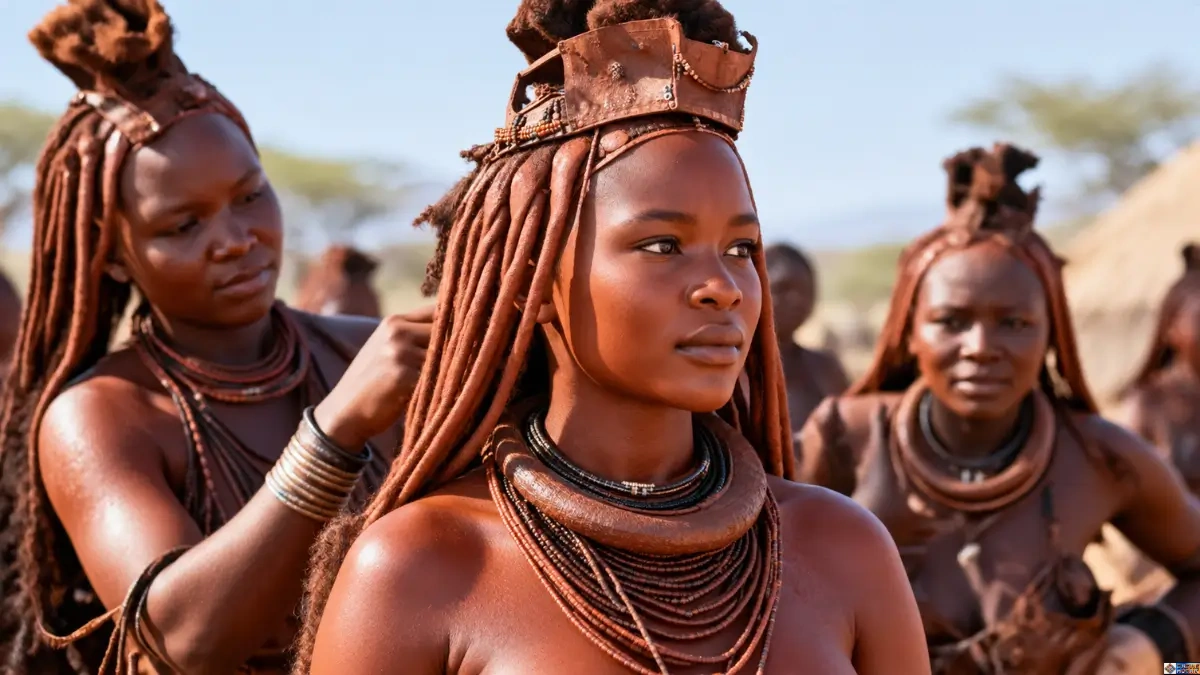
Unveiling Red Clay Tribe Wedding Traditions: The Authentic Himba & Hamar Matrimonial Customs
Quick Summary (Direct Answer Block)
- Who Are They? “Red Clay Tribe” is an informal search term. It primarily refers to the Himba people of Namibia (who apply otjize, a red ochre paste) and secondarily to the Hamar people of Ethiopia (who use red clay for ceremonial hairstyles).
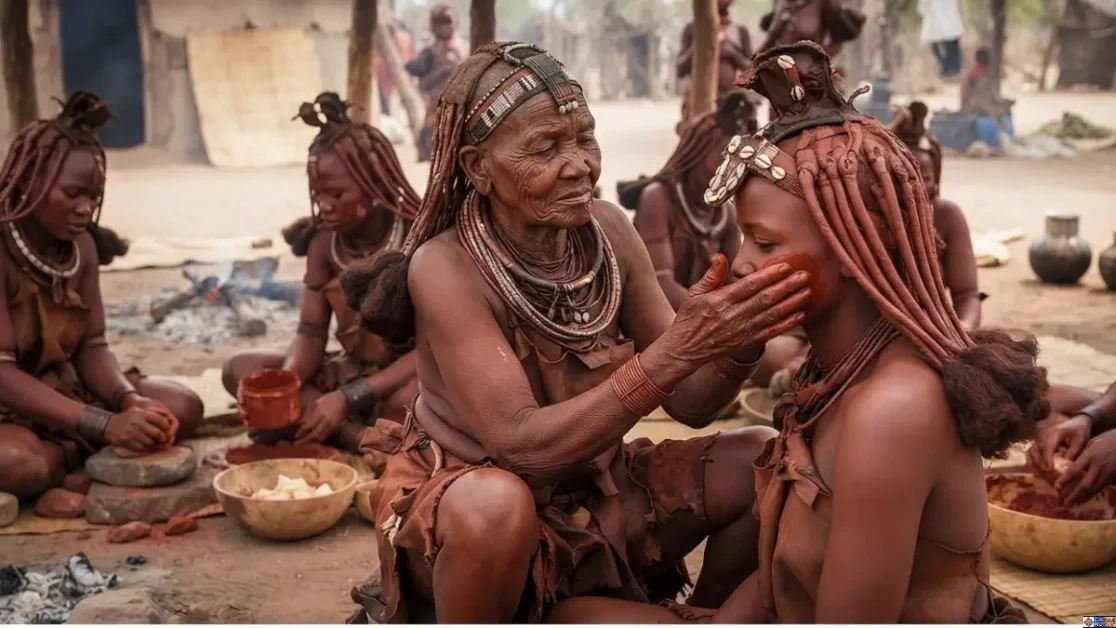
- What is the Red Clay? Otjize is a blend of butterfat, aromatic resin (omuzumba), and ground red ochre stone. It serves as daily skin protection and a sacred symbol of blood, earth, and life.
- Key Wedding Rites: Includes the Okuruwo ancestral fire blessing, the transition from adolescent braids to the Erembe leather bridal crown, and formal livestock exchanges between patrilineal clans.
Every week, readers contact Culture mosaic asking about the viral videos showcasing women coated in rich, rust-red earth preparing for marriage. The common assumption is that there is a single group called the “Red Clay Tribe.”
As a cultural anthropologist, I must offer a necessary correction: there is no ethnic group officially named the “Red Clay Tribe.”
When searchers use this term, they are almost always referring to the Himba people of northwestern Namibia, or occasionally the Hamar (Hamer) people of the Omo Valley in Ethiopia. The phrase stems from the striking red ochre paste—called otjize among the Himba—that women apply to their skin, hair, and ceremonial garments.
Unpacking this informal term reveals intricate kinship systems, ancestral spiritual rites, and deeply meaningful Cultural Marriage Traditions that stretch back centuries.
1. Disambiguation: Himba (Namibia) vs. Hamar (Ethiopia)
To understand these marriage customs, we must first distinguish between the two prominent African cultures frequently grouped under this descriptor.
| Feature | The Himba People | The Hamar (Hamer) Tribe |
|---|---|---|
| Primary Region | Kunene Region (Kaokoland), Namibia | Omo Valley, Southern Ethiopia |
| Red Earth Mixture | Otjize (ground red ochre + butterfat + resin) | Ese (red clay + animal fat) |
| Application Area | Entire body, skin, hair braids, and leather garments | Braided hair twists (goscha) and clay caps |
| Marital Headpiece | Erembe (sculpted sheepskin/goatskin crown) | Beaded collars and heavy metal neck rings (esente) |
| Ancestral Focus | Okuruwo (Sacred Ancestral Fire) | Bull-jumping rites & clan elder blessings |
While both pastoralist cultures use red earth in their tribal adornment rituals, the Himba remain the primary subject of queries regarding Red Clay Tribe Wedding Traditions.
2. The Sacred Symbolism of Otjize (Red Ochre)
To outsiders, the red paste looks like costume paint. To a Himba bride, it is skincare, climate defense, and spiritual identity rolled into one.
In the hyper-arid climate of northwestern Namibia, otjize protects the skin against sunburn and insect bites while keeping it clean without water. Beyond its practical use, red symbolizes:
- Earth & Blood: The sacred connection to ancestral land and life force.
- Feminine Vitality: The transition into reproductive maturity and womanhood.
- Clan Honor: A carefully applied coat demonstrates care, family support, and respect for the community.
During pre-wedding preparations, the bride’s female relatives gather to crush hematite stone into a fine powder, blending it with churned butterfat and fragrant resin harvested from the omuzumba shrub. This slow, ritualized process serves as an intimate space where older women pass down oral history and marital guidance to the bride.
3. Bridal Attire & Hair Transformations
In Himba culture, hair structures and adornments communicate social status without a word spoken. Understanding What Traditions Are Common in Weddings across indigenous cultures often begins with examining how rites of passage are visually represented.
Unmarried Girl
Ondato Braids: Features 2 forward-facing hair braids styled toward the face.
Bride-To-Be
Pre-Wedding Prep: Application of red otjize ochre paste & family ceremonial veiling.
Married Woman
Erembe Crown: Sacred sculpted leather crown worn permanently on the back of the head.
Key Bridal Adornments:
- The Erembe Headdress: The defining symbol of a married woman. Crafted from tanned goatskin or sheepskin, this leather crown is placed on top of the head during the ceremony. Similar to how Crown Family Wedding Traditions mark royalty, the Erembe elevates the bride to a respected matriarch.
- Ovikaku (Iron-Beaded Anklets): Heavy wrapped anklets that protect against snakebites and sound rhythmically during ceremonial dances.
- Ovizororua (Shell Necklaces): Passed down through generations, these large white conch shell pendants rest on the chest, symbolizing fertility and lineage continuity.
Similar emphasis on specialized bridal headwear and symbolic garments can be seen globally, from Modern Cultural Wedding Dresses to traditional Italian Wedding Traditions for Bride.
4. The Step-by-Step Marriage Ritual Process
A traditional Himba wedding is an alliance between two extended patrilineal clans. Here is how the process unfolds:
1.1. Betrothal and Cattle Negotiations:Establishing Clan Alliance.
Negotiations occur between families long before the wedding day. The bride price (typically involving cattle, goats, and iron goods) is agreed upon. In pastoral communities, livestock represents wealth, security, and alliance rather than a commercial transaction.
2.2. The Okuruwo Ancestral Fire Blessing:Seeking Ancestral Consent.
The wedding ceremony takes place near the Okuruwo—the sacred ancestral fire tended by the village line keeper. The clan elder invokes the ancestors, asking them to bless the union, protect the bride, and grant her fertility in her new home.
3.3. Symbolic Kidnapping & Leave-Taking:Transitioning Between Clans.
In a dramatic ritual of leave-taking, female relatives from the groom’s family symbolically “abduct” the bride from her compound, while her own family stages a playful defense. This expresses the emotional weight of her leaving her birth clan.
4.4. Welcoming at the Groom’s Homestead:The Final Anointing.
Upon arriving at the husband’s homestead, the bride is welcomed by her new mother-in-law, who rubs a special mixture of butterfat and herbs on her skin. She is formally presented with her Erembe headdress, signaling her new role as a wife.
This structural transition mirrors rituals found across the world, from the symbolic hand-binding in celtic wedding traditions and customs to the family blessings in Native American Cherokee Wedding Traditions and Mexican Wedding Traditions.
5. Anthropological Perspectives & Comparisons
When studying Marriage Rituals in Different Cultures Anthropology, we observe that societies worldwide use physical markers and sacred fires to formalize marriage vows.
For instance, the use of sacred fire as a witness to marital vows is central to Vedic traditions in South Asia, while covenantal family pledges feature heavily in What Are Christian Wedding Traditions. Similarly, public ceremonies marking physical status transitions echo through Irish Wedding Traditions, the historical Ancient Roman Wedding Traditions, and the specific evening rites detailed in the Roman Wedding Night Ritual.
When viewing the Best Wedding Traditions Worldwide, the Himba system stands out for how seamlessly daily living (the application of otjize) blends into sacred marital expression.
Frequently Asked Questions About Red Clay Tribe Wedding Traditions
Citations & Academic References
- National Museum of Namibia: Ethnographic Collections: Pastoralist Heritage of the Kunene Region. Windhoek, Namibia.
- Crandall, David P. (2000): The Place of Stunted Ironwood Trees: A Portrait of the Himba of Central Kaokoland. Continuum Publishing.
- Smithsonian National Museum of African Art: African Body Arts and Ceremonial Dress: Himba Adornment Systems. Washington, D.C.
- Jacobsohn, Margaret (1990): Himba: Life and Culture of a Namibian People. Struik Publishers.