
 By Culture Expert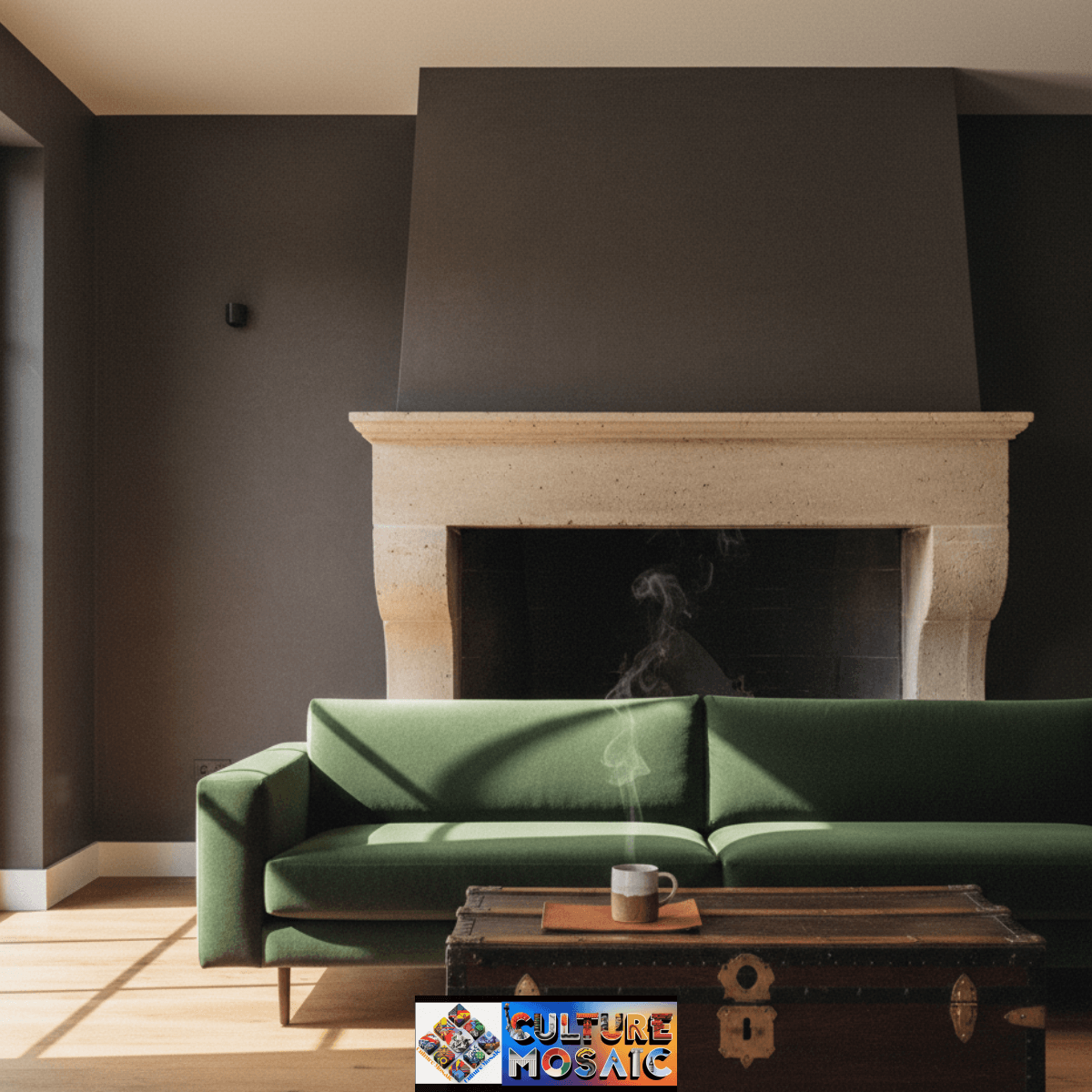
| Category | Must-Have Element | Modern Heritage Purpose |
| The Anchor | One “Heirloom” Piece | Provides the “soul”; usually a vintage rug, antique chest, or large oil painting. |
| The Walls | Limewash Finish | Replaces flat paint with movement and depth in tones like Espresso or Sage. |
| The Foundation | 70/30 Furniture Ratio | 70% Contemporary (sofas/tables) vs. 30% Heritage (accents/vintage). |
| The Texture | Unpolished Stone | Adds weight via raw travertine, limestone hearths, or marble accents. |
| The Detail | Unlacquered Brass | The “Patina Check”; a living finish that ages and darkens over time. |
| The Tech | Integrated Smart Light | “Warm-dim” technology to transition from daylight to an amber heritage glow. |
Let’s be honest: the last decade of interior design handed us a lot of cold, beige sameness. Every room looked like it had been styled for a real estate listing rather than actually lived in. Fast furniture arrived in flat packs, rooms looked perfect for about a week, and then felt hollow. Now, in 2026, there’s a real and welcome pushback happening.
Slow design is back. The Modern Heritage living room is the clearest expression of this shift. It’s not about filling your home with antiques or turning it into a museum. It’s about building a room that looks and feels like it has been curated thoughtfully over years, where each piece has a reason to be there and where the person who lives there is reflected in the room.
This guide breaks down exactly how to build that kind of space, from the bones of the architecture all the way to the final brass finial on the bookshelf.
Quick Takeaway: What Is a Modern Heritage Living Room?
Core Concept: Pairing raw, historic textures (stone, reclaimed wood, limewash) with sharp, sculptural modern silhouettes.
The Palette: Moving from cold greys to Grounded Neutrals such as Espresso, Cloud Dancer, and Olive.
The Hero Piece: Every Modern Heritage room needs one Heirloom Anchor, whether that is an antique chest, a vintage hand-knotted rug, or a storied piece of art.
Foundational Bones: Adding “Soul” to a Modern Build
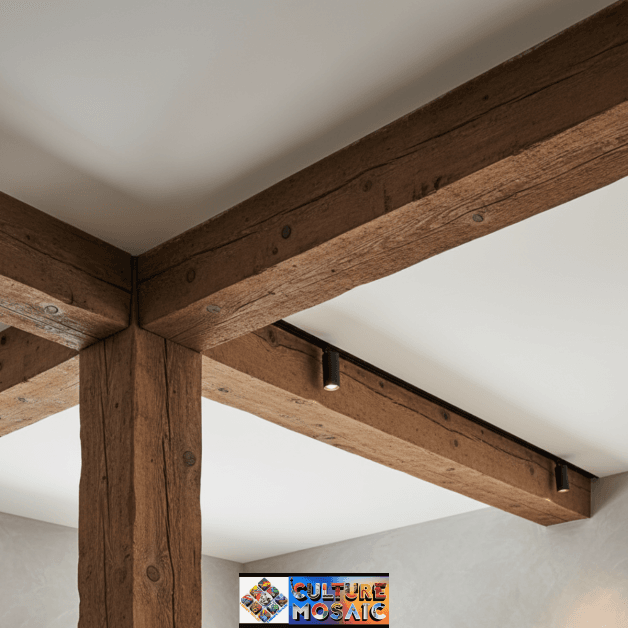
Before you buy a single piece of furniture, the right Modern Heritage living room starts with the walls, floors, and ceiling. These are the elements that give a room its character, and getting them right means everything above them will fall into place naturally.
Reclaimed Beams: The Contrast That Does the Heavy Lifting
Few architectural moves deliver as much impact as an exposed reclaimed wood beam set against a white or cloud-coloured ceiling. The tension between the rough, aged grain of the timber and the sharp, clean ceiling line is the visual metaphor for the entire Modern Heritage approach. It signals history without demanding you live in a farmhouse. If your home doesn’t have original beams, faux reclaimed wood beams have become remarkably convincing and structurally straightforward to install.
Limewash Walls: Why Flat Paint Is Out for 2026
The single biggest wall trend this year is movement. A flat, perfectly smooth wall looks like a hotel corridor. A limewash finish, with its soft, cloudy depth and slight variation in tone, makes a wall feel like it has been there for centuries. Brands like Portola Paints and Bauwerk have made limewash accessible and easy to apply, and the results in a Modern Heritage living room are transformative. Apply it in Espresso, Aged Clay, or a deep Sage for maximum effect.
Stone Accents: Grounding the Room with Travertine and Unpolished Marble
Stone is one of the most underused tools in living room design. A travertine hearth, an unpolished marble side table, or even a stone-clad fireplace surround brings a genuine sense of weight and permanence to a space. Unlike polished marble, which can read as cold and corporate, travertine and raw limestone have a warmth that anchors a Modern Heritage living room beautifully.
The Modern Heritage Mix: 3 Rules for 2026 Styling
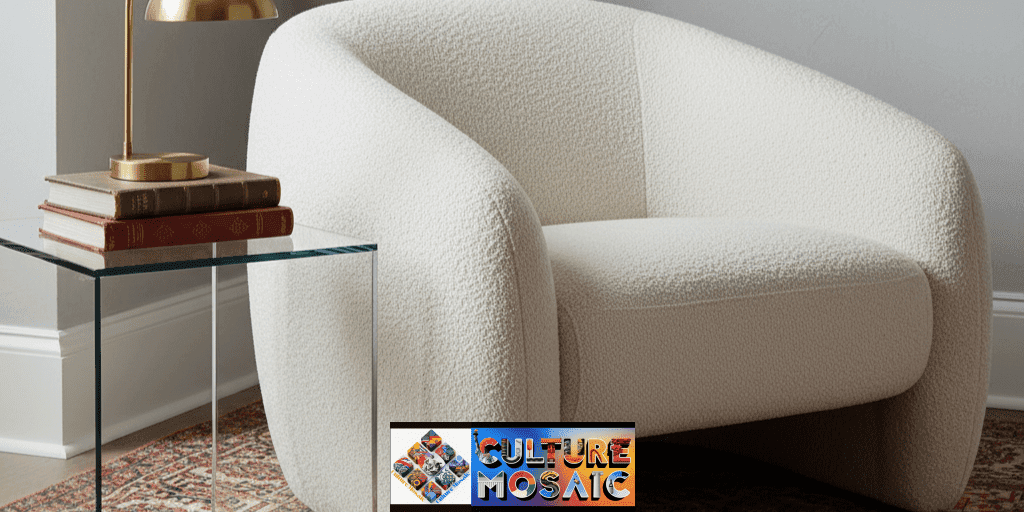
Understanding the principles behind the Modern Heritage living room is what separates a genuinely curated space from one that simply looks like a mix of old and new without intention. Here are the three rules that guide every great example of this style.
Rule 01: The 70/30 Ratio
The most important number in Modern Heritage design is not found on a paint chip or a price tag. It is a ratio: 70 percent contemporary, 30 percent heritage. Get this balance right and your room will feel both liveable and layered. Get it wrong and you will end up with either a showroom or a charity shop.
Here’s how to approach it practically. The 70 percent contemporary side of the equation covers your foundational, high-use pieces. Your sofa, your primary lighting, your media unit, your coffee table. These should feel current and considered. Clean lines, quality materials, a silhouette that is clearly of this decade. Think a low-slung, sculptural velvet sofa in a deep camel or forest green. Think a concrete or travertine-top coffee table with a powder-coated steel frame. These pieces do the heavy lifting in terms of comfort and function, and their modernity creates the visual breathing room the room needs.
The 30 percent heritage side is where the personality comes in. One significant heirloom piece, perhaps a nineteenth-century chest of drawers repurposed as a media unit, a hand-knotted vintage rug from Turkey or Iran, or a gilt-framed landscape painting picked up at an auction. Supporting those are the smaller heritage notes: a pair of ceramic table lamps with a patinated base, a stack of genuine leather-bound books, a brass picture light. These elements should look like they were found, not purchased as part of a set.
The ratio works because it prevents the room from tipping into pastiche. Too much heritage and the space begins to feel heavy, claustrophobic, or like a period drama set. Too much contemporary and you lose the warmth and the story. The 70/30 split creates a natural tension that the eye reads as interesting and the body reads as comfortable. It is also a forgiving framework. If you inherit a beautiful antique armchair, that becomes your hero heritage piece. Everything else adjusts around it. If you are starting from scratch, choose one statement heirloom anchor and build outward from there, keeping the rest clean and modern until the room breathes the way it should.
Rule 02: High-Contrast Materials
The Modern Heritage living room lives or dies on material contrast. A sleek, low velvet sofa should sit beside a rough-hewn wooden coffee table. A smooth plaster wall should be offset by a woven wool throw. Polished unlacquered brass should appear near matte linen. When every material has the same visual weight, the room goes flat. When you deliberately place smooth against rough, or matte against burnished, the eye has somewhere to travel and the room gains energy.
Rule 03: The Patina Check

This is the rule that separates the good from the great. Every Modern Heritage living room needs at least one material that will age and change over time. Unlacquered brass is the most powerful example. When it is new, it is warm and bright. Over months and years, it develops a darker, richer patina that no amount of money can buy instantly. A brass door handle, a pair of candlesticks, or a brass-framed mirror will all do this. Raw copper, untreated leather, and unsealed travertine all follow the same logic. The room grows with you.
Modern Heritage vs. Traditional Rustic: What’s the Difference?
These two styles share DNA but land in completely different places. The easiest way to understand the distinction is to look at the cleanliness of the lines and the intention behind the objects in the room.
| Design Element | Modern Heritage Living Room | Traditional Rustic |
| Lines & Silhouettes | Clean, sculptural, intentional | Chunky, organic, informal |
| Colour Palette | Grounded Neutrals: Espresso, Olive, Cloud Dancer | Warm Browns, Terracotta, Cream |
| Furniture Style | Low-profile modern + one antique anchor | Heavy, distressed, mismatched |
| Clutter Level | Edited and purposeful | Layered and cosy, often maximal |
| Materials | Velvet, travertine, unlacquered brass, linen | Pine, jute, wrought iron, wicker |
| Overall Feel | Sophisticated and considered | Casual and country-inspired |
The 2026 Modern Heritage Toolkit: Your Shopping Checklist
You do not need to buy everything at once. In fact, the best Modern Heritage living rooms are built piece by piece. Use this as a guide for what to prioritise, and where to spend versus save.
- The Sculptural Armchair. Look for bouclé or camel leather. A curved back and tapered wooden leg is the sweet spot between comfort and heritage character.
- The Oversized Landscape Art. Muted oil tones, a heavy frame in aged gold or ebony. This is your wall anchor. Spend here.
- The Hand-Knotted Rug. Aged look, low pile, abstract or traditional geometric pattern. A vintage piece from an auction or a specialist rug dealer is always worth the extra investment.
- The Integrated Smart Lighting. Warm-dim technology lets you shift from bright daylight to a deep amber glow in the evenings. This single technology upgrade transforms the atmosphere of any Modern Heritage space.
- The Heirloom Anchor. One genuinely old piece: an antique chest, a carved wooden mirror, a pair of Victorian sconces. This is the piece the room tells its story through.
Frequently Asked Questions About Modern Heritage Living Room
FAQ 1: Is Modern Heritage the Same as Grandmillennial Style?
No, and the difference matters. Grandmillennial design is warm, layered, and feminine, drawing on chintz fabrics, ruffled edges, and a kind of deliberate “old lady chic.” Modern Heritage is more structured, more masculine in its proportions, and more restrained. Where Grandmillennial embraces maximalism and pattern, Modern Heritage edits ruthlessly and keeps the lines clean. Think of Grandmillennial as your grandmother’s sitting room done beautifully. Think of Modern Heritage as a contemporary architect who happens to own a nineteenth-century chest of drawers.
FAQ 2: Can I Achieve a Modern Heritage Living Room in a Small Apartment?
Absolutely, and small spaces often pull this style off better than large ones. The key is to focus your energy on one single Heirloom Anchor rather than trying to layer multiple heritage pieces into a tight footprint. A vintage hand-knotted rug under a clean, modern sofa is all you need. Add one piece of oversized landscape art and a limewash paint on the main wall, and the apartment will feel far more layered and characterful than its size suggests. Less room means every choice carries more weight, which actually suits this style perfectly.
FAQ 3: What Colours Define the Modern Heritage Palette in 2026?
The 2026 palette for Modern Heritage living rooms centres on what designers are calling the Earth Tone Revolution. We have moved away from the cool, greyed-out neutrals that defined the last ten years and toward warmer, more grounded tones. Espresso (a deep warm brown), Cloud Dancer (a soft off-white with a barely-there warmth), Sage and Olive (dusty, muted greens), and Deep Ochre are the core shades. These are colours that work with candlelight, with aged materials, and with the imperfect, tactile surfaces that define this style.
FAQ 4: How Do I Add Modern Heritage Style on a Budget?
Start with what you already have and look at it differently. A plain painted wall becomes a limewash wall with one tin of paint and an afternoon of work. A functional sofa becomes a heritage-inflected piece with a linen throw and a pair of cushions in a heritage print. Then invest in one genuine vintage piece: browse local auction houses, estate sales, or online platforms like Chairish or Vinterior for a rug, a side table, or a piece of art with real provenance. That one genuine piece will do more for the atmosphere of a room than ten pieces of new furniture designed to look old.
FAQ 5: What Is an “Heirloom Anchor” and Why Does Every Room Need One?
An Heirloom Anchor is the central heritage piece around which the rest of a Modern Heritage living room is organised. It is typically the oldest, most storied, or most visually dominant piece in the space. It could be an antique chest used as a media cabinet, a large gilt-framed oil painting, or a hand-knotted rug from several decades ago. Its purpose is both visual and psychological. Visually, it gives the room a point of focus and a sense of depth that new furniture simply cannot replicate. Psychologically, it tells anyone who enters the room that this space has been thoughtfully assembled, not simply ordered online.
FAQ 6: Why is Modern Heritage trending now?
Digital Fatigue.” In a world saturated by AI-generated perfection, we crave the “crunch” of heavy silk, the scent of real leather, and the visible grain of a 200-million-year-old stone.
Bringing It All Together: The Modern Heritage Living Room in Practice
A Modern Heritage living room is not a style you achieve in a weekend, and that is entirely the point. It is a space you build gradually, adding layers of meaning and material over time. Start with the architecture: a limewash wall or a reclaimed beam makes an immediate and lasting statement. Choose your foundational furniture with care, leaning toward clean lines and quality materials. Then find your Heirloom Anchor, one genuine piece with history in it, and build around that.
The room that results will not look like a showroom or a catalogue page. It will look like the home of someone with genuine taste and a real relationship with the objects in their life. In 2026, that is the most valuable thing a living room can communicate.
About the Author
James Alderton is an interior design consultant and writer based in London, specialising in residential spaces that balance contemporary comfort with material history. With over a decade of experience designing homes across the UK and Europe, James focuses on what he calls “intentional interiors”: rooms that reflect the lives actually lived in them rather than the aesthetic of the moment. Livingetc, House & Garden, and several independent design magazines have all featured his work. You can read more of his work and follow his ongoing projects at www.jamesalderton.design.
 Marcus J. Holloway