
 By Culture Expert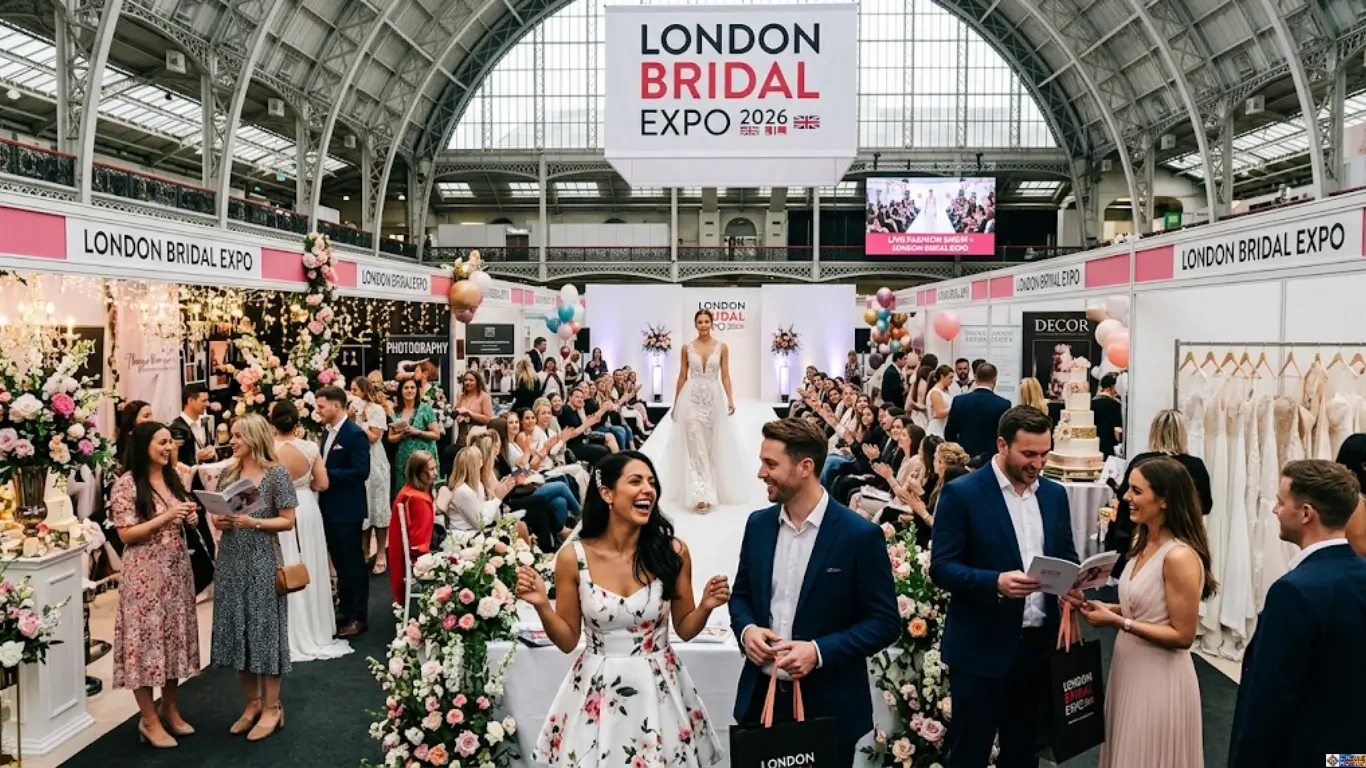
Planning a wedding is one of the most thrilling chapters of your life, but let’s be honest: it can rapidly turn into an overwhelming maze of endless choices, conflicting advice, and budget anxiety. Between scrolling through thousands of venue photos and trying to coordinate dozens of vendors, decision fatigue sets in fast. Where do you even begin when every decision feels high-stakes?
Enter the ultimate cure for wedding stress: the comprehensive world of premier bridal showcases. From regional powerhouses like the London Bridal Expo in Ontario to iconic global gatherings like The National Wedding Show in the UK, stepping into an experiential wedding expo transforms months of frantic planning into a single, joyful, and productive day.
Quick Summary: Key Expo Facts
| Feature | Details & Insider Overview |
| Featured Regional Event | London Bridal Expo (RBC Place London, Ontario) |
| Major UK Sister Expos | The National Wedding Show (London ExCeL / Olympia), Asian Wedding Show |
| Who Should Attend | Engaged couples, wedding parties, family members, and industry planners |
| Key Highlights | Live high-fashion runway shows, exclusive vendor discounts, grand prize giveaways |
| Ticket Options | General Admission ($12–$20 average), VIP Packages with fast-track entry & gift bags |
| Best Time to Go | January (spring/summer planning) & September/October (fall/winter planning) |
What Makes the London Bridal Expo Different?
The term “wedding fair” often brings to mind local vendors crammed into a hotel ballroom. However, attending the London Bridal Expo offers a elevated, immersive experience. It bridges the gap between boutique local artistry and global wedding trends, giving couples direct access to top-tier photographers, florists, cake designers, and couture bridal ateliers under one roof.
Instead of spending weeks exchanging emails and driving to disparate consultations, you can sample wedding cakes, feel the weight of luxury silk gowns, test lighting setups, and negotiate package deals in real time. It shifts the dynamic from passive online research to hands-on, high-value discovery.
THE EXPO ADVANTAGE
Online Search
Hours of scrolling & price ambiguity
Expo Experience
Face-to-face trust & exclusive savings
The Global Threads That Connect Wedding Fashion
Modern wedding fashion is deeply interconnected, blending time-honored cultural heritage with cutting-edge runway trends. When you walk through the aisles of the London Bridal Expo or major UK bridal weeks, you are witnessing an extraordinary global tapestry.
Italian Silk: The Architectural Foundation
Most luxury bridal gowns begin their life cycle in Northern Italy. The region around Lake Como has produced some of the world’s finest silks for centuries. Italian mikado, crepe, and silk zibeline provide the clean, structural integrity necessary for modern architectural silhouettes that hold their shape from the aisle to the final dance.
French Lace: Intricate Craftsmanship
French lace—particularly from historic looms in Calais and Chantilly—remains the gold standard for delicate detailing. These artisanal textiles require intricate precision, yielding heirloom-quality patterns that elevate a simple bodice into a masterpiece.
Global & Cultural Traditions
Wedding fashion draws profound inspiration from diverse heritage customs across the globe. Understanding these roots adds deeper personal meaning to your selection:
- Explore rich historical symbolism through celtic wedding traditions and customs, including handfasting rituals and symbolic knotwork.
- Discover unique ceremonial elements in Native American Cherokee Wedding Traditions and the sacred customs of the Red Clay Tribe Wedding Traditions.
- Delve into classical European roots with Ancient Roman Wedding Traditions, including the symbolic Roman Wedding Night Ritual.
- Uncover royal elegance through Crown Family Wedding Traditions.
- Compare spiritual customs through What Are Christian Wedding Traditions, Mexican Wedding Traditions, Italian Wedding Traditions for Bride, and classic Irish Wedding Traditions.
- Gain broader anthropological insight into global celebrations via Marriage Rituals in Different Cultures Anthropology, Cultural Marriage Traditions, What Traditions Are Common in Weddings, and curated lists of the Best Wedding Traditions Worldwide.
For an in-depth exploration of how world cultures celebrate union, visit Culture mosaic.
Top Trends Emerging from Recent Expos
Expos serve as the launching pad for upcoming wedding seasons. Couples attending events across Ontario and the UK this year can expect several prominent trends dominating the floor:
KEY TRENDS ON THE EXPO RUNWAY
- Convertible & Detachable Gowns: Versatile silhouettes and removable layers
- Bold & Pearl-Encrusted Veils: Statement headpieces and pop-of-color accents
- Sustainable & Circular Fashion: Eco-conscious silks, upcycled lace, and rentals
- Micro-Interactions & Live Art: Interactive guest experiences and live fashion sketching
- Detachable Everything: Versatility is king. Brides are opting for convertible gowns featuring removable puffed sleeves, detachable overskirts, and dramatic cape attachments that transform a traditional ceremony look into a sleek reception outfit.
- Colored Veils & Unexpected Accents: Soft champagne, blush, powder blue, and pearl-encrusted veils are taking center stage, adding a pop of personality to classic white gowns.
- Sustainable Luxury: Circular wedding fashion is accelerating. Designers are actively showcasing gowns crafted from certified organic silks, recycled laces, and repurposed heirloom fabrics.
Comparing Major Wedding Expos: Ontario vs. UK
Whether you are booking london bridal expo tickets in Ontario or planning a trip to major UK showcases, each event offers distinct scales and highlights.
| Event Name | Location | Primary Focus & Highlights | Typical Timing |
| London Bridal Expo | RBC Place London, Ontario | Regional hub, local vendor connections, interactive runway shows, door prizes | Early January / Fall |
| The National Wedding Show | ExCeL London / Olympia London | Largest UK wedding fair, hundreds of brands, catwalk displays, VIP lounges | Spring & Autumn |
| Asian Wedding Show | London / Birmingham, UK | Luxury South Asian bridal couture, ornate jewelry, elaborate decor setups | Late Autumn / Winter |
| Regional Bridal Shows Ontario | Toronto, Hamilton, Ottawa | Niche boutique suppliers, local venue showcases, intimate planner networking | Throughout Spring |
Insider Hacks: How to Maximize Your Expo Visit
To get the most out of your ticket purchase and avoid feeling overwhelmed on the exhibition floor, keep these expert strategies in mind:
- Create a Dedicated Wedding Email: Set up a separate email address specifically for wedding registrations and vendor inquiries. This keeps your personal inbox clean and organized.
- Pre-Print Address Labels: Bring pre-printed sticker labels with your name, email, wedding date, and venue. You can stick them directly onto vendor contest entry forms in seconds.
- Target Your Must-Haves: Review the vendor map before you arrive. Prioritize the high-demand categories—such as venues, photographers, and key planners—before exploring decor and favors.
- Leverage Expo-Exclusive Discounts: Many exhibitors offer substantial booking discounts if you reserve their services during the show weekend or within seven days following the event.
Frequently Asked Questions
What wedding fairs are happening in London?
In London, Ontario, the premier showcase is the London Bridal Expo, hosted annually at RBC Place London. In London, UK, major events include the national wedding show at ExCeL London and Olympia London, alongside specialized showcases like the asian wedding show 2026 and London Bridal Week.
Is there a wedding show in March 2026?
Yes, March is a peak season for spring wedding fairs. Across the UK and Canada, numerous regional bridal shows ontario 2026 and UK spring expos run throughout March, catering to couples finalizing their details for summer and autumn weddings.
What is the largest wedding fair in the UK?
The National Wedding Show is widely recognized as the largest wedding fair in the UK. Held across major venues like London ExCeL, London Olympia, and the NEC Birmingham, it brings together hundreds of exhibitors, high-fashion runway shows, and thousands of visitors per weekend.
What can I expect when attending the London Bridal Expo in Ontario?
Attending the bridal expo london ontario gives you direct access to top regional wedding professionals, live runway displays showcasing seasonal gown collections, interactive tasting stations, floral design showcases, and thousands of dollars in potential door prizes and venue credits.
How do I purchase London Bridal Expo tickets?
You can purchase london bridal expo tickets directly online through the official event website or at the door on show days. Purchasing online in advance often grants discounted admission rates and fast-track entry privileges.
Verifiable Sources & Reference Links
- Official Event Portal: London Bridal Expo Official Site
- UK Exhibition Hubs: ExCeL London Event Calendar & The National Wedding Show
- Cultural History & Heritage: Culture Mosaic Library