
 By Culture Expert
Tracing the Flavorful Voyage: The Evolution of Italian Cuisine from Ancient Times to Global Fame
“A country is not defined by its boundaries, but by its recipes.”
— Italian Proverbial Philosophy
I want to start with something that genuinely bothers me about the way Italian food gets discussed. Ask anyone on the street what they picture and you get the same three answers: spaghetti pomodoro, Margherita pizza, tiramisu. Fair enough. But if you could somehow go back three centuries — even two — none of those dishes existed on the Italian peninsula in any form we would recognize today. Zero. The tomato was considered poisonous ornamental shrubbery. Pasta was a niche coastal product. Tiramisu dates, depending on which regional historian you believe, to somewhere between the 1960s and the 1980s.
So when someone asks me, what is the history of Italian cuisine, I always take a breath before answering. Because the honest answer is: it is one of the strangest, most contingent, most politically fractured culinary stories in human history. It is not a story of ancient, unchanging tradition. It is a story of migration, conquest, botanic revolution, crushing poverty, and one extraordinary middle-class food writer who stitched twenty warring regional identities into something resembling a shared national table. That is the story I am going to tell you. Honestly. With the rough edges left in.
The Mediterranean Triad: Where the History of Italian Cuisine Actually Begins
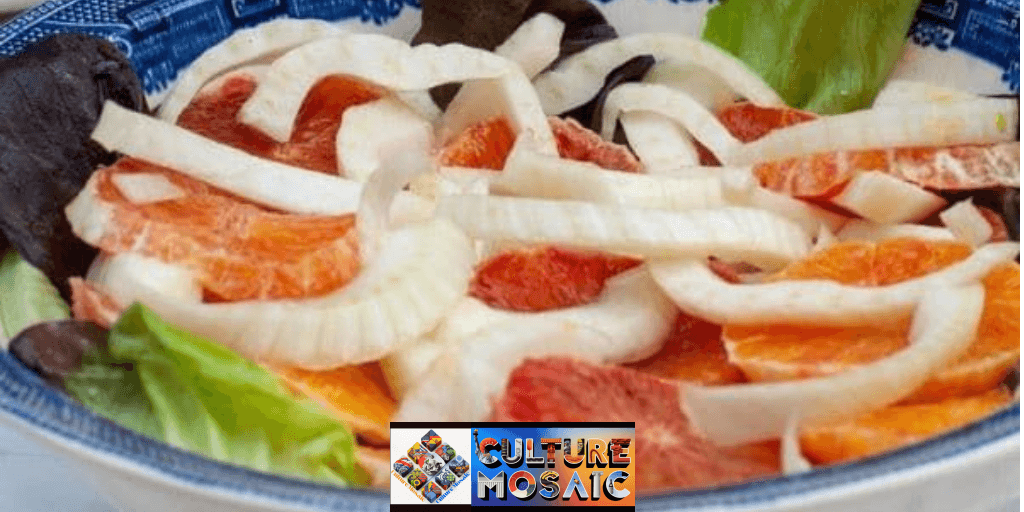
Before Rome was Rome, the staple architecture of the Italian plate was already in place. Wheat, olive oil, and wine — three crops the climate of the peninsula made almost absurdly easy to grow — formed what historians call the Mediterranean triad. Every subsequent century of Italian culinary development is, at its core, a long argument about what you do with those three foundational things.
I find it clarifying to think of these not as ingredients but as infrastructure. The olive grove is not a food source; it is a civilizational technology. The same goes for the vineyard. Once that infrastructure was embedded in the landscape, it became nearly impossible to dislodge — and it has not been dislodged in three thousand years.
Roman Cooking and the Flavors That Have Been Forgotten
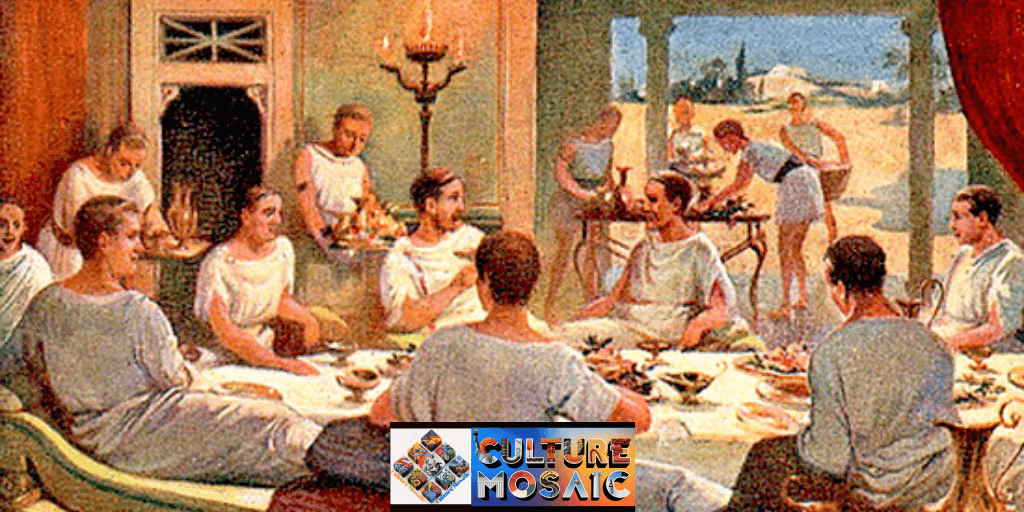
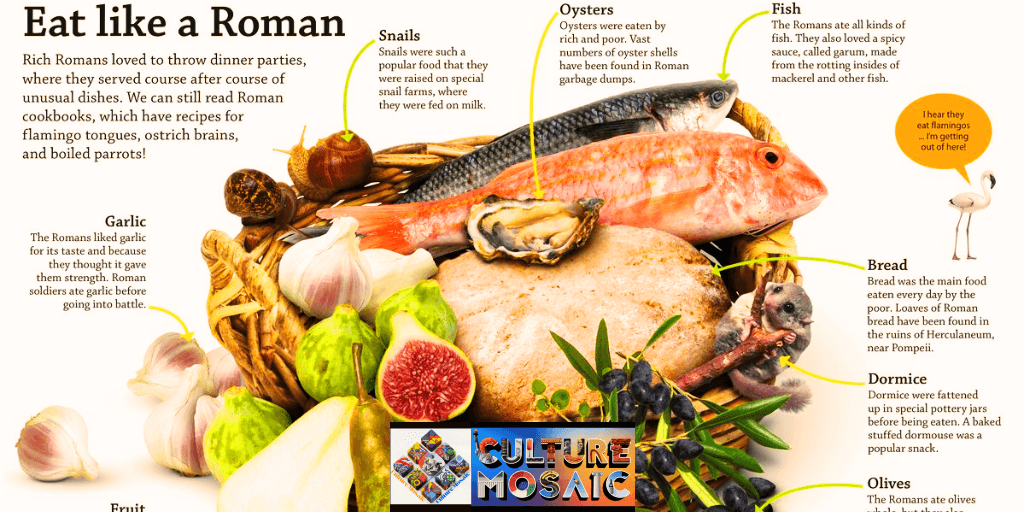
Here is where things get strange and interesting. Ancient Roman cooking, particularly at the elite level, tasted almost nothing like what we now call Italian food. The flavor profile was built on sharp contrasts: sweet and sour in the same dish, brine layered over honey, roasted meat drenched in garum. Garum.
You hear that word and it sounds exotic, almost clinical. The text describes fermented fish sauce as the ancient world’s answer to umami. It was used similarly to how we use salt and Parmigiano today: liberally and without apology. Elite Romans put it on almost everything. The daily soldier’s diet, meanwhile, was built on puls: a dense, stiff farro porridge that would be completely unrecognizable to a modern Italian nonno but which fueled the expansion of an empire.
For more context on how these ancient techniques survived through living cultural memory, see our piece on Heritage Cooking Techniques.
The Arab Influx: The Moment Italian Food History Truly Changes
If I had to identify the single most important period in understanding what is the history of Italian cuisine, I would point not to Rome or the Renaissance but to the Arab conquest of Sicily occurred in the 9th century. It is not glamorous. It does not have a famous chef attached to it. But it rewired the agricultural system of southern Italy in ways that are still completely visible today.
Arab agronomists brought sophisticated irrigation techniques that made arid land productive. They introduced citrus fruits, spinach, artichokes, sugar cane, saffron, and — most critically for this story — they brought or dramatically accelerated the production of itriyya, the dried durable flour-and-water noodles that would eventually evolve into modern dried pasta.
That word itriyya shows up in Arabic lexicons as early as the 9th century. By the 12th century, a geographer named Al-Idrisi was describing pasta factories in Trabia, near Palermo, producing dried noodles for export across the Mediterranean. This is not a folk legend. This is documented.
The Silk Road and Medieval Trade Routes as Culinary Highways
Sicily under Arab rule was not an isolated experiment. It was a node in a vast trade network that stretched east to Persia and India and west to North Africa and the Iberian Peninsula. Spices moved through those routes. So did techniques. So did seeds.
The flavors of medieval southern Italian cooking — sharp with citrus, sweet with dried fruit, golden with saffron — still echo in dishes like caponata and pasta con le sarde. You taste a thousand years of trade history in a single mouthful, if you know what you are listening for. This layered story is central to understanding Italian Culinary Traditions through the lens of exchange rather than national pride.
The Renaissance Table: When Italian Cuisine Became Theatre
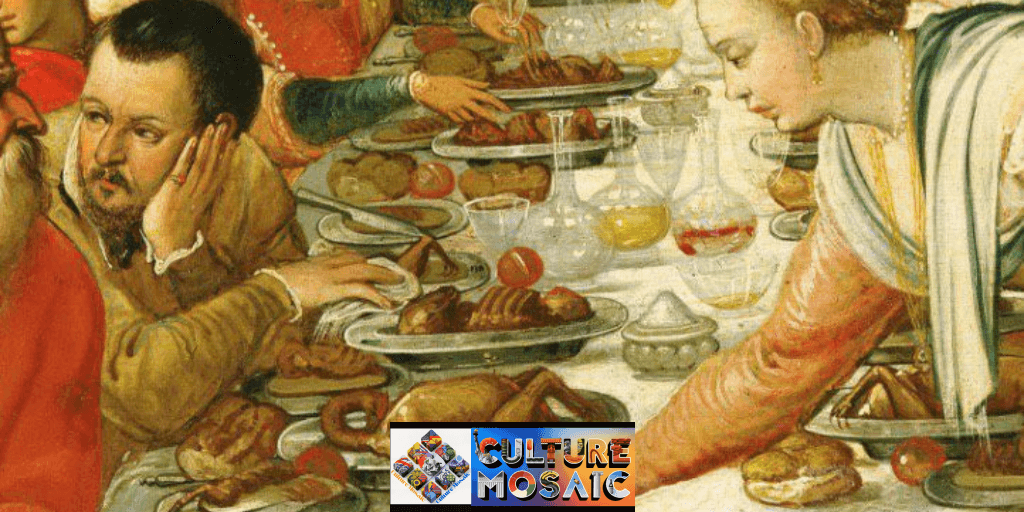
By the 15th and 16th centuries, the wealthy city-states of Florence, Venice, and Rome had turned dining into competitive performance. Not just eating. Performance. The number of courses, the presentation of each dish, the hierarchy of seating, the type of vessel you were served from — all of it communicated power. The kitchen had become a political instrument.
Bartolomeo Scappi, the private cook to several popes, published his landmark Opera in 1570: a six-volume work containing over a thousand recipes and detailed engravings of kitchen equipment. It is one of the most extraordinary documents in the history of European food.
Scappi’s recipes show a kitchen that is theatrical, technically demanding, and heavily influenced by sugar — which was then luxury goods-level expensive and used to demonstrate wealth in a way that is genuinely hard to communicate to a modern reader.
Catherine de’ Medici and the Myth of Italian Influence on French Cuisine
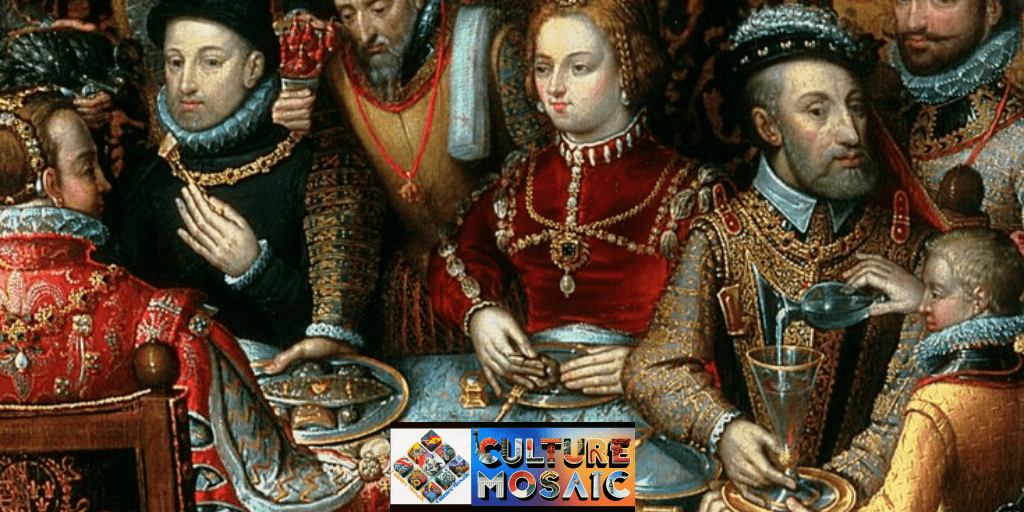
I am going to be careful here, because this is a story that has been overstated and then overcorrected in equal measure. When Catherine de’ Medici moved from Florence to France in 1533 to marry the future King Henry II, she brought her household staff — including Italian cooks and pastry makers. The French food-history establishment has spent decades insisting that this event has been exaggerated, that French cuisine developed independently.
I think both sides are partly right. Catherine did not invent French cuisine. But the cultural transfer was real. Early puff pastry techniques, the systematic use of the dinner fork as a social norm, refinements in sauce work — these moved with Italian courtly culture northward. The specific mechanisms of transmission are messy and hotly contested. The broad direction of influence, less so.
The Columbian Exchange and the Tomato: Italian Food History’s Greatest Irony
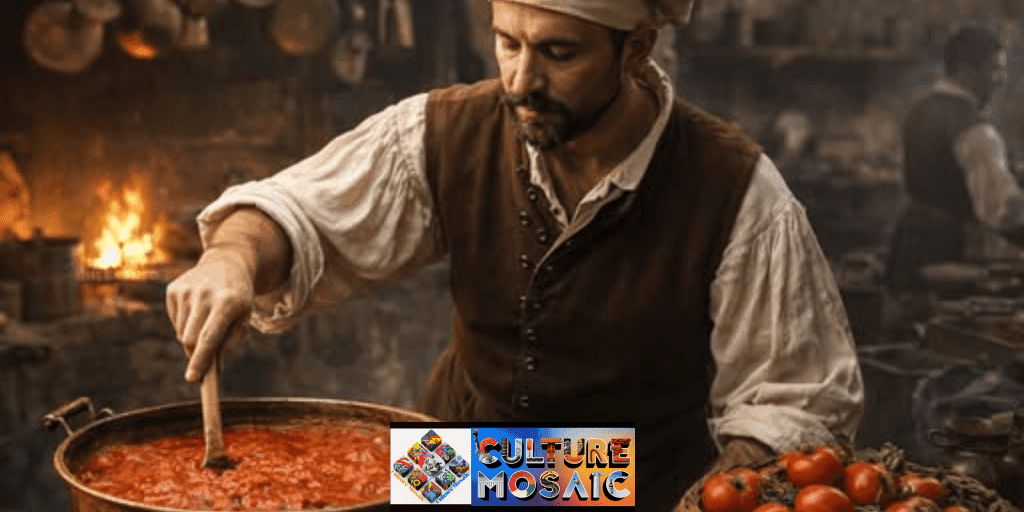
You already know this one, but it still gets me every time I think about it. The most recognizable ingredient in Italian cooking is a foreigner. A complete outsider. The tomato is a native of South America, and it arrived on the Italian peninsula via Spanish ships returning from the New World in the 16th century.
For roughly 200 years after its arrival, Italians were deeply suspicious of it. It belongs to the nightshade family. Eating it was considered dangerous by educated people. It was grown as an ornamental plant in botanical gardens. The rich stayed well away from it.
The poor did not have that luxury. In the late 18th century, in the densely packed, chronically hungry streets of Naples, home cooks began pressing tomatoes onto flatbread and mixing them with dried pasta out of sheer economic necessity. The fruit was free, plentiful, and surprisingly good.
From necessity came what we now call the marinara sauce, and from the same logic came the Neapolitan pizza. The Margherita — topped with tomato, mozzarella, and basil — was famously presented to Queen Margherita of Savoy in 1889, codifying a street food into something with a royal name. For a broader account of how the Dining Rituals of the poor eventually reshaped global taste, the connections run deeper than most food writers acknowledge.
Corn, Potatoes, and the Northern Agricultural Revolution
The tomato is the most famous ingredient, but the Columbian Exchange significantly transformed northern Italy through the introduction of corn as well. Polenta was not always made from corn — earlier versions used farro, spelt, or chestnut flour. Corn from the New World was denser, easier to grow in volume, and dramatically more caloric per acre. It swept through the Po Valley in the 17th century and became the daily staple of northern peasant life for the next two hundred years.
The catch was nutritional. Corn-heavy diets lacking niacin caused widespread pellagra — a devastating deficiency disease — across northern Italy well into the 20th century. Poverty has consequences, and those consequences are written into food history.
The North-South Divide: Two Italies, Two Cuisines
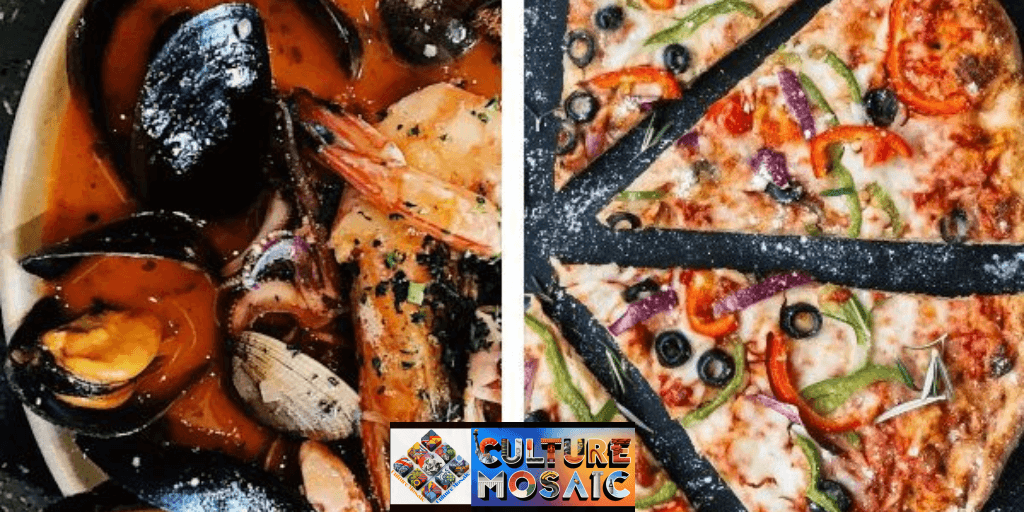
Understanding what is the history of Italian cuisine means accepting that there has never been a single Italian cuisine. There have always been at least two, with a hard geological and cultural border running roughly along the line where butter replaces olive oil and rice competes with pasta.
Northern Italian cooking is built on short-grain rice (risotto, made with Carnaroli or Arborio), corn (polenta), butter, and cow’s milk cheeses: Parmigiano-Reggiano, Grana Padano, Taleggio. The influence is alpine, with clear threads of Germanic, French, and Austro-Hungarian flavor in Friuli, Trentino, and the Veneto.
Southern Italian cooking is something else entirely: durum wheat pasta, olive oil, sheep’s cheese (Pecorino), preserved meats, nightshades, dried legumes, and the produce of a hot and parched landscape. It is leaner, sharper, more acidic. It is also the food that most of the world, through immigration, came to associate with the word “Italian.”
Regional Identity as Culinary Identity: Why Your Nonna’s Recipe Is Non-Negotiable
In Italy, asking who makes the best ragù is not a philosophical question. It is a fight. Bolognese maintains that the only real ragù contains no tomato, just meat, soffritto, and white wine. Naples insists on slow-cooked tomato and pork. They are both entirely correct within their own traditions, and each tradition is the result of centuries of specific geography, specific agriculture, and specific economic conditions.
This hyper-local identity is not provincialism. It is the accumulated intelligence of a landscape telling you what it can actually grow and how to use it.
Pellegrino Artusi and the Birth of a National Menu
Italy unified as a nation-state in 1861. For centuries before that, it had been a patchwork of kingdoms, papal states, duchies, and foreign occupations. The Venetians ate like Venetians. The Sicilians ate like Sicilians. Nobody ate like an “Italian,” because that category barely existed as a lived identity.
The man who, more than any politician or general, created a shared national food culture was Pellegrino Artusi: a retired Florentine silk merchant with a serious appetite and a gift for clear prose. His 1891 book La scienza in cucina e l’arte di mangiar bene (“Science in the Kitchen and the Art of Eating Well”) collected 790 recipes from across the newly unified country, written in accessible unified Italian at a time when most Italians still primarily spoke regional dialects.
Artusi traveled, tasted, corresponded with home cooks across the peninsula, and field-tested everything in his own kitchen before publishing. The book was initially rejected by every major publisher and printed at his own expense. It went on to become the most reprinted Italian book of the 19th and 20th centuries after the Bible. I have a copy of this note on my desk. It is still readable, still useful, and still occasionally correct when modern culinary fashion has made a wrong turn.
Cucina Povera: The Kitchen of Poverty That Became the World’s Favorite Food
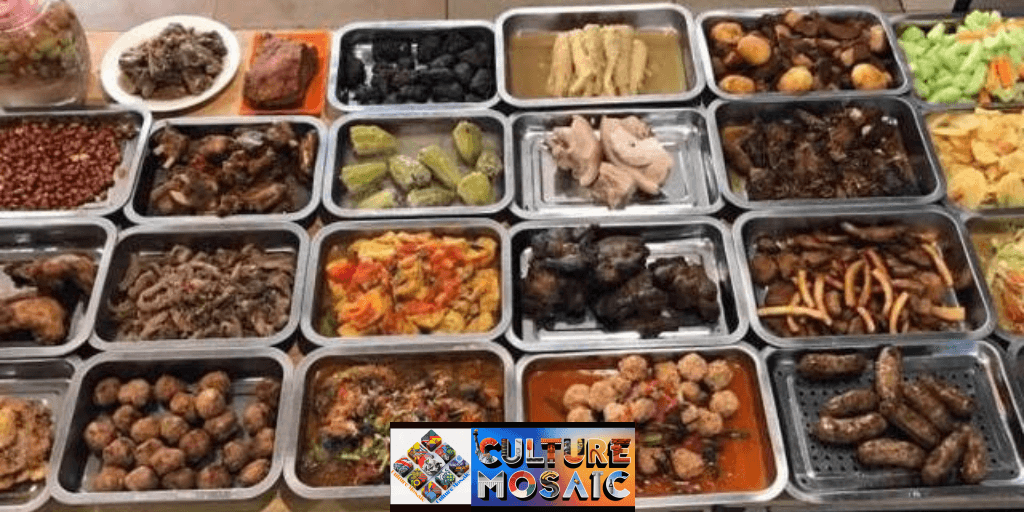
There is a tendency in food writing to romanticize cucina povera — the kitchen of the poor — as some kind of rustic wisdom. I understand the impulse, but I want to push back on it slightly, because it papers over real suffering.
Cacio e Pepe was not invented because Roman shepherds were inspired minimalists. It was invented because shepherds carrying aged Pecorino and dried pepper as their only portable provisions needed something to eat at the end of a long walk and had nothing else. Ribollita in Tuscany is peasant bread soup re-boiled because bread was too precious to waste even when stale.
Pasta e fagioli stretched a handful of legumes to feed a family. These dishes are extraordinary. The techniques behind them are genuinely ingenious — using pasta water, using the fat from cured pork, using acid from wine or tomato to stretch flavor from very little. But we should honor them honestly, as products of hardship turned into art, not as lifestyle aesthetics divorced from their original conditions. Our collection of Regenerative Heritage Recipes approaches this with the necessary weight.
Fermentation, Preservation, and the Technology of Scarcity
One of the most underappreciated threads in the history of Italian cuisine is fermentation and preservation. Before refrigeration, keeping food edible was the primary technical challenge of every kitchen, and Italian regional traditions solved it in remarkably diverse ways:
- Salumi: The dry-cured pork tradition of Emilia-Romagna and Tuscany, using salt, air, and time to transform a slaughtered animal into months of stable protein.
- Aged Hard Cheeses: Parmigiano-Reggiano’s minimum twelve-month aging requirement was not born of a subtle taste preference. It was engineered to construct a shelf-stable, dense calorie vault.
- Bottarga: The salt-cured fish roe of Sardinia and Sicily — a brilliant Mediterranean solution providing portable, durable sea-protein for a region that could not always count on the sea being calm enough to fish.
The Global Fermentation Food Trends piece contextualizes these within the broader arc of how preservation cultures reshaped world food.
The Post-War Diaspora and the Creation of “Italian-American” Cuisine
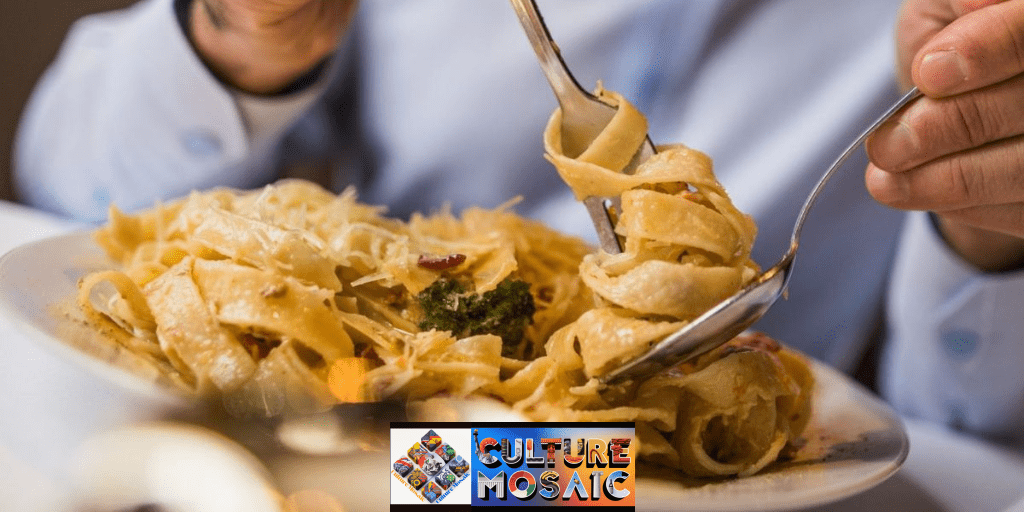
The global image of Italian food was not built in Italy. It was built in the tenement kitchens of New York, Chicago, Boston, and San Francisco, by immigrants who arrived from the late 19th century onward — predominantly from the impoverished south — and began cooking their ancestral dishes in a country where ingredients were different and quantities were not a constraint in quite the same way.
Spaghetti with meatballs: not a dish you will find in traditional Neapolitan cooking. It is an Italian-American creation, born from the abundance of cheap beef in New World markets and adapted to a new appetite. Fettuccine Alfredo: a real Roman dish, yes, but one that was amplified and transformed in American restaurants into something its creator Alfredo di Lelio would barely recognize.
These are not corruptions of Italian food. They are genuine evolutions of Italian food in a new geography — and understanding the Modern Culinary Traditions they seeded is essential to any honest account of what is the history of Italian cuisine.
The 20th Century: Industrialization, the Miracle, and the Slow Food Response
Italy’s post-war economic miracle of the 1950s and 60s brought industrialization into the food system in ways that were, frankly, mixed. Industrial pasta factories standardized a product that had been handmade and regionally specific. Canned tomatoes and factory bread became household staples. The internal migration from south to north — millions of Italians moving to Turin and Milan to work in factories — scrambled regional food traditions in ways that are still playing out.
The response, when it came, was characteristically Italian: a social movement. Carlo Petrini founded Slow Food in 1989 in Bra, Piedmont, as a direct protest against the opening of a McDonald’s near the Spanish Steps in Rome. It began as an act of cultural defensiveness and grew into a genuinely serious international organization dedicated to biodiversity, traditional production methods, and the dignification of small-scale food producers.
DOP and IGP Designations: Codifying Terroir into Law
One of the most practically significant developments in recent Italian food history has been the creation of Protected Designation of Origin (DOP) and Protected Geographical Indication (IGP) frameworks, implemented through European Union law from 1992 onward. These are legally enforceable protections that dictate where and how specific products can be made. Parmigiano-Reggiano must be produced in a specific zone of Emilia-Romagna.
Prosciutto di Parma must come from Parma and must be made according to specific curing protocols. True Neapolitan pizza received its own protection in 2010. This matters because it enshrines regional culinary identity into legal infrastructure, making it much harder for commercial producers to use famous Italian names on inferior imitations. It is, in effect, the state acknowledging that Traditional Cooking Methods in Italy carry economic and cultural value worth protecting in law.
What Is the History of Italian Cuisine Today? The Living Archive
Here is where I find myself genuinely uncertain, which I think is the right response to the current moment. Italian cuisine is under more simultaneous pressures than at any point in the last century: climate change is altering the growing conditions for olive oil and wine, the traditional knowledge embedded in regional Italian Culinary Traditions is aging out of living memory, and the global food system exerts constant homogenizing pressure.
At the same time, there is real creative energy. Young Italian chefs are doing serious, rigorous work with forgotten ingredients and ancient techniques. The fermentation revival has reached Italy with particular intensity, giving new life to traditional preserved foods. And the growing scholarly field of culinary anthropology is producing genuinely good work on the history that previous generations either took for granted or actively suppressed.
I am cautiously optimistic. However, I suppose that is something I would say, isn’t it?
FAQs: What Is the History of Italian Cuisine?
Expert answers drawing on primary historical archives and current food scholarship.
When did pasta actually become a staple in Italy?
Fresh pasta variants existed in Etruscan and Roman eras, but dried pasta became a major economic force between the 11th and 14th centuries, concentrated in Sicily and Naples where coastal drying winds and active Mediterranean ports made large-scale production viable. Arabic historical sources from the 9th century explicitly reference itriyya — dried flour noodles — and Al-Idrisi documented factories near Palermo producing them for export by the 12th century.
The ingredient became genuinely universal across the peninsula only after the 18th century, when improved milling technology drove down production costs and made dried pasta accessible to inland rural populations who had previously relied on grain porridge or fresh dough.
What is the true origin of pizza?
While seasoned flatbreads appear across ancient Mediterranean civilizations, the modern pizza triad — leavened dough, tomato sauce, and cheese — was born in Naples during the late 18th century as affordable sustenance for the urban poor. Because tomatoes were widely feared as toxic nightshades until this era, older flatbread iterations were fundamentally different products.
The classic Margherita configuration was codified by pizzaiolo Raffaele Esposito in 1889 to honor a royal visit from Queen Margherita of Savoy, giving a street food its first aristocratic name. Neapolitan pizza subsequently received EU Protected Geographical Indication status in 2010, legally enshrining specific dough, tomato, and baking requirements.
Why is Italian cooking so ingredient-focused rather than technique-heavy?
This is rooted in the structural logic of cucina povera: when financial resources are scarce, cooks learn to amplify each ingredient rather than blend many into a complex sauce. Combined with microclimates that yield genuinely outstanding produce — San Marzano tomatoes grown in volcanic soil, alpine milks aged at altitude — the raw product required minimal manipulation to achieve depth.
The four-to-five-ingredient rule found in so many classic Italian dishes reflects not laziness but a coherent aesthetic position: more ingredients obscure individual quality. Modern Italian cooking, particularly from the second half of the 20th century, consciously reinforced this philosophy in reaction to over-complicated restaurant trends.
How did regional geography physically shape Italian food traditions?
The spine of the Apennine mountain range structurally bisected the peninsula, forming isolated valleys where separate micro-economies developed entirely distinct cooking practices over centuries. The northern Po plain naturally favored short-grain rice (risotto) and dairy cows (butter, Parmigiano), while parched southern landscapes demanded drought-resistant olive groves and hard durum wheat for dried pasta.
Long coastlines on multiple sides created seafood-dominant regional traditions built on short fishing cycles and aggressive preservation. Mountainous interior communities, cut off from coastal trade, developed intensive curing and fermentation strategies as engineering solutions to the transport problem — producing the salumi and aged cheese traditions we now regard as among the finest food products on earth.
What did the post-war Italian-American diaspora contribute to global food culture?
Italian-American cuisine is an authentic, independent culinary lineage rather than a corrupted copy of domestic food styles. When waves of southern Italian immigrants arrived in major American cities from the late 19th century onward, they encountered cheap and abundant beef in quantities unknown at home.
This economic shift transformed old-world preservation techniques and minimal-meat traditions into abundant new forms: spaghetti with meatballs, baked ziti, garlic bread, chicken parmesan.
Crucially, these communities also preserved regional dishes and flavor memories that were actively being erased in post-war industrial Italy. The global perception of what Italian food looks and tastes like is, to a very large degree, an Italian-American invention — and that invention deserves to be understood as creative rather than derivative.
Further Reading
For a broader look at how shared meals function as social infrastructure, read our archival analysis on Dining Rituals as social technology. To explore the technical mechanics behind historic production methods, see Heritage Cooking Techniques. For the full recipe archive built from these traditions, browse our Regenerative Heritage Recipes. A comparative overview of how what is the history of Italian cuisine connects to the broader Mediterranean arc is available via the Escoffier resource library. All recipes and structural narratives referenced in this feature sit within the live digital database maintained at Culture Mosaic.