
 By Culture Expert
I’ve been working with heritage sites for fifteen years, and I can tell you—the transformation I’ve witnessed has been nothing short of remarkable. Contemporary heritage art changed everything about how we think about cultural preservation.
Remember visiting historic houses as a kid? All that “don’t touch” energy, the velvet ropes, the feeling that everything meaningful happened before you were born? Contemporary heritage art throws that whole approach out the window.
What Contemporary Heritage Art Actually Means
Here’s the thing: contemporary heritage art isn’t about making pretty pictures of old buildings. It’s artists grabbing their cultural inheritance—traditions, stories, painful histories, all of it—and wrestling with what it means today.
I’ve watched artists spend six months in archive basements, emerging with one photograph or letter that becomes the seed for an entire installation. They’re not reproducing what they find. They’re interrogating it. Challenging it. Sometimes honoring it, sometimes tearing it apart.
The best contemporary heritage art makes you uncomfortable in the right ways. It asks questions nobody wanted to answer about whose stories got preserved and whose got erased.
The 90s Revolution Nobody Saw Coming
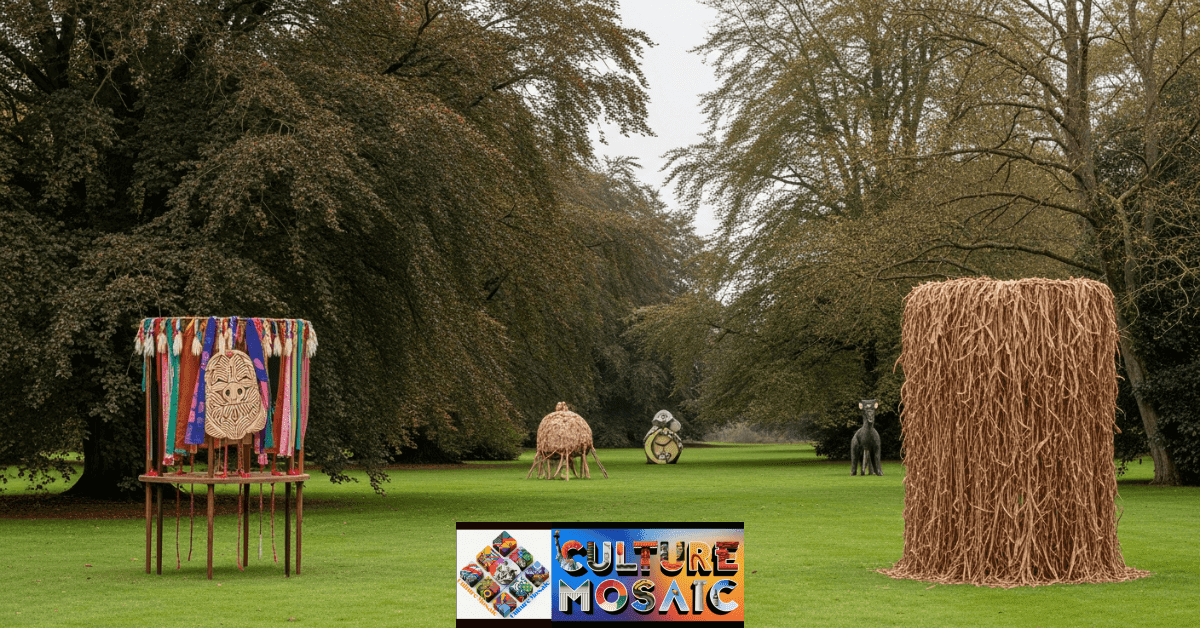
I wasn’t around for this, but colleagues who were there tell me the early days felt genuinely risky. The National Trust and similar organizations were desperate. Their properties were beautiful but basically irrelevant to anyone under retirement age.
So they started inviting artists to create new work in these spaces. Not historical recreations—actual contemporary heritage art that had never existed before.
The first projects were controversial as hell. Trustees complained. Donors threatened to pull funding. But visitor numbers started climbing. Suddenly teenagers were dragging their parents to see installations at country estates. Contemporary heritage art proved you could respect history while making it breathe again.
Artists Stopped Performing Their Cultures
The bigger shift happened when artists from marginalized communities got tired of being exotic curiosities. Indigenous artists, diaspora communities, immigrants—they were sick of heritage organizations treating their traditions like museum specimens.
Contemporary heritage art became their tool for reclaiming narratives. Instead of white curators explaining their cultures to audiences, artists started speaking for themselves. The power dynamic flipped, and heritage interpretation has never been the same.
Why Contemporary Heritage Art Hits Different
It’s Personal as Hell
Every artist I’ve worked with in contemporary heritage art is processing something. Identity confusion. Cultural dislocation. Generational trauma. The need to understand where they come from.
I worked with a Korean-American artist last year who’d never learned her grandmother’s language. She created this contemporary heritage art piece using traditional bojagi textile techniques her grandmother tried teaching her as a child. The work was about loss and disconnection, but also about trying to rebuild broken threads.
That vulnerability makes contemporary heritage art powerful. Audiences recognize themselves in that struggle to connect with heritage that feels simultaneously theirs and not theirs.
Location Is Everything
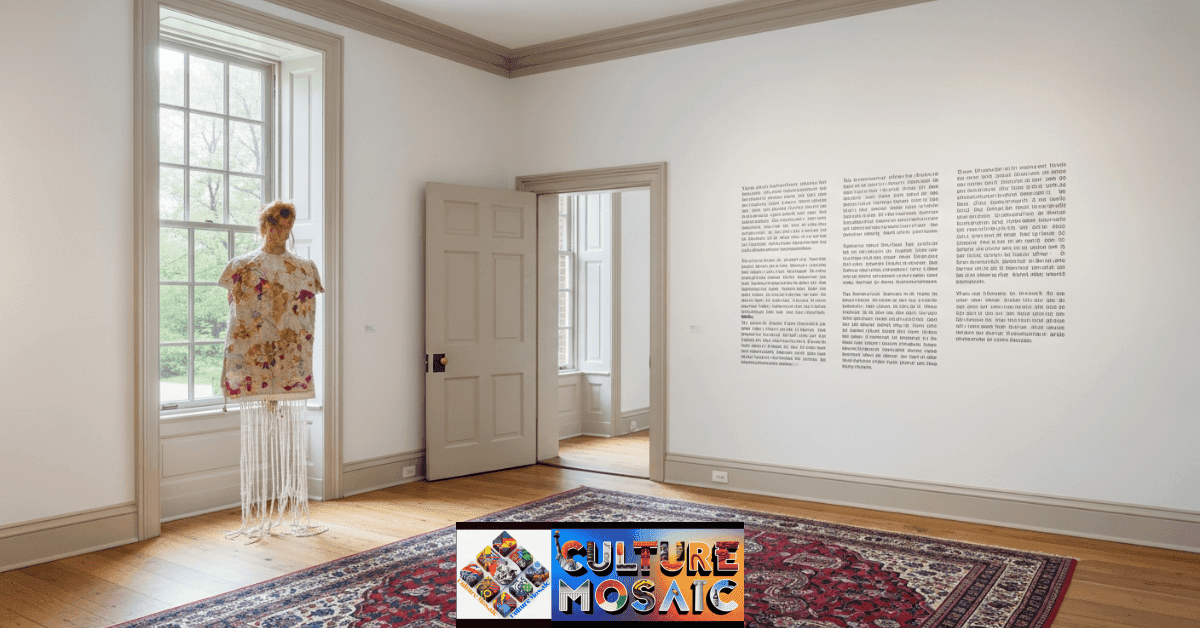
Most contemporary heritage art only makes sense in one specific place. I’ve seen installations designed for particular rooms in historic houses where the architecture, the light, the documented events that happened there—all of it feeds into the work’s meaning.
You couldn’t move these pieces to a white-cube gallery without losing what makes them significant. Contemporary heritage art roots itself in place, making you see familiar locations with completely fresh eyes.
Old Skills Meet Urgent Issues
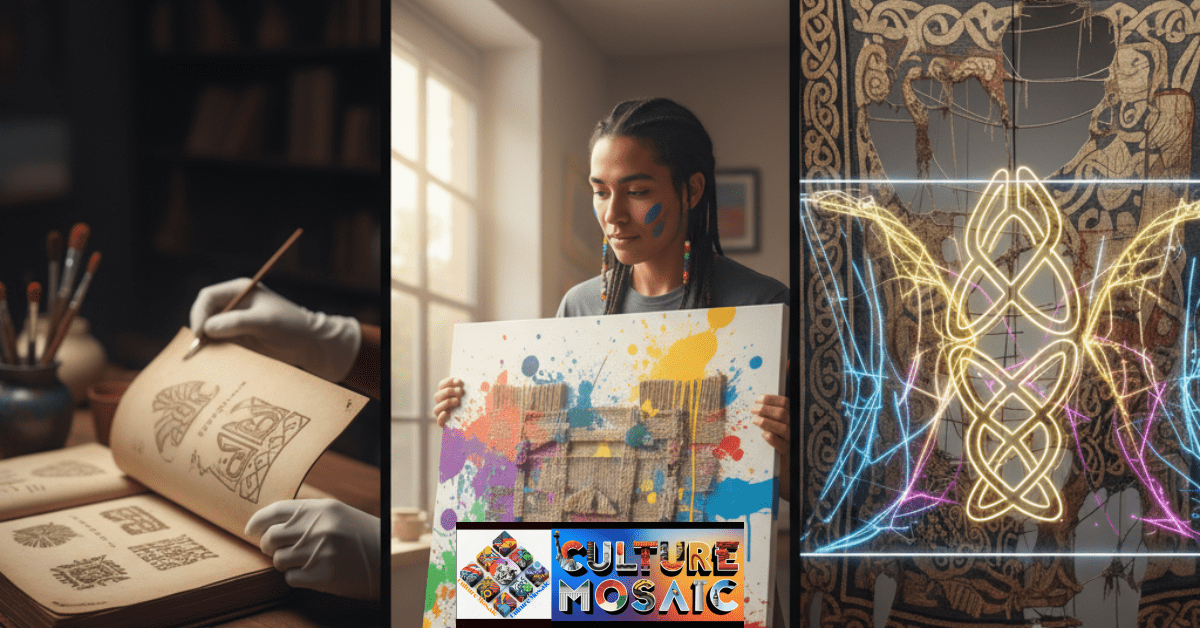
Don’t assume contemporary heritage art abandons traditional techniques. I know artists who’ve spent years learning Indigenous weaving methods, ancient metalworking, historical dyeing processes—then use these skills to comment on climate change, surveillance technology, immigration policy.
The juxtaposition creates friction. Contemporary heritage art shows that traditional knowledge isn’t quaint nostalgia—it’s a living toolkit for engaging with modern problems.
Why Heritage Sites Can’t Get Enough of This
Numbers Don’t Lie
Heritage directors are pragmatists. They need visitors to justify budgets and prove community value. Contemporary heritage art delivers audiences that traditional programming can’t reach.
I’ve seen heritage sites triple their under-35 attendance after launching contemporary heritage art programs. These aren’t people who normally visit historic properties. But put a compelling installation in an old mansion and suddenly they’re interested.
This matters because heritage organizations have educational missions. Contemporary heritage art gives them a viable strategy for actually reaching diverse audiences instead of just talking about it in strategic plans.
The Uncomfortable Truths Come Out
This is where contemporary heritage art gets controversial and absolutely necessary. Heritage sites have histories they’d rather not discuss. Wealth built on slavery. Labor exploitation. Colonial violence. Displacement of indigenous communities.
Traditional heritage interpretation either ignored these stories or presented them so blandly they lost all impact. Contemporary heritage art doesn’t let audiences off the hook. Artists create work that forces confrontation with difficult histories.
I’ve watched visitors cry in front of contemporary heritage art installations addressing plantation histories. That emotional response matters more than any educational label text ever could.
Money Talks
Bluntly: successful contemporary heritage art programs generate economic impact politicians and funders notice. High-profile installations bring tourists, media coverage, and regional economic benefits.
When a heritage site can show that contemporary heritage art increased regional tourism revenue by significant percentages, suddenly funding conversations get easier. Economic arguments open doors that purely cultural arguments can’t.
The Creative Process Behind Contemporary Heritage Art
Archive Diving Gets Intense
Artists creating contemporary heritage art treat archives differently than historians do. I’ve sat with them for hours while they photograph documents, sketch details, fill notebooks with observations. They’re not gathering facts—they’re hunting sparks.
Last summer I watched an artist discover a single line in an 1890s ledger about servants’ wages. That one sentence became a year-long contemporary heritage art project examining domestic labor and class divisions. The archive wasn’t just background research. It was raw material for creative transformation.
The Right Questions Matter More
Contemporary heritage art operates through inquiry rather than answers. What happened in this room that nobody bothered recording? Whose labor built this estate while their names got erased from history? What did archivists deliberately choose not to preserve?
These questions shift how audiences engage. Instead of passively absorbing information, people start thinking critically. That’s what separates contemporary heritage art from traditional interpretation—it demands active participation in making meaning.
Tools and Techniques Vary Wildly
I’ve worked on contemporary heritage art projects using projection mapping, experimental sound design, live performance, traditional sculpture, digital animation, participatory community workshops—frequently all mixed together in one installation.
The medium serves the message. Some historical contexts need quiet, contemplative contemporary heritage art that whispers. Others demand loud, confrontational work that grabs you and won’t let go.
Contemporary Heritage Art Out in the Wild
Making Empty Rooms Speak
Three years ago I facilitated a contemporary heritage art project in an empty Georgian townhouse. Artists filled the space with layered sound—whispered conversations, footsteps on stairs, fragments of arguments between people who’d lived there centuries ago. Visitors wandered through rooms suddenly populated by invisible presences.
That installation transformed bare architecture into something emotionally overwhelming. Contemporary heritage art made people viscerally aware of all the lives those walls had witnessed, the joys and tragedies that had unfolded in those exact spaces.
Industrial Ruins Get New Life
Abandoned factories and mines are incredible settings for contemporary heritage art. I’ve worked on projects in closed textile mills, defunct coal mines, empty warehouses. Artists use these spaces to explore what industrial heritage means after the industries died: environmental scars, displaced workers, communities that collapsed when the work disappeared.
This contemporary heritage art refuses to romanticize the past. It grapples with messy legacies while imagining what these sites and communities might become next.
Temporary Work Takes Bigger Risks
My favorite contemporary heritage art happens through temporary commissions. Artists push boundaries harder when they know the work won’t stick around forever. Heritage organizations accept more provocative proposals.
Limited timeframes create urgency that benefits everyone. Miss it and it’s gone. That scarcity gets people talking and generates excitement around both the contemporary heritage art and the heritage site hosting it.
The Difficult Stuff Everyone Avoids
Internal Resistance Runs Deep
Getting heritage organizations to truly embrace contemporary heritage art takes more than good intentions. I’ve worked with sites where staff actively sabotaged projects because they fundamentally didn’t believe contemporary art belonged in heritage spaces.
Real contemporary heritage art programs need commitment from the top and buy-in throughout the organization. One-off projects without deeper institutional change just create friction and rarely lead anywhere sustainable.
Measuring Impact Remains Tricky
Visitor counts tell you something, but how do you quantify what contemporary heritage art actually accomplishes? Changed perceptions about heritage, deeper historical understanding, stronger community connections—these outcomes resist easy measurement.
I waste ridiculous amounts of time developing evaluation frameworks to demonstrate value in language funders and boards understand. It’s tedious but necessary for keeping contemporary heritage art programs funded and viable.
Artists Walk Impossible Tightropes
Creating contemporary heritage art means juggling competing pressures: personal artistic vision, community sensitivities, heritage organization limitations, funder expectations. Push too aggressively and you alienate everyone. Play it safe and your work becomes meaningless decoration.
The smartest artists I know spend months in conversation with communities and stakeholders before making anything. That groundwork determines whether contemporary heritage art succeeds or crashes and burns.
Contemporary Heritage Art Goes Global
Crossing Borders Changes Everything
I have also collaborated with artists who draw upon Japanese ceramics forms, as well as West African textile styles or even Indigenous storytelling techniques. Heritage art in contemporary times often seeks to transcend cultural boundaries without ignoring the relevant provenance of the techniques themselves.
This cross-pollination throws into question naive nationalist ideas of heritage. Heritage art today illustrates how traditions are developed and consolidated through cross-pollination and not kept in a kind of cultural isolation.
Indigenous Artists Take Control
And the strongest heritage art that I’ve seen and continue to see in contemporary terms in my current experience comes from Indigenous peoples from throughout the world.
This is very significant as it gives ownership of the narrative to indigenous artists through contemporary heritage art, rather than others seeking to define and explain indigenous culture.
Building Collections and Making Commissions Work
Museums Buy Strategically
I advise several museums on contemporary heritage art acquisitions. The strongest purchases create productive tension between historical collections and contemporary artistic responses.
Contemporary heritage art in museum collections does more than fill gallery space—it builds new interpretive frameworks that help visitors understand both historical contexts and present realities differently.
Good Commissions Require Patience
Rushing contemporary heritage art commissions produces superficial work. Artists need months for archival research, community consultation, concept development, material experimentation, and actual production.
Heritage organizations commissioning contemporary heritage art must accept that meaningful work takes serious time. The best projects emerge from patience and genuine collaborative relationships between artists and institutions.
Where Contemporary Heritage Art Heads Next
Digital Tools Open New Doors
I’m currently working with artists experimenting with augmented reality overlays, sensor-driven interactive installations, and immersive digital storytelling in contemporary heritage art. These technologies aren’t replacing traditional approaches—they’re expanding what’s possible.
Picture pointing your phone at a historic building and watching different time periods layer over each other. Contemporary heritage art increasingly blurs boundaries between physical and digital experiences in ways that would’ve been impossible five years ago.
Communities Become Co-Creators
Future contemporary heritage art will involve much more community participation in creation, not just passive viewing. I’m seeing collaborative projects where communities actively shape how their heritage gets interpreted and represented.
This shift ensures diverse voices directly influence contemporary heritage art instead of artists working in isolation and presuming to speak for communities.
Climate Crisis Drives New Work
As climate change threatens heritage sites globally, contemporary heritage art addressing environmental destruction and preservation becomes increasingly urgent. This intersection of ecological crisis and cultural heritage will dominate the field moving forward.
Getting Involved With Contemporary Heritage Art
Seek Out Local Programs
Check heritage sites in your area for contemporary heritage art exhibitions and installations. Most organizations now run regular programs. Don’t skip temporary projects—they’re often the most experimental and boundary-pushing.
Follow Artists Doing This Work
Social media makes discovering contemporary heritage art practitioners easy. Many artists share process documentation showing how they develop and create work. You’ll discover amazing projects happening globally.
Jump Into Participation
Some heritage sites offer workshops, artist conversations, and participatory contemporary heritage art projects. These programs let you engage deeply instead of just observing finished work. Take advantage when these opportunities come up.
Why This Work Matters
The heritage art created in the present makes cultural traditions alive in an un-nostalgic manner by understanding that our connection to heritage will always be subject to evolution, yet it will always inspire dialogue or discussion.
Artists who specialize in creating contemporary heritage arts help keep heritages alive in the dialogue. They often ask awkward questions that propel heritage interpretation in even more inclusive ways. They create work that is beautiful in moving ways. It changes how we think about history in significant ways.
Change within the practice occurs frequently, with innovators experimenting with varied methods and technology. Not only do communities increasingly influence the interpretation of their heritage through contemporary heritage arts, but the practice itself ensures that our cultural inheritance stays dynamic and relevant rather than static and irrelevant.
So, if you happen to have an interest in art, history, or preserving heritage, then heritage art of today has a lot in store in terms of discoveries. It also proves that heritage is a living concept that just carries on in a conversation from one generation to another, in a new kind of interpretation through art. This is so because
Questions People Keep Asking Me About Contemporary Heritage Art
What’s the actual difference between contemporary heritage art and just… contemporary art?
Look, regular contemporary art can deal with anything—personal psychology, abstract concepts, social commentary, whatever. Contemporary heritage art has a specific job: it engages directly with cultural traditions, historical sites, or ancestral narratives using modern artistic methods.
Here’s a concrete example: an artist making abstract paintings inspired by their grandmother’s stories is making contemporary art. An artist creating an installation inside their grandmother’s actual village using her weaving techniques to comment on displacement and migration—that’s contemporary heritage art. The difference is that direct, physical, conceptual engagement with heritage itself.
Contemporary heritage art usually involves site-specific work or deep reinterpretation of cultural materials. It’s not just about heritage—it’s in conversation with it, arguing with it, bringing it into the present tense.
How do artists pick which heritage stuff to work with?
From what I’ve seen working with dozens of artists, it’s rarely a calculated choice. Artists gravitate toward heritage that already lives inside them somehow—family background, cultural identity, places they grew up, histories that haunt them.
The process looks different for everyone. Some artists spend years doing archival research, visiting heritage sites repeatedly, photographing everything. Others start from childhood memories or family objects. I’ve worked with artists who built entire contemporary heritage art projects around a single photograph they found in their grandmother’s attic.
What matters is authentic connection. The weakest contemporary heritage art comes from artists who pick heritage themes because they seem interesting or marketable. The strongest work comes from artists who can’t NOT engage with particular histories or traditions—it’s personal necessity driving the work.
Can you show contemporary heritage art anywhere besides heritage sites?
Yeah, definitely. Lots of contemporary heritage art ends up in regular galleries and museums after initial site-specific presentations. Documentation alone can be powerful—videos, photographs, artifacts from the original installation.
I’ve curated contemporary heritage art exhibitions in white-cube galleries that worked beautifully. Sure, you lose something when site-specific work leaves its original location. But good documentation and thoughtful presentation can translate the experience.
Plus, not all contemporary heritage art is site-specific anyway. Plenty of artists create portable works—sculptures, videos, performances—that engage with heritage themes without requiring specific locations. Those pieces travel easily between venues and still do the work of connecting past and present.
What’s in it for heritage organizations working with contemporary heritage art?
Money and relevance, bluntly. Heritage sites need visitors to justify their existence and secure funding. Contemporary heritage art brings people through the door who’d never otherwise show up—younger audiences, diverse communities, people who find traditional heritage boring.
I’ve watched heritage sites double or triple their youth attendance after starting contemporary heritage art programs. Those aren’t just numbers—they represent actual community engagement and educational impact.
Beyond attendance, contemporary heritage art helps sites address difficult histories they’ve avoided. Slavery, colonial violence, labor exploitation—artists create work forcing honest confrontation with these topics. That makes heritage interpretation more truthful and inclusive.
And there’s economic impact. Successful contemporary heritage art installations generate media buzz, social media attention, and tourism. Regional economies benefit. Politicians notice. Suddenly funding conversations get easier because you can demonstrate concrete value.
Is contemporary heritage art just sculpture and painting, or what?
God no. Contemporary heritage art uses every medium you can imagine and plenty you probably can’t.
I’ve worked on projects involving sound installations, video projections, live performance, dance, experimental music, participatory workshops, digital storytelling, augmented reality, traditional crafts, culinary practices—often multiple mediums combined in single projects.
The medium depends entirely on what the project needs. Some historical contexts demand quiet, contemplative contemporary heritage art—maybe just subtle sculptural interventions in a historic room. Others need loud, immersive experiences involving sound, light, performance, and audience participation.
Contemporary heritage art in theater and dance is especially exciting right now. Choreographers working with traditional movement vocabularies to address modern themes. Theater companies staging performances in historic buildings using period and contemporary techniques simultaneously.
The multimedia approach makes sense when you think about it. Heritage itself isn’t just objects—it’s practices, stories, songs, ways of moving and making. Contemporary heritage art reflects that complexity by using whatever tools communicate most effectively.
 Dr. Julian Thorne