
 By Culture Expert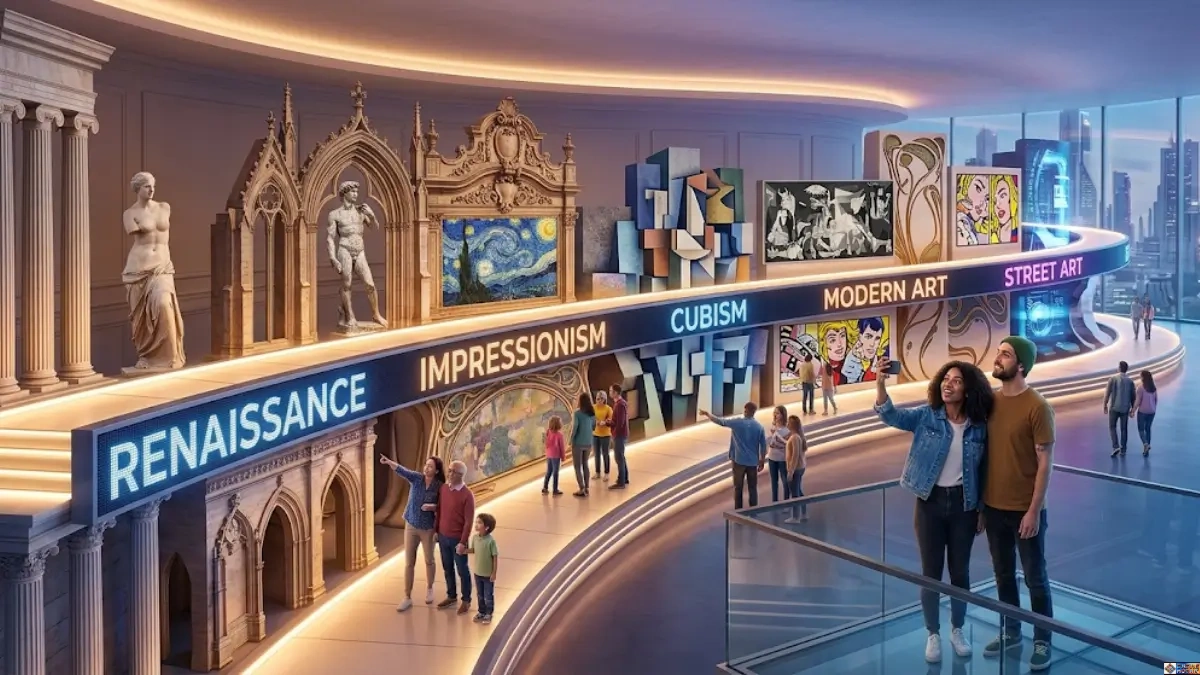
⚡ Quick Summary
The phrase Types of Art Styles refers to the distinct visual characteristics, techniques, media, and philosophies that categorize artwork across human history. Historically, art movements are grouped into 7 foundational forms (Painting, Sculpture, Architecture, Literature, Music, Cinema, and Theater).
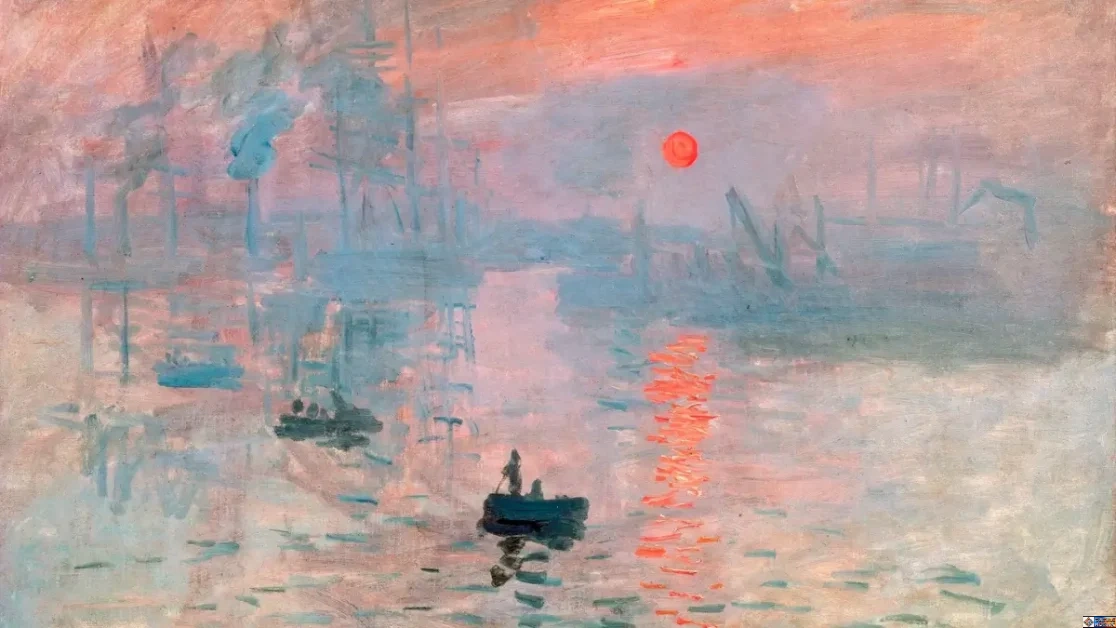
Within visual media like types of art painting, movements progress chronologically—from the architectural majesty of Gothic Art and the proportional harmony of the Renaissance, to modern expressions like Impressionism, Cubism, Surrealism, and contemporary types of digital art styles.
Feeling Overwhelmed by Art Jargon? You’re Not Alone
Have you ever stood in front of a canvas in a gallery—or scrolled through an online museum archive—and felt completely lost? The brushstrokes look intentional, the colors are striking, but the label beside the frame reads like an secret code: Chiaroscuro, Analytical Cubism, Pointillism.
It is frustrating to feel disconnected from human culture simply because the vocabulary feels gatekept by academic elites. When you cannot identify the style in front of you, you miss out on the story, the emotion, and the historical rebellion woven into the canvas.
Here is the secret: art history isn’t a list of dates to memorize. It is an ongoing conversation between generations of creators. Once you learn to recognize a few key visual anchors, every museum gallery transforms from a silent room into a vivid narrative.
Decoding Art Movements: From Canvas to Screen
Artistic movements emerge as direct reactions to the world around them. When industrial machines reshaped cities in the early 20th century, artists did not just change their subject matter—they reinvented their entire visual language.
The Evolution of Visual Styles Across Eras
Exploring Masterpieces and Mediums
Understanding individual movements makes exploring world-renowned masterworks far richer. For instance, when looking at Leonardo da Vinci Paintings Images, you see High Renaissance principles: subtle shading (sfumato) and anatomical accuracy. Asking How Much Is the Mona Lisa Worth? reveals how technique combines with historic provenance to create timeless visual cultural icons.
Similarly, examining The Kiss Gustav Klimt illustrates the bridge between Art Nouveau and Symbolism, where gold leaf elevates human intimacy into sacred decoration.
As art history evolved, modern scholars highlighted how key contributions from Historical Artists Female—such as Artemisia Gentileschi during the Baroque era or Berthe Morisot during Impressionism—reshaped artistic perspectives across centuries.
Whether reviewing the Top 10 Most Famous Paintings of All Time or investigating Who Is the Most Famous Artist?, identifying visual signatures unlocks deeper connections to global arts culture. Discover more cultural insights at Culture mosaic.
Frequently Asked Questions
What are the 7 different types of art? +
Historically categorized during the Enlightenment, the seven traditional forms of art are Painting, Sculpture, Architecture, Literature, Music, Cinema, and Theater. Visual art styles primarily manifest across painting, sculpture, and architecture.
What are the 9 main types of art? +
When expanding traditional categories to include modern visual practices, scholars often highlight 9 main disciplines: Fine Painting, Sculpture, Architecture, Drawing/Printmaking, Photography, Digital Art, Decorative Arts, Performance Art, and Installation Art.
What are 10 different art styles commonly found in galleries? +
The ten most frequently exhibited styles in major museum collections include Realism, Impressionism, Expressionism, Cubism, Abstract Art, Surrealism, Pop Art, Baroque, Renaissance, and Minimalism.
What are the 12 types of art styles across history? +
A comprehensive historical timeline features Gothic, Renaissance, Baroque, Neoclassicism, Romanticism, Realism, Impressionism, Expressionism, Cubism, Surrealism, Pop Art, and Digital Art.
How do types of art styles drawing differ from traditional painting? +
While painting relies heavily on color theory, fluid mediums (oil, acrylic, watercolor), and surface texture, drawing styles focus primarily on line work, hatching, cross-contour shading, and dry media like graphite, charcoal, or digital pen tablets.
Verifiable Citations & Credible References
- Google Arts & Culture: Art Movements & Historical Categorization Directory
- English Heritage: Women in the Arts and Historical Impact
- The Metropolitan Museum of Art (Heilbrunn Timeline of Art History): Chronological Art History Essays
- Tate Britain & Modern Archives: Glossary of Modern and Contemporary Art Terms
 Dr. Julian Thorne