
 By Culture Expert
Quick Answer: Custom abstract art means working directly with an artist to create an original piece designed specifically for your home. You choose the colors, size, and overall vibe—the artist handles the creative execution. Expect to invest anywhere from $200 to $5,000+ and wait 2-6 weeks for completion. The result? A one-of-a-kind work that nobody else owns.
I’ve been working in the contemporary art world for over a decade, and I’ve watched custom abstract art go from a niche luxury to something almost anyone can commission. The beauty of it? You don’t need a trust fund or an art history degree to get a museum-quality piece made just for you.
Why Commission Instead of Buy?
Look, you can walk into HomeGoods tomorrow and grab a decent-looking abstract print for $79. But here’s the thing—so can everyone else. And honestly, after you’ve seen the same teal-and-gold swirl in five different friends’ apartments, it loses something.
Custom abstract art means an artist creates something from scratch based on what you want. Your colors. Your size. Your energy. I’ve had clients commission pieces to match a specific throw pillow, to capture the feeling of their honeymoon in Santorini, or simply because they wanted “something that doesn’t look like every other painting in suburban America.”
The best part is you don’t need to speak fluent art-world jargon. You just need to know what you like. Hate yellow? Great, we won’t use it. Love how terracotta makes you feel warm? Perfect starting point.
How the Whole Thing Actually Works
Most artists follow a pretty similar process, though everyone has their own quirks:
The First Conversation: You’ll chat with the artist—phone, email, Zoom, whatever works. Show them photos of your space. Talk about what you’re drawn to. This isn’t a job interview; it’s more like telling a friend what you’re looking for.
Nailing Down the Details: This is where you get specific about colors, mood, size, and budget. Want something energetic and bold? Or quiet and contemplative? The artist will ask questions you probably haven’t thought about, and that’s the point.
Choosing Size and Materials: A 24×36 inch piece feels totally different from a 60×80 inch one. Most artists will help you figure out what makes sense for your wall and your budget. Same goes for whether you want oil, acrylic, mixed media, or something else entirely.
Watching It Come Together: Good artists send progress shots. You’re not micromanaging, but you get to see your piece evolve. It’s honestly one of the coolest parts of the whole experience.
Getting Your Piece: Once it’s done, the artist ships it (usually very carefully wrapped) or you pick it up in person. Some artists include framing; others don’t. Make sure you know which.
Commission Checklist: Don’t Start Without Asking These
| What to Ask | Why It Matters | Get This Clear |
|---|---|---|
| What’s your realistic timeline? | Artists get busy; you need real dates | When they’ll start, estimated completion, shipping time |
| What does the price actually include? | Hidden costs are annoying | Framing? Shipping? Wire or hanging hardware? |
| What’s your revision policy? | Prevents ugly surprises | Can you request changes? At what stages? Any extra cost? |
| Will I see it before it’s finished? | You want input, not a reveal | How many check-ins? What format (photos, video, in-person)? |
| How does payment work? | Budgeting and cash flow | Deposit amount and when? Final payment timing? |
| What if my situation changes? | Life happens | Can you pause? Get a refund? What’s the cancellation policy? |
Styles Worth Knowing About
You don’t need to memorize these, but knowing the basics helps when you’re trying to explain what you want.
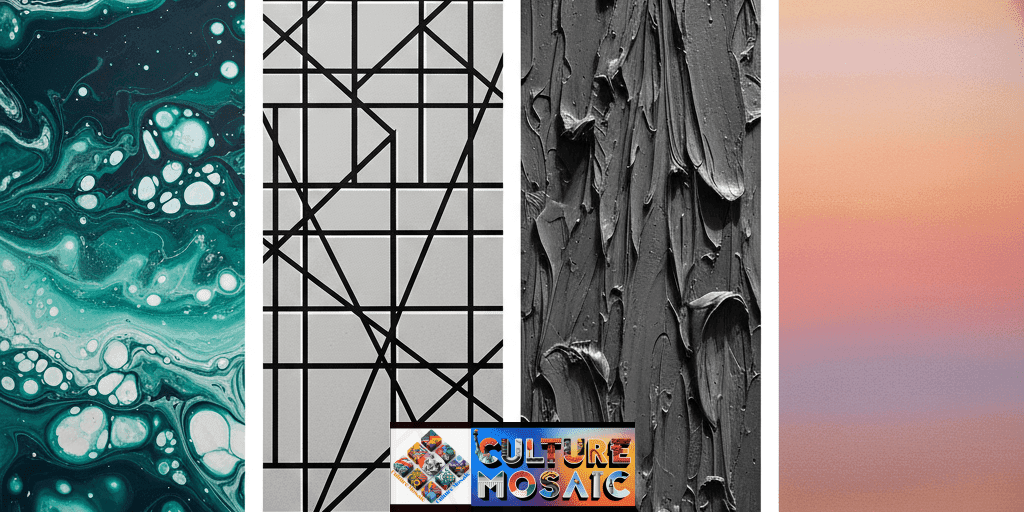
Fluid/Pour Painting: This is where artists literally pour paint on canvas and let it flow into organic shapes. Very popular right now. Can look psychedelic or surprisingly elegant depending on the color choices.
Geometric Abstraction: Clean lines, shapes, structure. Feels modern and sophisticated without being cold. Works great in minimalist spaces or places that need a focal point without chaos.
Textured/Mixed Media: The artist builds up layers—sometimes with paint, sometimes with paper, fabric, or other materials. You can run your hand over it and actually feel the depth. These pieces photograph terribly and look incredible in person.
Color Field: Rothko made this famous. Big blocks or washes of color. Looks simple but creates this emotional, almost meditative effect. When it works, it truly does, but not for everyone.
Gestural/Expressionist: Big, visible brushstrokes. Lots of energy and movement. These pieces feel alive. They’re not subtle, but they’re dynamic as hell.
Picking an Artist Who Gets You
This matters more than you’d think. I’ve seen great artists create terrible commissions because there was a personality mismatch with the client.
Look at Their Portfolio: Do you like most of their work, or just one piece? If it’s just one, keep looking. You want someone whose whole aesthetic resonates with you.
See How They Communicate: During that first conversation, do they listen? Ask good questions? Seem genuinely interested in what you want? Or are they just trying to sell you their usual thing?
Check Their Process: The best commission artists are transparent about how they work, what to expect, and when. Red flag if someone’s vague about timelines or dodgy about showing you progress.
Read What Other Clients Say: Not just “great artist!” reviews, but ones that discuss the real experience of collaborating. Was communication good? Did the piece arrive when promised? Were they happy with the result?
Making Sure It Actually Fits Your Space
I cannot tell you how many times I’ve seen people commission a piece without thinking about where it’s going. Then it arrives and it’s completely wrong for the room.
Room Energy Matters: A bright, chaotic kitchen probably doesn’t need more visual stimulation. A stark, formal living room could use something with energy. Think about what the room already feels like.
Size Is Everything: Too small and it looks like you ran out of money. Too big and it overwhelms the space. General rule: your art should take up about 2/3 to 3/4 of the wall space it’s centering. However, if you know what you’re doing, rules are meant to be broken.
Color Temperature Changes Everything: Warm colors (reds, oranges, yellows) make spaces feel cozier but smaller. Cool colors (blues, greens, purples) make rooms feel bigger and calmer. Think about what your space needs.
Lighting Is Sneaky: That perfect blue in the artist’s studio might look purple in your north-facing living room. Talk to your artist about your lighting situation. Good ones will adjust accordingly.
What You’ll Pay (and What You’re Really Getting)

Prices are all over the map, but here’s what I typically see:
- Emerging Artists: $200-$800 for something medium-sized (think 30×40 inches)
- Established Local Artists: $500-$2,000 for similar sizes
- Regional Names: $1,000-$5,000+
- National Recognition: Sky’s the limit, honestly
But here’s what you’re actually paying for: an original work that nobody else has. Not a print. Not a reproduction. The actual painting. Plus, you’re supporting a working artist, which matters to a lot of people.
Will it appreciate in value? Maybe, if the artist takes off. But that’s not really the point. The point is you get something you love looking at every single day.
Why Custom Pieces Hit Different
There’s something psychologically different about art made for you. I’ve had clients get genuinely emotional when they see their finished piece for the first time.
One client commissioned a piece in the colors of the sunset on the night he proposed. Another wanted to capture the chaotic-but-beautiful feeling of new parenthood. A third just really, really hated how beige their apartment was and wanted something that made them happy to come home.
These aren’t just decorations. They’re physical representations of moments, feelings, or just things that matter to you. And you were part of making them happen.
Taking Care of What You’ve Invested In
This stuff isn’t complicated, but people mess it up all the time.
Location Matters: Don’t hang it in direct sunlight unless you want the colors to fade. Keep it away from humid areas (no bathrooms). Avoid spots where the temperature swings a lot (above a fireplace is usually a bad idea).
Cleaning Is Simple: Dust with a dry, soft cloth. That’s it. Don’t use cleaning products. Don’t use water. If it needs more than dusting, call a professional.
Frame It Right: A good frame protects the edges and makes the piece look more finished. Cheap framing can actually make expensive art look worse. Spend the money here.
Questions I Get All the Time
How long does this actually take?
Most artists quote 2-6 weeks, but it depends on their schedule and how complex your piece is. A simple 24×30 might take two weeks. A massive, detailed 72×96 could take two months. Ask upfront, and add a buffer if you have a deadline.
What if I hate it?
This is why you discuss revision policies before you start. Some artists build in one round of changes. Others show you so many progress shots that surprises are basically impossible. A few consider it done when it’s done. Know which type you’re working with.
Custom versus buying something already made?
Custom means you control everything—size, colors, mood, style. You get exactly what you want. Buying existing work means you choose from what’s available. It’s faster and usually cheaper, but you’re adapting your space to the art instead of the other way around.
I don’t know how to describe what I want. Help?
You don’t need art school vocabulary. Show the artist photos of rooms you love, fabrics that make you happy, even nature photos if that’s your thing. Say stuff like “I want it to feel like early morning” or “energetic but not aggressive.” Artists translate this stuff for a living.
Is this actually a good investment?
Financially? Probably not, unless your artist becomes the next Kehinde Wiley. But investment doesn’t have to mean money. You’re investing in something that makes your space feel like yours, that you enjoy every day, and that supports working artists. That’s worth something.
Bottom line: Custom abstract art isn’t some luxury reserved for people with more money than taste. It’s a way to get art that actually means something to you, in your space, in your life. And honestly? In a world of mass-produced everything, that’s pretty damn cool.
Ready to start? Find an artist whose work you love, reach out, and have a conversation. Worst case, you learn something about what you want. Best case, you end up with something nobody else in the world has.
 Dr. Julian Thorne