
 By Culture Expert
Exploring the Timeless Influence of Greek Gods and Heroes in Visual Masterpieces
Greek mythology in art has influenced artistry for thousands of years, taking ancient mythic stories about gods, heroes, and monsters and turning them into paintings, sculptures, and other works of beauty that transcend cultures. From the classical Greek statues to contemporary film epics, Zeus’ stories, Athena’s stories, Apollo’s stories, and more keep artists all over the world inspired. Why does Greek mythology retain its timeless strength in the art world? This article discusses the ways in which Greek mythology in art fascinates minds and presents eight strong ways that these myths inspire creativity, making them among the strongest cultural forces in history.
The Origins of Greek Mythology in Art
Greek mythology, conceived more than 3,000 years ago, was a narrative framework through which ancient Greeks understood the universe, human feelings, and divine powers. Gods such as Zeus, king of the heavens, Athena, goddess of wisdom, and Poseidon, master of the seas, were not only gods but representations of natural and human phenomena. Art became a primary vehicle to glorify these entities, with temples, ceramics, and sculptures giving life to myths. The friezes in the Parthenon, showing the glory of Athena, and vases that show the labors of Hercules are early witnesses to how Greek mythology in art integrated storytelling into visual culture.
This artistic heritage did not die with ancient Greece. It thrived in the Renaissance, influenced Romantic artists, and lives on today in movies, video games, and literature. Here, we reveal eight ways Greek mythology in art continues to inspire and touch us, gaining insights into its enduring power and cultural relevance.
1. Symbolic Imagery Beyond Time
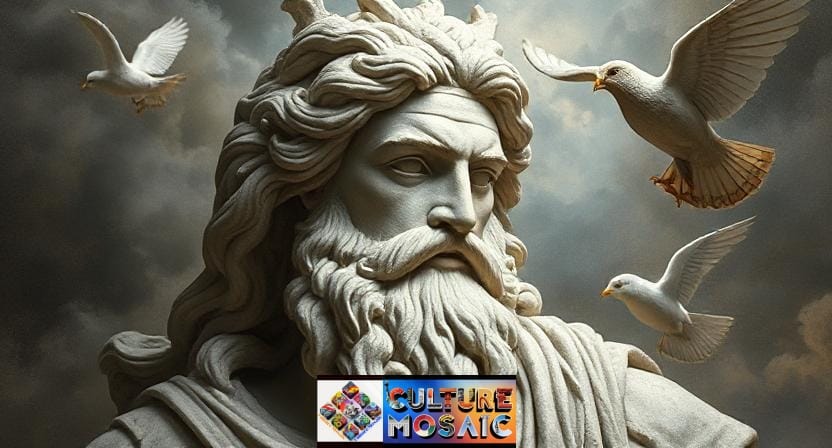
Greek mythology in art is rich with symbols that convey universal themes. Zeus’s lightning bolt embodies sovereignty, Athena’s owl symbolizes timeless wisdom, and Aphrodite’s doves invoke the gentle power of love. These symbols, rooted in myth, appear in ancient sculptures like the Statue of Zeus at Olympia and Renaissance paintings like Botticelli’s The Birth of Venus. Their enduring clarity allows artists to communicate complex ideas—authority, intellect, passion—across eras, making Greek mythology in art a timeless visual language.
2. Archetypal Characters as Inspirational Muses
The heroes and gods of Greek mythology are archetypal characters, conveying characteristics such as bravery (Hercules), wit (Odysseus), or retribution (Medusa). Artists have been using these figures to depict the essence of humanity for centuries. For instance, the Laocoön and His Sons sculpture illustrates the tragic suffering of a Trojan priest, while works of contemporary art such as John Singer Sargent’s Perseus on Pegasus illustrate heroic victories. These archetypes transcend all cultures, keeping Greek mythology in art a source of inspiration.
3. Epic Stories in Visual Narrative
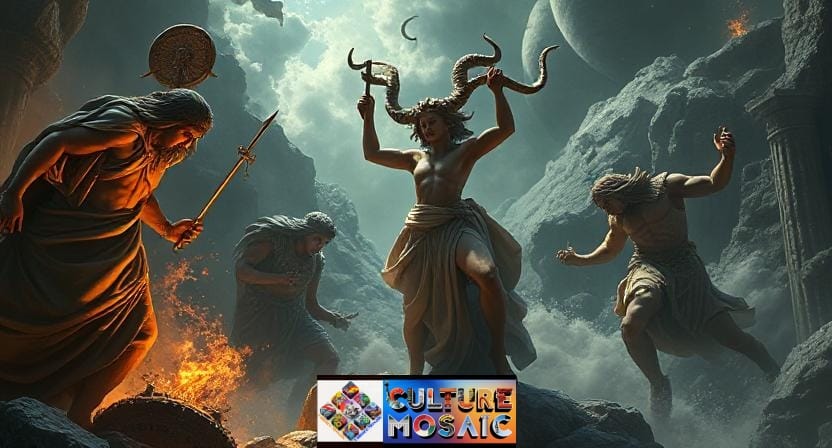
Greek myths are great love, betrayal, and hero stories, well-suited for visual narratives. Scenes of Iliad or Odyssey were depicted on Ancient Greek pottery, and Renaissance painters like Caravaggio illustrated mythological dramas, like Medusa’s severed head. Now, movies like Clash of the Titans and video games like God of War reimagine these tales, demonstrating that Greek mythology in art remains engaging through powerful stories that integrate drama and spectacle.
4. Impact on Renaissance and Classical Painting
The Renaissance marked a revival of Greek mythology in art, as artists rediscovered classical ideals. Paintings like Titian’s Bacchus and Ariadne and sculptures like Bernini’s Apollo and Daphne drew heavily on myths, blending humanism with divine imagery. These works emphasized beauty, emotion, and narrative depth, cementing Greek mythology’s role as a cornerstone of Western art. This classical influence persists in museum collections and art education, keeping the myths visually alive.
5. Modern Media’s Mythological Renaissance
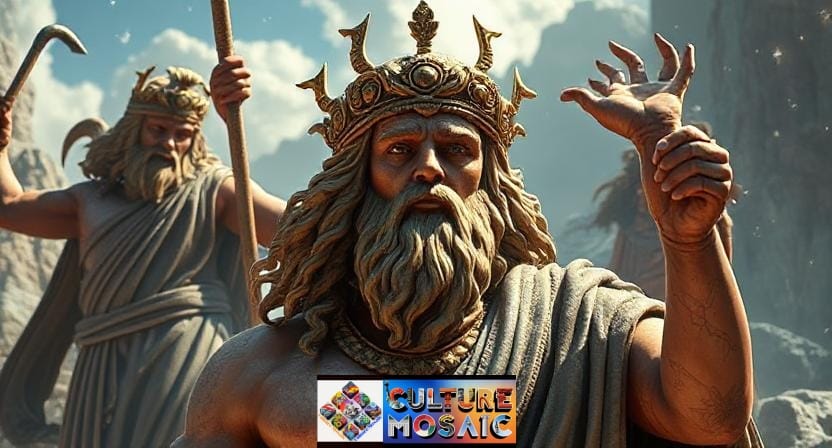
Greek mythology in art flourishes in modern media, engaging new generations through films, literature, and video games. Films such as Hercules (Disney) and Troy introduce gods and heroes to the silver screen, while books such as Madeline Miller’s Circe retell myths through a contemporary perspective. Video games, e.g., Hades, employ beautiful graphics to represent underworld gods, combining ancient tales with interactive art. These reworkings guarantee Greek mythology in art to be alive and dynamic.
6. Moral and Philosophical Themes
Greek myths tend to examine moral conflicts—hubris, fidelity, sacrifice—that artists adapt into reflective art. An example is the story of Icarus, who flew too close to the sun, which inspired Pieter Bruegel to paint Landscape with the Fall of Icarus, a reflection of man’s ambition. These kinds of themes enable artists to examine ethical issues, making Greek mythology in art a platform for philosophical contemplation that speaks across generations.
7. Aesthetic Beauty and Iconic Imagery
The artistic appeal of Greek mythology is rooted in its iconic imagery—well-defined features of gods, dynamic figures, and divine possessions. Great ancient sculptures such as the Venus de Milo (Aphrodite) provided the measures for idealized beauty, and the artists from Michelangelo to current illustrators have been inspired by them. Such visual beauty coupled with mythological stories creates masterpieces that are both beautiful and significant, guaranteeing their enduring popularity in museums and popular culture.
8. Educational and Cultural Significance
Greek mythology in art is a mainstay of the classroom, educating students in history, culture, and beauty. Museums such as the Louvre and the Metropolitan Museum of Art feature works of mythology, from old vases to Renaissance art, promoting an understanding of classical heritage. Analyzing these works promotes critical examination of human values and art techniques, making Greek mythology in art an essential means of cultural literacy and creative stimulus.
Conclusion: The Lasting Force of Greek Mythology in Art
Greek mythology in art is more than an historical oddity; it’s a living tradition that continues to inform creative expression. From ancient sculpture to contemporary film, the gods, heroes, and monsters of Greek mythology inspire artists to investigate human nature, beauty, and morality. These eight aspects—symbolism, archetypes, stories, classical inspiration, contemporary reinterpretations, moral issues, beauty, and educational significance—illustrate how Greek mythology in art continues to be a cultural force. In either a museum or a cinema, these myths ask us to view the world through divine eyes, as actual today as when they were first composed.
FAQ: Frequently Asked Questions
Q1: How did Greek mythology affect ancient art?
Greek mythology in art influenced ancient sculpture, pottery, and temple relief, portraying gods and heroes to commemorate deities and narrate tales, such as the Parthenon’s Athena-themed friezes.
Q2: Why is Greek mythology so popular in contemporary art?
Its timelessness—love, power, tragedy—and colorful characters make Greek mythology in art perfect for movies, video games, and fiction, appealing to modern audiences.
Q3: What are some well-known artworks inspired by Greek mythology?
Notable examples include the Venus de Milo, Botticelli’s The Birth of Venus, and Bernini’s Apollo and Daphne, each capturing mythological beauty and drama.
Q4: How does Greek mythology in art reflect human nature?
Gods and heroes embody archetypes like courage or hubris, allowing artists to explore universal emotions and experiences through symbolic and narrative visuals.
Q5: Why is Greek mythology in art important in education?
It educates in history, culture, and aesthetics, stimulating critical thinking regarding the telling of myths, ethics, and art techniques by using iconic mythological artwork.
Q6: In what ways do contemporary media reimagine Greek mythology in art?
Movies such as Troy, video games such as Hades, and books such as Circe retell myths with contemporary imagery and storytelling, making Greek mythology in art contemporary.
Q7: Why is Greek mythology in art visually unique?
Its iconic imagery—idealized form, dynamic pose, and symbolic attributes such as Zeus’s thunderbolt—develops an eternal beauty that affects art throughout history.
Q8: How can I experience Greek mythology in art today?
Go to museums that have classical collections, view mythological movies, or read contemporary retellings such as Percy Jackson to observe how Greek mythology in art remains.
 Dr. Julian Thorne