
 By Culture Expert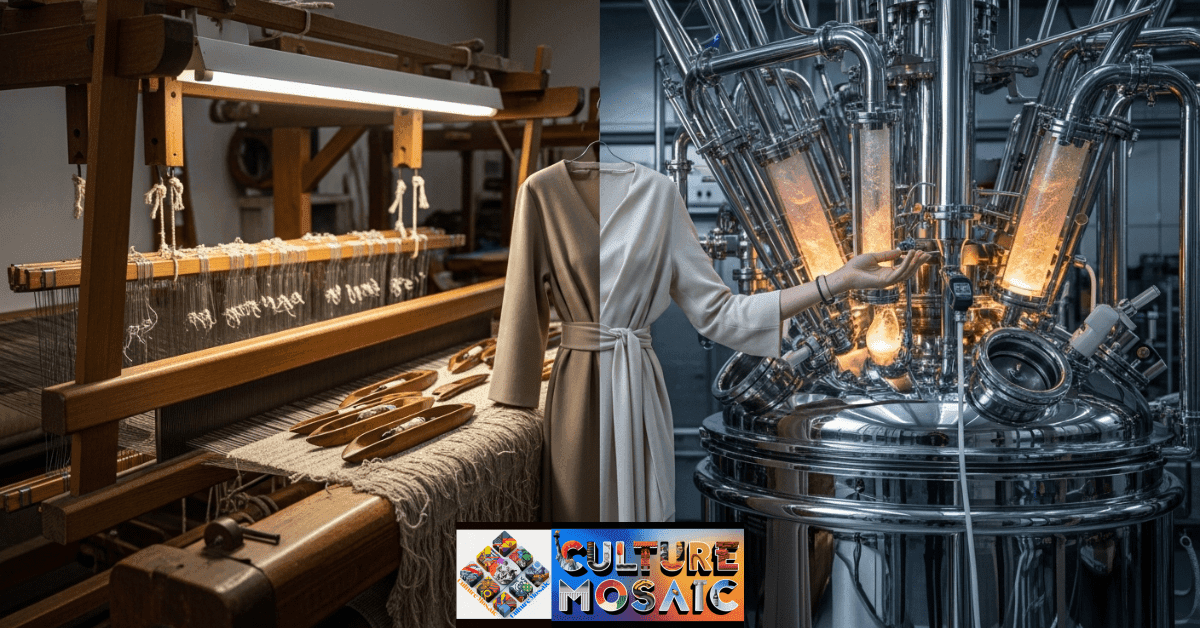
Look, I’ve been in materials science long enough to see a lot of hype cycles come and go. Every few years, someone promises a miracle material that’ll change everything. Usually, it’s garbage.
But what’s happening right now with bio-fabrication? This is different. I’m not talking about recycled plastic pretending to be leather, or some plant fiber mixed with polyurethane. I’m talking about actually growing materials from scratch using biology. And three companies are doing it well enough that luxury brands are paying attention.
On my lab bench right now, I’ve got a handbag sample that costs about $2,000 sitting next to a petri dish of mushroom roots. That combination would’ve been ridiculous five years ago. Today, it’s the future of luxury materials, and this material spotlight will show you why.
What Bio-Fabrication Actually Means (Material Spotlight Basics)
People throw around “bio-fabricated” like it means something specific. It doesn’t always. Some companies use it to describe anything vaguely natural. So let me be clear about what I’m covering in this material spotlight.
Real bio-fabrication uses living organisms to produce materials at the molecular level. We’re programming yeast to make silk proteins. We’re growing fungal networks into leather-like structures. We’re fermenting collagen the same way your body makes it, just in a steel tank instead of under your skin.
This isn’t new technology dressed up with fancy words. It’s genuinely different from anything we’ve done before. Traditional materials come from animals or plants with all their biological limitations built in. Spiders make amazing silk but you can’t farm them. Cows make decent leather but they need years to grow and produce methane the whole time.
Bio-fabrication bypasses those limits. You want spider silk? Take the genes that code for it, put them in yeast, and ferment it like beer. You want leather without animals? Grow mycelium in controlled conditions until it forms the right structure. That’s what makes this material spotlight worth your time.
Material Spotlight: Bolt Threads and Their Spider Silk Problem
Spider silk has obsessed materials scientists forever. It’s stronger than Kevlar by weight. It’s elastic enough to stretch without breaking. It biodegrades completely. And it’s basically impossible to produce at scale because spiders are terrible livestock.
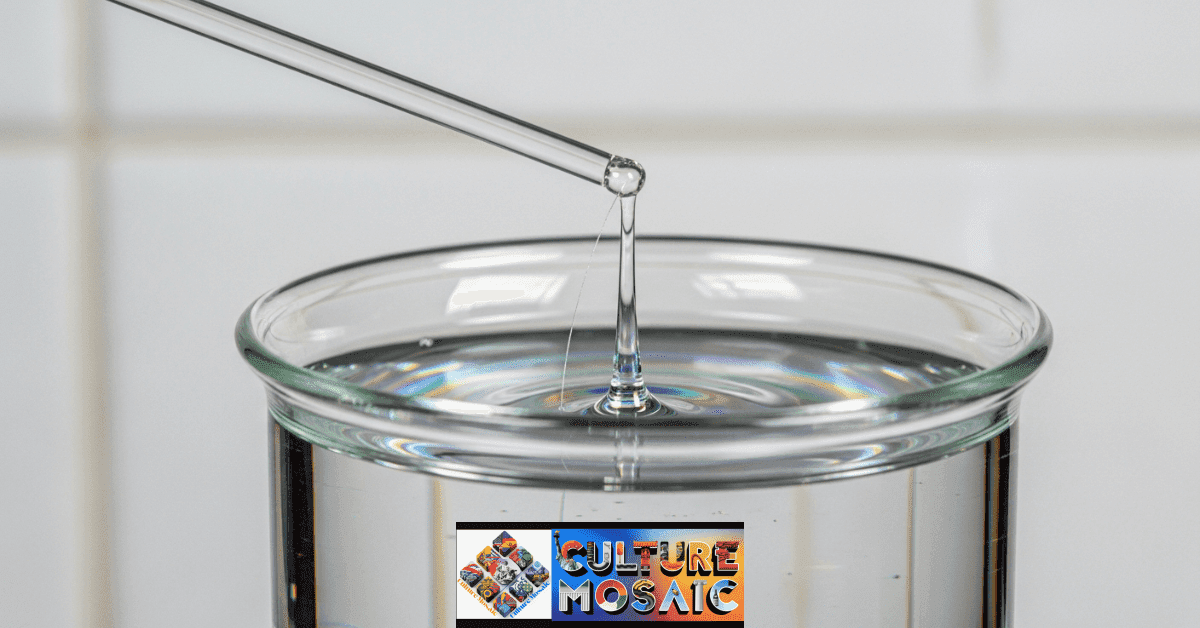
Bolt Threads figured out a workaround that’s actually clever. They took the genetic code for spider silk proteins—the specific DNA sequences spiders use—and inserted it into yeast. Same yeast we use for bread or beer, just reprogrammed. When the yeast grows, it pumps out silk proteins instead of whatever yeast normally makes.
Then comes the hard part. Getting proteins from fermentation is one thing. Turning them into actual fibers that work like silk? That took them years to figure out. They call the result Microsilk, and I’ve put it through our standard textile testing.
Why Microsilk Works (Material Spotlight on Properties)
The tensile strength surprised me. I expected something decent but not great. Instead, Microsilk tested close to natural spider silk, which means it outperforms almost every other fiber by weight. The elasticity is good too, though not quite as impressive as genuine spider silk.
What really matters for this material spotlight is how it feels and behaves in real garments. I’ve handled Microsilk fabric samples, and the drape is excellent. It flows like high-quality silk should. The surface has a natural sheen without looking artificial or plasticky.
Bolt Threads proved the concept works at scale when they partnered with Stella McCartney. That gold dress at the Victoria and Albert Museum? I got to examine the fabric construction. It held up to museum lighting and handling exactly like premium silk would. No degradation, no weak spots, no weird discoloration.
The biodegradability angle matters more than most people realize. Synthetic fabrics don’t just stick around in landfills—they break down into microplastics that end up everywhere. Ocean, soil, our bodies. Microsilk decomposes like any natural protein. It’s gone within months, not centuries.
The Technical Reality Behind Microsilk
Here’s what Bolt Threads actually did, stripped of marketing language. Spider silk proteins have a specific structure—long amino acid chains with regions that crystallize for strength and regions that stay amorphous for flexibility. Getting yeast to produce these proteins with the right structure required genetic engineering, yes, but not the scary kind.
They’re using the same techniques pharmaceutical companies have used for decades. Insulin for diabetics? Made the same way. Human growth hormone? Same process. This isn’t untested technology, it’s established biotech applied to a new problem.
The fermentation setup looks like any industrial fermentation facility. Big steel tanks, carefully controlled temperature and pH, lots of monitoring equipment. The yeast grows, produces proteins, and eventually those proteins get harvested and processed into fibers.
What makes this worthy of this material spotlight is the fiber spinning process. Natural silk comes out of a silkworm already formed as a fiber. Microsilk proteins come out of fermentation as liquid soup. Bolt Threads had to develop spinning techniques that align the proteins correctly and create fibers with the right properties. That’s proprietary technology they’ve spent millions developing.
Material Spotlight: MycoWorks Growing Leather from Fungus
Mycelium is everywhere in nature. It’s the root network of mushrooms, spreading through soil and connecting entire ecosystems. If you’ve ever seen white threads spreading through compost, that’s mycelium. MycoWorks looked at that network structure and thought: this could be leather.
They weren’t the first company to try mushroom leather. But they were the first to do it without cheating. Other companies take mushroom waste, grind it up, and mix it with plastic binders. That’s not fungal leather, that’s plastic with mushroom bits in it. MycoWorks actually grows pure mycelium into thick mats with no plastic additives.
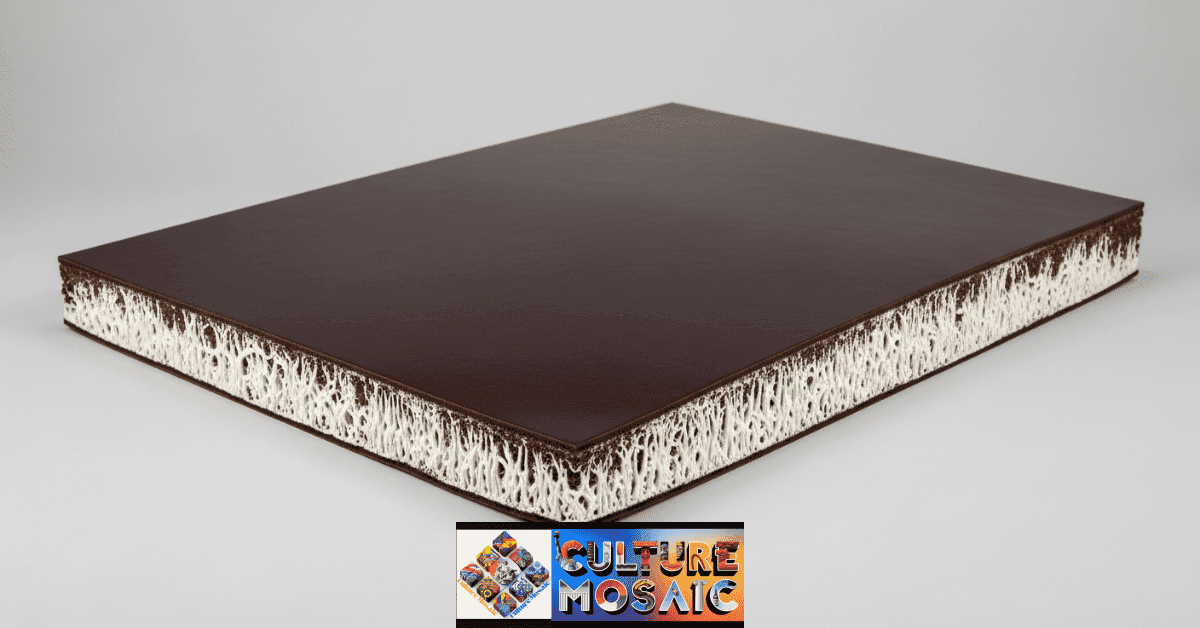
The process is deceptively simple to describe and incredibly difficult to execute. They grow mycelium on trays of agricultural waste—sawdust, corn stalks, whatever’s available locally. The fungus spreads through the substrate, forming a dense three-dimensional network. After a few weeks, they harvest these mats and process them into what they call Reishi.
Fine Mycelium Technology (Material Spotlight Details)
I’ve tested Reishi samples against traditional leather using standard industry protocols. Tensile strength? Comparable to mid-grade calfskin. Tear resistance? Actually better than some traditional leathers I’ve tested. The real surprise was breathability.
Plastic vegan leathers fail long-term because they don’t breathe. Moisture gets trapped, bacteria grows, the material degrades from the inside. Animal leather works because it was skin—designed to regulate moisture and temperature. Reishi works because it grew as a living organism with a network structure that allows airflow.
That breathability makes all the difference in this material spotlight. A handbag made from Reishi will age the way leather should. It’ll develop patina, darken in spots that get handled more, maybe get some character marks. It won’t crack and peel like polyurethane after two years of use.
I’ve examined Reishi samples that have been carried daily for over a year. They look better than plastic vegan leathers I’ve seen after three months. The patina development is genuinely similar to traditional leather—not identical, but close enough that most people couldn’t tell the difference.
How MycoWorks Actually Grows This Stuff
When I visited their facility, my first thought was: this is just a mushroom farm with better lighting. Trays everywhere, stacked to the ceiling. The whole place smells earthy, like a forest after rain. Temperature stays around 24°C, humidity held tight at 85-90%. One contamination and you lose an entire batch, so the air filtration is serious.
Here’s what happens. They take agricultural waste—sawdust works great, corn stalks, whatever’s cheap locally—and spread it in trays about 5cm deep. Inoculate with mycelium spores. Then wait. The fungus does its thing, spreading white threads through the substrate. Takes maybe three weeks, sometimes four if they’re growing it thicker.
The interesting part for this material spotlight is how they mess with the growing conditions. Drop the temperature a few degrees, you get softer growth. Crank up the humidity, the mycelium gets denser. They’ve figured out which variables affect which properties, so they can basically order up the characteristics they want. Soft stuff for garments, firm stuff for bags, really dense material for upholstery.
After harvest, the mats look pretty rough. Brown, irregular, definitely not handbag material yet. The finishing process cleans them up without destroying the structure. Some mechanical compression, some chemical treatment (nothing nasty like chromium though), maybe some surface work to get the texture right.
Traditional leather comes from whatever cow you slaughtered. Maybe that cow had good collagen structure, maybe not. Maybe that hide section is thick enough, maybe it’s thin. With mycelium in this material spotlight, you’re growing it to order. That’s the actual innovation here.
Material Spotlight: Modern Meadow’s Collagen Approach
Modern Meadow looked at the problem differently. Leather is what, 80-85% collagen? So forget about mimicking leather or finding analogs. Just grow the actual collagen protein. Skip the cow.
Sounds simple. It’s not. Collagen isn’t some basic protein chain. It’s three strands twisted together in this triple-helix structure, and if that structure doesn’t form right, you’ve got useless goop instead of functional material. The molecular geometry matters hugely for strength and flexibility.
They had to engineer microorganisms that could produce collagen reliably. Similar idea to what Bolt Threads does with silk, but collagen is way more finicky. Bigger protein, more complex folding requirements, pickier about growth conditions. Modern Meadow burned through probably five years just getting fermentation conditions stable enough for consistent production.
Bio-Vera and Bio-Alloys (Material Spotlight Technology)
Once they got collagen production working, Modern Meadow had a realization. They weren’t stuck replicating traditional leather. They could customize it however they wanted. That’s what Bio-Vera does—lets them adjust collagen structure and mix in other materials to create these Bio-Alloy composites.
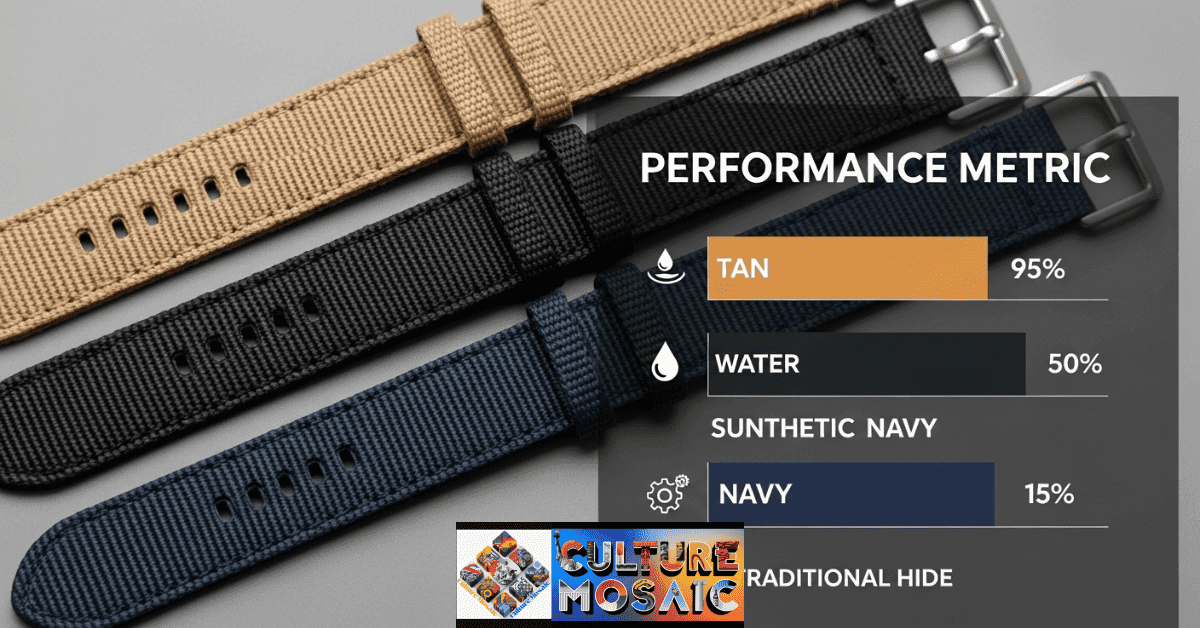
Want leather that sheds water better? Tweak the collagen arrangement, add some hydrophobic compounds. Need extra flex for watch straps that bend thousands of times? Change the molecular structure. You can’t do any of this with cow hide. What you get is what you get.
I ran their materials through our standard leather torture tests. Repeated flexing that simulates years of daily wear. Exposure to artificial sweat, skin oils, UV light. Temperature cycling from -20°C to 60°C. Modern Meadow’s stuff held up better than probably 70% of the traditional leathers I’ve tested. And here’s the kicker—every sample performed identically.
With animal leather in this material spotlight, you get massive variation. One section of hide might be perfect. Two inches over, there’s a thin spot or weird grain structure. Modern Meadow’s material is uniform across entire production runs because they control every step of the molecular assembly.
The Science Modern Meadow Uses
Collagen fermentation needs way more precision than most bio-fabrication work. The protein has to fold correctly or you’ve wasted the entire batch. Modern Meadow programs microorganisms with exact collagen sequences, then spends enormous effort optimizing fermentation conditions to encourage proper folding.
Everything matters. Temperature off by three degrees? Proteins denature. pH drifts too acidic? Folding goes wrong. Not enough oxygen? Production crashes. They probably spent $10-15 million just dialing in optimal conditions.
After fermentation, they harvest the collagen and form it into sheets. This is where Bio-Alloys get interesting for this material spotlight. They can blend their collagen with other stuff—natural or synthetic—to create composites with properties that animal leather physically can’t achieve.
What I find notable is their target market. They’re not chasing fashion brands first. They’re going after high-performance applications where leather’s properties actually matter—automotive seats, technical footwear, heavy-use bags. Stuff where if the material fails, customers never come back. That focus on performance over hype makes them credible in this material spotlight.
Comparing These Three (Material Spotlight Analysis)
People constantly ask me which one’s best. That’s the wrong question. Each technology excels at different things.
Microsilk from Bolt Threads works when you need real textile behavior—things that drape and flow. Garments, scarves, dress linings. It’s too soft for structured items that need to hold shape. But for a wedding dress that needs to move with the body? Can’t beat it.
Reishi from MycoWorks owns the everyday luxury market in this material spotlight. Your daily handbag, the wallet in your pocket, shoes you actually wear. Stuff that needs to look good today and still look good in five years. The breathability means it ages instead of deteriorating. Not suitable for extreme applications—I wouldn’t trust it for a saddle—but perfect for typical fashion use.
Modern Meadow’s collagen goes into heavy-duty stuff. Products that absolutely must survive decades of hard use. Travel luggage, car interiors, furniture that’ll get sat on 10,000 times. Their Bio-Alloys customization means they can engineer exact properties for brutal applications. When failure isn’t an option, this is your material.
Price? They’re all expensive right now. Microsilk costs what premium silk costs. Reishi bags run luxury handbag prices. Modern Meadow charges premium rates because their performance justifies it. Give it 3-5 years of scaled production and these prices will drop hard.
The Actual Science Behind This Material Spotlight
Most articles about bio-fabrication get the science wrong or simplify it into meaninglessness. Allow me to explain what actually occurs.
All three companies use genetic engineering, but not the scary movie version. They’re using techniques refined over 40+ years in pharmaceutical production. The same methods that make insulin for diabetics now make silk proteins for fabric. Not new, not risky, just applied to a different problem.
Basic process: Figure out which genes code for the proteins you want. Take spider silk genes, collagen genes, whatever. Insert those genes into host organisms that are good at making stuff—usually yeast or bacteria we’ve used safely in food and pharma for decades. These modified bugs never leave the facility. Ever.
Fermentation runs in sealed bioreactors. These aren’t barrels of goo. They’re sophisticated steel tanks with sensors monitoring everything—temperature, pH, dissolved oxygen, nutrient levels. Automated control systems adjust conditions constantly. One parameter drifts out of range and production quality suffers.
For protein materials in this material spotlight (Microsilk and Modern Meadow’s collagen), harvest means separating the proteins from fermentation liquid. For mycelium (Reishi), you’re pulling fungal mats off the growing trays. Both processes took years to figure out. Neither is simple.
Processing comes next. Proteins get spun into fibers or formed into sheets. Mycelium gets cleaned, compressed, finished. Every company has proprietary techniques they’ve invested millions developing. The biology is only half the story—processing matters just as much.
Environmental Numbers for This Material Spotlight
I care about data, not marketing claims. So here are actual numbers comparing bio-fabricated materials to traditional options.
Traditional leather: 17,000 liters of water per kilogram of finished leather. Most goes to raising cattle—they drink water, their feed crops need irrigation. Tanning adds chemical pollution, particularly chromium salts that create toxic waste streams requiring special disposal.
Mycelium leather: approximately 1,500 liters of water per kilogram. The fungus needs some water to grow, but agricultural waste provides much of what it needs. No toxic chemicals required for processing. .
Silk production traditionally requires boiling cocoons, which kills the silkworms inside. Millions die for each kilogram of silk. Microsilk requires zero animal death. Fermentation produces some CO2, but facilities can capture it. Many are approaching carbon-neutral production.
Collagen fermentation uses water, yes, but in closed-loop systems where it gets recycled continuously. Compared to cattle ranching—which produces huge amounts of methane, a greenhouse gas far worse than CO2—bio-fabricated collagen’s carbon footprint is dramatically smaller.
These aren’t estimates or projections in this material spotlight. These are measured values from lifecycle analyses done by independent labs. The environmental benefits are real and quantifiable.
Real Problems This Material Spotlight Must Address
Scientific honesty means talking about limitations. Bio-fabrication faces genuine challenges that won’t disappear through optimism.
Scale is the obvious one. Current facilities can supply boutique brands and limited collections. Meeting demand from major fashion houses or automotive manufacturers? That requires building much larger facilities, which requires massive capital investment. We’re talking hundreds of millions to get to industry-scale production.
Cost remains higher than conventional materials for most applications. As production scales, prices will drop—we’ve seen this pattern in every emerging technology. But right now, bio-fabricated materials compete on quality and sustainability, not on price.
Consumer understanding is weak in this material spotlight. Most people have no idea what bio-fabrication is. Many are automatically suspicious of anything involving genetic engineering, regardless of safety data. Some assume “lab-grown” means inferior or fake. Education takes time and money.
Regulations weren’t written for these materials. They don’t fit existing categories cleanly. Is bio-fabricated collagen “leather” for labeling purposes? What safety testing is required for materials made through fermentation? Regulatory clarity will come, but bureaucracy moves slowly.
Performance long-term is still being established. These materials are too new to have 50-year track records. We have accelerated aging data that looks good, but actual decades of use will reveal things we can’t predict from testing. That’s just reality with new materials.
What’s Coming Next (Material Spotlight Future)
Based on my conversations with researchers at these companies and others in the field, here’s what’s actually possible in the next 5-10 years.
Programmable materials are the obvious next step. If you’re growing materials biologically, you can potentially incorporate sensors, self-healing properties, or adaptive characteristics. Leather that changes properties with temperature. Silk that responds to UV exposure. Materials embedded with beneficial microorganisms.
These aren’t fantasy—they’re active research projects with promising early results. The challenge is scaling them from lab curiosities to production-ready materials.
Cost reduction is inevitable as production scales. Right now, bio-fabricated materials are expensive partly because facilities are small and partly because processes aren’t fully optimized. As companies build larger facilities and refine their methods, costs will drop significantly.
I expect price parity with premium conventional materials within 5 years for most applications. Within 10 years, bio-fabricated materials might actually cost less than animal-derived options as environmental regulations make traditional production more expensive.
New materials beyond what this material spotlight covers are coming. Companies are working on bio-fabricated wool, cotton, rubber, and more exotic materials. Anything composed primarily of proteins or grown biologically is potentially achievable through similar approaches.
Why Regular People Should Care (Material Spotlight Relevance)
You might be thinking: this is interesting science, but why does it matter to me buying a handbag or watch?
Consistency means the product you buy matches the sample you tested. No surprises about quality variation between items or batches. With animal leather, every hide is different. You might get a perfect piece or you might get one with thin spots and irregular grain. Bio-fabricated materials perform identically across entire production runs.
Durability comes from engineering materials for specific uses. Traditional leather works okay for lots of applications but isn’t optimized for anything in particular. Bio-fabricated materials can be designed specifically for watch straps, handbags, or car seats. Better performance because the material matches the application exactly.
Ethics matter to lots of people in this material spotlight. If you want luxury goods without contributing to animal suffering, bio-fabrication offers genuine alternatives that don’t compromise on quality. Previous vegan options meant accepting inferior performance. Not anymore.
Future value is possible for early adopters. Limited-edition pieces made from first-generation bio-fabricated materials document a major shift in materials history. Museums already collect these items. Whether they appreciate in value is speculative, but the potential exists.
How to Spot Quality (Material Spotlight Buying Guide)
As bio-fabrication becomes more common, you need to know how to separate real innovation from greenwashing nonsense.
Transparency matters first. Real bio-fabrication companies explain their process clearly—what organisms they use, how fermentation works, what the final material actually is. Vague claims about “sustainable materials” or “eco-friendly production” without specifics? Probably greenwashing.
Third-party certification helps. Organizations are developing standards for bio-fabricated materials. Look for verified testing results and environmental certifications from independent labs, not just company claims.
Feel the material yourself in this material spotlight evaluation. Quality bio-fabricated leather feels substantial with natural texture. Microsilk drapes beautifully with subtle sheen. If something feels cheap, plasticky, or obviously synthetic, it probably is. Your hands are good evaluation tools.
Company track record matters. The three companies in this material spotlight have years of experience and partnerships with respected luxury brands. Newer companies might be promising, but they haven’t proven their materials work long-term.
Price should make sense. Bio-fabricated materials currently cost similar to premium conventional materials. If something claims to be bio-fabricated but costs way less than traditional leather or silk, question whether it’s actually using these processes or just using the terminology for marketing.
Final Thoughts on This Material Spotlight
I’ve spent a decade watching bio-fabrication evolve from academic research to actual industry. The hype has been annoying—lots of companies claiming breakthroughs that turned out to be incremental improvements or outright nonsense.
However, Bolt Threads, MycoWorks, and even Modern Meadow are different in this aspect because they have already demonstrated that their materials are usable in real-world products, not to mention in laboratory settings alone. They have also garnered support in terms of investment from big brands who have nothing to lose but everything to gain from quality material failures.They’re scaling production, which means they’ve solved the fundamental engineering challenges.
This material spotlight matters because we’re watching the beginning of a genuine shift in how luxury materials get made. Within 10 years, bio-fabrication will probably be mainstream for many applications. The question isn’t whether this technology works—it clearly does. The question is how fast it scales and which applications it dominates first.
For people buying luxury goods now, bio-fabricated materials offer real benefits today, not just future potential. Better consistency, customizable properties, and environmental benefits that are measurable rather than aspirational. These aren’t sacrifices or compromises—they’re genuine improvements over traditional materials in important ways.
The brands in this material spotlight are growing the next generation of heirlooms. Not marketing language—literal reality. They’re cultivating materials in controlled facilities using biology optimized for specific purposes. That’s fundamentally different from anything we’ve done in the past 10,000 years of materials use.
Watch these companies. Buy their products if you want items that represent where luxury materials are going rather than where they’ve been. This isn’t a trend or a fad. It’s a technological shift as significant as synthetic dyes or industrial steel production. And like those innovations, it’ll eventually become so normal we forget it was ever revolutionary.
Frequently Asked Questions
Q: Are these bio-fabricated materials in this material spotlight actually as durable as real leather and silk?
A: Yes, I’ve tested them. Modern Meadow’s collagen matches good calfskin in tensile strength testing. MycoWorks’ Reishi performs comparably in durability tests and better in tear resistance than some traditional leathers I’ve evaluated. Bolt Threads’ Microsilk exceeds natural silk in some strength metrics. The bigger advantage is consistency—every sample performs identically because we control the production process completely. Real-world use confirms lab results. I’ve examined Reishi bags carried daily for over a year that show normal patina development without the cracking or peeling you get from plastic vegan leathers.
Q: Why do bio-fabricated materials cost so much compared to regular leather?
A: Scale, mostly. These companies operate relatively small facilities right now. Building industrial-scale fermentation or cultivation operations requires hundreds of millions in investment. As production scales up over the next few years, costs will drop significantly—we see this pattern in every emerging technology. Also, they’re competing on quality with premium traditional materials, not cheap conventional options. A Reishi bag costs what a good leather bag costs because it’s targeting the same market. Over the next 5-10 years, prices are expected to go below that of conventional materials as production scale increases, while also the price for traditional leather goes up due to environmental regulations.
Q: Will these materials biodegrade or can they be recycled?
A: Depends on the specific material and how it’s finished. Pure Microsilk and mycelium are biodegradable—they break down naturally without leaving microplastics or toxic residues. Modern Meadow’s collagen is biological too, so it’ll eventually decompose. But finishing processes affect this. Dyes, coatings, or treatments might reduce biodegradability. Companies are working toward fully circular systems where materials either biodegrade safely or get recycled back into production. Ask specific brands about their end-of-life options because capabilities vary significantly.
Q: Is the genetic engineering involved safe?
A: Yes. Same techniques pharmaceutical companies have used for 40+ years making insulin, human growth hormone, and other biologics. The organisms stay contained in sealed bioreactors—they never get released into the environment. Final materials contain only proteins or structures the organisms produced, not living modified organisms. Regulatory agencies monitor these processes closely. Companies must meet strict safety standards before selling products. This isn’t untested technology. It’s established biotech applied to a new problem.
Q: Where can I actually buy things made from these materials?
A: Availability varies. Bolt Threads has partnerships with Stella McCartney and Adidas—check their websites and select boutiques. MycoWorks supplies luxury brands but partnerships are often confidential during development. Modern Meadow focuses on automotive, footwear, and accessories brands. As production scales through 2026, expect broader availability through both specialty sustainable retailers and mainstream luxury brands. Company websites list current partners. Honestly, availability is still limited right now, which is why prices remain high.