
 By Culture Expert
If you’ve been scrolling through your feed lately, you’ve probably noticed something: chunky sweaters, textured cardigans, and beautifully crafted knits are everywhere. But this isn’t just another fleeting trend. Global artisan knitwear represents a fundamental shift in how we think about clothing, quality, and value.
After years of fast fashion dominating our closets, people are craving something different. They want pieces with stories, garments that last, and styles that feel authentic rather than mass-produced. That’s exactly what global artisan knitwear delivers.
Think about it. When you buy a hand-knitted alpaca sweater from Peru or a traditional Fair Isle cardigan from Scotland, you’re not just purchasing clothing. You’re investing in centuries-old techniques, supporting real artisans, and owning something that won’t fall apart after three washes.
This movement connects perfectly with the quiet luxury aesthetic that’s been reshaping fashion. But unlike designer logos or expensive labels, global artisan knitwear offers something more meaningful: genuine craftsmanship at a price point that actually makes sense.
What Makes Global Artisan Knitwear Different from Regular Knitwear?
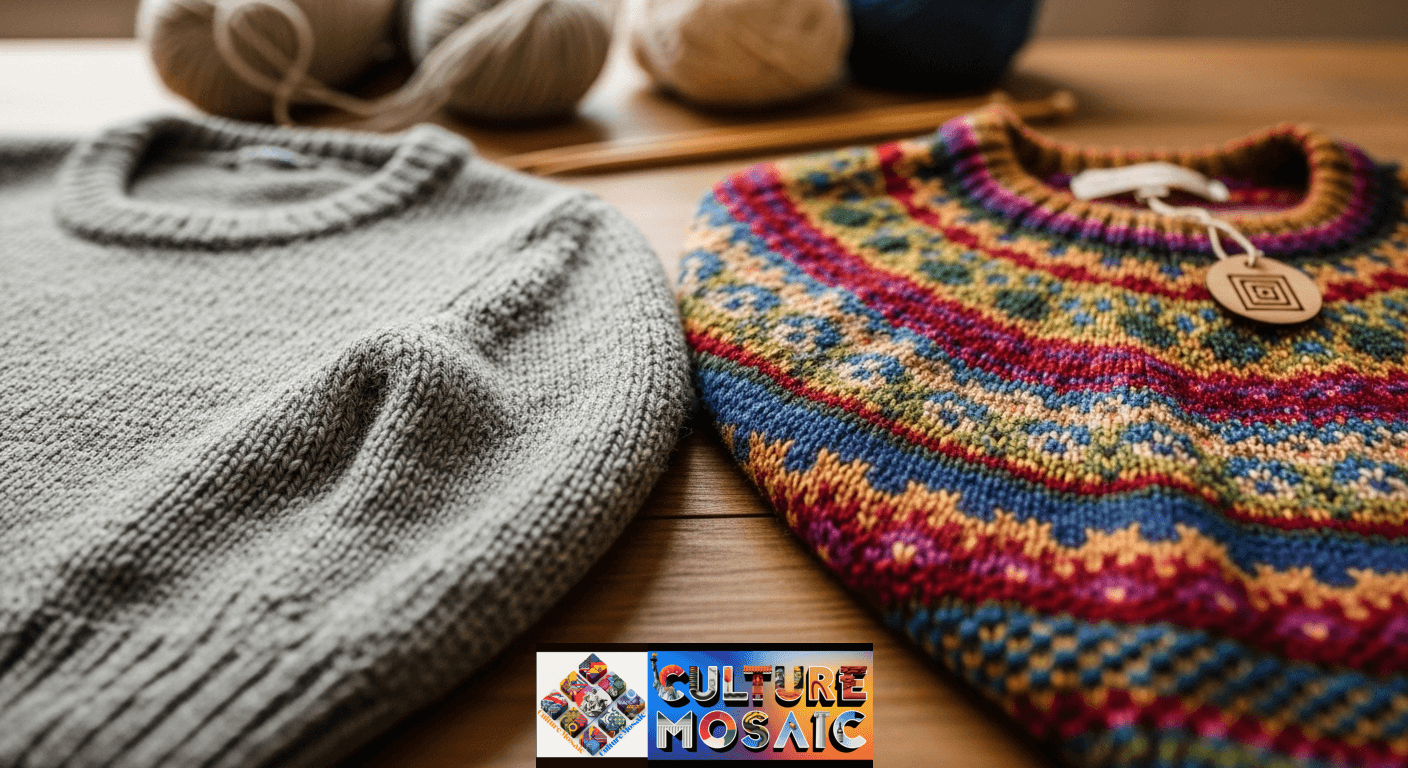
The difference comes down to three things: materials, technique, and intention.
Regular knitwear typically comes from factories where machines churn out identical pieces by the thousands. The yarn might be synthetic or low-grade wool. The construction prioritizes speed over durability. And the result? Sweaters that pill, stretch out, or lose their shape within a season.
Global artisan knitwear takes the opposite approach. Artisans work with premium natural fibers like alpaca, merino wool, cashmere, or hand-dyed cotton. They use traditional techniques passed down through generations, whether that’s the intricate cable patterns of Irish Aran sweaters or the geometric designs of Bolivian textiles.
Each piece takes days or even weeks to complete. The stitches are tighter, the construction more thoughtful, and the final product exponentially more durable. You’re looking at garments that can literally last decades with proper care.
Beyond the physical differences, there’s also an ethical dimension. When you buy global artisan knitwear, you’re typically supporting fair wages, sustainable practices, and the preservation of cultural traditions. Many artisan cooperatives ensure that knitters receive fair compensation and work in safe conditions, something you simply can’t guarantee with fast fashion brands.
The Rise of Global Artisan Knitwear as the New Investment Piece
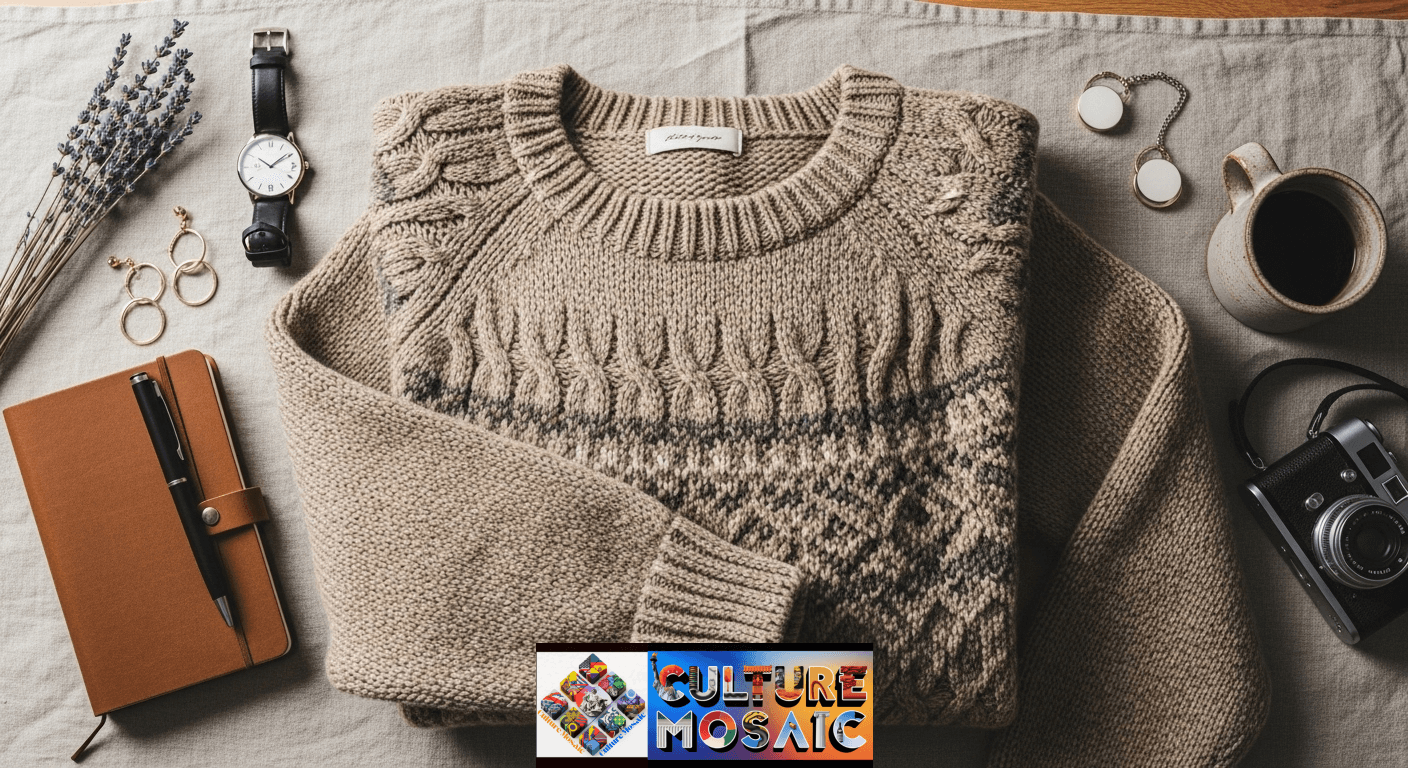
We’ve been conditioned to think of investment pieces as designer handbags or expensive shoes. But smart shoppers are rethinking what “investment” actually means.
A $200 handcrafted sweater from Peru might seem expensive compared to a $30 option from a big-box retailer. But when you break down the cost per wear over five or ten years, the math changes completely. That handmade piece will still look beautiful and feel comfortable long after the cheap alternative has been relegated to the donation pile.
This shift reflects broader changes in consumer values. Sustainability matters more than ever, and people are willing to pay for transparency. They want to know who made their clothes, how they were made, and whether the process respected both people and the environment.
Global artisan knitwear checks all these boxes while also offering superior quality and timeless style. A classic fisherman’s sweater or a beautifully patterned cardigan doesn’t go out of fashion the way trendy pieces do. These are garments you can wear for years, even passing them down to the next generation.
The “cost per wear” calculation becomes even more favorable when you consider versatility. A well-made neutral sweater works with jeans, dress pants, skirts, and layered under blazers. It transitions seamlessly from casual weekends to professional settings, multiplying its value with every wear.
Decoding the Stitch: A Guide to Global Knitwear Traditions

One of the most fascinating aspects of global artisan knitwear is how different regions have developed distinctive styles and techniques over centuries. Understanding these traditions helps you appreciate what you’re buying and make more informed choices.
- Irish Aran Sweaters originated on the Aran Islands off Ireland’s west coast. These iconic cream-colored sweaters feature complex cable patterns, each with symbolic meaning. The honeycomb stitch represents hard work and the fisherman’s life, while the cable stitch symbolizes fishing ropes and safety at sea. Authentic Aran sweaters use unscoured wool that retains natural lanolin, making them naturally water-resistant.
- Scottish Fair Isle Knitting comes from Fair Isle in the Shetland Islands. This technique creates intricate multicolored patterns using multiple yarns across each row. Traditional Fair Isle uses only two colors per row, creating distinctive geometric and floral motifs. The practice dates back centuries and remains a point of regional pride, with contemporary designers reinterpreting classic patterns for modern wardrobes.
- Peruvian and Bolivian Alpaca Knits showcase the incredible properties of alpaca fiber, which is warmer than sheep’s wool, hypoallergenic, and incredibly soft. Andean knitters often incorporate traditional patterns and natural dyes passed down through indigenous communities. The quality of alpaca fiber varies, with baby alpaca being the finest and softest, followed by adult alpaca.
- Nordic Knitting Traditions span Norway, Sweden, Iceland, and Denmark, each with distinct styles. Norwegian lusekofte features small, scattered patterns, while Icelandic lopapeysa sweaters use unspun wool in circular yoke designs. These sweaters were created for fishermen and farmers who needed serious warmth and weather protection.
- Japanese Indigo Knits represent a different tradition entirely, focusing on natural dyeing techniques and minimalist aesthetics. Japanese artisans often work with organic cotton, dyeing it with natural indigo through labor-intensive processes that create rich, deep blues. The construction tends toward clean lines and subtle details rather than complex patterns.
Understanding these traditions helps you recognize quality and authenticity when shopping for global artisan knitwear.
How Global Artisan Knitwear Fits the Quiet Luxury Movement
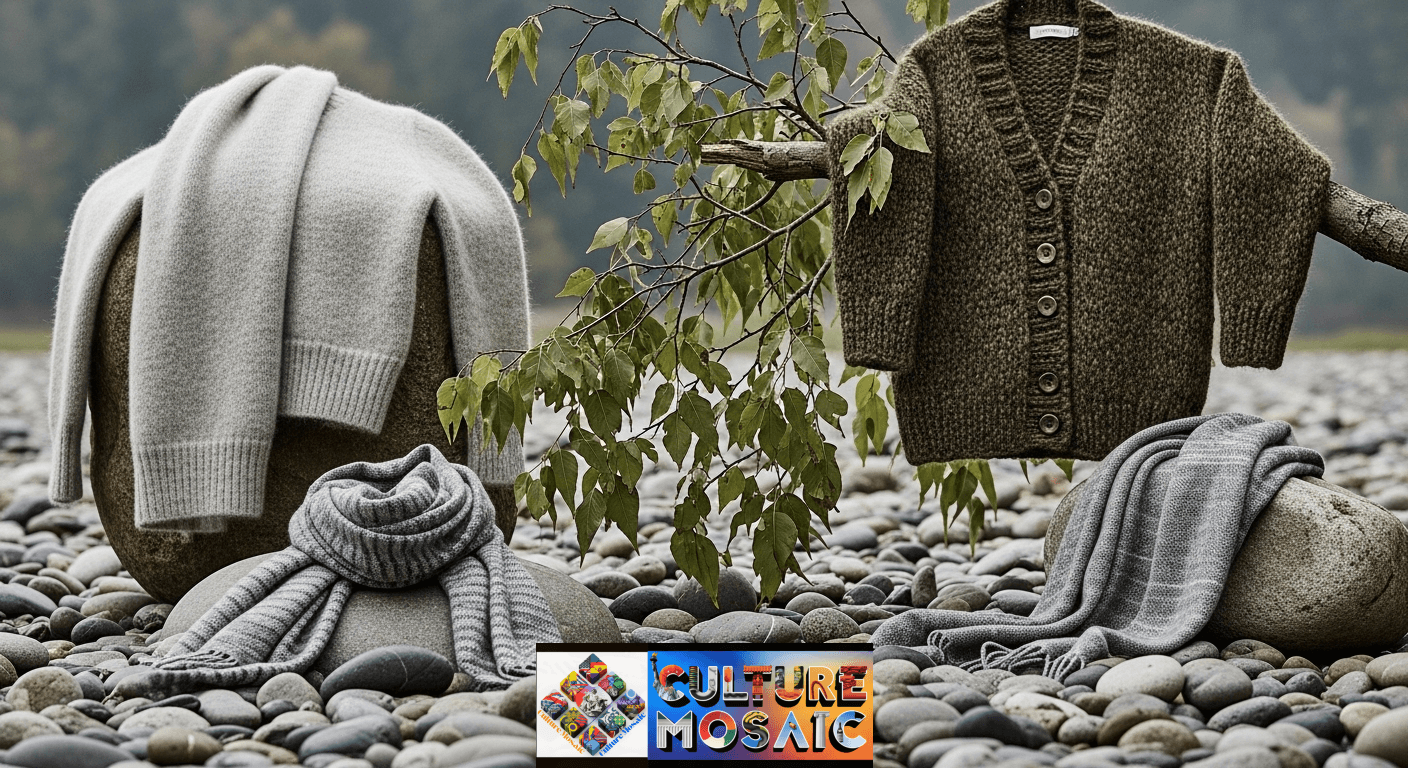
If you’ve been following fashion trends, you’ve heard about quiet luxury. The concept rejects flashy logos and obvious branding in favor of exceptional quality, perfect fit, and understated elegance.
Global artisan knitwear embodies these principles perfectly. There are no logos screaming for attention. Instead, the quality speaks for itself through the feel of the fabric, the precision of the stitches, and the way the garment drapes on your body.
A hand-knitted cashmere sweater from Mongolia or a traditionally crafted wool pullover from Ireland signals sophistication to those who know. It says you value craftsmanship over hype, longevity over trends, and authenticity over status symbols.
This approach to dressing feels more mature and confident. You’re not trying to impress anyone with a brand name. You’re simply wearing beautiful, well-made clothing that happens to have an interesting story behind it.
The quiet luxury movement also aligns with the growing rejection of overconsumption. Rather than buying multiple cheap sweaters each season, you invest in fewer, better pieces. Your wardrobe becomes more curated, more personal, and ultimately more satisfying.
Global artisan knitwear offers exactly this kind of thoughtful consumption. Each piece becomes a cherished part of your wardrobe rather than something disposable. You develop a genuine attachment to garments that improve with age rather than deteriorate.
Where to Buy Authentic Global Artisan Knitwear Online
Finding authentic global artisan knitwear requires some research, but it’s worth the effort. Here’s how to source genuine handcrafted pieces while supporting artisan communities.
- Fair Trade Certified Brands offer reliable options with verified ethical practices. Organizations like Ten Thousand Villages and NOVICA connect artisans directly with consumers, ensuring fair compensation and transparent supply chains. These platforms feature knitwear from Peru, Bolivia, Nepal, and other regions with strong textile traditions.
- Regional Specialty Shops provide access to specific traditions. Aran Sweater Market ships authentic Irish sweaters worldwide, while Icewear offers genuine Icelandic lopapeysa. These specialized retailers work directly with local knitters and maintain quality standards that honor traditional techniques.
- Artisan Cooperatives allow you to buy directly from maker groups. Organizations like Manos del Uruguay and Awamaki connect shoppers with fair trade cooperatives that support women artisans. Your purchase directly impacts real communities, and you often get detailed information about who made your garment.
- Sustainable Fashion Platforms like Not Just A Label and The Slow Label curate independent designers working with artisan techniques. These sites make it easier to discover small-batch producers who prioritize traditional methods and ethical production.
- Etsy and Maker Marketplaces can be good sources if you’re careful. Look for shops with extensive reviews, clear photos showing construction details, and transparent information about materials and origin. Be wary of “handmade” claims on obviously mass-produced items.
When shopping for global artisan knitwear, ask questions. Legitimate sellers should be able to tell you about the fiber content, where and how the piece was made, and details about the artisans involved. If a seller can’t provide this information, that’s a red flag.
The Grandpacore Connection: Why Gen Z Loves Global Artisan Knitwear
Here’s something unexpected: the biggest fans of global artisan knitwear aren’t necessarily the people you’d expect. Gen Z has embraced these traditional styles with genuine enthusiasm, creating entire aesthetic movements around them.
“Grandpacore” and “cottagecore” aesthetics celebrate cozy, vintage-inspired clothing that feels comforting and authentic. Chunky cardigans, cable-knit sweaters, and textured knits feature prominently in both styles. Young people are sharing thrift store finds and vintage pieces on TikTok and Instagram, creating communities around appreciation for quality craftsmanship.
This isn’t nostalgia for its own sake. Gen Z grew up with fast fashion and witnessed its environmental and social costs firsthand. They’re actively seeking alternatives that align with their values, and global artisan knitwear fits perfectly.
The durability appeals to a generation facing economic uncertainty. Why buy five cheap sweaters when one well-made piece will last longer than all of them combined? The math makes sense to young people building their first real wardrobes.
There’s also something refreshing about wearing pieces that don’t scream “2025 trend.” A classic fisherman’s sweater looks as good now as it did fifty years ago and will still look good in another fifty. That timelessness offers relief from the exhausting churn of trend cycles.
Social media has made it easier than ever to discover global artisan knitwear from around the world. Young people share finds, swap styling tips, and educate each other about different traditions and techniques. They’re building communities around sustainable fashion choices rather than just passive consumption.
Caring for Your Global Artisan Knitwear Investment
Once you’ve invested in quality global artisan knitwear, proper care ensures these pieces last for decades. The good news? Natural fibers are actually easier to maintain than you might think.
- Washing less is better. Wool, alpaca, and cashmere have natural antimicrobial properties that resist odors. Unless you’ve spilled something or worn a piece heavily, simply air it out between wears. When you do wash, use cold water and a gentle detergent specifically formulated for wool.
- Hand washing beats machine washing, but many modern washers have wool cycles that work fine for sturdy pieces. Always turn garments inside out, use a mesh laundry bag, and select cold water with minimal agitation. Never use hot water or put knitwear in the dryer, as this causes felting and shrinkage.
- Proper drying prevents stretching. Lay sweaters flat on a clean towel, gently reshaping them to their original dimensions. Roll the towel to remove excess water, then lay it flat on a drying rack away from direct heat or sunlight. Never hang wet knitwear, as the weight will stretch it out of shape.
- Storage matters too. Fold knitwear rather than hanging it to prevent shoulder bumps and stretching. Store in breathable cotton bags or on shelves, and add cedar or lavender to deter moths. Before storing for the season, ensure pieces are completely clean, as moths are attracted to body oils and food stains.
- Pilling happens with natural fibers, but it’s easy to manage. Use a sweater comb or fabric shaver to gently remove pills without damaging the underlying fabric. This actually helps pieces look newer longer and doesn’t harm quality knitwear.
With proper care, your global artisan knitwear will develop character rather than deteriorate. Natural fibers often look better with age, becoming softer and more comfortable while maintaining their structure and warmth.
Styling Global Artisan Knitwear for Modern Wardrobes
The beauty of global artisan knitwear lies in its versatility. These pieces work in countless contexts, from casual weekends to professional settings.
- For everyday wear, pair a chunky cable-knit sweater with straight-leg jeans and boots. The textured knitwear adds visual interest while remaining comfortable and practical. Layer over a collared shirt for a more polished look, or wear solo with a simple necklace for casual outings.
- Professional settings welcome well-made knitwear when styled thoughtfully. A fine-gauge merino or cashmere sweater in a neutral color works beautifully with dress pants or a midi skirt. The quality and fit matter more than the style itself. Well-made global artisan knitwear often has cleaner lines and better drape than cheap alternatives, making it naturally more polished.
- Layering expands possibilities. Wear a fitted turtleneck under a chunky cardigan, or layer a vest over a button-down. Global artisan knitwear often features interesting textures and patterns that add depth to otherwise simple outfits. A Fair Isle vest over a solid sweater creates visual interest without overwhelming your look.
- Don’t be afraid to mix styles. A traditional Aran sweater looks fantastic with modern pieces like sleek leather pants or a slip skirt. The contrast between traditional craftsmanship and contemporary silhouettes creates unexpectedly sophisticated outfits.
- Accessories complete the picture. Because global artisan knitwear often features rich textures and patterns, keep accessories relatively simple. Let the knitwear be the statement piece, supporting it with quality basics rather than competing for attention.
The key is treating global artisan knitwear as the quality pieces they are, rather than costume-like traditional garments. These sweaters, cardigans, and pullovers function beautifully in contemporary wardrobes when styled with confidence.
The Environmental Case for Global Artisan Knitwear
Beyond personal style and quality, global artisan knitwear represents a genuinely more sustainable approach to fashion.
- Natural fibers biodegrade, unlike synthetic alternatives that shed microplastics with every wash. When your wool or alpaca sweater eventually reaches end-of-life (which takes decades), it returns to the earth rather than persisting as pollution for centuries.
- Traditional production methods use minimal energy compared to industrial manufacturing. Hand knitting requires no electricity, and small-scale production typically involves lower-impact dyeing and processing. Many artisan cooperatives use natural dyes and traditional finishing techniques that avoid harsh chemicals.
- Longevity reduces overall consumption. One sweater worn for ten years has a dramatically lower environmental impact than ten sweaters worn for one year each, even if those cheaper alternatives initially cost less. The best thing you can do for the environment is buy less and buy better.
- Supporting artisan communities preserves sustainable practices. When you purchase global artisan knitwear, you help maintain traditional skills and local economies. This creates alternatives to industrial development that might be more environmentally damaging.
- Repair culture thrives with quality pieces. People are more likely to mend, darn, and care for knitwear they’ve invested in emotionally and financially. This extends garment life even further and reduces waste.
Among the world’s industries, fashion stands out as a major polluter. Choosing global artisan knitwear doesn’t solve everything, but it represents a meaningful step toward more sustainable consumption patterns that actually work for real people building real wardrobes.
Building a Global Artisan Knitwear Collection on Any Budget
You don’t need unlimited funds to start incorporating global artisan knitwear into your wardrobe. Smart shopping and strategic choices make quality accessible.
- Start with one investment piece that fills a genuine gap in your wardrobe. If you constantly reach for cardigans, invest in a really good one. If you live in sweaters during winter, make that your first purchase. You’ll get maximum value from pieces you actually wear regularly.
- Buy secondhand when possible. Vintage and thrift stores often have quality knitwear from decades past that’s still in excellent condition. This proves the durability of well-made pieces while making them accessible at lower price points. Online vintage shops and consignment stores expand your options beyond local thrifting.
- Watch for seasonal sales from artisan brands and ethical retailers. Many small producers offer discounts during the off-season or around holidays. Sign up for newsletters from brands you love to catch these opportunities.
- Evaluate garments by cost per wear, not just their initial cost. A $150 sweater worn fifty times per year for five years costs 60 cents per wear. That’s actually cheaper than a $30 sweater worn ten times before falling apart, which costs $3 per wear. This mental shift makes investment pieces feel more accessible.
- Build gradually rather than trying to overhaul your entire wardrobe at once. Add one or two quality pieces each season, replacing fast fashion items as they wear out. Over time, you’ll naturally transition toward a more curated, durable wardrobe.
- Prioritize versatile neutrals for your first pieces. A cream Aran sweater or charcoal merino pullover works with everything you already own, maximizing wearability. You can add more distinctive pieces later once your foundation is solid.
The goal isn’t perfection or an all-or-nothing approach. Every quality piece you choose over a disposable alternative makes a difference for your wardrobe, your budget, and the broader fashion ecosystem.
Frequently Asked Questions About Global Artisan Knitwear
What makes global artisan knitwear worth the higher price compared to regular sweaters?
Global artisan knitwear uses premium natural fibers like alpaca, merino wool, and cashmere, combined with traditional hand-knitting techniques that create superior durability and comfort. These pieces typically last ten to twenty years with proper care, compared to one to three years for mass-produced alternatives. When you calculate cost per wear over the garment’s lifetime, quality knitwear actually costs less while supporting ethical production and sustainable practices.
How can I verify that knitwear is genuinely handmade by artisans rather than factory-produced?
Look for several indicators: slight variations in stitching that show handwork, detailed information about the artisan or cooperative who made the piece, fair trade certifications, and higher price points that reflect actual labor costs. Reputable sellers provide transparency about materials, origin, and production methods. Be skeptical of “handmade” claims on very cheap items or from sellers who can’t provide specific information about their supply chain.
What’s the difference between alpaca, merino wool, and cashmere for knitwear?
Alpaca fiber comes from South American alpacas and is warmer than sheep’s wool, hypoallergenic, and very soft, particularly in the case of baby alpaca. Merino wool from merino sheep offers excellent temperature regulation, breathability, and natural odor resistance, making it versatile for various climates. Cashmere from cashmere goats is the softest and most luxurious, but requires more delicate care. All three are superior to synthetic fibers and standard wool in terms of comfort, durability, and environmental impact.
How should I care for my global artisan knitwear to make it last as long as possible?
Wash infrequently using cold water and wool-specific detergent, either by hand or on a gentle machine cycle inside a mesh bag—always dry flat rather than hanging to prevent stretching, and never use heat. Store folded in breathable containers with cedar or lavender to deter moths. Remove pills gently with a sweater comb, and address small repairs immediately before they become bigger problems. Natural fibers actually improve with age when properly cared for.
Can global artisan knitwear work in professional office environments?
Absolutely. Well-made knitwear in fine gauges and neutral colors works beautifully in professional settings when styled appropriately. A quality merino or cashmere sweater paired with dress pants or a pencil skirt looks polished and sophisticated. The key is choosing pieces with clean lines, solid construction, and appropriate fit. In fact, the superior quality of global artisan knitwear often looks more professional than cheaper alternatives that pill, stretch, or lose their shape quickly.