
 By Culture Expert
The age of the mega-festival is evolving. On January 2nd, as the confetti settles from 2025, we find ourselves entering a year defined by what industry insiders are calling “Niche-mony”—festivals that prioritize ancestral connection, local ecology, and the art of being present. This is the 2026 intentional gathering shift, and it’s redefining how we come together.
Understanding the 2026 Intentional Gathering Shift
The 2026 intentional gathering shift represents a fundamental transformation in how people choose to celebrate, connect, and experience community. After years of massive conferences and sprawling music festivals, organizers are designing smaller, more intentional gatherings that cater to the demand for relevant, outcome-driven experiences. This isn’t just about downsizing for its own sake. It’s about creating meaning.
The shift reflects changing attendee expectations. People aren’t just showing up anymore because an event exists. Participation increasingly depends on clear value, relevance, and outcomes. This change affects everything from corporate conferences to music festivals, wedding celebrations to neighborhood gatherings.
From Spectacle to Sanctuary
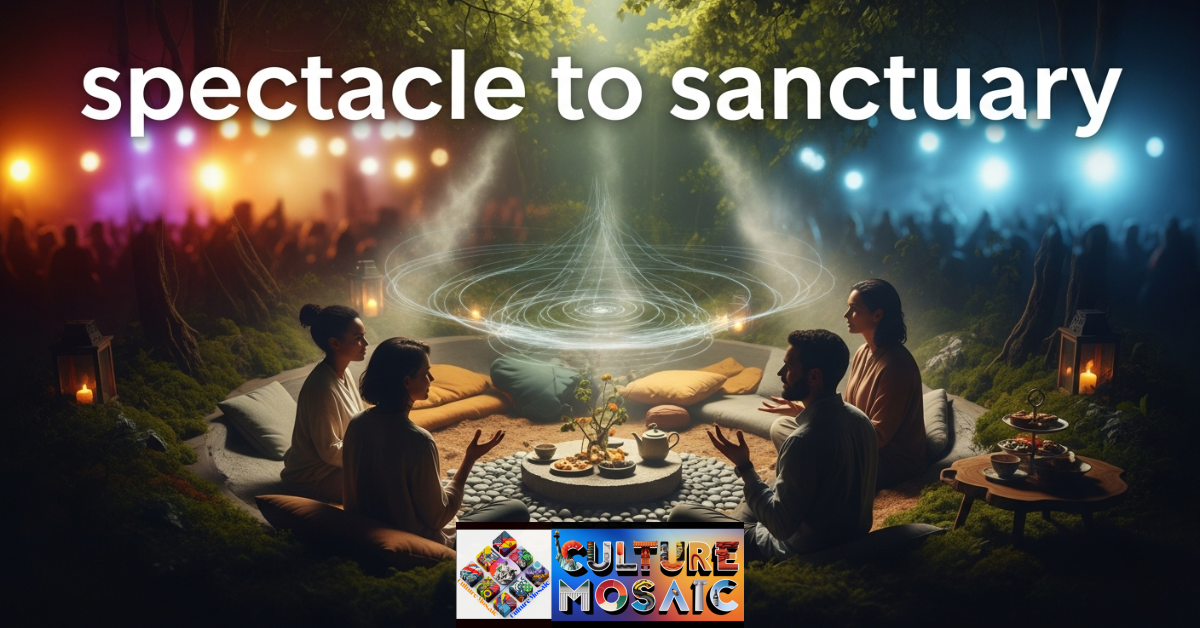
The transformation from loud stages to deep listening spaces represents the heart of the 2026 intentional gathering shift. Events are gravitating toward experiences that feel more intentional, more interactive, and more visually engaging. But “engaging” no longer means bigger and louder. It means more present, more connected, more real.
Festivals in 2026 are moving away from the sensory overload model. Instead, they’re embracing what some call “sanctuary spaces”—environments designed for genuine connection rather than passive consumption. These spaces incorporate elements like culinary rituals that honor heritage, soundscapes that encourage reflection, and layouts that facilitate conversation rather than prevent it.
The Slow Festival Movement Takes Hold
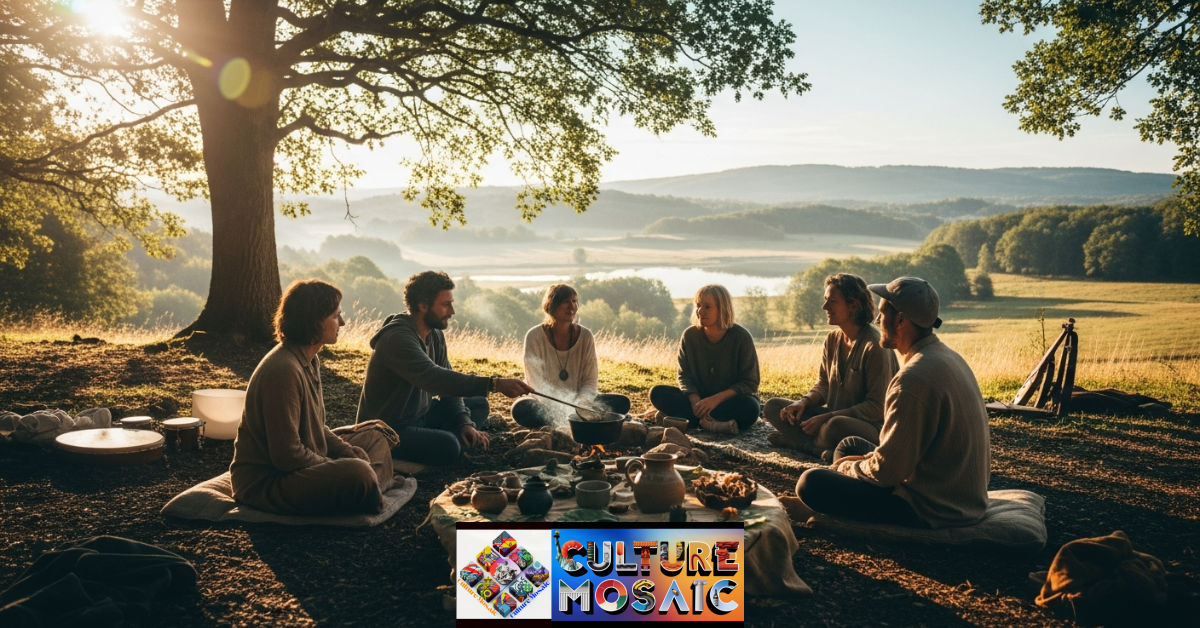
One of the most dramatic expressions of the 2026 intentional gathering shift is the rise of slow festivals. These events might last a week, but host only 100 people. The model flips the traditional festival math on its head. Instead of maximizing attendance to drive revenue, slow festivals maximize experience to drive transformation.
This approach creates space for what matters. Attendees aren’t racing from stage to stage trying to catch every act. They’re participating in cooking workshops that explore ancestral food traditions. They’re sitting in circles sharing stories. They’re experiencing what happens when you slow down enough to actually be present with other humans.
What Makes Slow Festivals Different
Slow festivals operate on different principles than their massive counterparts. The focus shifts from entertainment consumption to active participation. Rather than watching performers from a distance, attendees might cook alongside chefs, learn traditional crafts from local artisans, or participate in community rituals that have existed for generations.
These gatherings prioritize quality of connection over quantity of activities. The schedule includes built-in unstructured time—something almost unheard of in traditional festival planning. This space allows for the spontaneous conversations and unexpected friendships that people remember long after the event ends.
Micro-Gatherings Become the Megatrend
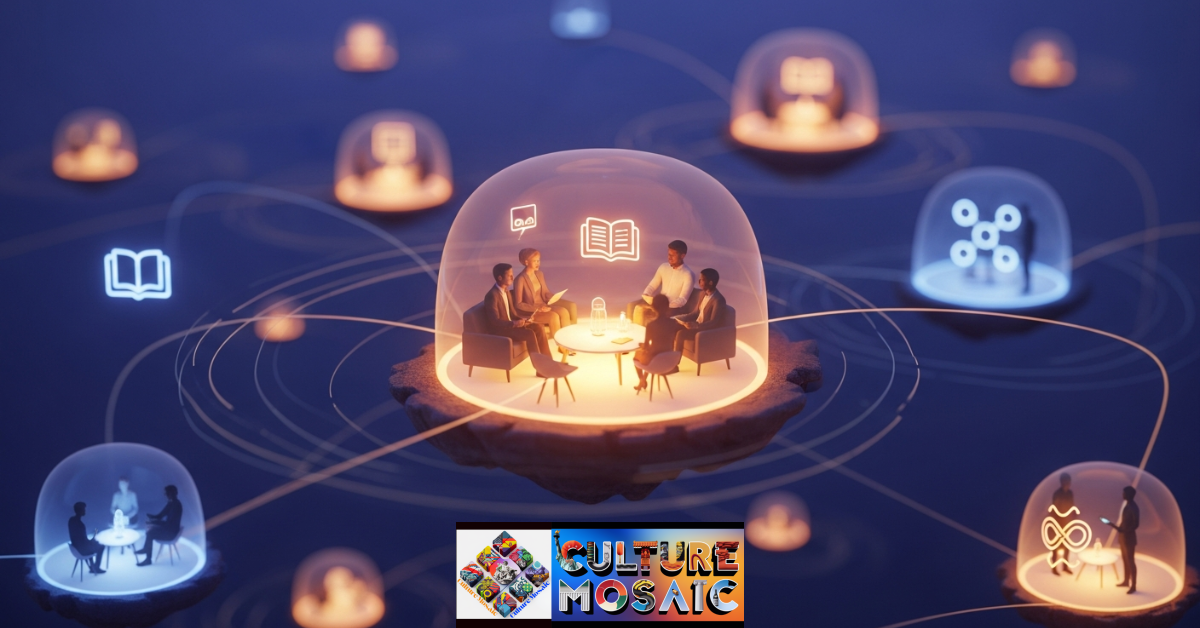
Micro events are becoming a significant trend for 2026, emphasizing smaller, intentional gatherings rather than large-scale conferences.. This micro-gathering movement isn’t replacing large events entirely. Instead, it’s forcing the entire industry to reconsider what gatherings should accomplish.
The economics support the shift. Smaller gatherings generally need less elaborate production and logistics, while often providing higher perceived value for attendees and sponsors. In uncertain economic times, this trade-off becomes increasingly attractive to both organizers and participants.
But economics only tells part of the story. The real driver is generational change. Younger professionals are far more selective about how they spend their time. They evaluate events based on return on experience, not just return on investment. Will attending this gathering genuinely enrich their lives, expand their networks, or teach them valuable skills? If not, they’re staying home.
Comparing Festival Models: 2025 vs 2026
| Aspect | 2025 Festival Vibe | 2026 Intentional Gathering | ROI for the Attendee |
|---|---|---|---|
| Attendance | Mass attendance | Curated communities | Networking & belonging |
| Environment | Disposable decor | Eco-stewardship | Alignment with values |
| Participation | Passive watching | Active co-creation | Skill acquisition |
| Duration | Weekend blitz | Extended experience | Depth over breadth |
| Focus | Entertainment | Transformation | Personal growth |
The Role of Eco-Stewardship
Environmental consciousness has shifted from optional to essential in the 2026 intentional gathering shift. Eco-conscious event design is shifting from a trend to a baseline expectation, with hosts requesting reduced waste culinary programs, energy-efficient lighting, and minimal single-use materials.
Festivals are becoming laboratories for sustainable living. Attendees, especially younger cohorts, are demanding transparency on sustainability, pushing organizers to embed climate accountability into ticketing language, site planning, artist contracts, and community engagement. The culture of celebration itself is becoming part of the climate narrative.
This isn’t just about using compostable cups. It’s about fundamentally rethinking how we gather. Can a festival source its food entirely from local farms within a 50-mile radius? Can it operate on renewable energy? Can it leave the land better than it found it? These questions now define successful event planning.
Active Co-Creation Replaces Passive Attendance
Perhaps the most radical aspect of the 2026 intentional gathering shift is the move toward participant-directed experiences. People want to shape, influence, and feel responsible for experiences.
This manifests in various ways. Some festivals use real-time polling to let attendees vote on schedule changes. Others create “open space” sessions where participants propose and lead their own discussions. The best implementations make attendees feel like co-creators rather than customers.
The shift requires different thinking from organizers. Events must be designed with dynamism, participation, and continuity at the core. This means building flexibility into every element—from venue layout to scheduling to content creation.
Building Year-Round Community
The 2026 intentional gathering shift extends beyond individual events. The most valuable events will operate as year-round cultural engines, living across multiple touchpoints: digital platforms, micro-events, community-led sessions, and ongoing co-creation channels.
This approach transforms festivals from one-time transactions into ongoing relationships. A music festival might host monthly virtual listening parties between annual gatherings. A food festival might support year-round cooking clubs in different cities. The event becomes one chapter in a larger story rather than the entire story.
This continuity model serves both organizers and attendees. Organizers build stronger communities and more reliable revenue streams. Attendees get ongoing value rather than a single weekend experience. Everyone wins when gatherings become part of a continuous conversation rather than isolated moments.
The Economics of Intentional Gathering
The financial model for intentional gatherings looks different from traditional festivals. Rather than maximizing ticket sales to the largest possible crowd, these events focus on delivering such exceptional value that attendees return year after year and bring their friends.
This approach values lifetime relationship value over single-transaction revenue. A 100-person slow festival might charge premium prices because it delivers a transformative experience. Those 100 people become ambassadors, creating demand that allows organizers to host multiple gatherings throughout the year.
The economics work because audiences are more selective, choosing experiences that feel intentional, relevant, and worth their time. They’re willing to pay more for experiences that genuinely matter to them. The challenge for organizers is actually delivering that value rather than just promising it.
Neighborhood Micro-Festivals Lead the Way
Some of the most interesting examples of the 2026 intentional gathering shift are happening at the hyperlocal level. Micro-festivals reclaimed space, allowed neighbors to know each other, and reminded people how to celebrate without permission. These weren’t about headliners or profit. They were about community.
From street closures for block parties to pop-up gatherings in parks, these micro-festivals demonstrate that the shift toward intentional gathering isn’t just for large commercial events. It’s reshaping how communities come together at every level.
These neighborhood events often start with simple questions: What if we knew our neighbors? What if we celebrated together without needing corporate sponsors or official permission? What if the goal was connection rather than consumption? The answers are transforming British streets, American neighborhoods, and communities worldwide.
Technology Serves Connection, Not Distraction
The 2026 intentional gathering shift has a nuanced relationship with technology. Advanced streaming technologies, interactive polling tools, and AI-driven networking platforms are blurring the lines between in-person and digital participation. But technology serves the experience rather than defining it.
The best implementations use technology to enhance human connection. Apps that help attendees find others with shared interests. Platforms that facilitate conversations before, during, and after events. Tools that make it easier to participate rather than harder to be present.
The key is intentional design. Technology should reduce friction and create possibilities without becoming a distraction from the core experience of being together.
What This Means for Event Organizers
For anyone planning gatherings in 2026 and beyond, the intentional gathering shift demands new approaches. Start by asking what your event is really for. Is it to deliver information? Build community? Create a transformation? Facilitate connection? The answer shapes everything else.
The events that stand out won’t feel generic or transactional; they’ll feel human, intentional, and designed with the audience in mind. This requires understanding your attendees deeply. What do they value? What experiences would genuinely enrich their lives? What would justify their time and money?
Then design backward from those answers. Every element of your event—from venue selection to schedule pacing to food choices—should support your core purpose. If something does not serve its intended purpose, eliminate it.
The Future of Intentional Gathering
Looking beyond 2026, the shift toward intentional gathering appears durable rather than temporary. The factors driving it—generational change, economic pressure, environmental consciousness, desire for genuine connection—aren’t going away.
We’re likely to see continued innovation in how gatherings work. More experiments with participant-directed programming. More integration of digital and physical experiences. More focus on sustainability and local connection. More emphasis on creating value that justifies the time and resources people invest.
The organizations that thrive will be those that genuinely embrace intentional design rather than just talking about it. Those who build real communities rather than just collecting email addresses. Those who measure success by transformation rather than ticket sales.
Key Takeaways
The 2026 intentional gathering shift represents more than a trend. It’s a fundamental rethinking of why and how we come together. The movement from spectacle to sanctuary, from passive attendance to active co-creation, from one-time events to ongoing community—these changes are reshaping the entire landscape of human gathering.
For attendees, this shift offers richer, more meaningful experiences. For organizers, it demands deeper thinking and more authentic execution. For communities, it creates opportunities to reconnect and celebrate in ways that honor both people and planet.
The confetti has settled. The age of intentional gathering has begun. The question now is how we’ll shape it together.
Frequently Asked Questions
1. What is the 2026 intentional gathering shift?
The 2026 intentional gathering shift is a movement away from large, passive events toward smaller, more meaningful gatherings that prioritize genuine connection, active participation, and transformative experiences over spectacle and entertainment.
2. Why are micro-events becoming popular in 2026?
Micro-events deliver higher perceived value through deeper engagement, require fewer resources, and align with younger attendees’ expectations for relevant, outcome-focused experiences that respect their time and values.
3. How do intentional gatherings differ from traditional festivals?
Intentional gatherings focus on curated communities rather than mass attendance, emphasize eco-stewardship over disposable decor, and create opportunities for active co-creation rather than passive consumption.
4. Are large festivals disappearing?
No, large festivals aren’t disappearing. However, they’re evolving to incorporate more intentional design elements, including micro-experiences within larger events and year-round community building between annual gatherings.
5. What makes slow festivals different from regular festivals?
Slow festivals host fewer people for longer periods, prioritizing depth of experience over breadth of programming. They include unstructured time, focus on skill acquisition and community building, and often emphasize local ecology and heritage connections.