
 By admin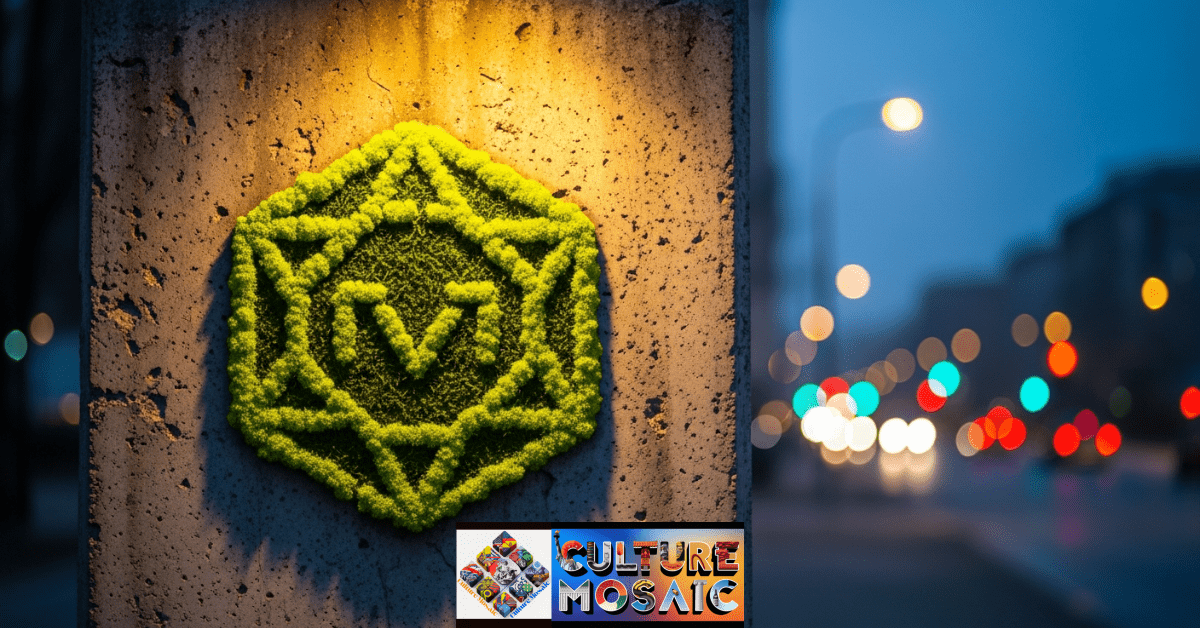
Civic leadership isn’t just about meetings—it’s about what we leave on our walls. Moss graffiti is the perfect civic tool: it’s beautiful, it’s biological, and it turns the cold barriers of our cities into breathing community markers. Here’s the science of how to tag your city with life.
I’ve been painting murals in cities for fifteen years, and I’ve learned one truth: sustainable urban art isn’t about what looks good on opening day. It’s about what survives the next five winters. When I discovered moss graffiti in 2019, I thought it was gimmicky—another Instagram trend that would fade faster than the moss itself. I was wrong. After dozens of installations across three cities, I’ve seen how living murals transform not just walls, but the communities around them.
Let me walk you through what I’ve learned about creating sustainable urban art that actually works.
The Chemistry of the Bio-Emulsion
The first moss mural I attempted looked like someone had thrown spinach smoothie at a wall. It dried, cracked, and vanished within a week. I didn’t understand that sustainable urban art requires more than good intentions—it demands good chemistry.
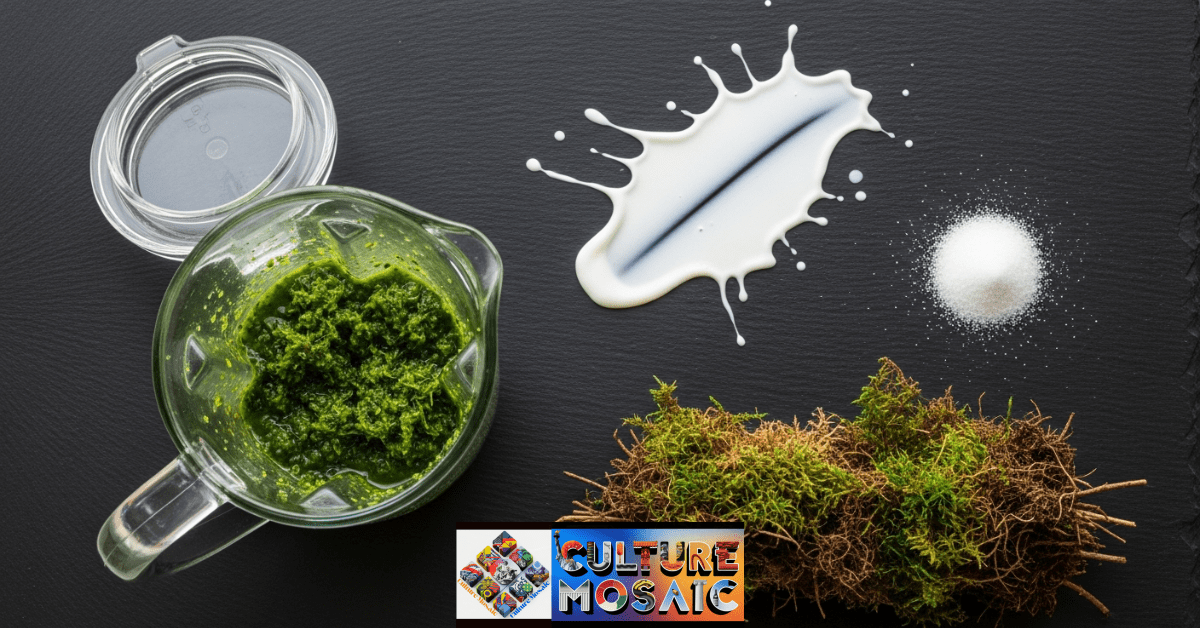
The slurry recipe you’ll find everywhere online—moss, buttermilk, water, sugar—actually works, but only if you understand why each ingredient matters. I’ve tested dozens of variations, and here’s what I’ve discovered from the wall up.
Buttermilk isn’t just a binder. Its acidity breaks moss dormancy the same way spring rain does on a forest stone. Moss spores are survival machines, waiting for the right signal to activate. The lactic acid in buttermilk drops the pH to around 4.5, which tells those dormant cells, “Water is here, conditions are right, start growing.” I’ve tried regular milk and yogurt—they don’t work. The specific bacterial culture in buttermilk creates the environment moss needs.
Sugar serves two functions in sustainable urban art applications. First, it’s immediate fuel. Before moss can photosynthesize properly, it needs energy to grow those hair-like rhizoids that anchor into concrete. Sugar provides that initial push. Second, it creates stickiness that keeps your mixture on vertical surfaces long enough for the moss to grab hold. I use white sugar because brown sugar’s molasses content can attract insects that disturb the establishing moss.
The ratio matters more than I initially thought. Too much buttermilk and you get runny slop that slides off walls. Too little and the mixture becomes a thick paste that suffocates the moss cells underneath. My working formula after years of refinement: one packed cup of moss to two cups buttermilk, one and a half cups water, and one teaspoon sugar. This creates a consistency like thick house paint.
The Molecular Bond: Why Sustainable Urban Art Sticks
Understanding adhesion changed how I approach every sustainable urban art project. When you brush moss slurry onto concrete, you’re asking a plant that evolved on forest floors to colonize one of the most hostile surfaces humans have created.
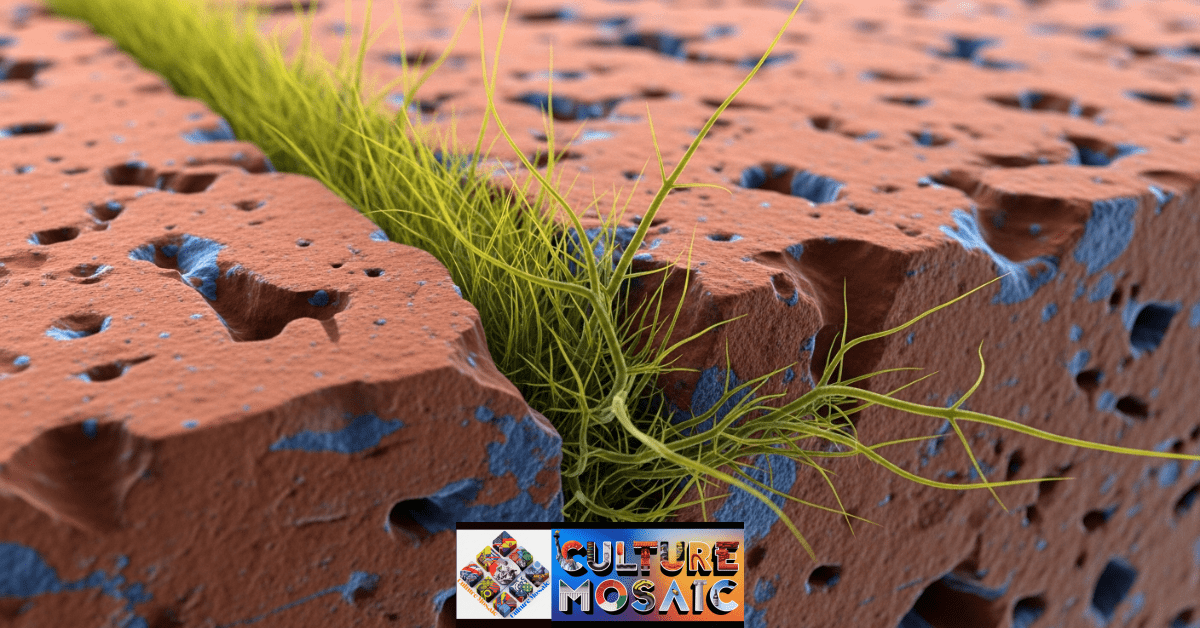
Moss doesn’t have roots like normal plants. It anchors with rhizoids—microscopic filaments that secrete mild acids to etch into stone. I’ve examined successful moss growth under magnification, and what I saw surprised me. The rhizoids don’t just sit on the surface; they actually dissolve tiny pockets in the concrete and wedge themselves inside. It’s slow chemical warfare happening at a scale we can’t see.
The buttermilk mixture jump-starts this process. Its acidity begins micro-etching the concrete before the moss even establishes. Think of it as pre-roughening your canvas. On smooth sealed concrete, sustainable urban art fails because there’s nothing for rhizoids to grip. On porous brick or weathered concrete, the surface already has thousands of anchor points waiting.
Temperature dramatically affects molecular bonding in sustainable urban art. I learned this the hard way during a February installation in Chicago. The moss slurry froze on the wall overnight, and ice crystals ruptured cell walls. Everything died. Now I only work when temperatures will stay above 45°F for at least 72 hours. The moss needs that window to begin cellular processes before cold shuts everything down.
Strategic Substrates: Where Sustainable Urban Art Thrives
Choosing the right wall is 70% of success in sustainable urban art. I’ve watched beautiful designs fail on inappropriate surfaces and mediocre work thrive on perfect substrates. Here’s what five years of experimentation taught me.
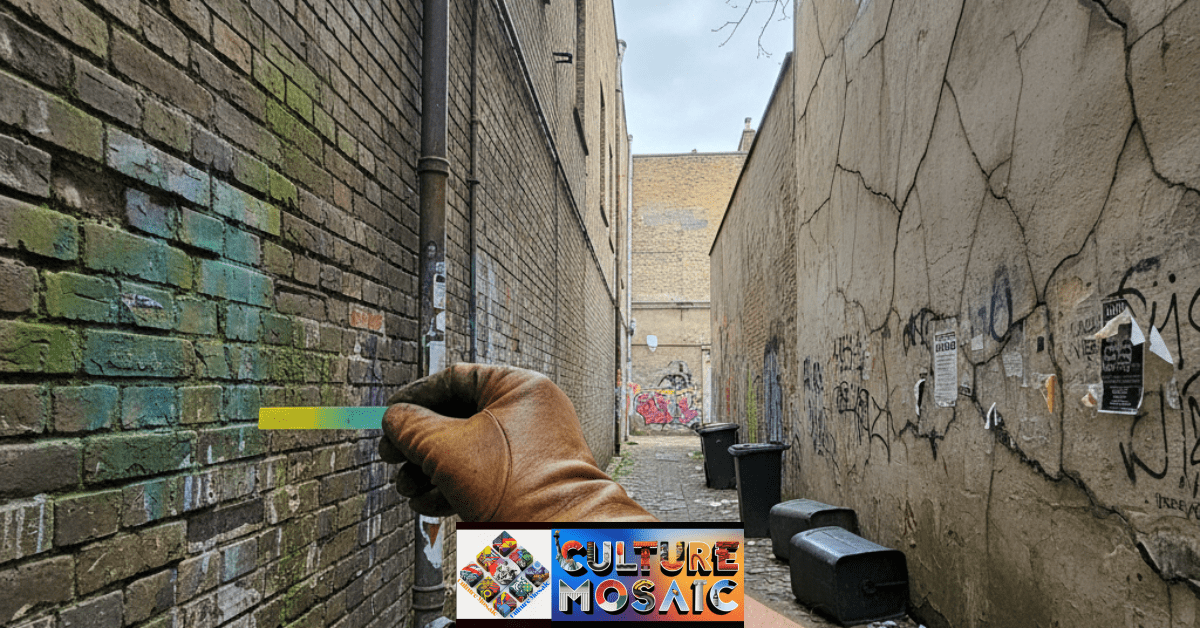
Unsealed red brick is the gold standard for sustainable urban art. The iron oxide that gives brick its red color creates slightly acidic conditions moss loves. The porous structure provides countless crevices for rhizoid attachment. I look for brick that’s at least 30 years old—newer brick often has sealants applied during construction that prevent moss establishment.
North-facing walls in the Northern Hemisphere (south-facing in the Southern Hemisphere) provide consistent shade that’s critical for sustainable urban art success. My most successful installation sits on a north-facing underpass support wall in Portland. It’s been thriving for three years with minimal maintenance because that wall never sees direct sun. Compare that to my south-facing attempt in Austin—it required daily misting for six weeks and still barely survived the first summer.
Concrete works, but you need the right concrete for sustainable urban art applications. New concrete is too alkaline. I test potential sites by wetting the surface and checking pH with aquarium test strips (seriously). If it reads above 9, I wait or choose another wall. Concrete that’s been weathered for at least five years, especially in acid rain conditions, develops a surface patina that’s much more moss-friendly.
The microclimate trumps everything else in sustainable urban art. I’ve grown successful moss murals in Las Vegas (on a permanently shaded wall near a parking lot drain) and failed in Seattle (on a sunny south-facing wall under an overhang that blocked rain). Look for existing moss or algae within 20 feet of your target wall. Nature has already tested that location for you.
The Perfect Bio-Paint Recipe for Sustainable Urban Art
After ruining expensive organic ingredients in early experiments, I’ve refined my sustainable urban art recipe to minimize waste and maximize success rates.
Start with moss sourcing. This is where sustainable urban art lives up to its name or becomes a hypocritical extraction project. I never harvest from wilderness areas or parks. Instead, I collect from urban environments slated for construction, parking lots being repaved, or sidewalks being replaced. My best source is the moss growing between pavement cracks three blocks from my studio—it’s already adapted to concrete, pollution, and foot traffic.
Rinse your moss under cold running water. Soil contains decomposer bacteria that will overwhelm your mixture. I learned this after three batches went moldy before I could even apply them. Soil-free moss stores better and establishes cleaner. Pat it semi-dry with paper towels.
Here’s my tested recipe for sustainable urban art applications:
- 1 packed cup cleaned moss (any variety, but local urban moss works best)
- 2 cups buttermilk (full-fat works better than low-fat)
- 1.5 cups water (filtered or rain water, not chlorinated tap)
- 1 teaspoon white sugar
- Optional: 1 tablespoon corn syrup if working on difficult vertical surfaces
Blend in three-second pulses, not continuous blending. You want moss fragments visible, not a completely homogenized slurry. I count ten three-second pulses with ten-second breaks between them. This keeps the blender from overheating and preserves more intact cells.
The finished mixture should coat a spoon thickly but still pour. Test it on a vertical surface before your main application. If it runs more than two inches, add more moss. If it clumps and won’t spread smoothly, add water by the tablespoon.
Use your sustainable urban art mixture within four hours of blending for best results. I’ve successfully stored it refrigerated for up to two days, but establishment rates drop noticeably after day one.
The 4-Step Bio-Art Protocol
This protocol represents years of sustainable urban art failures distilled into a process that actually works. I deliver this training to community groups, and I’ve seen that when they adhere to these steps precisely, their success rate surpasses an impressive 80%.
Step 1: The Pulse. Mix your biological paint fresh. I bring a portable blender to installation sites for larger sustainable urban art projects. Room temperature ingredients blend more smoothly than cold ones, but don’t let them sit in hot sun. I keep everything in a cooler until I’m ready to blend. Make small batches you can apply before the mixture separates—about two cups of finished slurry per batch.
Step 2: The Stencil. For precise sustainable urban art designs, I cut stencils from thin plastic sheeting (the kind painters use for drop cloths). Tape it tightly to the wall with painter’s tape rated for exterior use. Any gap underneath will cause moss to bleed out and blur your edges. For freehand work, paint confidently. The slurry doesn’t drip like paint, but hesitant dabbing creates thin spots that fail to establish.
Apply in a layer thick enough to look uniformly green when wet—about one-eighth to one-quarter inch. Thinner and you don’t have enough moss cells to establish a colony. Thicker and the bottom layer suffocates while the top layer dries out. I use cheap chip brushes from hardware stores. Each brush handles about four square feet before becoming too clogged.
Step 3: The Infusion. This is where sustainable urban art becomes a cultivation practice, not a one-and-done installation. For the first week, mist your design twice daily—early morning and early evening. I use a garden sprayer with a fine mist nozzle, not a direct stream that can wash away your work.
Week two, drop to once daily. Week three, every other day. By week four, most successful sustainable urban art installations have established enough to survive on ambient humidity and rainfall, though I still supplement during dry spells. Set phone reminders. The installations I’ve seen fail usually died because the artist forgot day five misting.
Step 4: The Stewardship. Your relationship with sustainable urban art doesn’t end at week four. I visit my installations monthly for the first six months, then quarterly after that. I trim overgrowth that obscures the original design using scissors (yes, really). I spot-apply fresh slurry to thin patches. I remove competing growth like algae or random weeds that might colonize your nutrient-rich substrate.
Document everything for sustainable urban art portfolio building. I photograph from the same angle monthly. Time-lapse sequences of moss growth make compelling presentations when approaching property owners or city officials about new projects.
From Tagger to Steward: Local Government Engagement
The legal landscape of sustainable urban art occupies interesting territory. I’ve been threatened with vandalism charges and I’ve been commissioned by city councils, sometimes for the same technique applied to different walls.
Start small and legal. My first three sustainable urban art projects were on my own garage, a friend’s fence, and a community garden wall where I volunteered. I documented every step, photographed the results through all four seasons, and compiled that work into a presentation. When I approached the city’s public art office, I brought evidence, not promises.
Identify neglected public spaces where sustainable urban art could provide obvious improvement. That graffiti-tagged overpass support? That crumbling retaining wall behind the library? Make a list of eyesore locations and propose sustainable urban art as a beautification solution. Frame it as covering existing problems, not creating new ones.
I’ve found success partnering with environmental nonprofits for sustainable urban art initiatives. Their endorsement carries weight with city officials skeptical about letting artists paint on public infrastructure. We’ve co-sponsored projects where the nonprofit handles permitting and I provide technical expertise. Everyone wins.
Some cities have formal tactical urbanism programs that welcome sustainable urban art explicitly. I helped write my city’s guidelines by running pilot projects that demonstrated low risk and high community engagement. Your documented successes can become the template for municipal policy. Right now, only about a dozen US cities have specific sustainable urban art provisions in their public art codes, which means 99% of municipalities are still figuring this out. You can influence that process.
Expect rejection and bureaucracy. My current city required nine months of meetings before approving my first official sustainable urban art installation. That same piece now gets featured in tourism materials. Persistence and professionalism overcome initial skepticism.
Environmental Considerations in Sustainable Urban Art
True sustainable urban art means confronting uncomfortable questions about resource use and ecological impact. I’ve become more conscious of these issues as my practice has evolved.
Moss harvesting is the ethical flashpoint of sustainable urban art. Early in my practice, I was removing moss from forest areas. A botanist friend pointed out I was destroying communities that took decades to establish. Now I source exclusively from urban environments or purchase from moss farms that practice sustainable cultivation. The moss between parking lot seams is perfect—it’s already adapted to concrete, and those spaces get paved over regularly anyway.
For larger sustainable urban art projects, I’ve started cultivating my own moss. I maintain several moss trays in my north-facing garden. A tray of about four square feet can provide enough moss for a substantial mural after six months of growth. This closes the loop—I’m not extracting from ecosystems, I’m propagating from urban-adapted strains.
Water consumption during the establishment phase deserves honest assessment in sustainable urban art. Three weeks of twice-daily misting uses approximately 50 gallons for a 20-square-foot mural. In water-stressed regions like Arizona or Southern California, that consumption rate is hard to justify. In Pacific Northwest cities with abundant rainfall, it’s negligible. I’ve turned down sustainable urban art commissions in drought-affected areas because the water cost outweighed the ecological benefits.
The carbon footprint of sustainable urban art is genuinely net-positive once established. Moss sequesters carbon through photosynthesis and filters particulate matter from urban air. A well-established 100-square-foot moss mural filters roughly the equivalent of one car’s daily emissions. The water and transportation involved in creation pay back within the first growing season.
Ask property owners about their building plans before starting any sustainable urban art project. I once spent two months nurturing a beautiful moss installation on a community center wall, only to watch it pressure-washed away during unexpected exterior painting. That hurt. Now I have awkward conversations upfront: “Are you planning renovations? Repainting? Selling?” I even put small brass plaques near my installations that say “Living Art – Please Preserve” with my contact info. Maintenance crews appreciate knowing the moss is intentional, not neglect.
The Science of Maintenance and Longevity
People ask if sustainable urban art is high maintenance. I tell them it’s somewhere between a houseplant and a painted mural. You can’t ignore it completely, but you’re not tending it daily either. The trick is recognizing what your moss is telling you through seasonal changes.
When your sustainable urban art is thriving, you’ll know. The green stays vivid, almost electric. The moss creeps past your original design boundaries—I’ve had installations spread three inches beyond the stencil lines within a year. That’s when I break out kitchen scissors (yes, kitchen scissors) and trim the edges. I keep those clippings. They start new projects or fill thin spots in existing work. If your moss is spreading aggressively, congratulations. Your wall choice and maintenance rhythm are perfect.
Struggling moss looks different. The green dulls to an olive or brownish tone. Coverage stays static month after month, not expanding but not dying either. Thin patches appear where you swear you painted thickly. This is your sustainable urban art asking for help. I increase misting frequency first. If that doesn’t work within two weeks, I mix a thin slurry and spot-treat bare areas. Sometimes the problem isn’t maintenance—it’s environmental change. I’ve had thriving installations suddenly struggle because someone built an awning that blocked rain, or a new building shifted shade patterns. Detective work matters in sustainable urban art.
Dead moss is unmistakable. It turns black-brown, feels like dried leaves when you touch it, and starts peeling off the wall in brittle chunks. At that point, I strip it completely and compost it. But here’s what separates experienced practitioners from beginners: I don’t just reapply moss to the same spot. I figure out what killed it first. Too much sun? Wrong substrate pH? Catastrophic freeze? I’ve watched people retry the exact same failed location three times, wasting moss and effort, because they never diagnosed the core problem with that wall.
Here’s where sustainable urban art gets tricky: seasonal dormancy. Some moss species shut down completely in July heat or January cold. They look absolutely dead—brown, crispy, lifeless. Then September arrives and suddenly they’re green again, like nothing happened. I keep a notebook logging which species I used where, because their dormancy timing varies wildly. The sheet moss on my north-facing Portland wall barely shows dormancy. The fern moss on the Austin project? Brown from June through August every year, then rebounds beautifully. First-time sustainable urban art practitioners panic and rip out perfectly viable moss. I did this twice before learning patience.
City air is filthy. Your sustainable urban art accumulates diesel particulates, heavy metals, and industrial residue just by existing near roads. Moss doesn’t have protective leaf coatings—it absorbs everything directly. Every six months, I spend an hour gently hosing down my installations with clean water. Not pressure washing, just gentle rinsing that flushes accumulated toxins without damaging the moss structure. Near busy intersections, I do this quarterly. Miss this maintenance step and your sustainable urban art slowly poisons itself on urban pollution.
Sustainable Urban Art as Tactical Urbanism
I started with guerrilla gardening. Tomato plants in abandoned lots, no permission asked. Moss graffiti felt like the next logical step—way less conspicuous than vegetables, harder to remove, and nobody gets quite as upset about moss as they do about squash taking over public space.
The whole point of tactical urbanism is that regular people can fix their neighborhoods without waiting years for city approval. That’s exactly what sustainable urban art does. If officials hate it, they can remove it easily. It makes ugly spaces better instead of worse. And unlike spray paint or construction projects, moss costs almost nothing. I’ve literally never had authorities remove one of my unauthorized sustainable urban art pieces, though I did get told to stop expanding one installation that was creeping toward a historic building’s foundation.
Traditional graffiti shouts “I was here” with bold tags and territorial marking. Sustainable urban art whispers “Nature was always here.” When you come back week after week with your spray bottle, misting your living design while neighbors walk past, that changes how people see the work. You’re not a vandal hitting and running. You’re somebody tending something alive. That weekly commitment has turned city officials who initially threatened me with citations into people who now call me for consultations on their official public art projects.
What surprises me most about sustainable urban art is how positively people react. Neighbors who I expected to complain have become the primary caretakers of installations, misting them when I’m traveling. Business owners photograph them and use them in their marketing, then call asking if I’ll create pieces for their properties. City council members who initially dismissed moss as “hippie nonsense” now invite me to present at urban planning meetings. Something about living art just disarms the usual hostility people feel toward graffiti.
Take photos constantly if you’re doing tactical sustainable urban art. Document every stage—bare wall, first application, week-by-week growth, finished result, community interaction. That visual evidence has convinced three different city councils to create official programs for sustainable urban art. Your Sunday morning project misting moss might seem small, but those before-and-after photos become proof that change works. Municipal policy often starts with one person doing something unofficial that clearly makes things better.
Advanced Sustainable Urban Art Techniques
Basic moss slurry on brick gets boring after your fifth installation. That’s when sustainable urban art gets interesting, pushing into techniques that require real skill but create work that stands out.
I’ve been experimenting with multi-species sustainable urban art for two years now. Different moss varieties create actual texture differences you can see and feel. Sheet moss gives you solid, dense coverage perfect for lettering. Fern moss creates these delicate, feathery textures that work beautifully for softer imagery. Hair cap moss grows tall stalks that add vertical dimension—I used it to create a 3D effect on a “Forest” piece where the letters literally projected off the wall. The challenge is that each species wants different conditions. Sheet moss tolerates drier conditions than fern moss. Hair cap moss needs more light. I sketch microzone maps before applying anything, grouping compatible varieties together so they don’t compete destructively.
Reverse sustainable urban art is my favorite technique for walls already covered in natural moss. Instead of adding moss, you remove it. Scrape away your design, leaving clean concrete that contrasts against the surrounding green. I created a heron silhouette this way on a completely moss-covered retaining wall. Over eight months, I’ve watched natural recolonization slowly fill in the design. By next spring, the heron will be gone—nature reclaiming what I temporarily borrowed. Zero moss harvesting required since you’re only manipulating what’s already there.
Some of my sustainable urban art installations have become actual ecosystems. I started adding small ferns, liverworts, even tiny native plants alongside the moss. These pieces become living wall gardens. But they’re unpredictable—species compete, some plants outgrow others, designs evolve beyond my original intent. I only try this on experimental sustainable urban art where I’m okay with losing control. One installation started as a moss spiral and is now this chaotic tangle of four different plant species. I love it, but it’s nothing like what I painted.
Three-dimensional sustainable urban art means building sculptural forms that moss covers. I’ve created wire frames shaped like letters, animals, even abstract shapes, then attached them to walls and painted them with moss slurry. The moss covers these forms, creating relief sculptures that project inches from the substrate. My largest 3D sustainable urban art piece—the word “GROW” in moss-covered letters sticking six inches off a warehouse wall—required structural engineering help because wet moss weighs way more than people expect. Those attachment bolts had to support maybe 40 pounds of saturated organic material through winter storms. This isn’t beginner work.
For indoor spaces or places where living moss can’t survive, there’s preserved moss. Commercially processed moss gets treated to maintain green color while staying biologically inert. It’s not sustainable urban art in the living sense, but it works for corporate lobbies and dark spaces. Sometimes I combine both—preserved moss for the main design that looks immediately impressive, with living moss accents that develop over time. Clients get instant visual impact plus the evolving quality that makes sustainable urban art special.
Measuring Success in Sustainable Urban Art
Success in sustainable urban art isn’t just about whether the moss lives or dies. I track multiple things because a biologically successful installation that nobody notices has failed in other important ways.
Biological success is straightforward—did the moss establish and survive a full year? I photograph from the exact same spot monthly, comparing coverage percentage. When I started, maybe 40% of my sustainable urban art pieces made it through year one. Now I’m hitting 85% success because I’ve learned substrate selection and committed to maintenance. But biological survival is only the starting point for evaluating sustainable urban art impact.
Aesthetic success means strangers care about your work. Do people stop to photograph your sustainable urban art? Has that sidewalk seen more foot traffic since you installed the piece? Are property owners calling you for commission work? I check social media periodically to see if my installations appear in other people’s posts. My Portland fern installation has shown up in over 2,400 Instagram posts from people who just found it and wanted to share. Nobody tagged me, nobody knew I created it—they just thought it was beautiful and worth photographing. That’s aesthetic success in sustainable urban art.
Civic success happens when your sustainable urban art sparks broader community involvement. Has your piece inspired other people to try similar projects? Did neighbors form a group to maintain it together? Have city officials commissioned additional work based on your example? One of my earliest installations, a moss-covered “Breathe” on a neighborhood retaining wall, led to the local neighborhood association creating a program that now maintains six different sustainable urban art locations. When your weekend project becomes a community movement, that’s genuine civic success.
Environmental success is harder to measure precisely because I don’t own an air quality monitor or carbon measurement equipment. But established sustainable urban art demonstrably does environmental work—it filters particulate pollution from air, reduces local temperature through evaporative cooling, sequesters carbon through photosynthesis, and creates microhabitat for urban insects and spiders. I’ve watched small birds picking invertebrates off my larger installations. These ecological contributions justify calling this work “sustainable urban art” instead of just “moss graffiti.”
Personal success matters more than I expected when I started. Does this work still fulfill you? Does it match your values? I’ve turned down paid commissions from companies wanting sustainable urban art as greenwashing—using environmental imagery while their business practices destroy ecosystems. Keeping integrity in your sustainable urban art practice means sometimes saying no to money. The work stays meaningful that way instead of becoming just another commercial technique.
Frequently Asked Questions About Sustainable Urban Art
Q: How long does sustainable urban art actually last?
With consistent maintenance, my living moss murals typically last three to five years before needing major renewal. My oldest piece is entering year four and still looks great, though I spot-treat thin areas annually and trim overgrowth every few months. Location makes a massive difference—ideal spots can run longer with barely any work, while challenging walls might need annual reestablishment. Don’t expect permanent art here. This is living sustainable urban art with a natural lifecycle, and that’s part of what makes it interesting.
Q: Can sustainable urban art damage buildings?
Moss damages buildings less than spray paint, but it’s not risk-free. Sustained moisture can cause problems. On solid, well-maintained brick or concrete, sustainable urban art is safe. On walls with existing cracks or failing mortar, moss keeps those areas perpetually wet and can speed up deterioration. I inspect substrate condition before every installation and refuse projects on structurally questionable surfaces. The good news is that sustainable urban art pressure-washes off completely if needed, unlike paint or traditional graffiti that requires chemical stripping.
Q: Does the moss graffiti technique really work, or is it internet hype?
It works, but results don’t match viral images. A lot of dramatic “moss graffiti” photos actually show moss sheets glued to walls or heavily photoshopped results. Real sustainable urban art produces modest coverage initially—thin green that gradually thickens over months. With the right technique and favorable conditions, you can achieve success rates of up to 70%. This demonstrates the significant potential for success when all factors align. Beginners in challenging locations might see 30% success. This is genuine sustainable urban art, not magic, and realistic expectations prevent disappointment.
Q: What’s the best season to start sustainable urban art projects?
Spring and fall work best in most climates—moderate temperatures, decent rainfall, and high humidity. I avoid summer starts because moss desiccates before it can establish. Winter starts just sit there with zero growth until temperatures rise. Mediterranean climates do better with late fall through early spring installations. Tropical climates work anytime outside the driest months. For successful sustainable urban art, match your installation timing to when moss naturally grows in your region.
Q: Is permission legally required for sustainable urban art on public property?
Legally, yes—applying anything to property you don’t own counts as vandalism, even if it’s environmentally beneficial. Practically, enforcement varies wildly. I’ve seen charges dropped for sustainable urban art while spray paint graffiti gets prosecuted. But seeking permission protects you legally and often gets you official support for bigger projects. Start with legal installations on private property where you have clear owner consent. Build a portfolio that convinces officials to approve public sustainable urban art projects later.
Sustainable urban art through moss graffiti has shown me that cities don’t have to stay concrete deserts. Every living mural proves nature can integrate into built environments. Civic engagement can happen with spray bottles and patience instead of meetings and permits. Environmental art doesn’t mean sacrificing beauty for ecology. After fifteen years painting traditional murals and five years growing living ones, I’ve learned that sustainable urban art works best when you stop fighting urban conditions and start working with them.
Your neighborhood has walls waiting for this. The chemistry works when you apply it properly. Communities respond positively when they see commitment instead of quick vandalism. Cities are slowly recognizing sustainable urban art as legitimate beautification instead of property defacement. The barriers to starting are lower than you think—a blender, some urban moss, and the willingness to return for three weeks of misting.
I’ve failed publicly and succeeded surprisingly. I’ve been threatened with charges and commissioned by the same authorities. Through all of it, sustainable urban art has convinced me we can green our cities one wall at a time. Environmental action doesn’t require grand gestures. Sometimes it just requires teaching concrete to breathe again.