
 By admin
Look, I’ve been to Paris three times, and honestly, the trip I remember most vividly isn’t the one where I did all the tourist stuff. It’s the one where I flew in specifically for a music festival in a park I’d never heard of. That festival became the entire reason for going, and everything else just fell into place around it.
That’s what event-centered escapes are all about.
What Event-Centered Escapes Actually Mean
Here’s the shift: instead of picking Rome and then Googling “things to do in Rome,” you’re picking the Rome Marathon and building your entire Italian adventure around race weekend. The event comes first. The destination is almost secondary.
I know it sounds backwards, but it completely changes how you travel. Suddenly, you have a purpose, a focal point, something that makes that specific week in that specific city matter in a way a generic vacation just doesn’t.
The numbers back this up, too. Nearly all younger travelers say they’re planning at least one trip in 2026, specifically around an event, whether that’s a concert, a festival, or watching their team play internationally.
Why Event-Centered Escapes Are Having a Moment

Travel used to be about seeing places. Now it’s about feeling things.
When you experience a live event in a foreign city, something clicks differently in your brain. You’re not just observing a place; you’re participating in it. You’re in the crowd when the goal gets scored, or when the band plays that song, or when the fireworks go off over the festival grounds.
These event-centered escapes create what I call “anchor memories.” Twenty years from now, you won’t remember what you ate for lunch on day three of your vacation. But you’ll absolutely remember being in that stadium when your team won, or dancing in the rain at that festival in Iceland.
The Real Numbers
Music leads the pack with 44% of people traveling specifically for concerts or festivals. Sports come in second at 37%. And here’s the thing: 65% of the most-searched travel dates for 2026 line up perfectly with major global events like the World Cup, Coachella, and the Olympics.
People aren’t just stumbling into these events anymore. They’re planning entire event-centered escapes around them.
Different Flavors of Event-Centered Escapes
The Sports Pilgrimage
The 2026 World Cup is spreading across North America, and if you’re a soccer fan, this is your moment. But event-centered escapes around sports go way deeper than just showing up for the match.
Think about it: you fly to Toronto for a World Cup game, but you get there three days early. You eat your way through Kensington Market, you explore the Distillery District, and you may catch a Blue Jays game. The World Cup match is your anchor, but those three days of exploration make the trip unforgettable.
The same goes for Formula 1, marathons, WrestleMania, whatever your sport is. The event gives you the excuse to go; the city gives you the reason to stay.
Music and Festival-Based Travel
I’ve met people who’ve built their entire year around music festivals. Coachella in April, Glastonbury in June, and some folk festival in Norway in August. These aren’t vacations with concerts; these are event-centered escapes where the music is the whole point.
The beauty of festival-based event-centered escapes is that they usually happen in interesting places. Electronic music festivals in the Portuguese countryside, folk revivals in Scandinavian forests, jazz festivals in unexpected cities. You get the event and the adventure in one package.
Cultural Milestone Moments
Barcelona is going all-out for the 100th anniversary of Gaudí’s death this year. The entire city will be celebrating architecture, art, and Catalan culture. If you’ve ever wanted to see the Sagrada Familia, this is the year to build an event-centered escape around it.
These milestone celebrations create a different energy. Route 66’s 100th birthday, national park centennials, city anniversaries… these are once-in-a-lifetime chances to experience a place when it’s celebrating itself.
How to Actually Plan Event-Centered Escapes

Pick Your Anchor
First rule: choose an event you genuinely care about. Don’t pick Coachella because it’s cool if you hate crowds and desert heat. Don’t pick a soccer match if you find soccer boring. Event-centered escapes work because the event itself excites you enough to build a trip around it.
Ask yourself: would I be disappointed if this event got canceled but I still had to go on the trip? If the answer is yes, you’ve found your anchor.
Timing Is Everything
Major events sell out fast. Like, really fast. Those 65% of travelers searching for event-specific dates? They’re all competing for the same hotel rooms and airplane seats.
For something like the World Cup or Olympics, you’re looking at booking 6-12 months out minimum. Concert tours might give you 3-6 months. Smaller festivals can be more forgiving, but don’t push your luck.
Set up alerts. Join fan groups. Follow the event organizers on social media. The people who score the best event-centered escapes are the ones who stay plugged in.
Building Around Your Anchor Event
The event is the main character of your trip, but you still need a supporting cast.
The Days Before
I always arrive at least a day early for event-centered escapes. Always. Flight delays happen. You need time to adjust to the time zone. You want to scout out the venue location without stress.
But more than that, those pre-event days let you explore with fresh eyes and full energy. If you’re heading to Iceland for a music festival, use that first day to hit the Blue Lagoon or wander Reykjavik. You’re building anticipation while actually experiencing the place.
After the Event Ends
Here’s something I learned the hard way: some of my best travel memories come from the days after the event, when I’m still riding that high but have nothing scheduled.
After a festival, I’m more open to random experiences. More willing to say yes to that weird restaurant or that walking tour. The event-centered escape gave me the adrenaline; the aftermath gives me the stories.
The Neighborhood-Hopping Strategy
This is going to sound extra, but hear me out: don’t book one hotel for your whole trip.
For event-centered escapes, especially around multi-day festivals or sports tournaments, try staying in different neighborhoods. Spend the first nights near the venue for easy access, then move across town to see a completely different side of the city.
I did this in Lisbon for a music festival. Three nights in a hotel near the venue in Parque das Nações, then moved to an Airbnb in Alfama for the remaining days. Same trip, completely different experiences.
Location Versus Experience
Yes, being close to the venue is convenient. But would you rather be in a generic hotel five minutes from the stadium, or in a charming neighborhood 30 minutes away where you can actually experience local life?
For event-centered escapes, I’ve learned that the neighborhood matters more than proximity. Public transit becomes part of the adventure, and you’re not stuck in tourist hell for your entire trip.
Making Event-Centered Escapes More Responsible
About half of travelers say they’re specifically looking for food and drink experiences in 2026. When you’re planning event-centered escapes, think about where your money goes.
Support the Locals
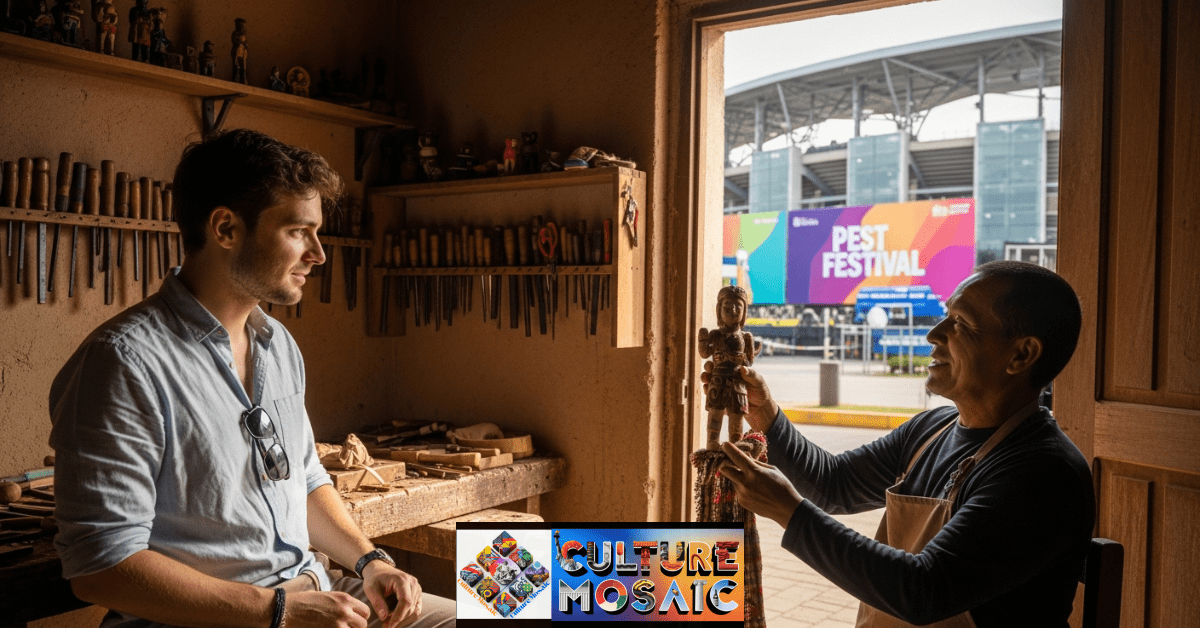
Skip the Marriott for the locally-owned guesthouse. Eat at neighborhood spots instead of chains near the venue. Buy your souvenirs from actual local artisans, not mass-produced merchandise stands.
Event-centered escapes bring money into cities. Make sure some of that money reaches the people who actually live there.
Think About Accessibility
More events now offer sensory-friendly zones, haptic tech for deaf attendees, and proper wheelchair access. If accessibility matters to you, research it before booking your event-centered escape. Contact organizers directly. Most are genuinely trying to make events inclusive, but you need to know what’s available.
Event-Centered Escapes on a Budget
Real talk: event-centered escapes can get expensive fast. But they don’t have to.
About a third of Gen Z and Millennial travelers say they’re using payment plans to afford their trips. Many travel companies now offer installment options specifically for event-based travel. Not ideal, but it makes event-centered escapes accessible if you plan ahead.
Smart Money Moves
Book flights and hotels separately. Use your credit card points strategically. Check secondary ticket markets through verified resellers instead of paying peak prices on the official site.
And here’s a pro tip for event-centered escapes: pick the less obvious city. If the World Cup is happening in multiple North American cities, Kansas City will be way cheaper than New York or LA, with just as much atmosphere and better food.
The Second-Tier City Advantage
Liverpool instead of London. Porto instead of Lisbon. Medellín instead of Bogotá. These cities host incredible events at a fraction of the cost of the capital cities.
For event-centered escapes, second-tier cities often deliver better value and more authentic experiences. Fewer tourists, lower prices, locals who are genuinely excited to share their city with visitors.
Using Tech Without Losing the Human Element
AI can help plan event-centered escapes, sure. Set price alerts, track ticket availability, optimize your logistics. But don’t let algorithms plan your entire trip.
The best restaurant I found in Porto came from chatting with the bartender after a concert, not from an AI itinerary. The coolest neighborhood spot in Tokyo came from following a local I met at a festival. Event-centered escapes benefit from technology, but they depend on human connection.
Where Event-Centered Escapes Are Headed
This isn’t a fad. People are realizing that experiences beat possessions every time. That one incredible night at a show you’ll remember forever beats another generic beach vacation you’ll forget by next year.
Plus, travel patterns are shifting. Gen Z especially is doing more short, intense trips. One or two days in a city for a specific event. Event-centered escapes fit perfectly into this new rhythm.
You don’t need two weeks in Europe. You need one perfect weekend built around one amazing experience.
Just Start
If you’ve never done event-centered escapes before, start small. Pick a concert or sporting event a few hours from home. Book a hotel for two nights. Build a mini-adventure around it.
Once you see how different it feels to travel with a purpose, with an anchor, you’ll get it. That festival in Iceland or that World Cup match in Mexico won’t seem so intimidating.
The hardest part of event-centered escapes is committing to the event. Once you’ve bought the ticket, everything else flows from there. Pick your moment, book your trip, and build your escape around something that genuinely excites you.
That’s when travel stops being about checking boxes and starts being about creating memories you’ll actually want to keep.
Frequently Asked Questions
Q: How far in advance should I book event-centered escapes?
For major events like the World Cup or Olympics, you need 6-12 months minimum for decent hotels. Concerts and festivals usually release tickets 3-6 months out. Book refundable options whenever possible because events sometimes get rescheduled, and you want flexibility with your event-centered escapes.
Q: What are second-tier cities, and why do they work better for event-centered escapes?
Major metropolitan areas that are not capitals are known as second-tier cities. Think Liverpool instead of London, or Porto instead of Lisbon. They host the same quality events but with lower prices, fewer crowds, and more authentic local experiences. For event-centered escapes, they often deliver better overall value.
Q: Can I use AI to plan my event-centered escapes?
AI helps with logistics like flight tracking and price alerts, but don’t let it plan everything. Use AI for the boring stuff, then get recommendations from actual humans. Join event-specific forums, ask locals, and talk to other travelers. The best event-centered escapes mix smart technology with real human connections.
Q: How do I avoid burnout during event-centered escapes?
Build rest time into your schedule. If you’re doing a three-day festival, take one afternoon to just sit in a café or walk through a park. Arrive a day early so you’re not rushed. The event itself will be intense, so balance it with slower moments. Event-centered escapes should energize you, not exhaust you.
Q: What happens if my event gets canceled?
Always buy travel insurance that covers event cancellations. Book refundable hotels when you can. Have a backup plan for how you’d spend time in that city even without the event. Sometimes the best event-centered escapes happen when the original plan falls apart, and you’re forced to improvise.