
 By Culture Expert
Introduction
I’ve spent a good part of my life moving between countries, not just visiting places but sitting with people—on sidewalks, in courtyards, at long dining tables during festivals. If there’s one thing I’ve learned, it’s this: you don’t truly understand a culture until you see how it celebrates.
That’s exactly why I put together this Global Cultural Festivals Guide.
Not as a checklist. Not as a glossy travel piece. But as something practical and honest—something I wish I had when I first started traveling seriously.
Because festivals are unpredictable. They’re loud, quiet, emotional, chaotic—sometimes all at once. And if you choose the right ones, they don’t just fill your calendar… they stay with you.
1. Why Festivals Reveal the Real Culture
You See Life Without Filters
Museums are curated. Festivals aren’t.
When you stand in the middle of one, things are imperfect—and that’s exactly why they’re real. People are emotional, spontaneous, sometimes disorganized. But that’s culture in its natural form.
This is the core idea behind this Global Cultural Festivals Guide—to help you experience cultures as they actually are, not as they’re presented.
2. How to Use This Global Cultural Festivals Guide
Don’t Try to Do Everything
One mistake I made early on was trying to attend too many festivals in one year. It turned into a blur.
Instead, use this Global Cultural Festivals Guide to pick 2–3 that genuinely interest you.
Match the Festival to Your Personality
- Love energy? Choose Carnival or Holi
- Prefer calm? Go for cherry blossoms
- Want depth? Try Day of the Dead
A good Global Cultural Festivals Guide isn’t about quantity—it’s about fit.
3. Rio Carnival – Brazil
Energy You Can’t Ignore
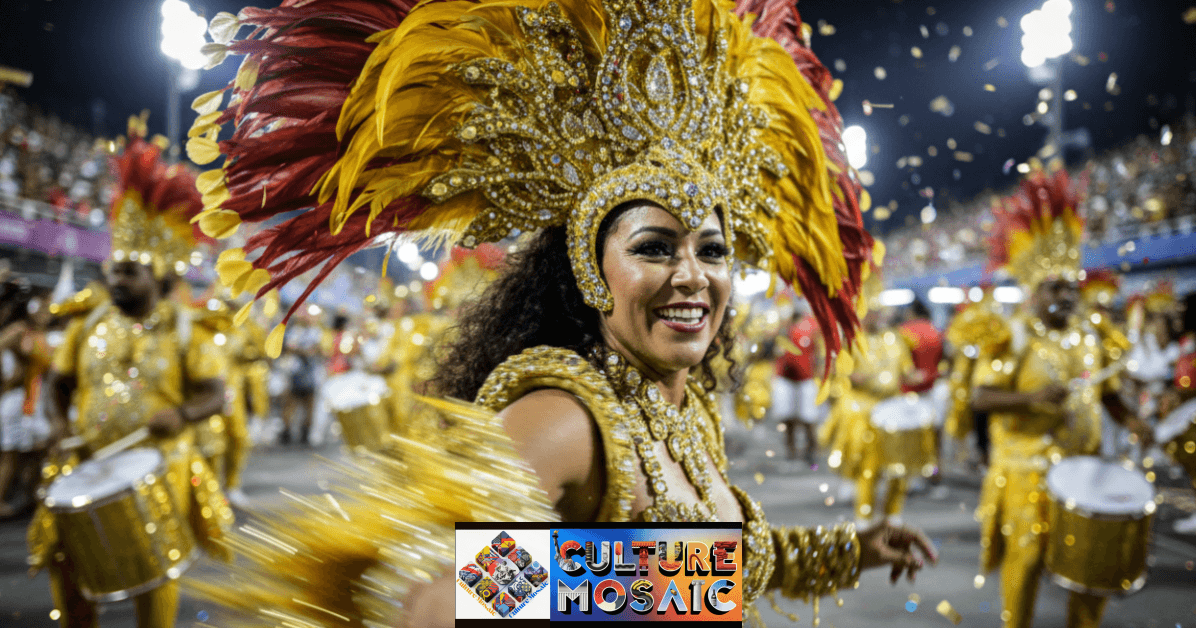
Rio during Carnival feels like the entire city is moving to the same rhythm. Drums echo through neighborhoods, and even people who claim they “don’t dance” somehow end up dancing.
What Most Visitors Miss
The Sambadrome is impressive, yes. But if you follow this Global Cultural Festivals Guide properly, you’ll spend time in the street parties—the blocos. That’s where locals actually celebrate.
4. Diwali – India
More Than Lights
Diwali looks beautiful in photos, but in reality, it’s quieter and more personal than people expect.
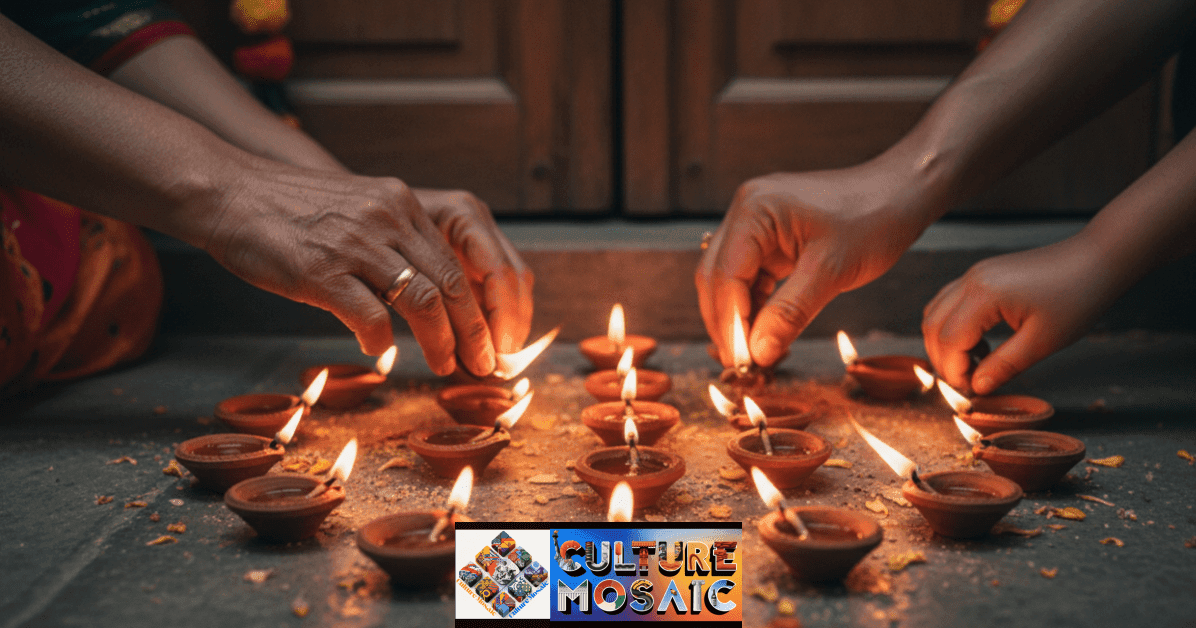
Families clean their homes, prepare food, and light lamps with intention.
What Matters Most
If you’re using a Global Cultural Festivals Guide like this one, don’t just watch fireworks. Spend time with a family if you can. That’s where the meaning lives.
5. Oktoberfest – Germany
Not Just About Beer
There’s a misconception that Oktoberfest is only about drinking. It’s not.
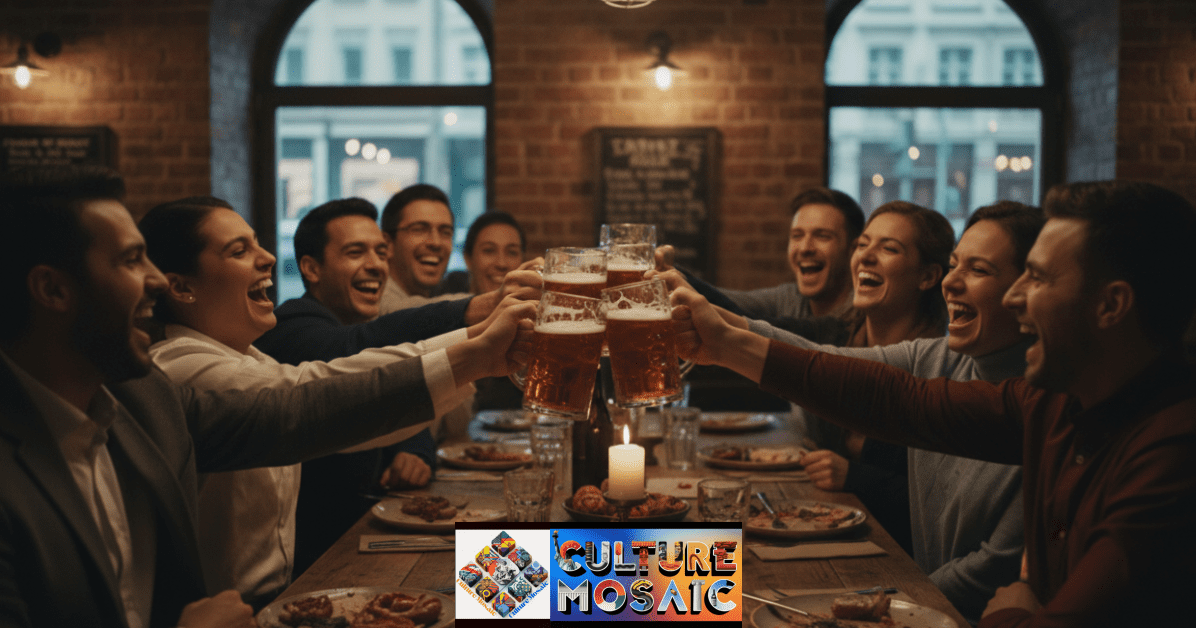
It’s about sitting together. Talking. Singing songs you don’t fully understand but still enjoy.
What You Learn
A strong Global Cultural Festivals Guide will always tell you this: shared tables create shared experiences.
6. Cherry Blossom Season – Japan
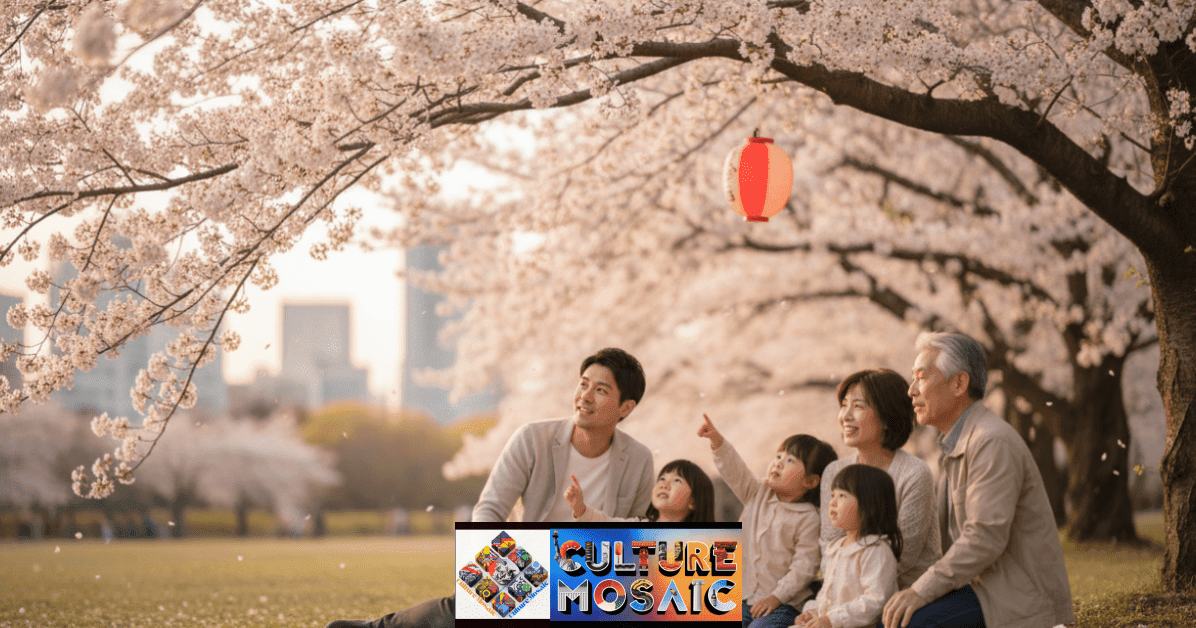
Quiet, But Powerful
No loud music. No chaos. Just people sitting under trees, watching petals fall.
Why It Stays With You
It teaches you to slow down—something most travelers forget to do.
This is why every thoughtful Global Cultural Festivals Guide includes it. It balances the louder celebrations.
7. Eid Celebrations – Worldwide
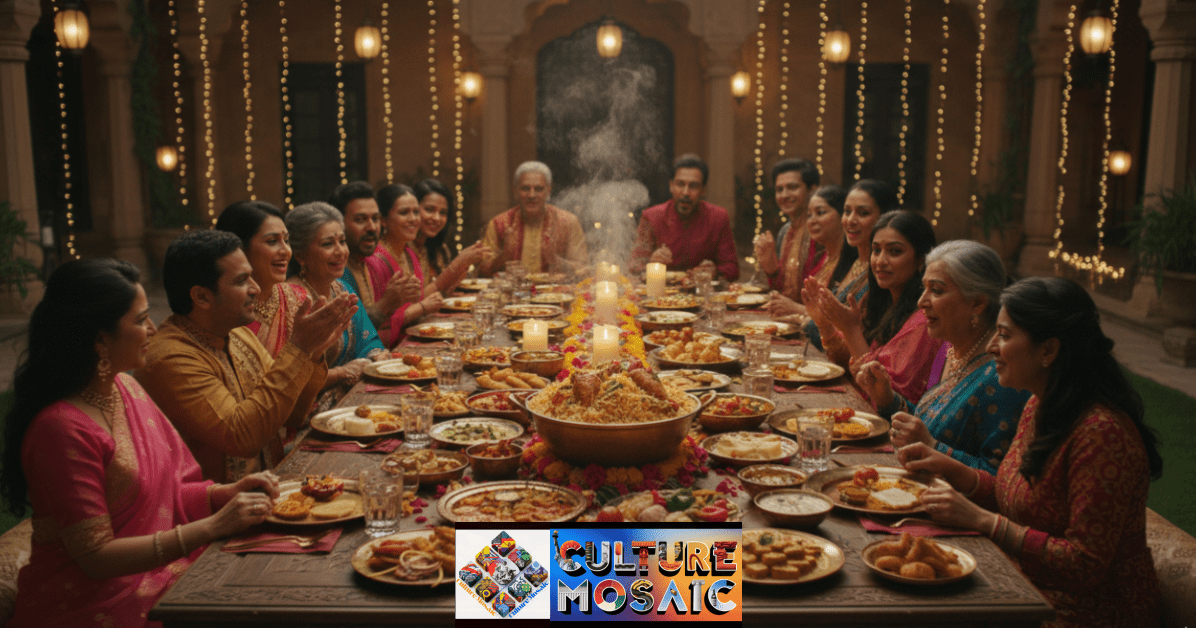
Consistency Across Borders
I’ve experienced Eid in different countries, and while food and customs change slightly, the feeling doesn’t.
People open their homes. Meals are shared generously.
What Makes It Special
Any meaningful Global Cultural Festivals Guide must include festivals like Eid—not because they’re flashy, but because they’re sincere.
8. La Tomatina – Spain
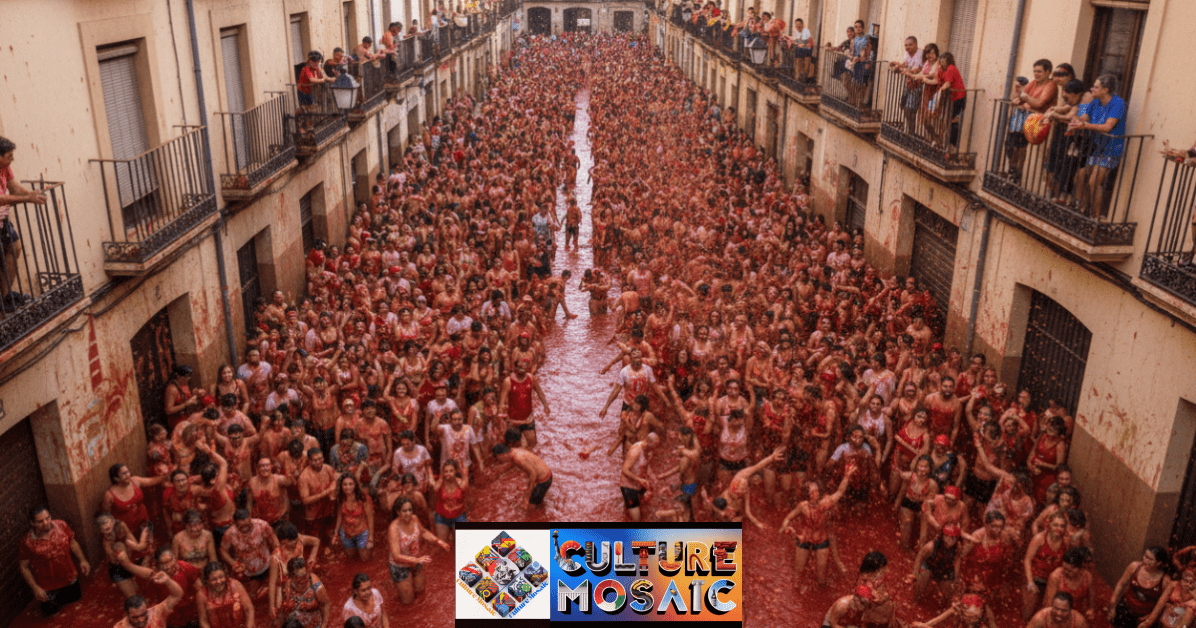
Letting Go Completely
At first, it feels strange—throwing tomatoes at strangers. Then something shifts.
You stop thinking. You just participate.
Why It Matters
A well-rounded Global Cultural Festivals Guide should include at least one festival that’s purely about joy without deeper structure—and this is it.
9. Chinese New Year – China
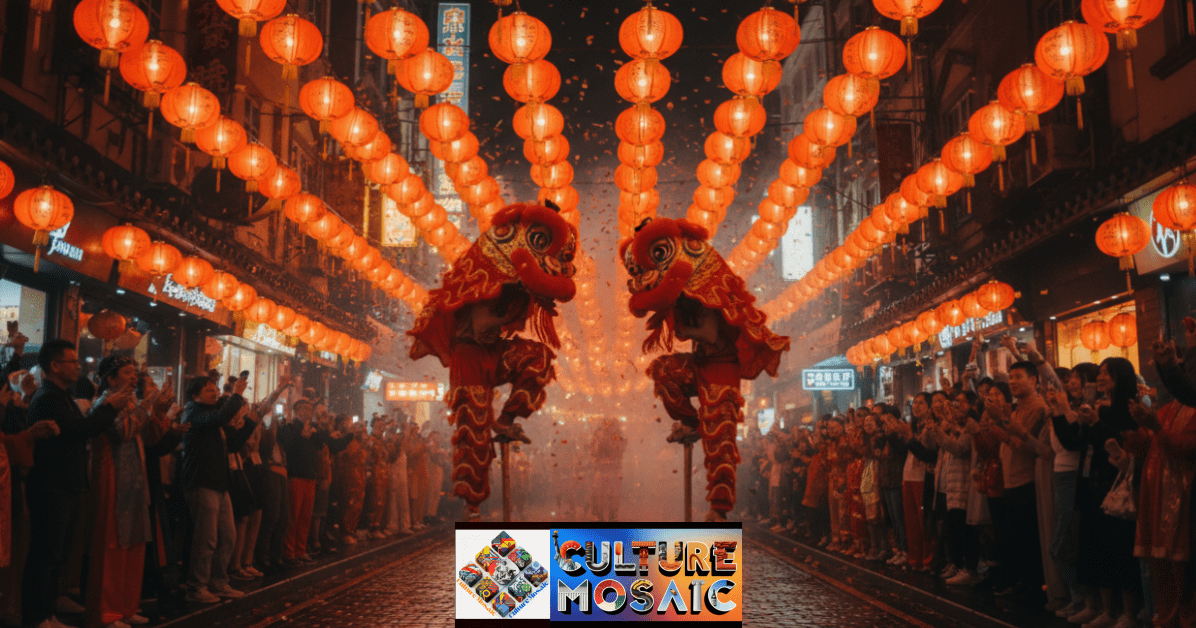
Preparation Is Part of the Festival
Cleaning homes, buying decorations, settling old matters—it all happens before the main celebration.
What You Notice
Everything has meaning. Colors, food, even the timing of actions.
This is why a detailed Global Cultural Festivals Guide always emphasizes understanding, not just attendance.
10. Holi – India
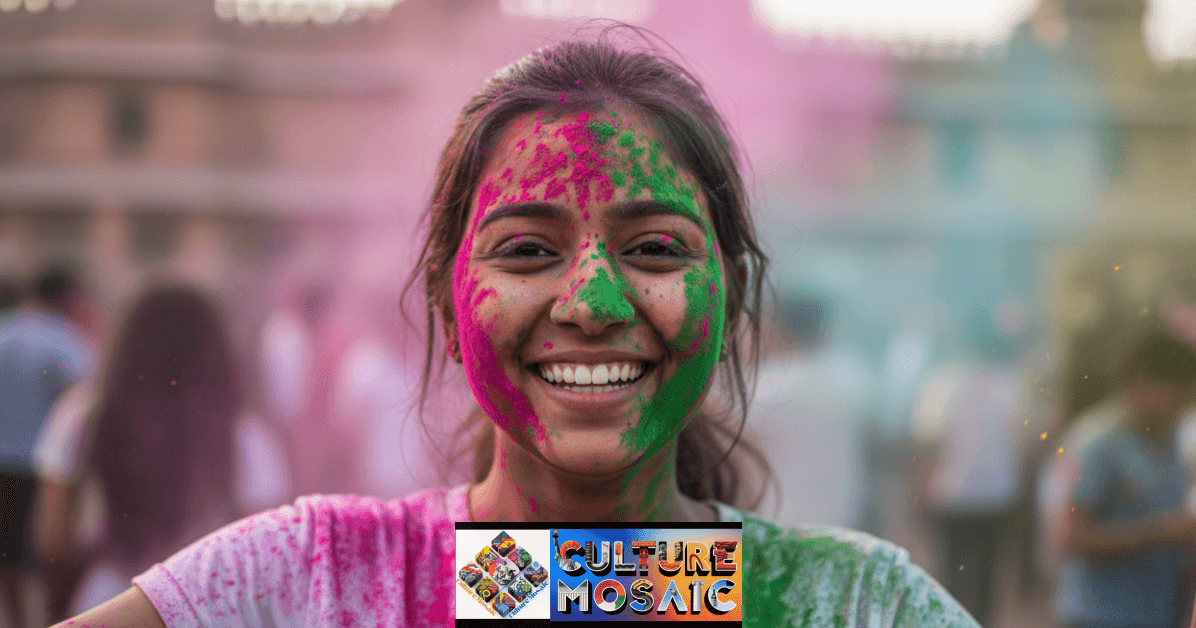
You Can’t Stay on the Sidelines
You might try—but you won’t succeed.
Within minutes, someone will pull you in, throw color at you, and laugh.
The Real Experience
If you follow this Global Cultural Festivals Guide, you’ll embrace it early instead of resisting it.
11. Day of the Dead – Mexico
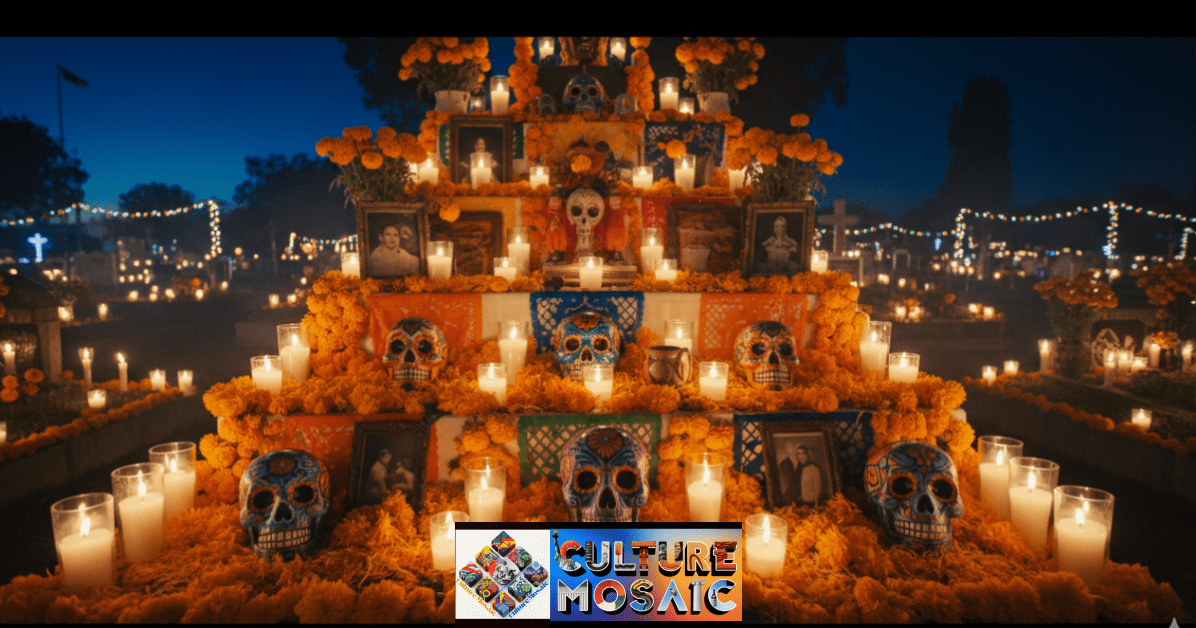
Memory, Not Mourning
This festival is often misunderstood. It’s not about sadness—it’s about remembering people fully.
What You Should Do
Spend time observing altars. Talk to locals if possible.
Any serious Global Cultural Festivals Guide will tell you—this is one of the most meaningful cultural experiences you can have.
12. Edinburgh Festival Fringe – Scotland
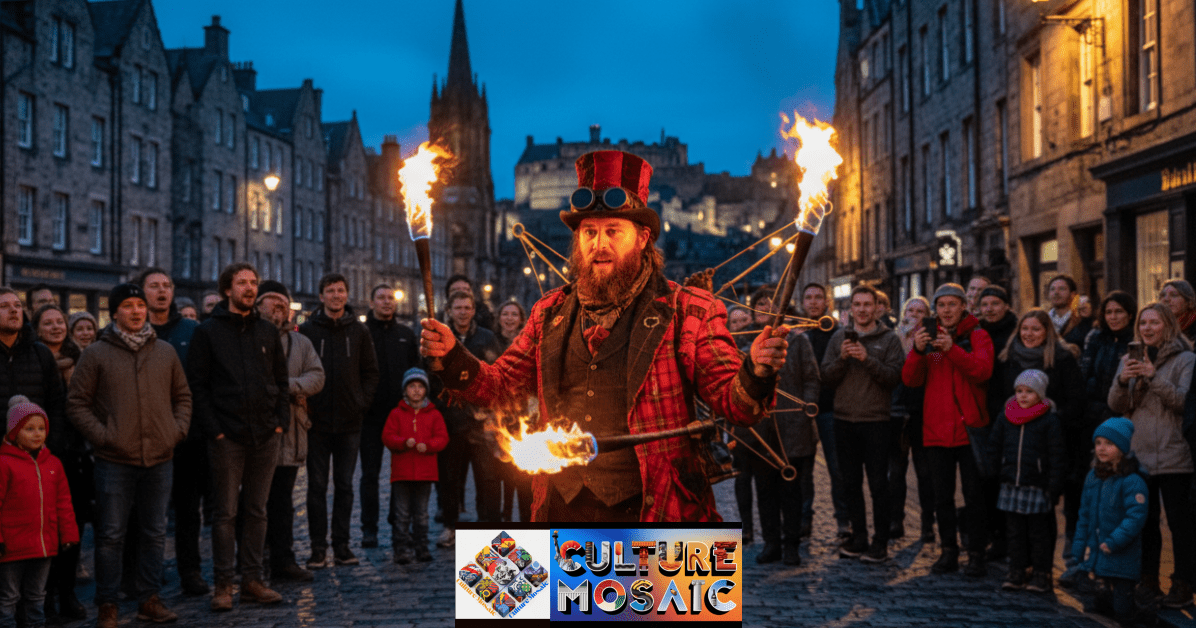
Creative Freedom Everywhere
You’ll walk down a street and find five performances happening at once.
Some are brilliant. Some are strange.
Why Include It
A complete Global Cultural Festivals Guide isn’t only about tradition—it’s also about evolving culture. This festival shows that perfectly.
13. Smart Planning with a Global Cultural Festivals Guide
Book Early
This isn’t optional. Your experience will be better if you plan ahead.
Stay Flexible
Festivals don’t always go exactly as planned. That’s part of their nature.
Engage, Don’t Just Observe
The real purpose of a Global Cultural Festivals Guide is to help you move from observer to participant—when appropriate.
Conclusion
If you’ve read this far, you’ve probably realized something: festivals aren’t just events on a calendar. They’re expressions of identity, memory, and community.
This Global Cultural Festivals Guide isn’t here to tell you where to go—it’s here to help you choose experiences that actually matter.
In 2026, don’t just travel.
Choose moments that stay with you.
FAQs
1. Which festival offers the most authentic cultural experience?
That depends on what you’re looking for. Diwali, Eid, and Day of the Dead stand out because they are deeply personal and community-driven rather than staged for tourists.
2. Is it respectful for tourists to participate in cultural festivals?
Yes—but only when it feels appropriate. Watch how locals behave first, then follow their lead.
3. How early should I book for major festivals in 2026?
At least 4–6 months in advance. Some festivals require even earlier planning.
4. What should I prioritize during a festival visit?
Focus on real interactions—conversations, shared meals, and small moments.
5. Can festivals change the way you see a culture?
Yes. Being physically present during a celebration gives you a perspective that no guidebook can offer.