
 By Culture Expert
On January 4th, we look at the threads that never broke. From the first cave paintings to the digital looms of today, discover the longest living lineage of symbols that define what it means to be human.
What Is the Longest Living Lineage?
The longest living lineage belongs to the descendants of Confucius, the ancient Chinese philosopher who lived from 551 to 479 BCE. Recognized by Guinness World Records, this family tree spans over 2,500 years and includes approximately 3 million registered descendants across 86 documented generations. The Confucius Genealogy Compilation Committee maintains this extraordinary record, releasing updated volumes every few decades.
The Kong Family’s status as the world’s longest family tree was verified by Guinness World Records, with an estimated 3 million members registered with the Confucius Genealogy Compilation Committee. This remarkable documentation makes it not just the longest, but also the most thoroughly verified family lineage in human history.
Understanding Lineage vs. Family Trees
Lineage refers to a direct line of descent from an ancestor, while family trees include all relatives and branches. The claim of the longest recorded lineage belongs to Confucius, traced through 80 generations of direct descendants, while family trees can include various family relations like uncles and cousins. This distinction matters when measuring historical continuity.
The British royal family, for example, has an ancient family tree without the longest lineage because succession sometimes passed through indirect lines rather than parent to child.
The Kong Family: A Living Testament
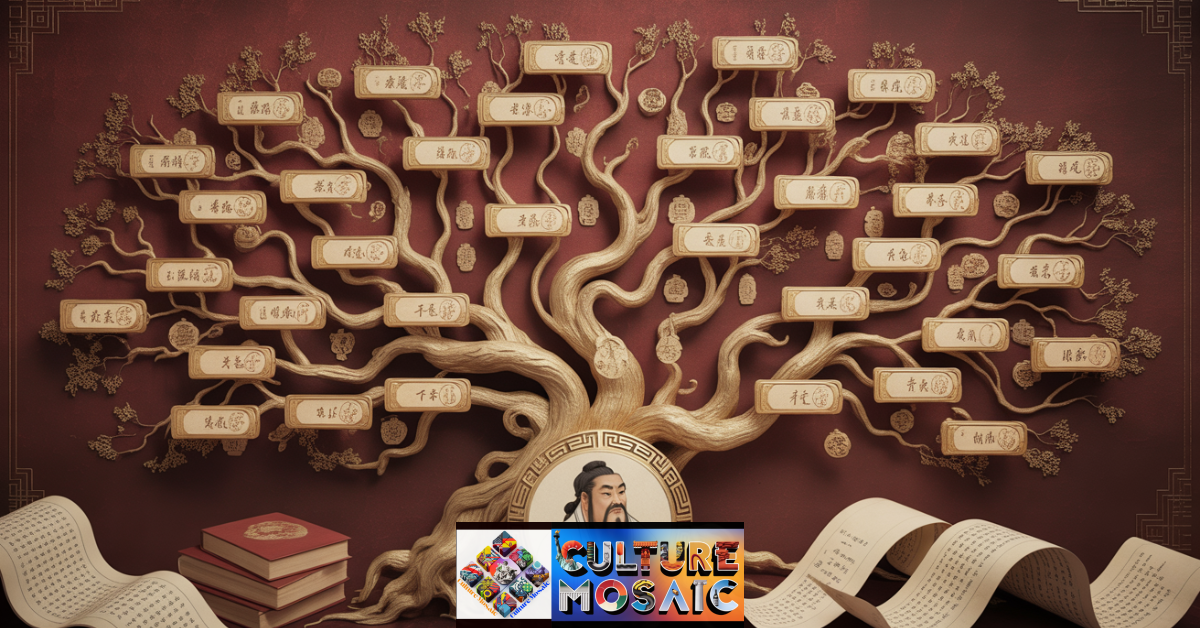
The Kong Family tree is currently in its 83rd generation, and the family’s lineage has been recorded since the death of Confucius, with updated volumes of the genealogy released every few decades. In 2009, the fifth edition comprised 80 volumes containing the names of more than 2 million descendants.
What makes this lineage extraordinary isn’t just its length but its meticulous documentation. The first official record was compiled by hand in 1080, centuries after Confucius died. In the 14th century, a Confucius descendant moved to Korea and changed the family’s name from Kong to Gong, with over 34,000 Confucius descendants currently living in Korea.
Ancient DNA and Bronze Age Lineages
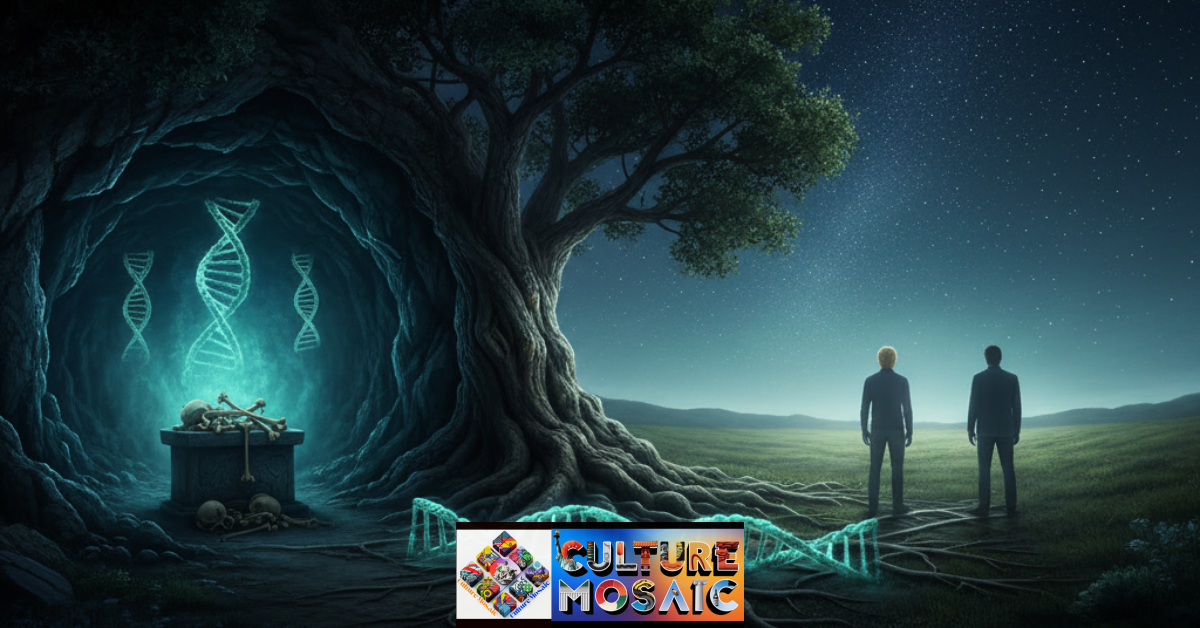
While the Kong family holds the record for documented lineage, DNA testing has revealed even older ancestral connections. Two Germans, Manfred Huchthausen and Uwe Lange, share ancestors from Bronze Age cave dwellers who lived 3,000 years ago, spanning 120 generations. However, this family tree contains many blank generations, making it incomplete compared to Confucius’s documented line.
The discovery came from DNA testing of well-preserved Bronze Age bones found in Lichtenstein Cave in Germany’s Lower Saxony. Scientists found the bones of 23 people with a distinctive and rare DNA pattern that matched the living descendants.
Other Notable Ancient Lineages
The Imperial House of Japan
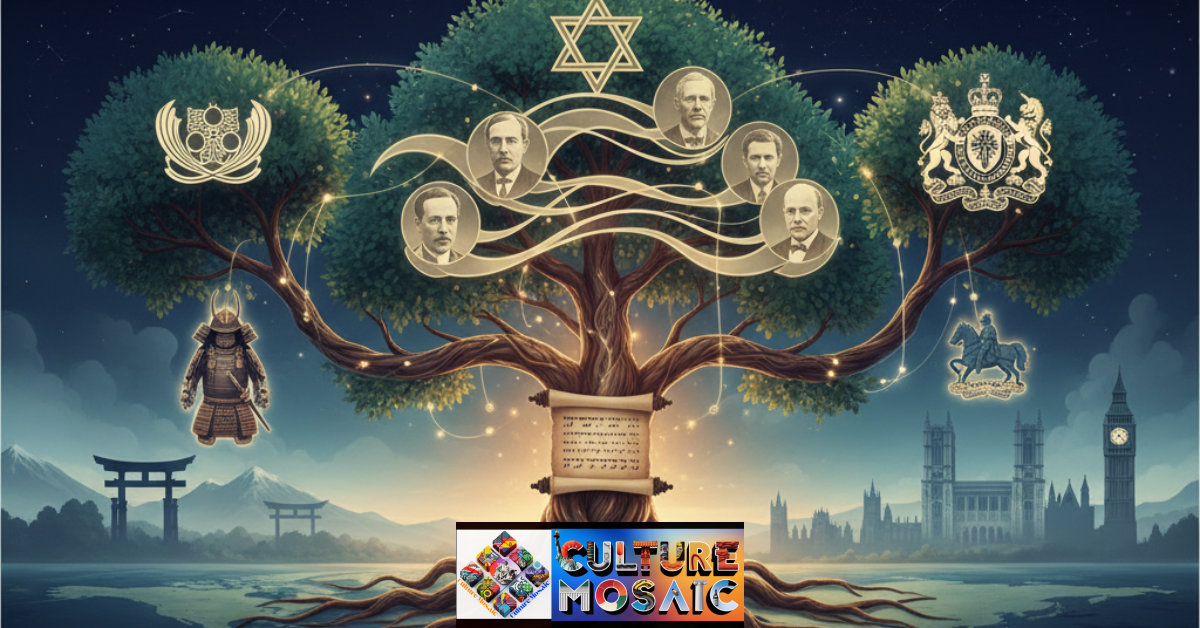
The Imperial Family of Japan claims to be the longest-running monarchy in the world, with a documented bloodline dating back to 660 BCE, with current Emperor Naruhito being the 126th monarch. However, the earliest portions of this lineage include mythological figures, making verification challenging.
The Lurie Family
The Lurie family lineage dates back to biblical times, and the 1999 Guinness Book of Records awarded this family with the longest lineage distinction, though tracing their roots becomes murky as it goes back to ancient times. The family can be definitively traced to 13th-century France, with famous descendants including Karl Marx, Sigmund Freud, and Felix Mendelssohn.
British Royal Family
The British royal family is one of the oldest lineages in the world, with roots dating back to the 9th century, founded on the House of Wessex with Alfred the Great as one of its pillars. Alfred was born in 849 and became King of Wessex in 871, creating the foundation for today’s monarchy.
Symbols That Defy Time
Beyond biological lineage, humanity has maintained an artistic lineage through symbols that have survived millennia. Ancient symbols represent the essence of a civilization’s culture, beliefs, and traditions, serving as markers of cultural identity that help preserve heritage and continuity through generations.
The Egyptian Ankh, Celtic knots, and the Tree of Life have appeared across cultures and centuries, surviving wars, migrations, and technological shifts. Archaeological evidence suggests that symbols date back to at least 40,000 years ago, with early examples found in cave paintings, carved figures, and ritual objects used by early societies worldwide.
The “Genetic Memory” of Art in 2026
Today’s art world has embraced what creators call “Genetic Memory Art,” where artists use their ancestral history to influence modern digital designs. This trend represents humanity’s longest living lineage in a different form—not through DNA, but through transmitted knowledge and symbolism.
Continuity in style, motifs, and process across four millennia implies high fidelity in the transference of knowledge, with core pictographic elements diagnostic of the style persisting in form and context. Research into Pecos River style pictographs shows how artistic traditions maintained consistency for thousands of years.
Preservation Across Eras
| Lineage Type | Traditional Preservation | 2026 Preservation |
|---|---|---|
| Oral Stories | Spoken Word | Interactive Audio Archives |
| Textile Patterns | Hand-Woven | Algorithmic Heritage Knitting |
| Visual Art | Cave/Canvas | Blockchain Lineage Tracking |
Cultural Identity Through Symbolic Continuity
Symbols function as a shared language, allowing members of a community to communicate complex meanings without words, thus strengthening bonds and fostering a sense of belonging. This symbolic continuity represents humanity’s longest living lineage beyond biological descent.
From ancient hieroglyphs to modern logos, symbols act as recognizable identifiers that incorporate cultural values, beliefs, and histories into daily life. Ancient symbols continue to inspire art, spirituality, and cultural identity, reminding us of the enduring power of human symbolism and the shared stories they convey across generations.
Why Documentation Matters
Most families are only able to trace themselves back a few generations, which dependent on available records, can date back to around 1500 CE, while families with ties to nobility or religious connections can often be traced back further because of better record-keeping.
The Confucius lineage succeeds because of intentional documentation. The family recognized the importance of recording their heritage, creating a system that has survived for millennia. This serves as a model for how cultural and biological lineages can be preserved.
Challenges in Tracing Ancient Lineages
Verifying ancient lineages presents significant challenges. Many royal families claim descent from biblical or mythological figures, but historical evidence becomes uncertain. While a few families can supposedly trace their lineage back further, the Kong Family tree has the best documented family tree in history, and Confucius was undoubtedly a real historical figure, unlike some patriarchs of older family trees who may just be legendary figures.
DNA testing has revolutionized lineage research, allowing scientists to connect living people with ancient remains. However, this creates lineages with gaps—genetic connections without the cultural continuity that makes the Confucius line remarkable.
The Intersection of Biology and Culture
The longest living lineage isn’t just about biological descent. It’s about the transmission of knowledge, values, and identity across generations. Ancestral temples were significant sites for ancestor worship in ancient Chinese society, embodying the profound heritage and historical continuity of clan culture.
Artistic traditions show how non-genetic lineages can persist just as powerfully. Digital heritage encompasses visual identity records, including the preservation of brand trademarks and the evolution of logos, which document how visual symbols change over time and reflect social, commercial, and technological developments.
Modern Implications of Ancient Lineages
In 2026, understanding lineage has taken on new dimensions. Blockchain technology now tracks artistic lineage, ensuring provenance and authenticity. Genetic testing services connect millions to their ancestral roots. Yet the Confucius lineage remains unmatched in combining biological, cultural, and documented continuity.
The Kong family’s success offers lessons for preserving any form of heritage. Regular updates to the genealogy, institutional support through the Compilation Committee, and cultural pride in the lineage ensure its continuation.
Conclusion: Threads That Never Broke
The longest living lineage belongs to Confucius’s descendants—a 2,500-year unbroken chain of documented ancestry. But humanity’s true longest lineage might be the symbols, stories, and artistic traditions we’ve maintained for 40,000 years or more.
From cave paintings to digital archives, from oral histories to blockchain records, we preserve what matters. Whether through DNA or through culture, these lineages define us. They connect us to our ancestors and provide pathways for future generations.
As we honor the Kong family’s remarkable achievement, we also celebrate every form of lineage—the artistic, the symbolic, and the cultural—that has survived against all odds to reach us today.
FAQs About The Longest Living Lineage
Q: What is the longest documented family lineage in the world?
A: The Confucius lineage holds the Guinness World Record for the longest documented family tree, spanning over 2,500 years with 86 recorded generations and approximately 3 million living descendants.
Q: How is lineage different from a family tree?
A: Lineage refers specifically to a direct line of descent (parent to child), while a family tree includes all relatives and branches, including uncles, cousins, and other relations.
Q: Can DNA testing reveal ancient lineages?
A: Yes, DNA testing can connect living individuals to ancient remains, as demonstrated by two Germans linked to 3,000-year-old Bronze Age ancestors. However, these genetic lineages often have undocumented gaps between generations.
Q: What makes ancient symbols part of humanity’s longest lineage?
A: Ancient symbols represent continuous cultural transmission spanning 40,000 years. They preserve knowledge, beliefs, and identity across countless generations, creating a non-genetic lineage that parallels biological descent.
Q: How is lineage preservation changing in 2026?
A: Modern technology, including blockchain tracking for art provenance, digital archives for oral histories, and genetic databases for ancestry research, is revolutionizing how we preserve and verify lineages, both biological and cultural.
 Dr. Julian Thorne